Bryan Caplan Challenges Cultural Reshaping Narratives with Market-Driven Ideas

Bryan Caplan's Perspective on Cultural Rights and Coercion
A fresh work by Bryan Caplan digs into a bold thought that questions long-held views on ethnic claims and efforts to alter societal habits. His latest volume, called _You Have No Right to Your Culture: Essays on the Human Condition_, insists that certain appeals for shifting shared traditions actually hide demands for force or pressure. Culture, when seen through Caplan’s lens - shaped by decisions like love, entertainment, or faith - becomes a shared set of personal tastes made by others together. When someone claims such a culture as their due, what follows is a kind of reach toward managing who gets to decide what. Looking at things this way moves the discussion away from personal rights toward personal duties along with shared effort, encouraging people to rethink requests when they harm cultural variety or personal liberty.

Market Forces as the True Sculptors of Culture
What stands at the heart of Caplan’s thinking is how culture might unfold without heavy interference from state forces or protest groups pushing fixed agendas. Rather than rely on laws and top-down controls to steer society, he suggests culture grows best when left to its own rhythms within free enterprise systems. Instead of pushing for uniformity or strict adherence to norms, there’s value in watching change unfold naturally, shaped by consumer choices and entrepreneurial variation. Seen this way, the spread of Western-style cooking, songs, or written stories does not spring from enforced melting but emerges quietly through what buyers and viewers tend to pick. What stands out is how Caplan sees this process as tougher to erase - rooted in real wants shaped by what people actually buy. Driven by choice, it gains strength from personal preferences, not top-down rules.

The Role of Cultural Assimilation and Pre-Assimilation
What stands out in Caplan’s argument is how both newcomers and long-term residents move ahead of full integration, already adjusting before they even arrive. Culture shifts fast when jobs, prices, or lifestyle options pull people in certain directions. Instead of lamenting delays in fitting in, he points to how natural it is for habits and values to change - not forced, but chosen. Change sneaks forward because choices shape habits beyond headlines. Life bends where money talks and habits migrate without announcements. This shifting reality supports a larger point: forcing one culture on everyone fails in practice, since actual change happens freely, through personal choices and shifts over time.
Implications for Policy and Society
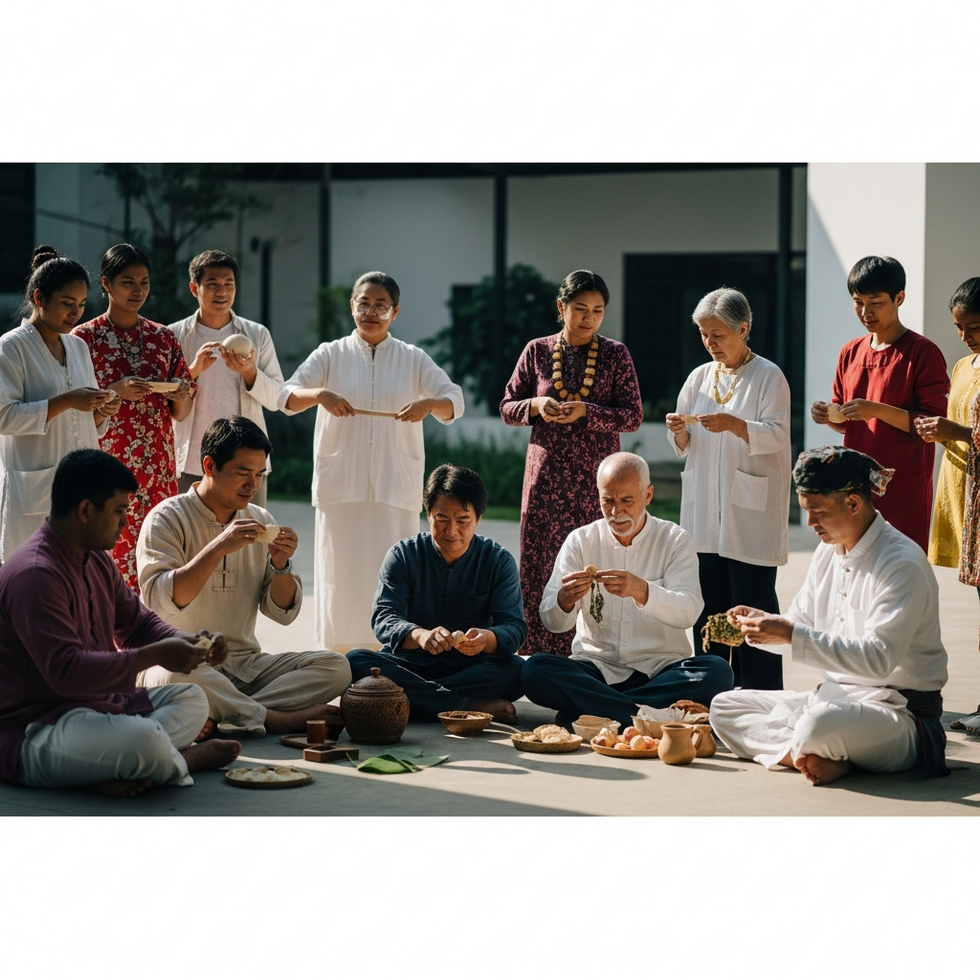
What Caplan sees changes how leaders handle questions about culture and who we are. Rather than pushing top-down programs meant to blend traditions, his view leans toward setting spaces where varied voices meet freely. Out of such openness grow richer mixes of thought, expression, and ways of living - not forced, but shaped through interaction and contrast across fields like art, media, life. What he says pushes us to rethink methods focused only on imposing one culture across all. Freedom to decide, combined with how markets adapt, offer stronger paths to keep culture alive, varied, and moving.
Celebrating Cultural Competition in a Global Context
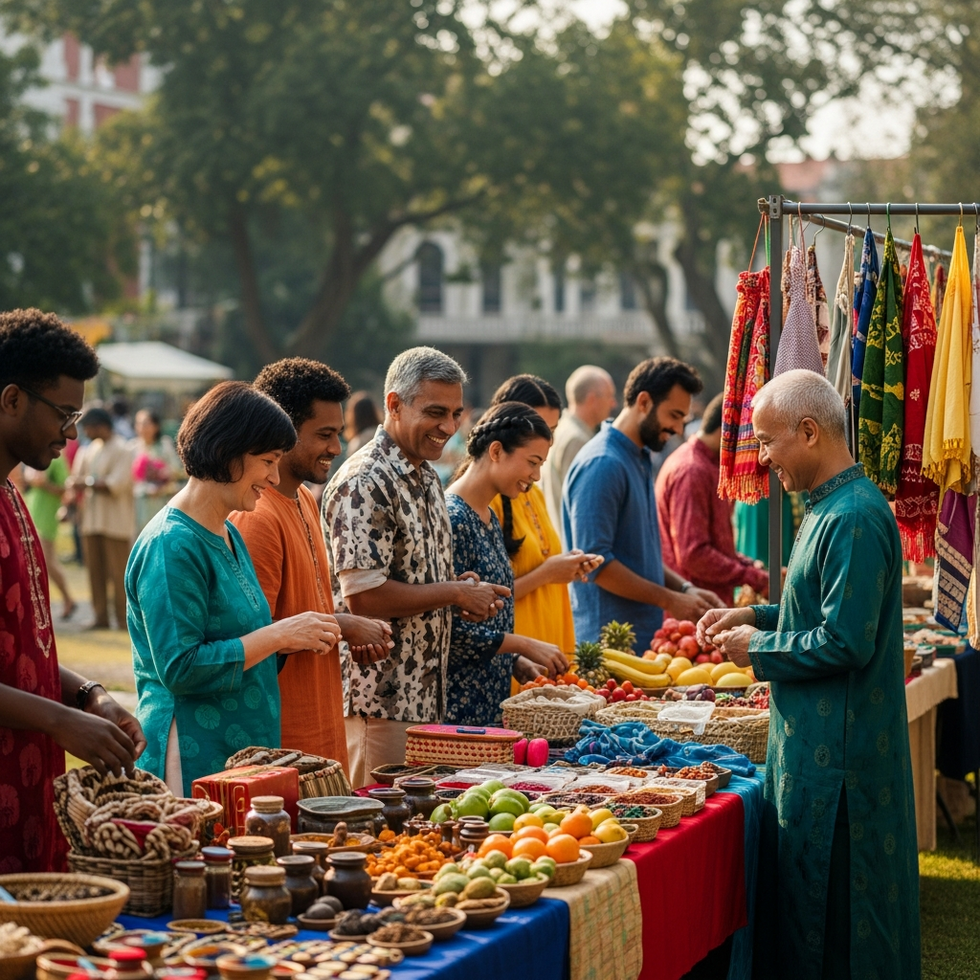
What Bryan Caplan proposes ties into classic free-market thinking - where change thrives when people choose freely. Culture shifts aren’t forced; they evolve through contact and shared interest. Western norms now carry many foreign flavors: songs, dishes, stories reshaped over time. Exposure builds variety, not uniformity. Instead of treating divergent customs as barriers, he frames them as chances to deepen understanding across borders. Looking at things now, his take hits hard when we think about life getting busier and global ties growing stronger - programs where people choose to share culture tend to build real patience and awareness far better than force or rules have in the past, opening paths where differences flow into something steady instead of tense.

Final Thoughts on Cultural Freedom and Market-Driven Evolution
What stands out in Bryan Caplan's challenge to forced cultural efforts is how clearly he ties them to individual choice and practical economics. Instead of top-down control, he suggests space for personal taste and profit-driven trends - approaches less fragile over time. When people face questions about belonging, difference, or unity, he frames rivalry among ideas not as threat but as natural drive forward. That kind of order doesn’t enforce unity; it grows from permission to disagree. What he points out tells us something quiet: real cultural strength grows where people pick their own direction, not guided by rules. It thrives more when spaces encourage different voices, not silenced by control from above.