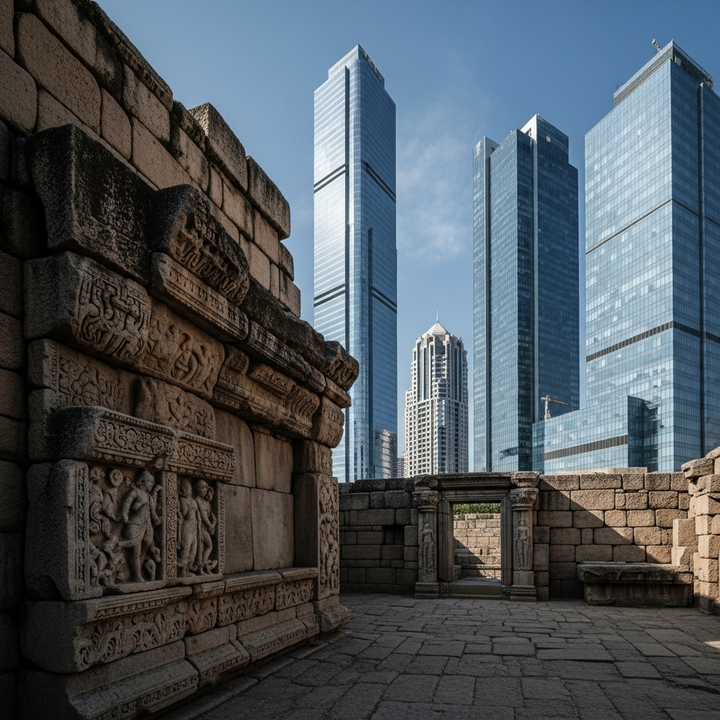
Controversy Erupts Over Cultural Institutions Under Trump Influence Amid Growing Divisions
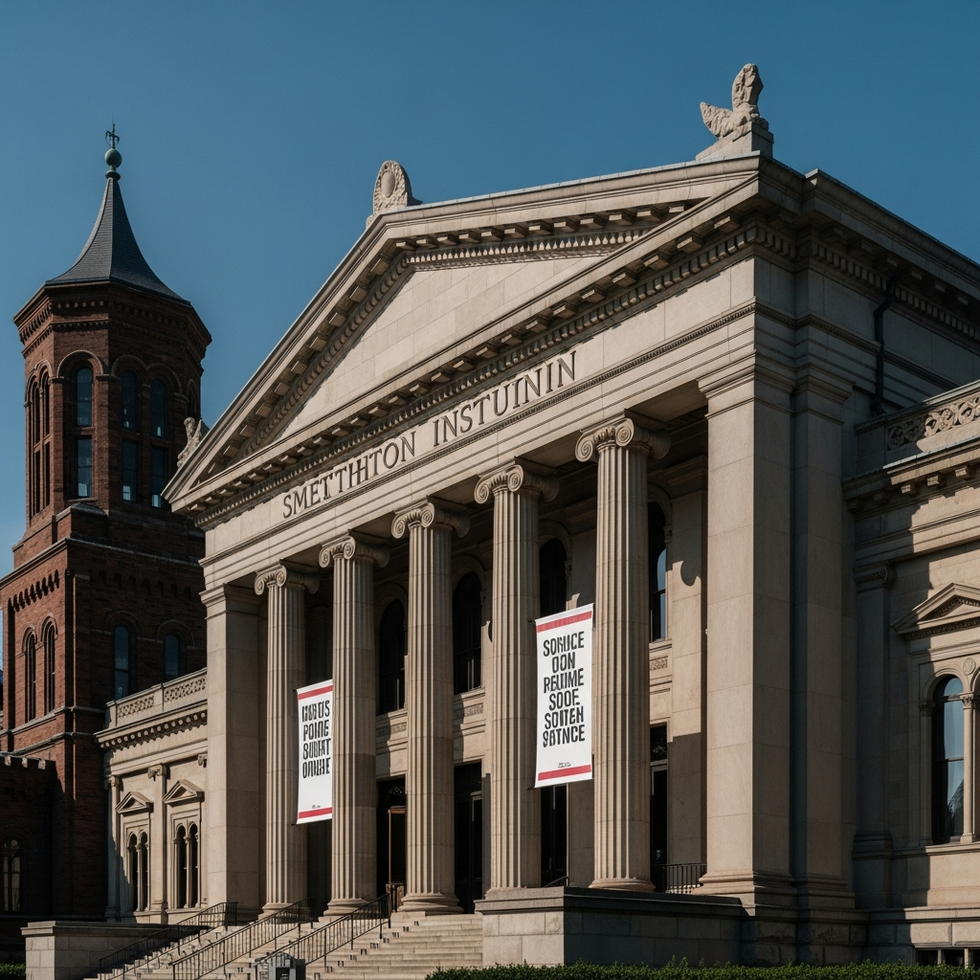
Rising Tensions Between Political Influence and Cultural Independence
Fresh news stories highlight growing tension between Trump officials and top U.S. cultural groups like the Smithsonian and Kennedy Center. At stake is more than one organization’s direction - it reflects wider debates about how politics should influence art and history across the country. Opponents claim actions taken under past leadership, possibly tied to Donald Trump, put pressure on these places to bend to outside agendas rather than stay neutral. What lies behind these arguments isn’t just money or who manages what - it traces back to fundamental choices in shaping a nation’s memory and sense of self. When politicians increasingly shape artistic spaces, voices within the field grow uneasy. Some now see risks brewing for the very foundation of U.S. cultural outreach. Attention lately has turned to key moves: placing allies into power roles, altering rules that once favored transparency. These changes spark doubt about where such honored organizations might head from here.
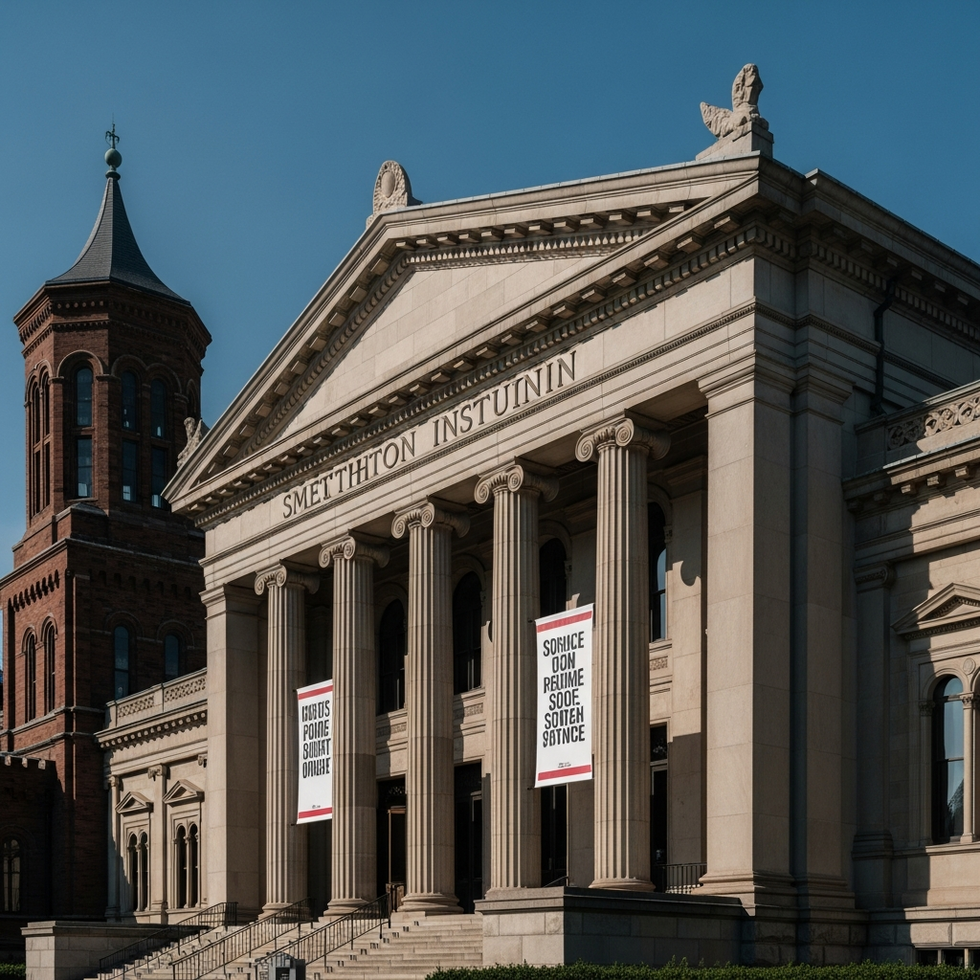
What happens after government steps in doesn’t stop at paperwork - it quietly reshapes how artists work inside public spaces. Some creators feel pressured now, knowing views might get blocked or toned down before they show up at all. That quiet change chips away at what open dialogue really means. Lately, people watching these events have started noticing something different too - shows once full of varied voices now lean toward narrower stories shaped by power elsewhere. Looking back makes people think about how government support shapes art, while keeping institutions free to speak their own mind matters - they’re meant to guard culture and memory without bias. Some who write about art and culture say turning museums and theaters into political zones hurts their ability to teach and unite people, turning them into places where debate replaces understanding.
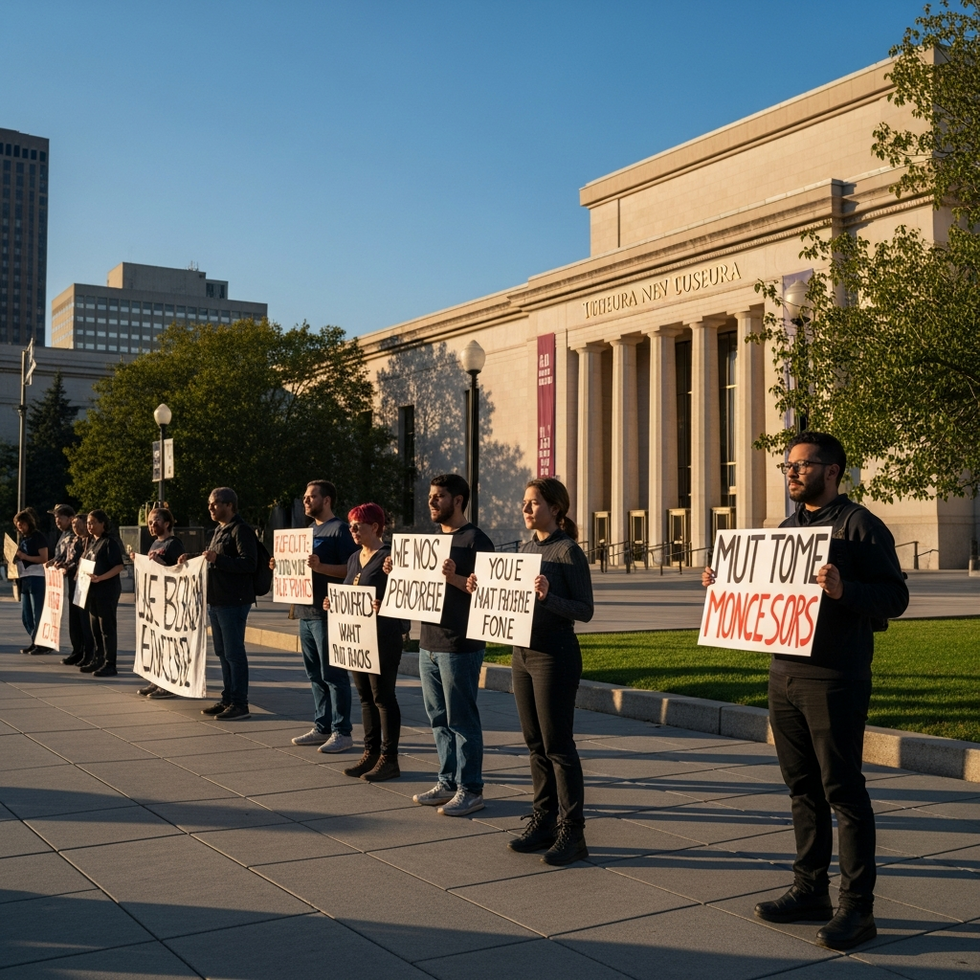
Faced with growing strain, those shaping culture and policy now share different views. Not every voice agrees on how far protection should go - some demand firmer barriers to keep art free from political pull. Yet another camp sees state presence as vital, so performances and exhibits echo shared ideals while meeting community needs. Some big names in the arts world say both parties must work together to draw firm lines, keeping politics from controlling what art gets made. At the same time, politicians are talking up fresh rules meant to shield creativity from political pressure, while also opening things up for public tracking. They’re starting to see how much control can clash with a organization’s need to run on its own terms. The back-and-forth isn’t just noise - it quietly hints at how changes in laws and management might alter where the arts stand across the country.