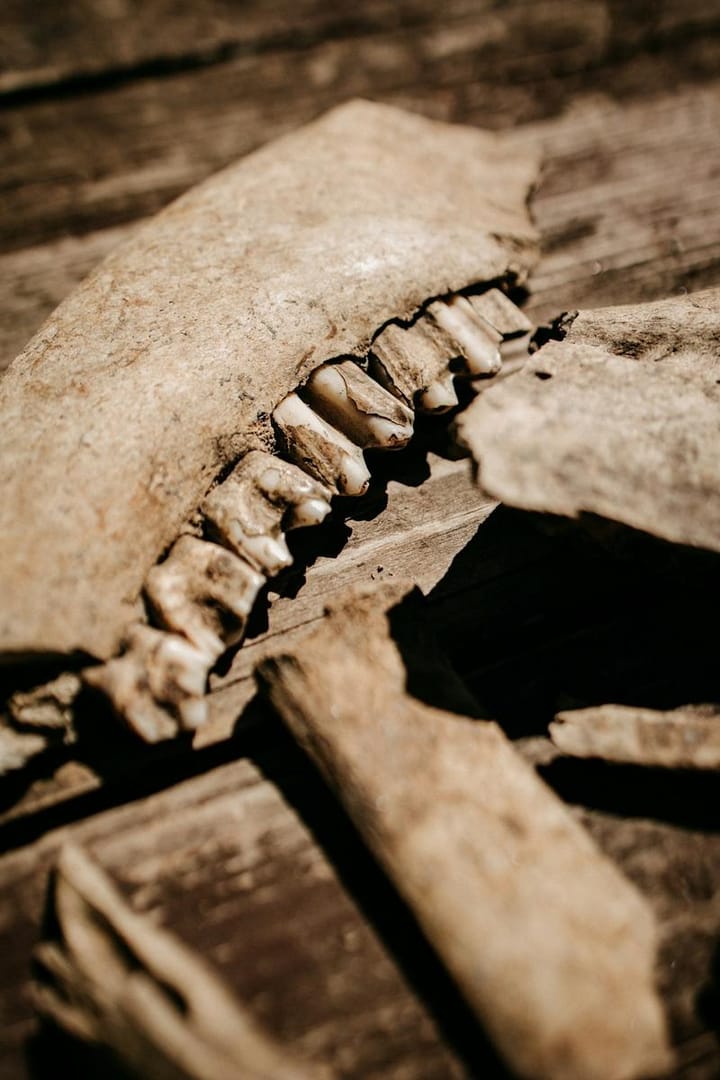
Discovering the Roots of Human Culture Through the Neolithic Era and the Taş Tepeler Project
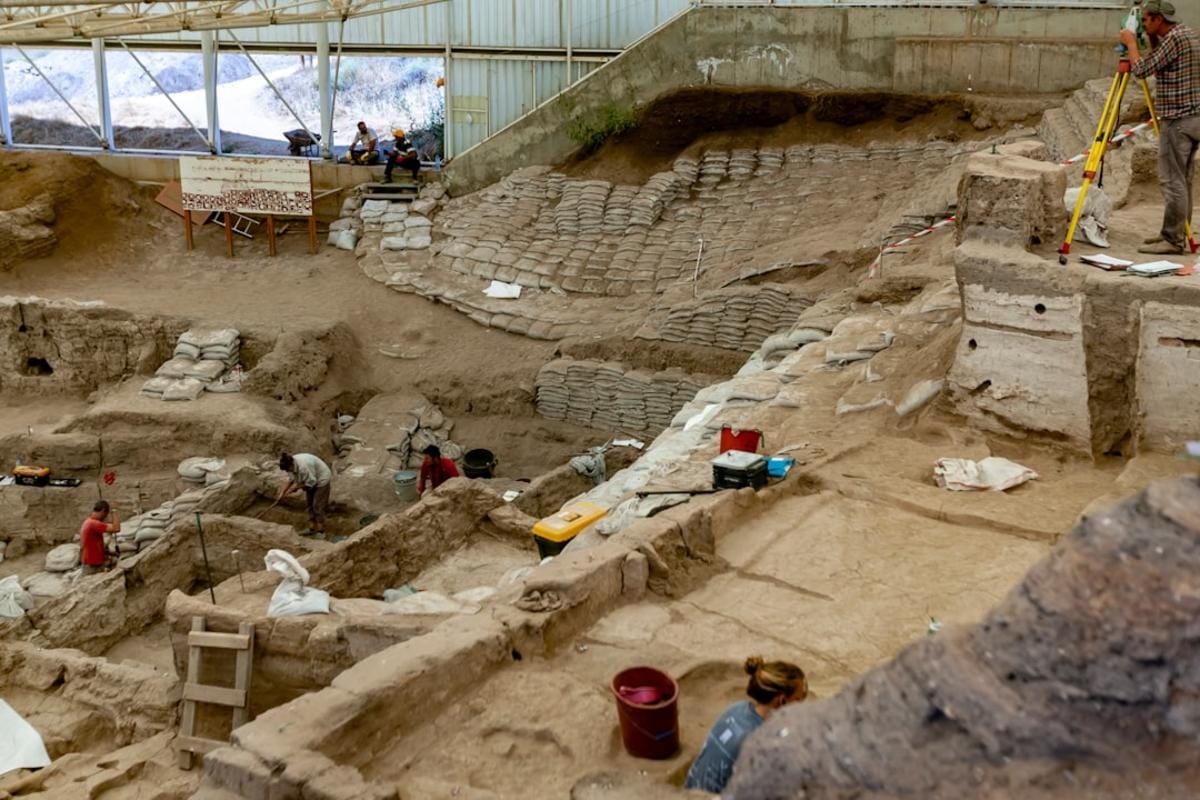
Understanding the Neolithic Era and Its Impact on Modern Culture
The Neolithic era, often regarded as the dawn of human civilization, marks a pivotal chapter in our history. Spanning roughly from 10,000 to 3500 BCE, this period is characterized by the revolutionary shift from nomadic hunter-gatherer societies to settled agricultural communities. This transformation did not merely influence food production; it fundamentally reshaped social structures, technological innovations, and cultural practices that continue to echo into modern times. The advent of farming, animal domestication, and the development of permanent settlements created the foundation for complex societies, leading to advancements in tools, architecture, and communal living. Understanding this era provides valuable insight into the roots of our shared cultural heritage, emphasizing human ingenuity and adaptability during one of the most crucial times in the evolution of civilization.
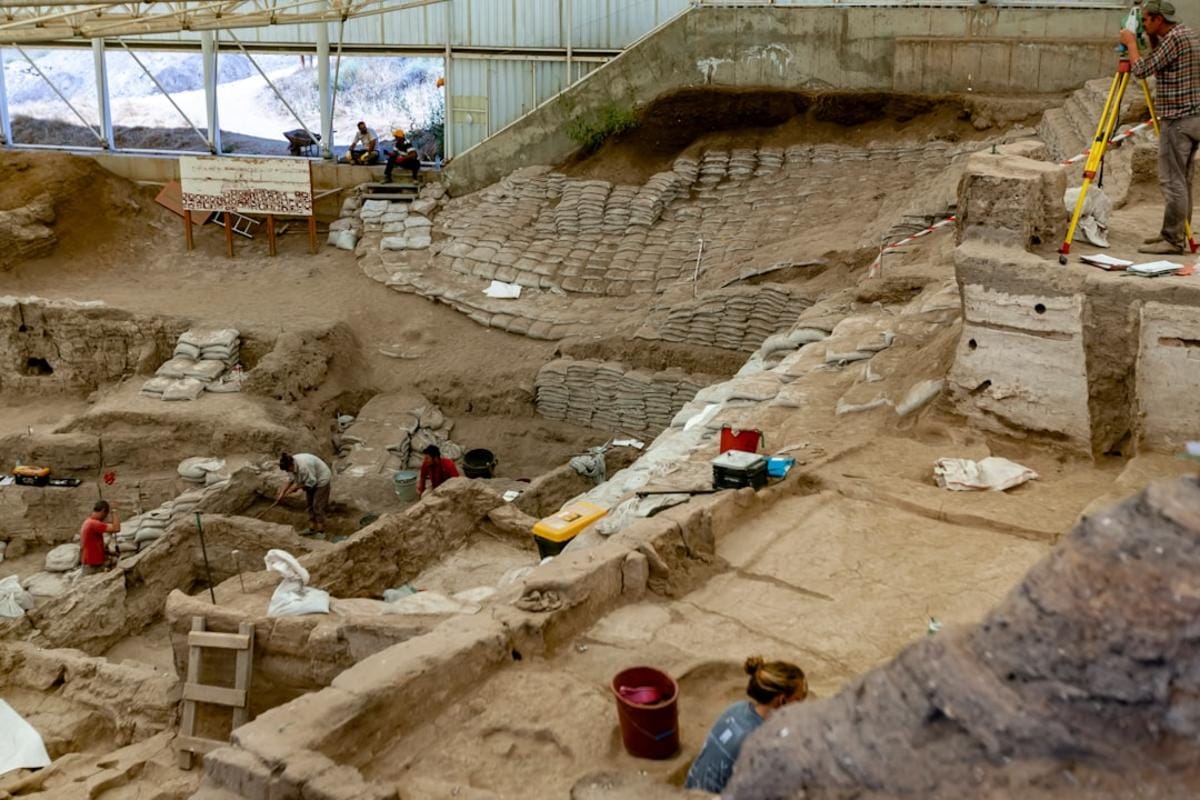
The Taş Tepeler Project and Its Role in Preserving Neolithic Heritage
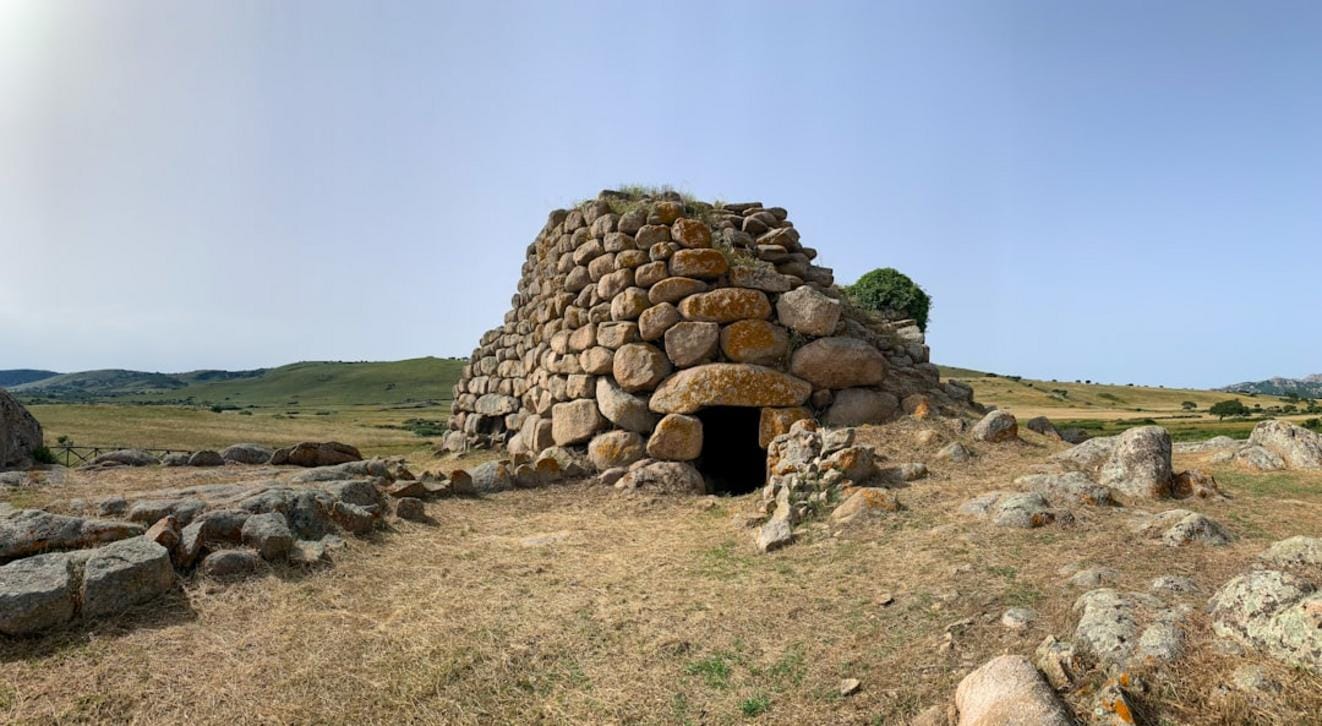
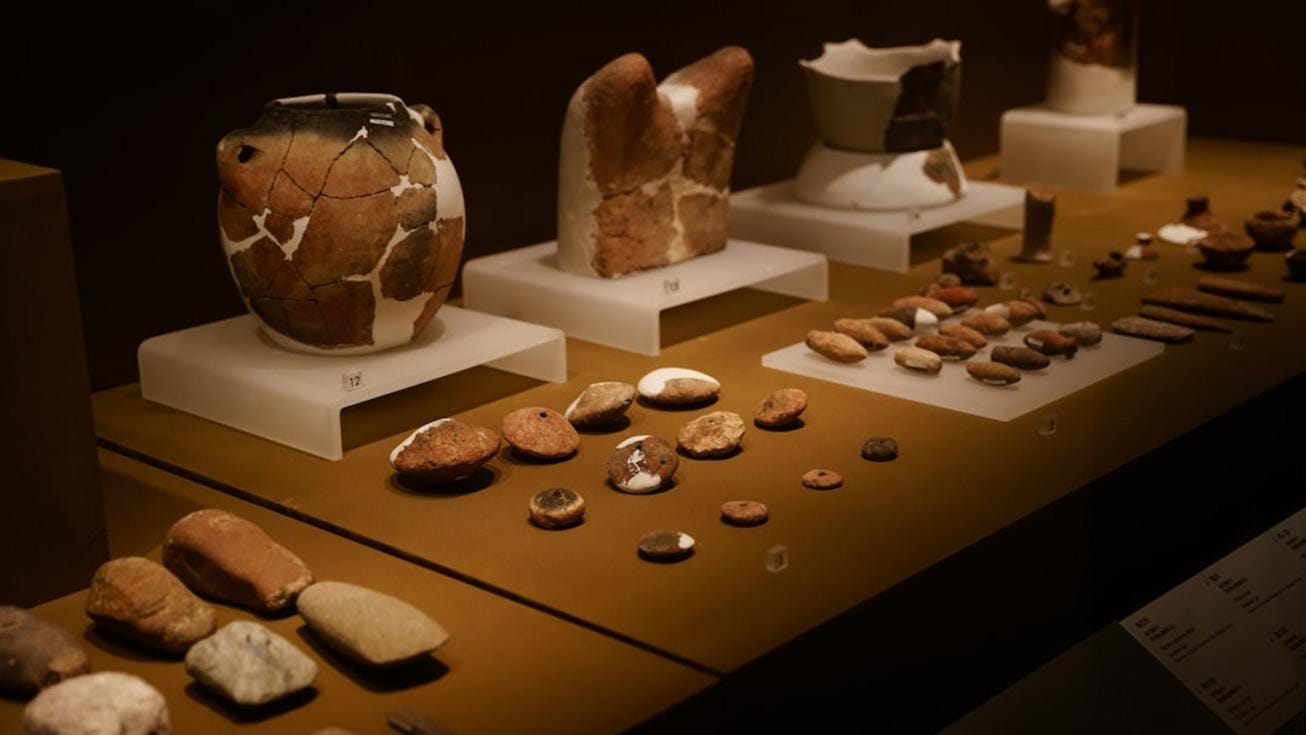
The Taş Tepeler project emerges as a groundbreaking initiative dedicated to uncovering and showcasing Turkey’s rich Neolithic history. Situated in the landscape where early human settlements thrived, the project offers comprehensive insights through excavations, interactive displays, and educational resources. As one of Turkey’s most significant archaeological endeavors, it helps bridge the gap between ancient artifacts and contemporary understanding, emphasizing the importance of safeguarding these invaluable remnants of our distant past. Visitors can explore reconstructed tools and structures, gaining a tangible connection to early human life. Moreover, the project places a strong emphasis on research, curating a detailed collection of artifacts like stone tools, pottery shards, and early farming implements that tell stories thousands of years old. By fostering appreciation and awareness, the Taş Tepeler project plays a vital role in preserving cultural heritage and inspiring future generations to learn about human history.
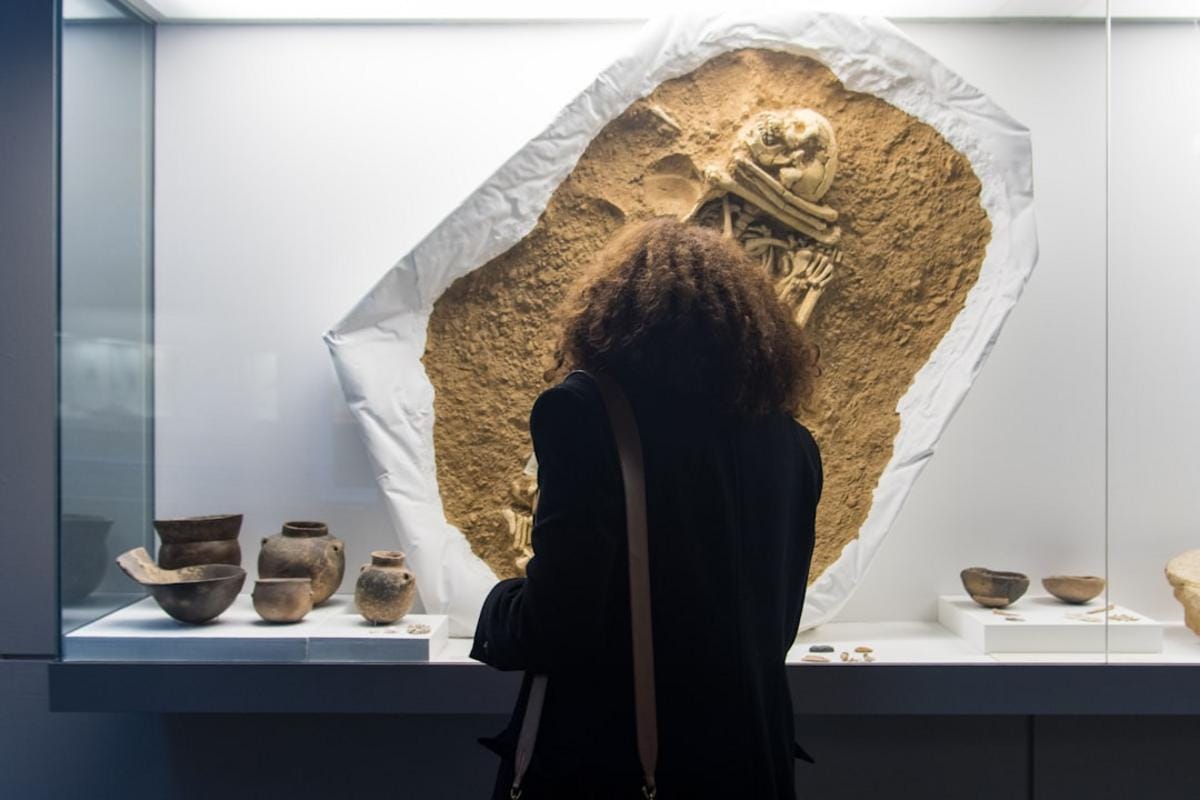
Bringing the Past to Life with Educational Resources and Cultural Displays
One of the most compelling aspects of the Taş Tepeler project is its commitment to making the ancient world accessible and engaging for diverse audiences. Through well-curated exhibitions, interactive exhibits, and detailed educational materials, visitors—whether students, scholars, or casual enthusiasts—can delve into the depths of Neolithic life. The project offers a range of resources including guided tours, virtual reconstructions, andFact sheets that illuminate how early humans developed agriculture, constructed their homes, and crafted tools that enabled survival and societal progress. Special workshops and cultural displays focus on Neolithic art forms, storytelling traditions, and ancient crafts, allowing visitors to engage creatively with this remarkable period. By fostering curiosity and understanding, the project actively contributes to the preservation of cultural heritage and helps keep the stories of our ancestors alive for future generations.
Innovative Pop Culture Products Inspired by the Neolithic Period
In addition to archaeological exploration and educational efforts, the Taş Tepeler project has pioneered a range of innovative products designed to spark curiosity and appreciation for the Neolithic era. Among these are educational toys and games modeled on ancient tools and primitive technology, which serve as fun and tactile learning aids for children and adults alike. These incorporate authentic design elements, blending history with play to cultivate early interest in archaeology and anthropology. Furthermore, a collection of Neolithic-inspired novels and literature is available, weaving narratives around ancient human life and societal development. Gift options such as reproductions of stone tools, pottery, and jewelry make excellent souvenirs for cultural enthusiasts and collectors. These products foster a deeper emotional connection to the past, ensuring that the stories of early humans are accessible and memorable for audiences worldwide.
Conclusion The Significance of Connecting with Our Ancient Heritage
Exploring the Neolithic era through projects like Taş Tepeler enriches our understanding of human innovation and societal evolution. This period was the turning point where human ingenuity laid the groundwork for the complex civilizations that followed. From the development of tools to the establishment of settled communities, early Neolithic societies developed cultural practices and technological advancements that continue to influence our world today. The Taş Tepeler project exemplifies how careful preservation, research, and public engagement can keep this vital chapter of history alive. For enthusiasts, scholars, and curious minds, it provides a rewarding journey into our shared past, emphasizing that our cultural roots are deeply embedded in the innovations and resilience of our ancient ancestors. Connecting with this heritage fosters appreciation, respect, and a sense of continuity that is fundamental to modern identity.