Discovering the Roots of Human Innovation Through the Neolithic Era and the Taş Tepeler Project
Understanding the Significance of the Neolithic Era in Human History
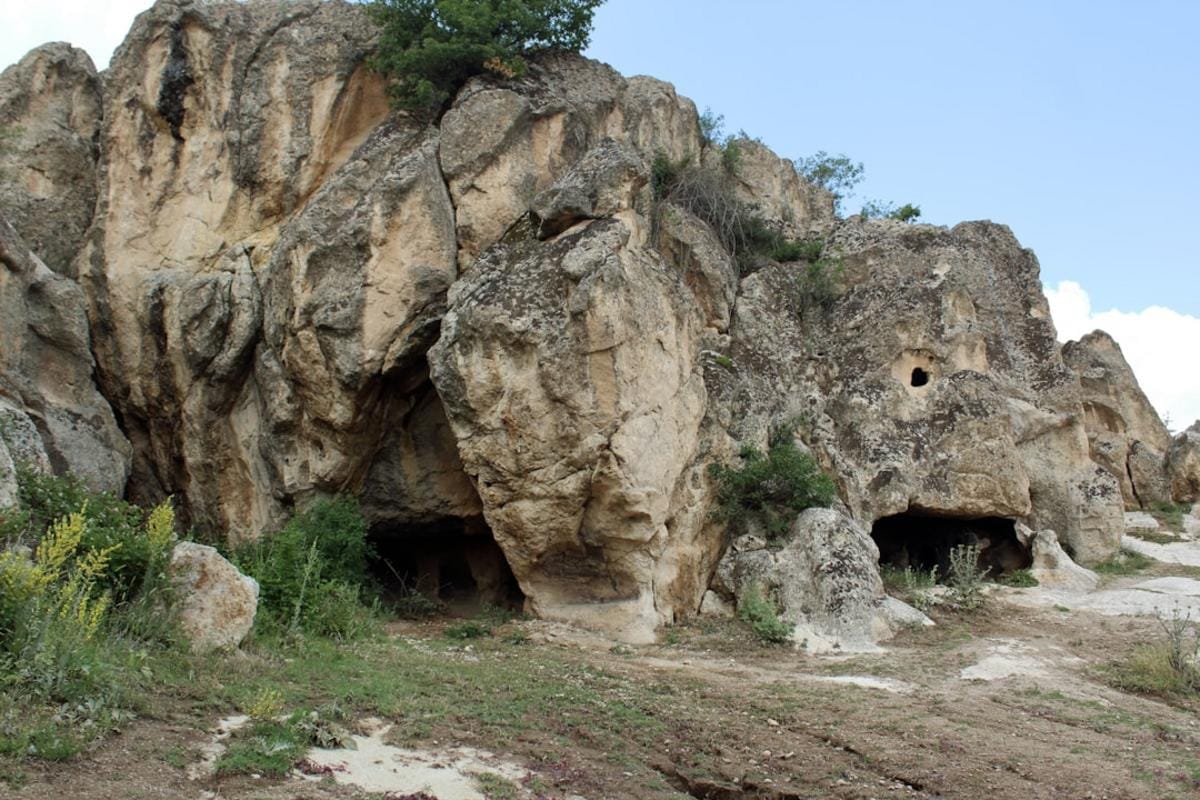
The Neolithic era, also known as the New Stone Age, marks a revolutionary period in human history where early humans transitioned from nomadic hunter-gatherers to sedentary agricultural communities. This pivotal shift involved the domestication of plants and animals, the development of early farming techniques, and the establishment of permanent settlements which laid the foundation for modern civilization. The period, dating roughly from 10,000 to 4,500 BCE, is characterized by technological innovations such as polished stone tools, pottery, and the earliest forms of architecture. For enthusiasts and scholars alike, understanding this epoch is key to grasping how human ingenuity shaped societal structures and cultural practices that persist today. Sites from this era, particularly in Turkey—home to some of the earliest settlements—offer invaluable insights into technological advancement and community organization. The evolution from simple tools to complex societal patterns illuminates the ingenuity and resilience of early humans, emphasizing their vital role in cultural heritage. Recognizing this period's importance involves exploring artifacts, settlement patterns, and innovative techniques that reflect humanity’s earliest steps toward civilization.
The Taş Tepeler Project and Its Role in Educational and Cultural Revival
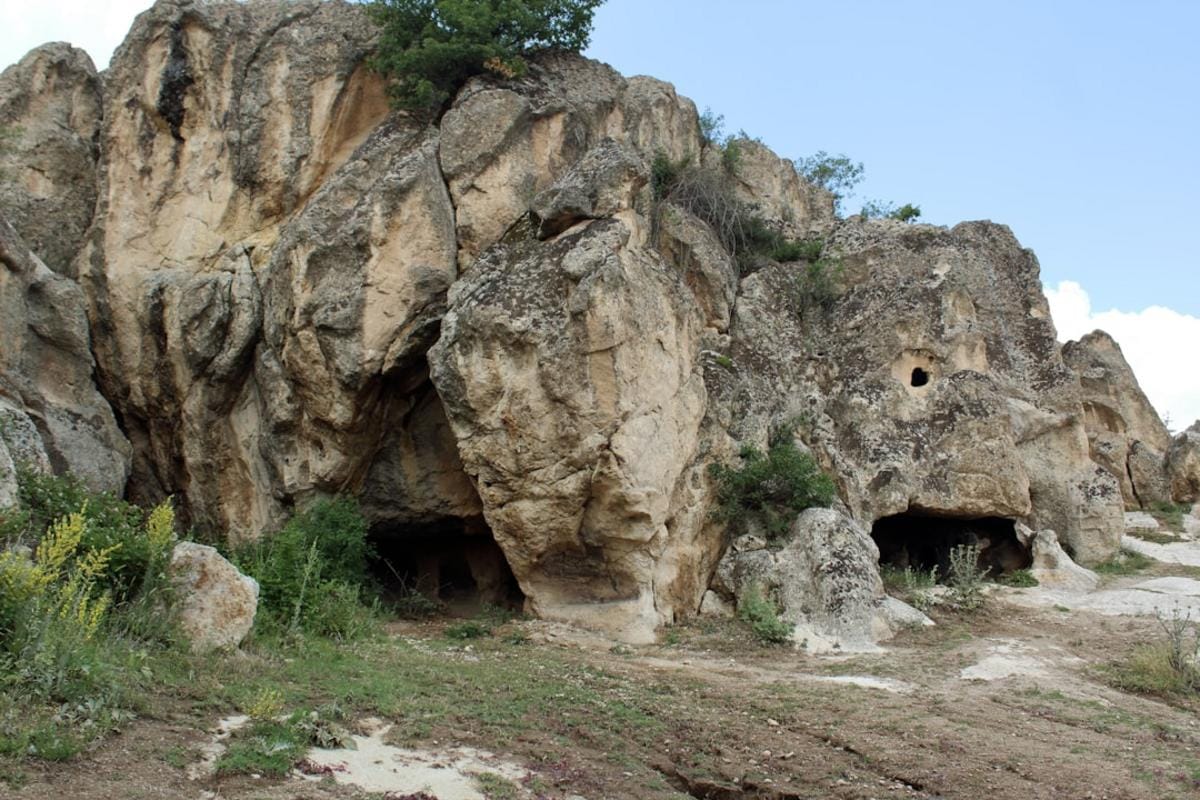
The Taş Tepeler project stands as a groundbreaking initiative dedicated to preserving and promoting Turkey’s rich Neolithic heritage through comprehensive educational resources and cultural displays. This innovative project offers an immersive experience for visitors, scholars, and history enthusiasts by providing detailed reports on archaeological excavations, artifacts, and ancient tools unearthed from early settlements. The project emphasizes the importance of engaging educational materials that make the ancient period accessible and captivating for a wide audience. Featured items include reconstructed Neolithic tools, virtual tours of archaeological sites, and interactive displays that bring the past to life. Importantly, the project bridges the gap between scholarly research and public knowledge, fostering appreciation for Turkey’s crucial prehistoric contributions. For those passionate about cultural preservation, the Taş Tepeler initiative also offers curated gift options, including replicas of ancient artifacts, educational toys inspired by Neolithic themes, and books that delve into prehistoric lifestyles, ensuring that interest in this remarkable era continues to grow and inspire future generations.

Innovations and Artifacts from the Neolithic Period and Their Modern Influence
Neolithic innovations include some of the earliest examples of tool craftsmanship, pottery, and even early forms of symbolism and artistic expression. These artifacts reveal a sophisticated understanding of material properties and practical application, such as polished stone tools used for farming, hunting, and building. The discovery of painted pottery and statuettes indicates not only functional craftsmanship but also a budding sense of aesthetic and spiritual expression. Today, these innovations continue to influence modern cultural and technological developments. The design principles behind Neolithic tools inspire contemporary craftsmanship and educational models, while their artistic motifs influence modern art and symbolic representations. The Taş Tepeler project highlights these connections through curated exhibits and educational programs that emphasize how early innovations laid the groundwork for complex societies and technological progress. Recognizing these artifacts fosters a deeper appreciation for human creativity and resilience, illustrating how ancient innovations have evolved into the foundations of modern culture and technology.