Discovering the Roots of Human Life Through the Taş Tepeler Neolithic Heritage Project

Unveiling Humanity’s First Agricultural Societies and Their Ancient Legacy
The Neolithic era, often called the New Stone Age, marks a revolutionary period in human history when our ancestors transitioned from nomadic hunter-gatherers to settled agricultural societies. This shift, which began around 10,000 years ago in regions like Anatolia, laid the foundation for modern civilization. The Taş Tepeler project encapsulates this transformation, shining a light on the earliest evidence of farming, domesticating animals, and constructing permanent dwellings. The site, featuring wide settlements and sophisticated tools, reflects an era of innovation and societal organization that laid the groundwork for future developments in human culture. Scholars studying this period gain insights into early community building, resource management, and technological advancement that continue to influence modern societies. By understanding how these ancient people cultivated fields, created pottery, and built communal spaces, we see the roots of contemporary cultural identity and societal structure. Additionally, the archaeological discoveries housed in the Taş Tepeler site provide valuable context for how agriculture reshaped human interactions, economy, and environment, offering a unique window into the first steps toward civilization. This period fundamentally changed the way humans interacted with their environment, advancing from simple survival to complex societal systems. Exploring these ancient innovations helps us appreciate the ingenuity that shaped human history and culture at a pivotal moment in our collective story.

The Significance of Archaeological Discoveries at Taş Tepeler and Their Role in Cultural Heritage
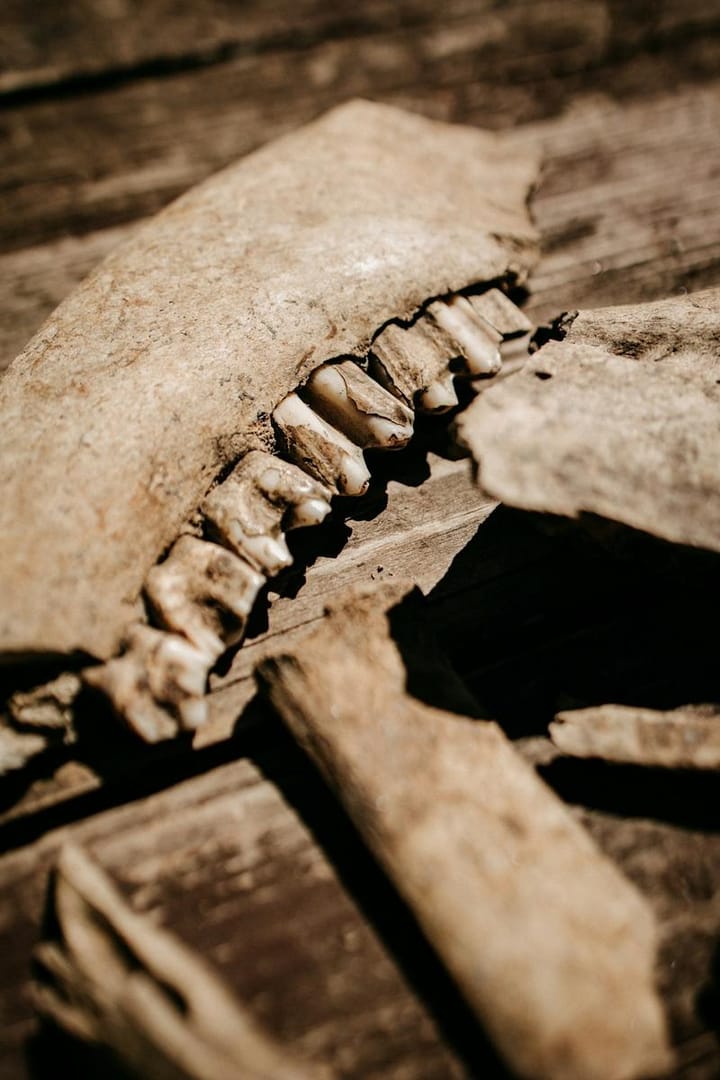
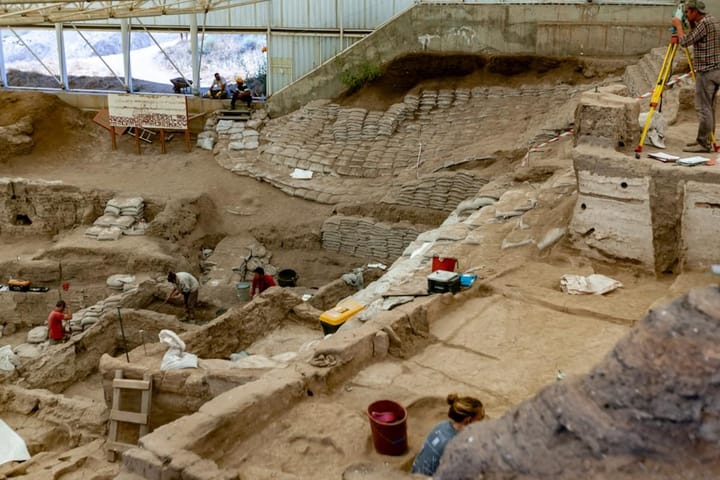
The Taş Tepeler project is a treasure trove for archaeologists and history enthusiasts, offering deep insights into the Neolithic period through a rich collection of artifacts, tools, and remnants of early settlements. These discoveries help piece together how ancient communities lived, worked, and developed technologies to cope with their environment. The project’s meticulous excavation work has unearthed tools made from polished stone, bone implements, and early domesticated animal remains, all of which reveal the ingenuity and adaptability of Neolithic people. These artifacts are not just relics but serve as critical pieces in understanding technological evolution and societal organization during this transformative era. The ecological context provided by these findings illustrates how early societies managed natural resources and established sustainable practices. What makes Taş Tepeler particularly compelling is its ability to preserve these fragile artifacts, offering a tangible connection for visitors and scholars to the dawn of human civilization. As a UNESCO-recognized site, it promotes cultural preservation and heritage awareness, reminding us of our shared history and the importance of safeguarding archaeological treasures. The insights gleaned here continue to influence current archaeological methodologies and cultural preservation efforts worldwide. Ultimately, the discoveries at Taş Tepeler forge a stronger understanding of the origins of human ingenuity and social organization, cementing this site as a key piece in the story of human development.
Innovative Educational Initiatives and Cultural Displays Inspired by Neolithic Heritage
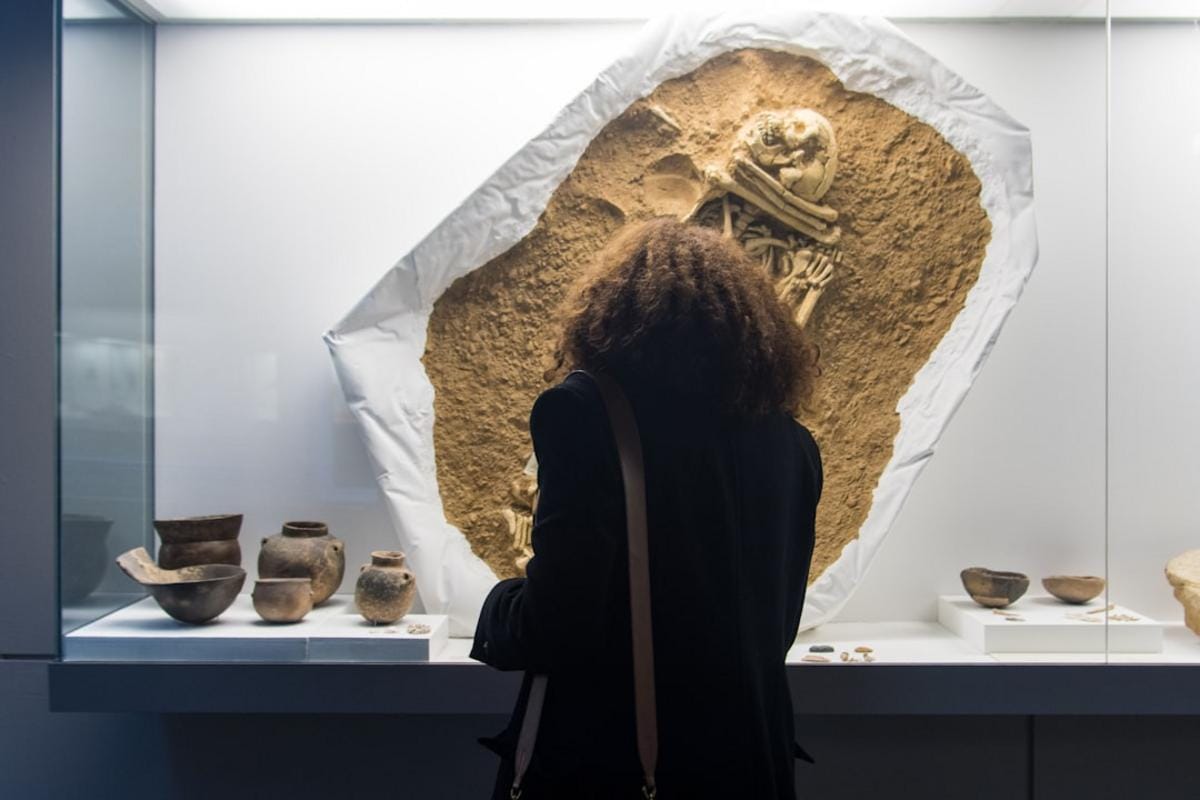
Beyond the archaeological excavations, the Taş Tepeler project is committed to making Neolithic history accessible and engaging for all audiences through a variety of educational programs, interactive exhibits, and cultural displays. Visitors can explore reconstructed Neolithic dwellings and participate in simulated archaeological digs, gaining hands-on experience that bridges past and present. The project also develops educational toys, like miniature tools and model settlements, designed to inspire young minds and foster curiosity about ancient history. Additionally, a series of historical novels inspired by Neolithic themes is available, immersing readers in stories of early human life, societal challenges, and innovations. For those collectors and enthusiasts, exclusive gift items featuring Neolithic art motifs are offered, bridging cultural appreciation with everyday life. The integration of modern technology, such as virtual reality tours of ancient sites, enhances the learning experience, making history truly come alive. These initiatives serve not just to educate but also to preserve and celebrate Turkey’s rich cultural heritage, ensuring its legacy continuously inspires future generations. As we navigate an increasingly digital era, modern educational tools linked to ancient history bolster our understanding and appreciation of early human creativity and social development. Therefore, these efforts reinforce the importance of history education as a vital component of cultural identity and national pride.