France Faces Cultural Backlash as Far-Right Moves to Reshape Artistic Landscape
The Far-Right's Growing Influence Over French Cultural Policy
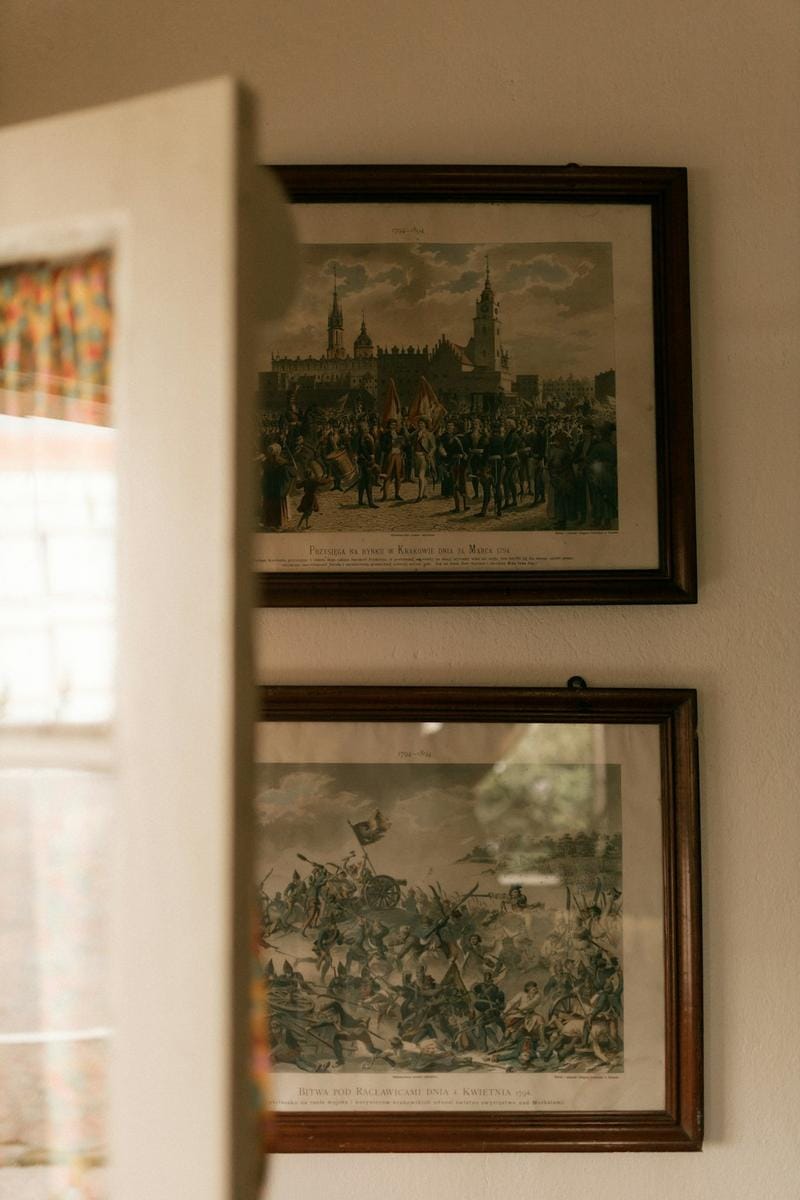
Lately, across borders, France - celebrated worldwide for its deep artistic history alongside lively modern culture - has become caught up in a sharper political struggle shaped by right-wing forces. From within, Marine Le Pen’s National Rally now leads efforts to transform how art, media, and heritage are handled nationwide. Rooted in a romantic yet narrow sense of national self, this drive targets the rich variety of present-day culture. Instead of evolution, it promotes a managed narrative rooted in older images, shaped closely by partisan ideals. France once proudly promoted its tongue, films, and art as quiet influences. Lately, new plans lean toward guarding an idealized past instead of nurturing fresh voices. What drives this push feels obvious on the surface - using culture like a lever to shore up rigid beliefs. That spirit of innovation and risk, long tied to French creative output, now risks being erased.
Proposed Cuts and Their Impact on French Arts and Cinema
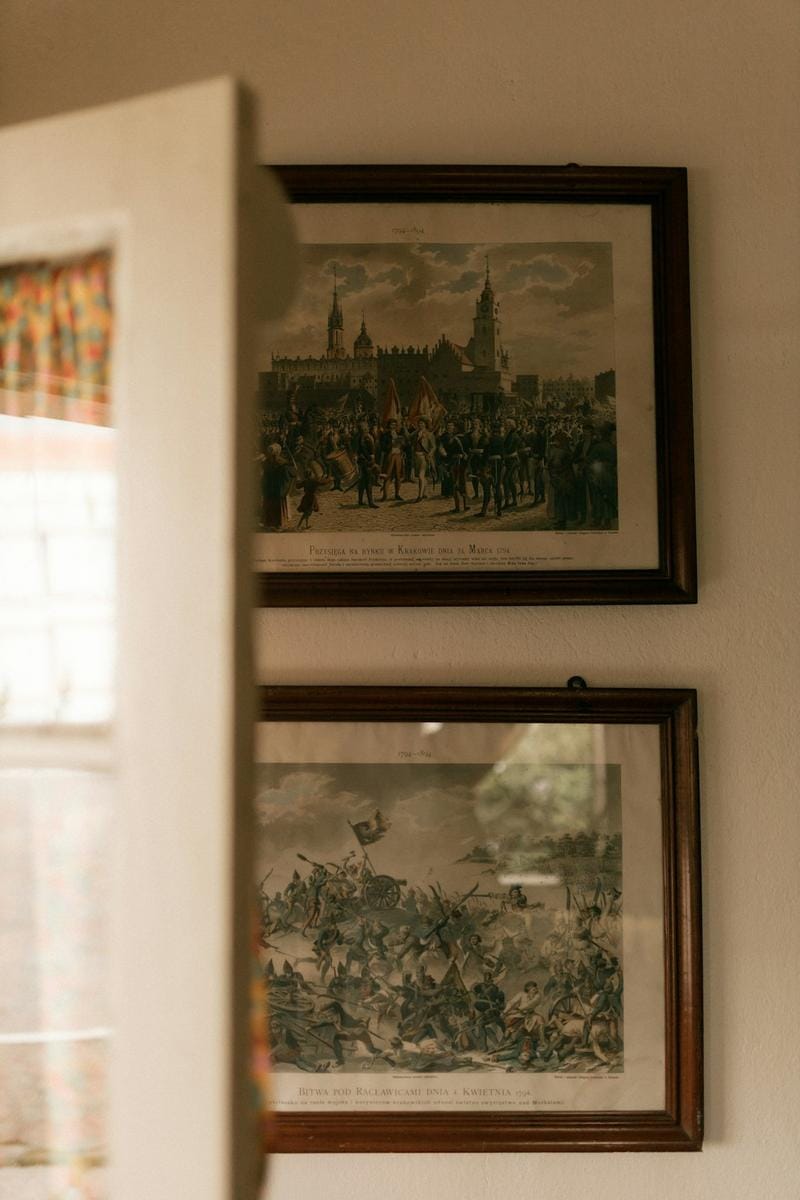
What drives much of the far right’s strategy is a push to shrink money going to organizations long backing French filmmaking, especially the National Cinema Centre. Around €850 million flows each year through these public grants, helping sustain diverse projects like independent movies, docu-series, and avant-garde works. Opponents warn removing aid could slow fresh ideas while weakening France's role on the world's cultural stage. Market ideas now push bigger films instead of small ones, while favoring global shows rather than local stories - this lines up with the push to redirect public money toward national stories. Take moves like ending support for small bakeries or swapping out French songs for American hits: these shake how culture is protected across digital spaces. What drives them isn’t neutrality - it’s a tone that suggests less struggle, less cost, to guard France’s unique artistic voice. What emerges feels less layered, more stripped down, echoing a vision where difference fades into uniformity under state-backed themes.
Heritage Preservation Versus Cultural Dynamism
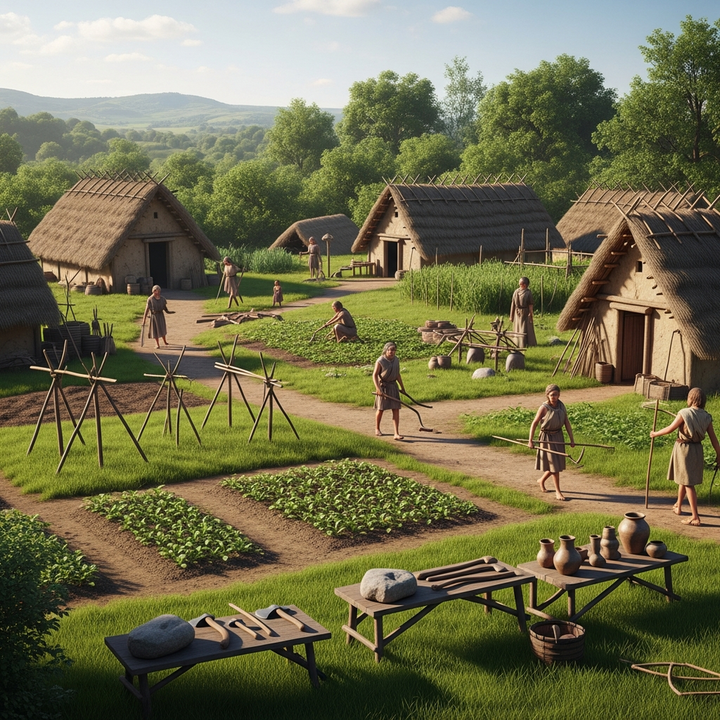
Even so, those who support old-style heritage protection have a point when they highlight why historic structures matter. Still, when extreme right-wing groups take charge, protection can shift toward freezing culture in time. Their plans often lift up medieval fortresses and ancient buildings above modern art or active creative voices. Because of this narrow gaze, France’s sense of self might get stuck in a romanticized era. Real life today moves fast; such rigid views overlook living trends across the nation. Still, shining a light on old bones doesn’t always feed the people alive today. Pushing medieval-style shows like Puy du Fou can quietly erase what already breathes around it. French creativity finds strength in trying different things, yet that spirit stumbles when history gets frozen in place. What works best isn’t picking sides between past and present - it’s letting room for fresh stories too. The direction taken by those leaning on traditional power risks losing those moments that grow naturally beside it.
The Threat to Artistic Freedom and Cultural Expression
What lies ahead could silence voices long trusted in French culture. Moving assets from public media into private hands may narrow who speaks and why. Less money for modern and unconventional art might shrink what gets seen or questioned. Not so long ago, figures such as Picasso and Godard found doors barred by authority. Their early work? Often banned, rarely praised outside borders. Now, tones once bold now risk labeled irrelevant or unpatriot. Control shifts quietly when ideas face stricter gates. What resists erasure often echoes power's shape. What stands out is how far-right efforts to promote a clean, nostalgic image of French life might erase diversity. Instead of encouraging fresh ideas, it leans on old times - this can lead to uniformity. History shows that work surviving usually pushes boundaries; silence or bans rarely last when change feels necessary.
Historical Echoes of Cultural Suppression and Resistance
When France tried to shut down art it didn’t like, rebellion followed - quietly fueling what became its culture. Early rejections, such as Edouard Manet’s painting Le Déjeuner sur l’Herbe, fed arguments about freedom and what people truly hold dear. Even after banning Luis Buñuel’s film L’Âge d’Or in 1930, resistance kept alive questions about limits and courage. Lasting work usually defies banishment; it thrives by questioning where power draws lines. Should power shift toward hardline right-wing leaders, another round of control seems possible. Efforts to limit exposure to new thought or bold creative work might backfire - resistance could grow quietly, through hidden shows or defiant acts. Past patterns show how being shut down has sparked energy instead; force applied out of belief or authority tends to stir defiance. Out of restriction comes something unexpected, reshaping what culture holds and where it leads.