Global Efforts Accelerate to Combat Climate Change Through Innovative Policies

Global Initiatives and Policy Developments Targeting Climate Change
Lately, as climate pressures grow, leaders worldwide have stepped up bold rules to slow warming. Instead of acting alone, countries now tie plans to shared targets like the Paris deal - cutting emissions while shifting energy supplies. What stands out is how tools mix: rules, cash bonuses, and new tech tools push firms toward greener habits. These shifts aren’t isolated - they ripple through economies with different starting points. With climate experts sounding the alarm on rising temperatures, leaders face growing demands for real answers - ways to cut pollution without crashing economies. Powering massive shifts in Germany and China are clean energy drives that quietly prove long-term planning works. What these countries do mirrors a wider truth: tackling planet-wide changes means working together, shaping rules that shift smoothly as science updates and tech advances.

Innovative Strategies and Technologies Leading the Charge
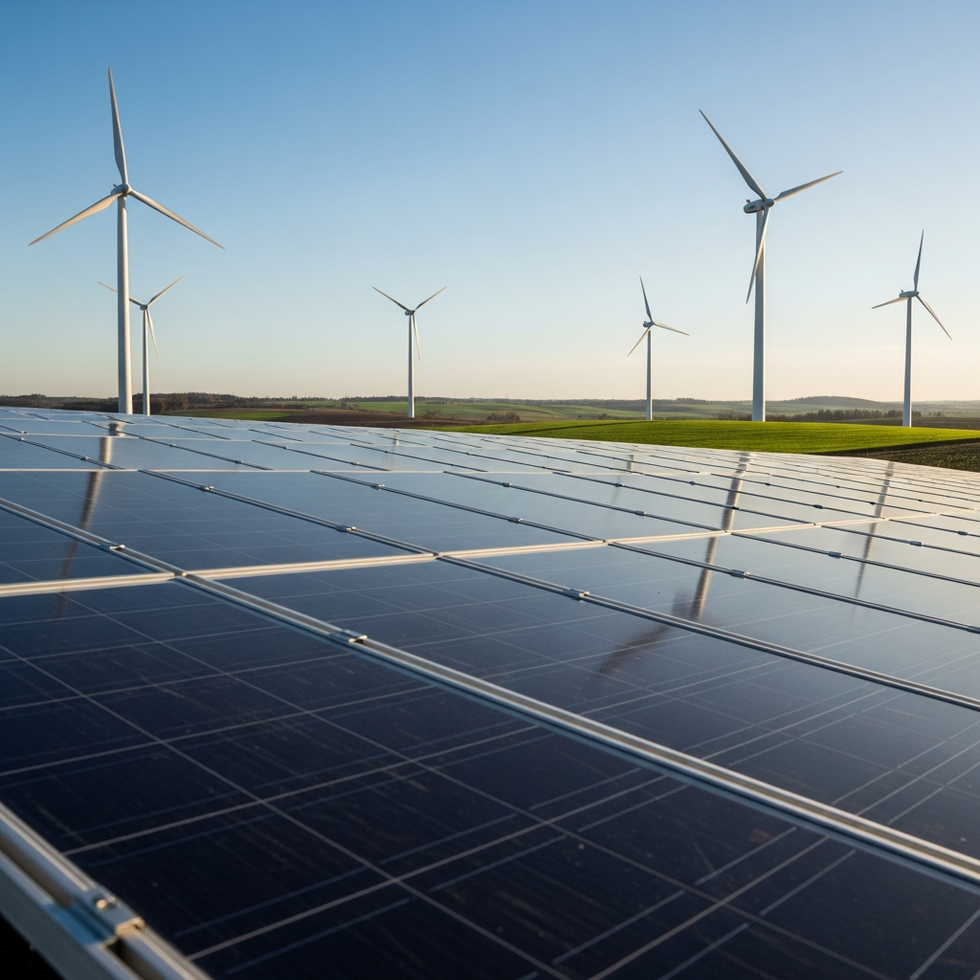
When it comes to fighting climate change, tools beyond rules matter too. New leaps in solar panels, wind machines, and batteries are reshaping electricity sources around the world. Progress here doesn’t happen by chance - firms are pouring money into clean tech, pushing faster moves away from coal and oil. Cycles of making, using, repeating are starting to define industry paths now. Now think about carbon capture - it actually works well when built into factories already running. Instead of reinventing, teams fix existing pollution using underground storage systems. Smart grids do more than track power; they adjust flows in real time thanks to digital tools. Predicting storms gets sharper through artificial intelligence that analyzes weather patterns faster than before. Money for clean projects now flows easier due to instruments such as green bond issuances and dedicated climate funding pools. Startups now team up with big companies to drive fresh clean energy ideas, shaping how markets reward eco-friendly work. These moves together show strong planning - mixing rules, tools, and money - to push faster shifts toward greener systems worldwide.
The Role of International Cooperation in Achieving Climate Goals
What stands out in today’s climate efforts is how much global teamwork matters. Agreements between nations, along with cross-border partnerships, now play key roles because climate issues span borders. The UN-led Framework Convention helps countries talk, agree on duties, and direct aid toward poorer areas hit hardest by changing weather patterns. Take the Global Climate Fund - it helps poorer nations build climate resistance while pushing forward sustainable growth. Look at groups like the European Union’s climate pact too; they show what happens when countries work together on rules; one result? A goal to go fully carbon-free by midcentury. Behind both cases sits a clear truth: climate shifts ignore borders, so answers must cross them too. Without openness, responsibility, and information exchange, global climate initiatives risk falling short. These elements run through every successful step taken so far.