The Rise of Mormon Influencers and Their Impact on American Culture

The New Face of Mormon Culture in the United States
Lately, something big has changed about how Mormonism shows up across U.S. culture, thanks in large part to young online personalities rising from Utah’s tech-hub scene. Once seen only through old stereotypes - like arranged marriages, hidden beliefs, or strict views - the faith now appears differently online, shaped by apps such as TikTok, Instagram, and YouTube. People like Jessi Draper and Hannah Neeleman step into view, living versions marked by business drive, nontraditional choices, even defiance, which stands out heavily from those worn-out portrayals. Out here, online figures aren’t limited to posting daily routines - they push boundaries, question assumptions, while remaking how people see belief, self-reliance, money matters. What unfolds mirrors something deeper across U.S. society: old principles meeting modern shopping habits, social media layers, hinting at deeper acceptance of what Mormonism stands for, still holding tight to its roots.

Economic Boom Fueled by Influencer Culture and Entrepreneurial Spirit
Out in Utah, where online presence matters, followers of Mormon teachings now shape parts of the region’s economy. Home-based parents and digital storytellers help power fresh waves of commercial activity through posts they share daily. Firms such as HydroJug and Swig noticed shifts early - their reach widened fast thanks to loyal follower networks built by influential figures. Growth isn’t rare here anymore; it shows up regularly, fueled by trust built over time. Far from just boosting merchandise earnings, places such as Ballerina Farm now attract visitors from around the world, while new companies pull in massive revenue - hundreds of millions - in early years. Social media personalities share tales of baking bread at home alongside lifestyle choices, shaping how people across the country see economic activity take root in ways both familiar and fresh. What emerges is a system echoing old-style local trade patterns yet powered entirely by online presence, pulling in outsiders just as much as nourishing homegrown efforts.
Lie of the Land and Cultural Rebranding in Utah
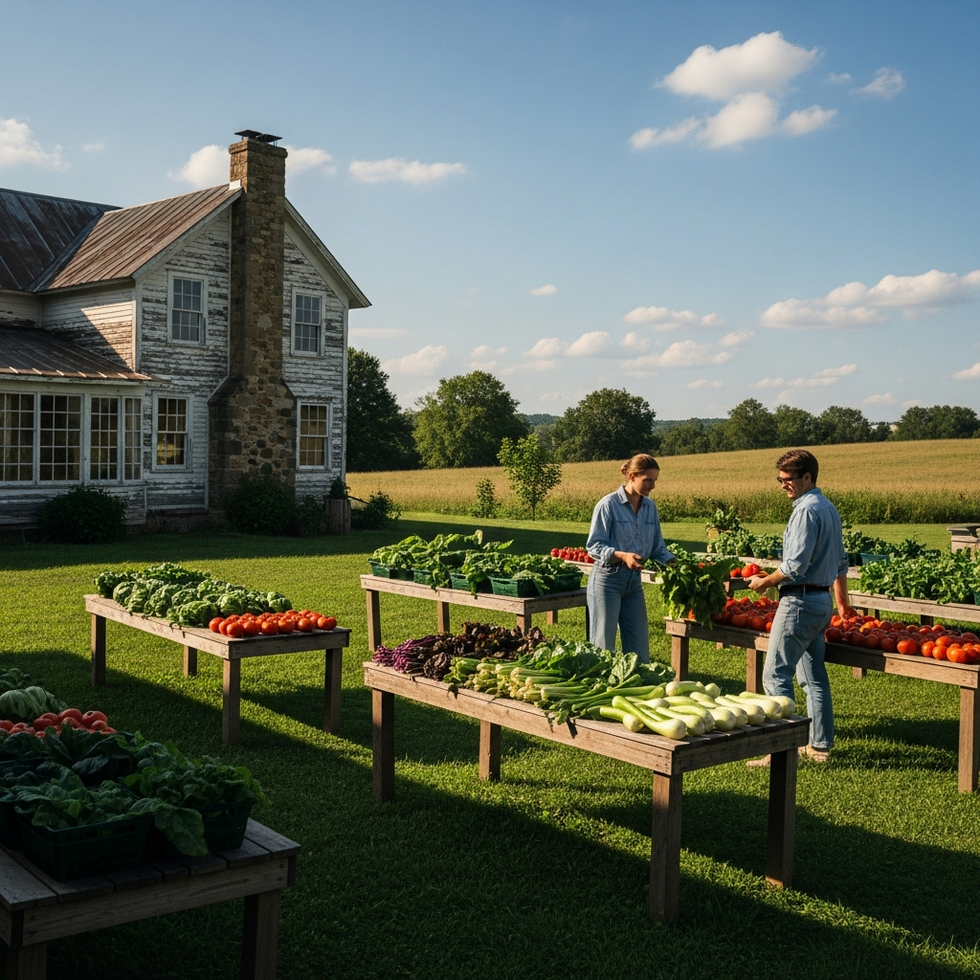
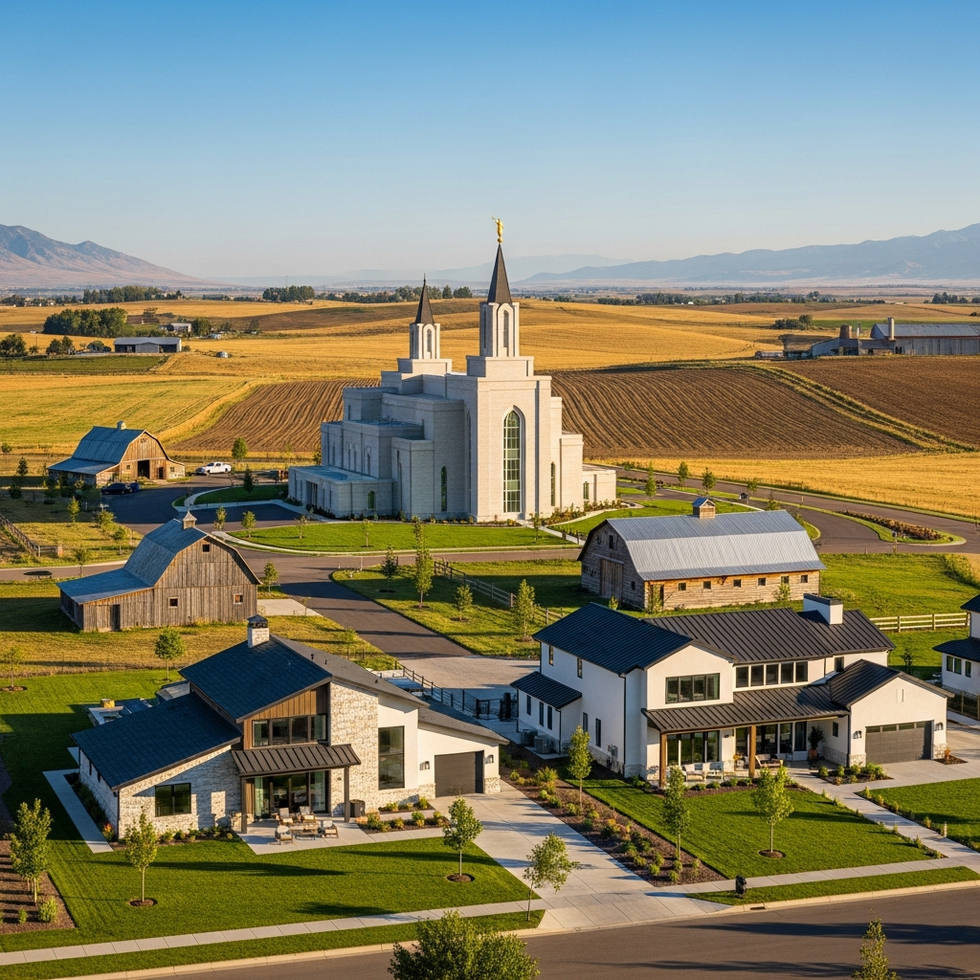
Out in the old Mormon settlements of Utah, something different has taken root. Not just memories remain, but new ways of living that mix long-standing customs with shifting times. People such as Hannah Neelema, living far from city lights on rural land, echo past ideals. These include standing on one's own feet, being close to nature, and choosing quiet existence. Yet these same individuals run online businesses, proof that past values now guide present choices. Across the region, this mix plays out in wider patterns. Tough early survival stories sit alongside today’s fast-paced tech hubs and corporate networks. One doesn’t cancel out the other - they run together. Out in the mountains, fancy online shops and farm tourism spots now thrive, while social media personalities pull big followings. This shift shows how life in Utah moved past tight-knit church circles into something broader - where old customs mix with modern commerce and digital habits. Identity lines are blurring, shaped less by old rules and more by what people hope for today.
Controversies and Challenges within the Mormon Influencer Ecosystem
Even though Mormon influencers now hold significant influence, stirring big changes online, tension still surrounds their world. People such as Heather Gay speak out against parts of the church - calling attention to its rigid gender roles and past harm toward excluded communities. A few among them draw criticism when mixing ancient beliefs with today’s shopping culture, sparking claims that real devotion gets lost or sold like any product. What makes things worse are battles inside the group. Some who left have spoken about hard truths - like problems handling abuse or racism. These stories sometimes get played out on shows like Surviving Mormonism, one of which Gay helps run. On the side, the organization keeps a tight grip on how it talks about social media personalities. That control shows up in court fights about who owns what names and ideas. Still, the ecosystem faces tangled social and ideological issues even as it expands.

Conclusion The Future of Mormon Identity in a Digital Age
Mormon identity keeps shifting as online spaces shape daily life. Young figures now online reflect deeper changes across society - blending belief with today’s world, old ways with money-driven systems, realness and staged moments. Such evolution might let the faith reinvent itself, drawing people in and beyond established church walls. Money shifts and digital reputations reshape influence now - Mormon authority may lean more on wealth than tradition anytime soon. What follows could bring easier inclusion or deeper debate; only time tells. One thing stands clear though: views on belief, home life, and who you are bend slowly under new ground.