The Vital Role of Cultural Heritage in Shaping Global Identity and Sustainability
Understanding the Significance of Cultural Heritage in a Modern World
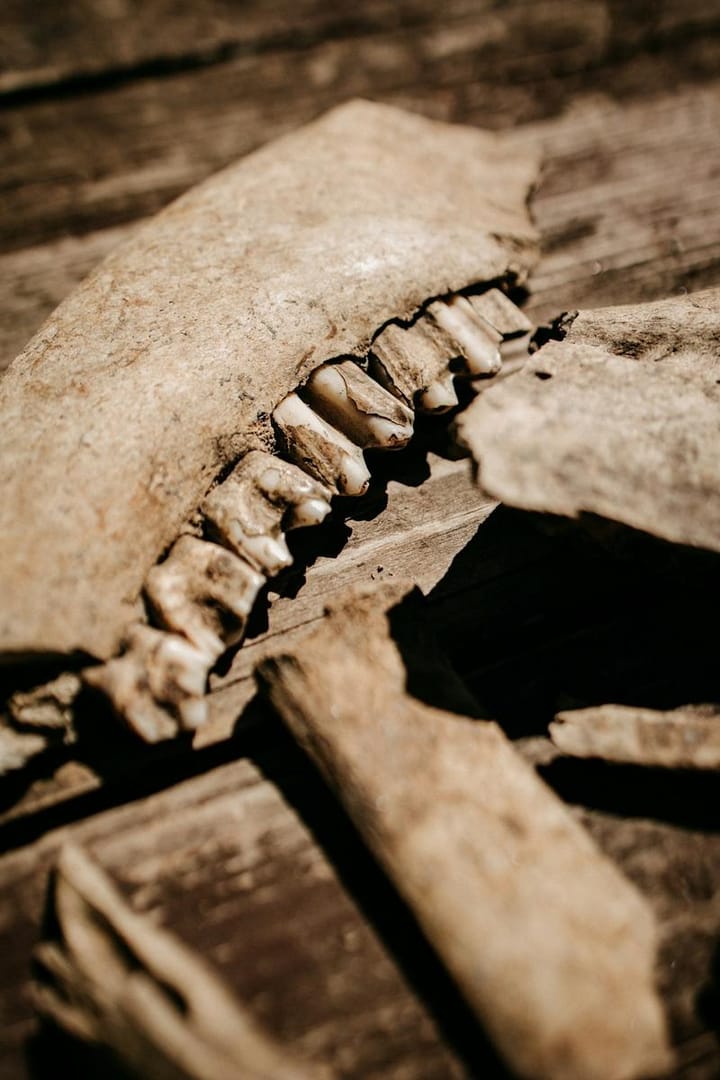
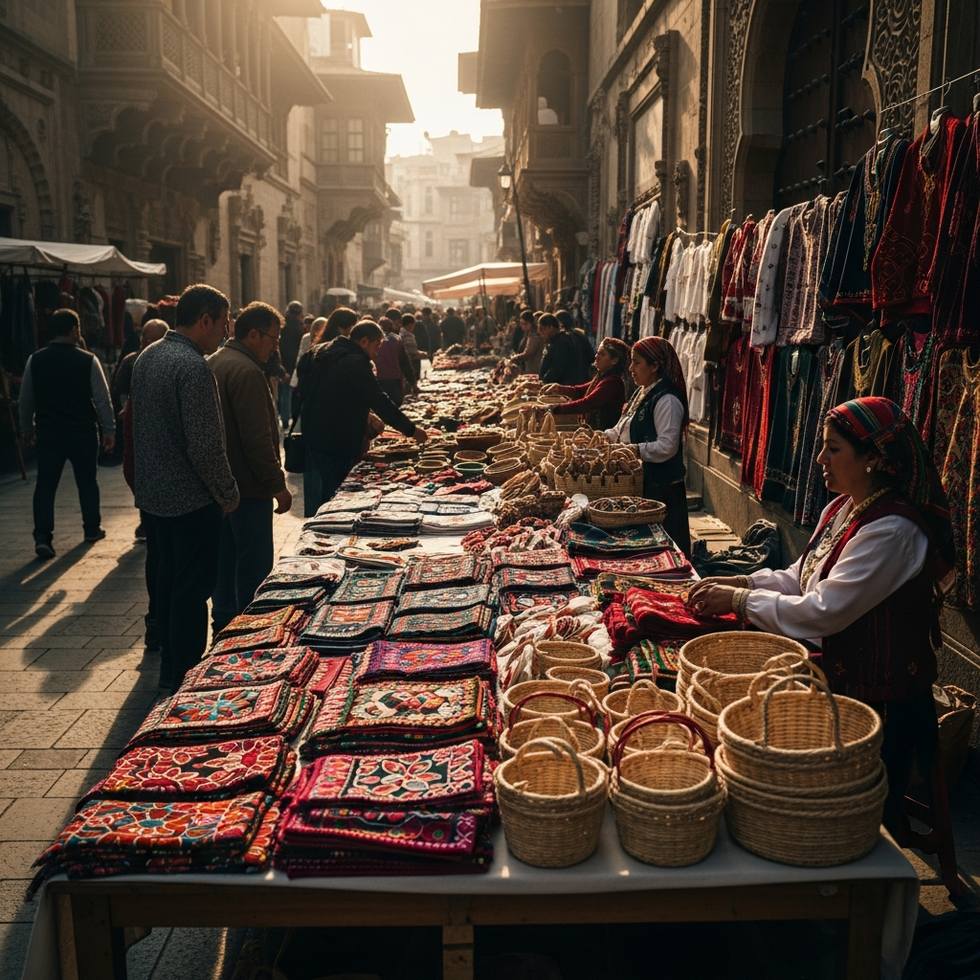
What we inherit from cultures includes customs, buildings, objects, rituals, and ways of life - pieces shaped over time into distinct ways of being. When life moves fast under new technologies and worldwide mixing, holding on to these elements matters more than ever for feeling rooted. This link between old moments and today offers clarity about where things came from, along with appreciation for different paths taken elsewhere. What stands behind heritage - buildings, old items, or even ways people speak and act - tells us much about where humans have been. Protecting these pieces adds richness to how cultures differ, yet also builds bridges across diverse groups living closer together today. Some researchers believe holding on to traditions helps communities stick together, giving rise to stronger senses of self over time, especially when everything around shifts.
The Challenges of Protecting Cultural Heritage in an Era of Rapid Change
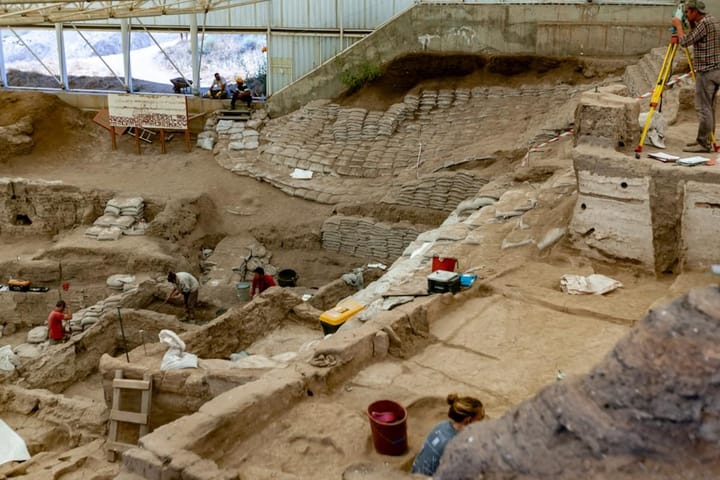
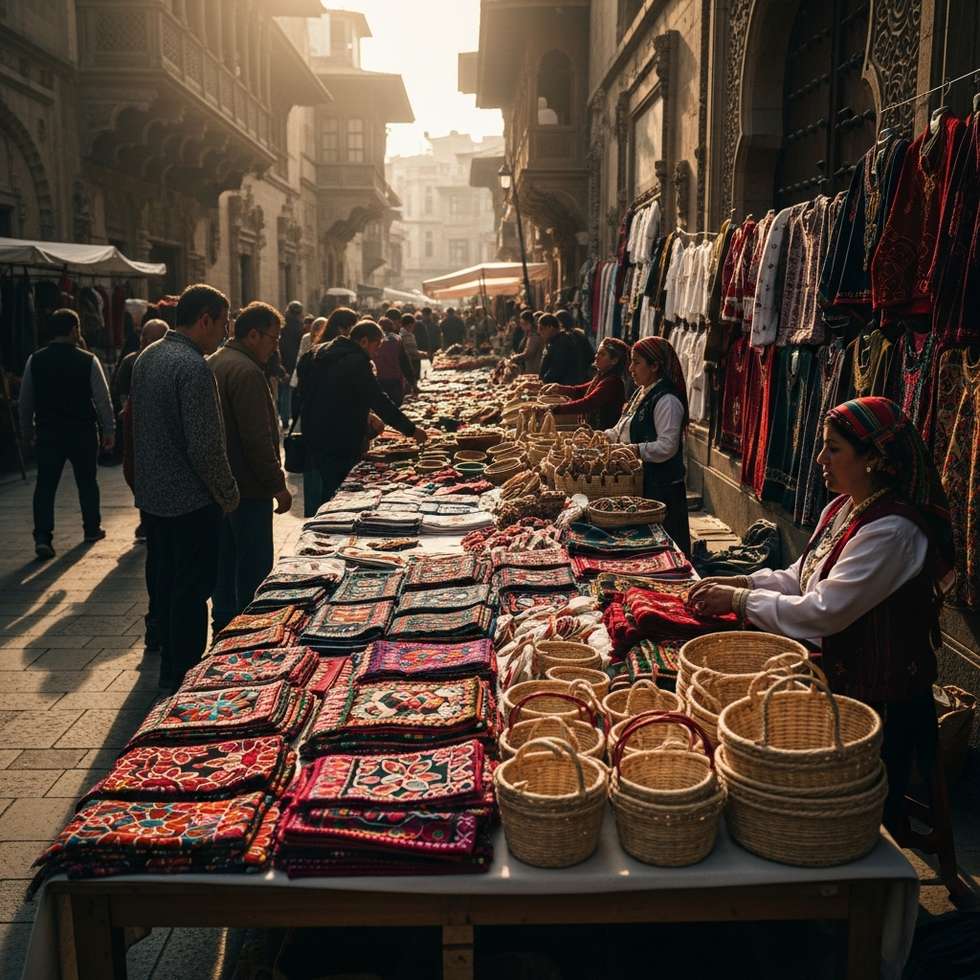
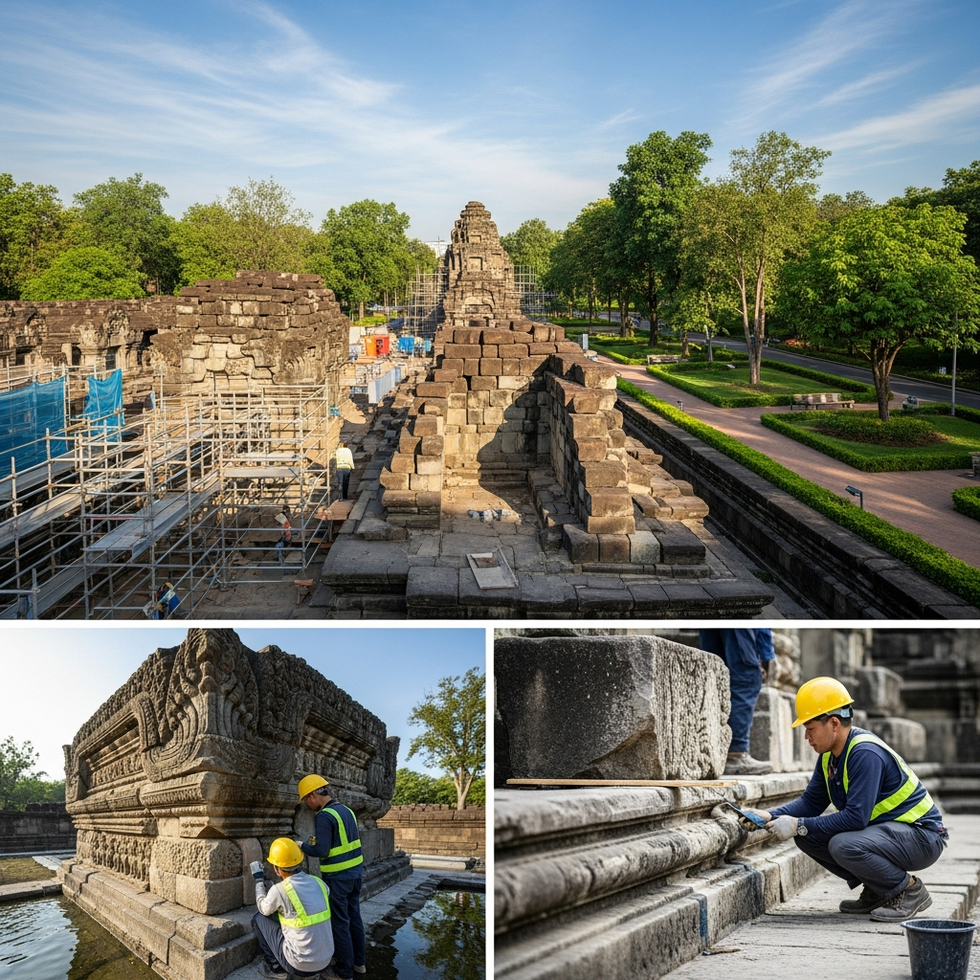
Even though it matters, cultural heritage struggles with dangers now more than ever. As cities grow, wars break out, weather shifts unpredictably, and abandonment rises, damage spreads widely. Old monuments crumble, treasures vanish, because money runs short where politics waver without warning. Faster adoption of digital tools often stirs doubt - is protection really happening, or just profit dressed up? Take how unchecked travel floods sacred spaces, wearing them down in ways that cannot be fixed. Efforts hum along far from the spotlight - groups like UNESCO push steady efforts to mark key heritage points, urge rules that shield history above profit. Yet keeping them safe means working together - locals, officials, international groups, even businesses must join efforts. Projects such as the World Heritage Fund help with money and expertise. Even so, constant watchfulness and real involvement from communities matter most in protecting these sites.
Innovative Approaches to Cultural Heritage Conservation
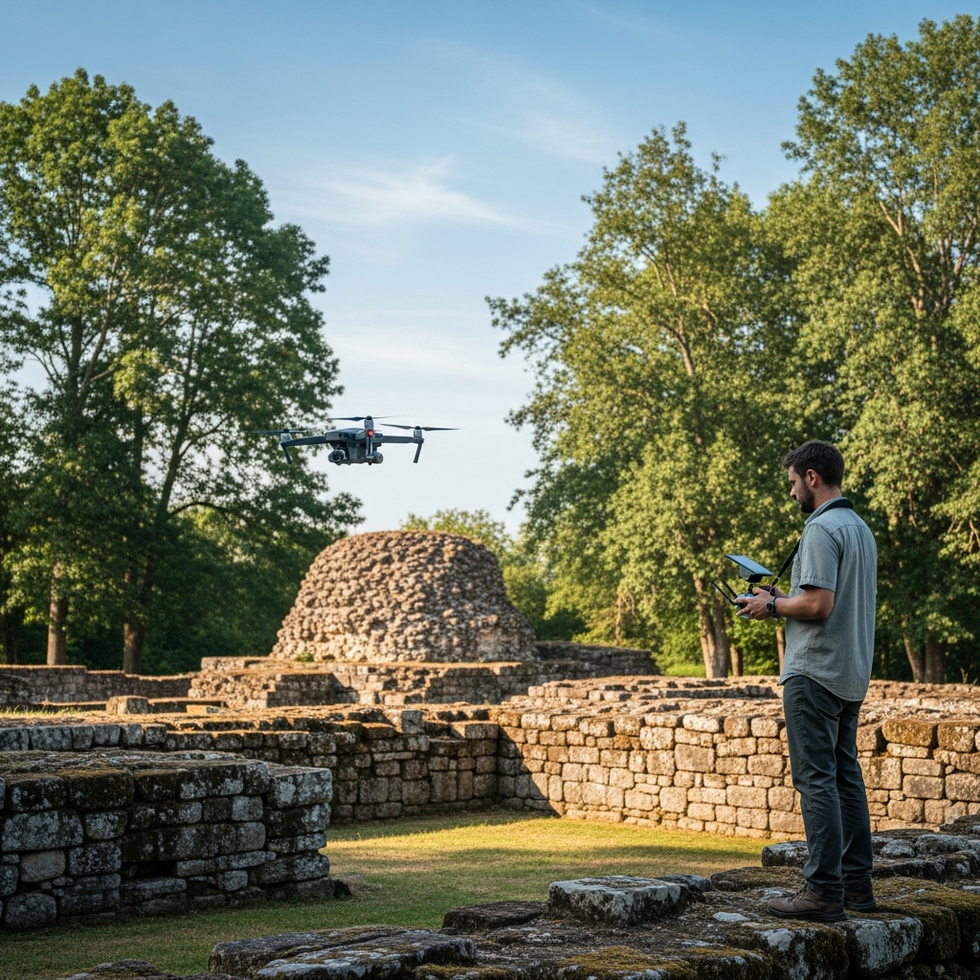
Lately, tech progress has quietly reshaped how we protect and share cultural heritage. Using digital scans, 3D models, or VR brings people deep into lost worlds, capturing fragile places and objects closely. Because of such methods, institutions now track decay over time, test how repairs might work, while also showing collections online across continents. Local groups now take charge of projects that protect cultural sites, making sure traditions fit real lives. When tech firms team up with heritage specialists, fresh tools appear - geospatial grids or drone flyovers - that help find and secure fragile parts of history faster. Surprisingly, online spaces such as social networks grab attention far better than old methods, pulling younger people in with quiet determination. With heritage care shifting forward, blending old wisdom into modern tools might shape lasting systems - real by root, yet smart by design.
The Future of Cultural Heritage and Its Role in Building Global Solidarity
Ahead, culture’s role might shift how people unite across borders while building better futures. With nations linking more tightly, common traditions may help tackle widespread issues like warming climates, gaps between rich and poor, or wars. Programs such as UNESCO’s world heritage city initiative along with work protecting living customs stand at the heart of these efforts. Peace finds strength when cultures share through mutual exchange, using legacy as a bridge across differences. When traditions become part of school lessons or city design, people begin to own them differently. Families who guard their roots during hardship show how memory fuels hope - this is more than preserving old ways, it’s building paths toward common ground. When tech makes cultural understanding more shared, each person helps guard its value across generations.