Unearthing Humanity's Past Through Innovative Archaeological Discoveries
The Evolution of Archaeological Techniques and Their Impact on Cultural Heritage
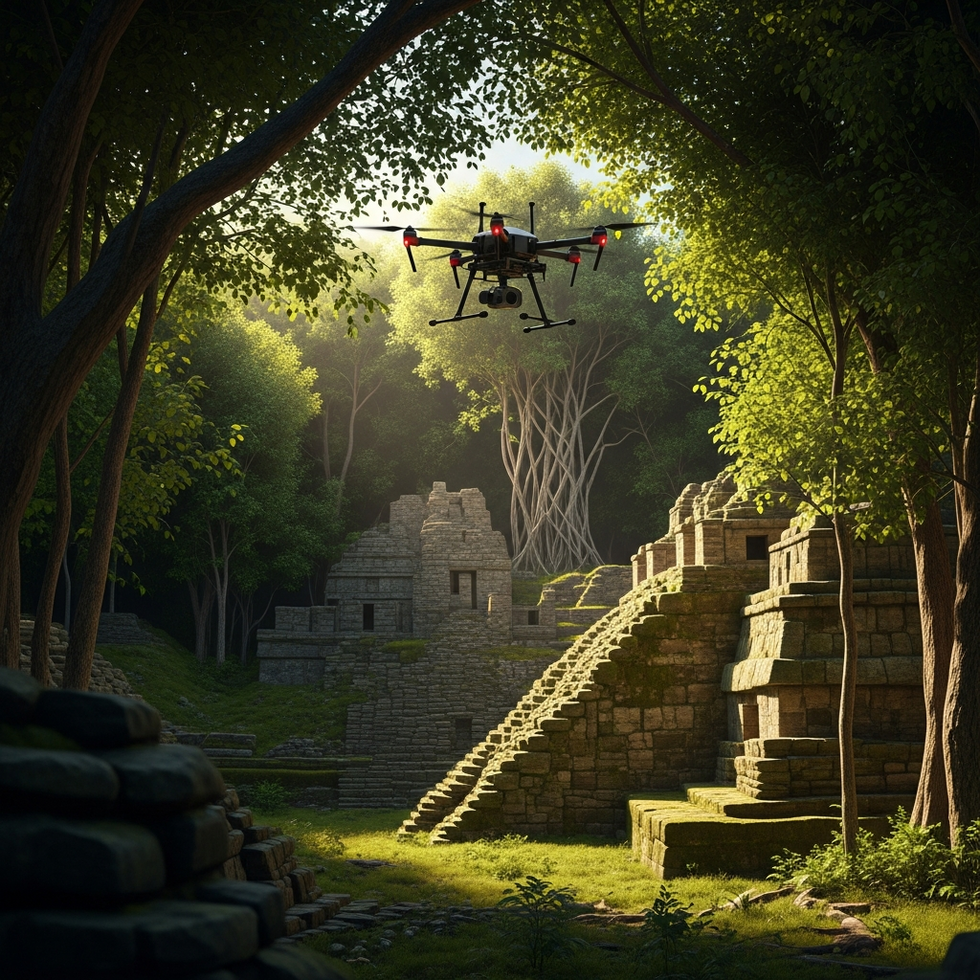
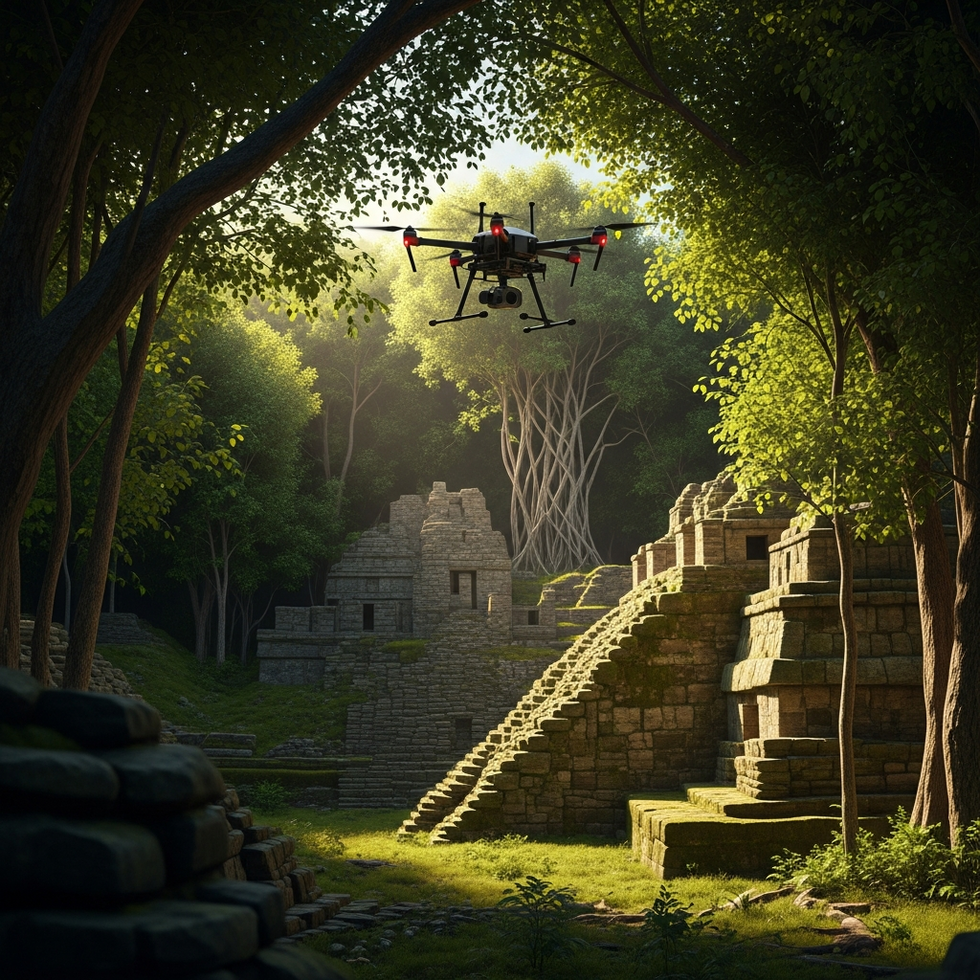
Lately, archaeology has changed quite a bit due to better technology giving researchers new ways to discover old places without damaging them. Old methods still matter yet sometimes destroy delicate remains or layer patterns underground. Now people use things like radar scans, high-tech laser imaging, and detailed digital models to spot hidden ruins and past communities much more accurately than before. What stands out is how these methods protect archaeological areas while still helping scientists find buried evidence - some things simply slip through the ages. Take LiDAR - it revealed entire hidden cities deep in Central American rainforests, where dense foliage made them invisible from the sky. Suddenly, pieces of Mayan life emerge that were unknown just decades ago. With every new tool, time itself grows clearer, showing layered communities and traditions woven into centuries of human experience.
Discoveries That Challenge Our Understanding of Ancient Civilizations
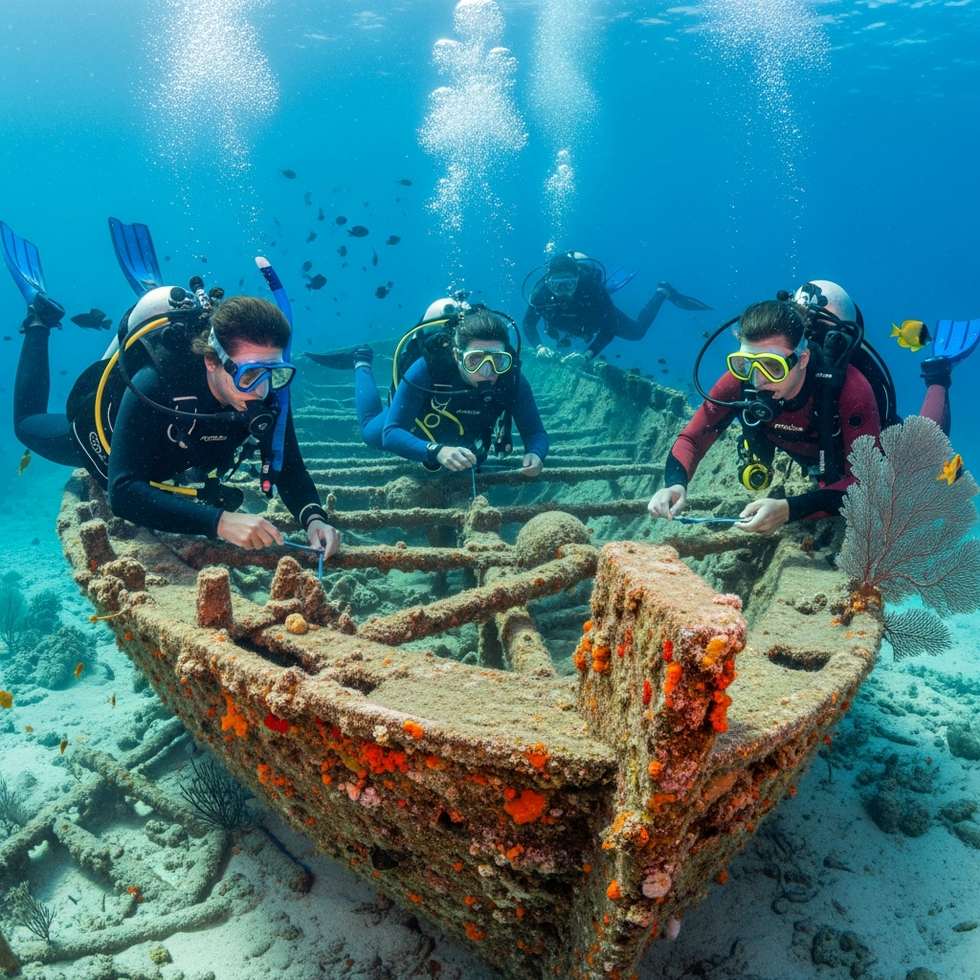
Fresh digs by archaeologists unearth secrets shaking up old ideas on where civilizations began. Take Göbekli Tepe in Turkey - its timeline stretches around 9600 BCE. Well before any stone Neolithic homes rose, this place stood tall. Evidence points to organized groups, beliefs, large-scale building - all way before experts believed possible. Finds like these are changing how we see the beginning of large religions and social ranking. Shipwrecks found near Egypt, along with underwater villages hidden in the Mediterranean, offer fresh clues on old trade paths, sea travel tools, and contact among various peoples. Because of these revelations, experts dig into fresh versions of ideas about community growth, movement of groups, and sharing of cultures - showing history isn’t fixed, it keeps shifting.
The Role of Digital Archives and Public Engagement in Preserving the Past
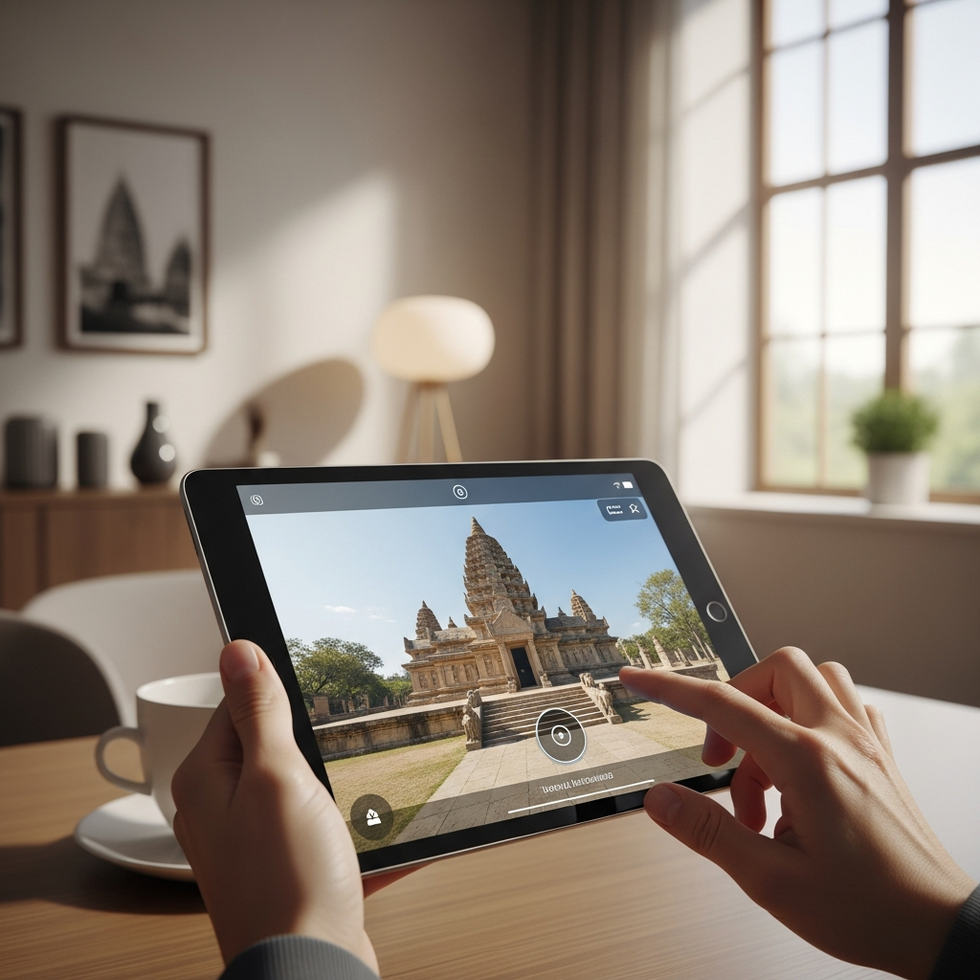
When digging into ancient remains, keeping records online makes sense. Instead of storing files locally, teams now share them across networks. Looking at old structures through virtual models helps people learn without touching fragile pieces. Projects such as the global library site give researchers a space to connect and compare notes. Sometimes, simply having access from anywhere changes how fast ideas spread between experts. Using online platforms and digital visits, towns can draw neighbors into learning about shared history - making people care more about what's being lost. Imagine someone far away stepping inside an old ruin using a headset; such moments let curiosity travel where books alone cannot go. Not every visitor carries a diploma, yet each one helps spread why these places matter - beyond lectures or textbooks. When regular folks share what moves them, others tend to pay attention too.