Unearthing Humanity's Past Through the Science and Art of Archaeology
The Role of Archaeology in Connecting Us to Ancient Civilizations
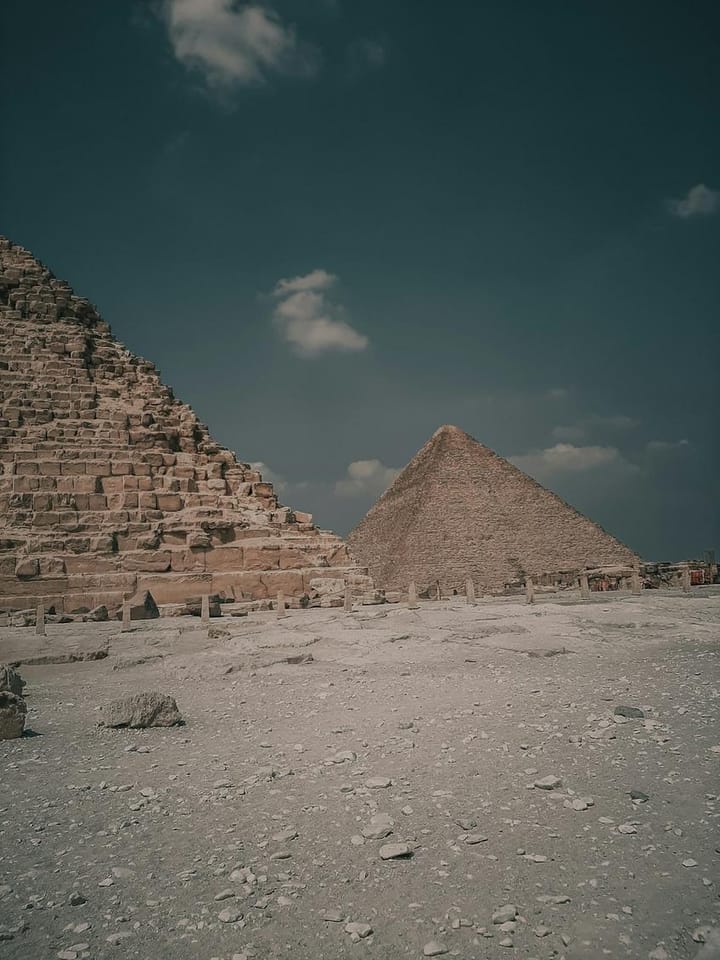
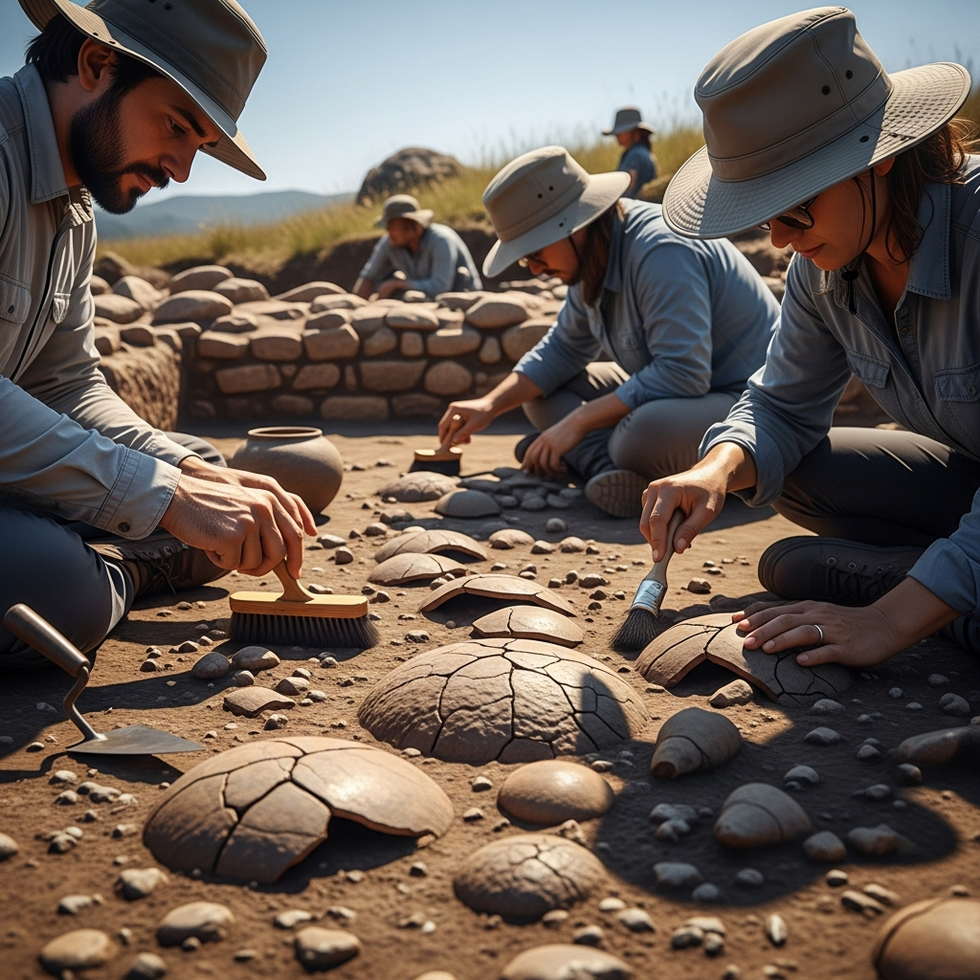
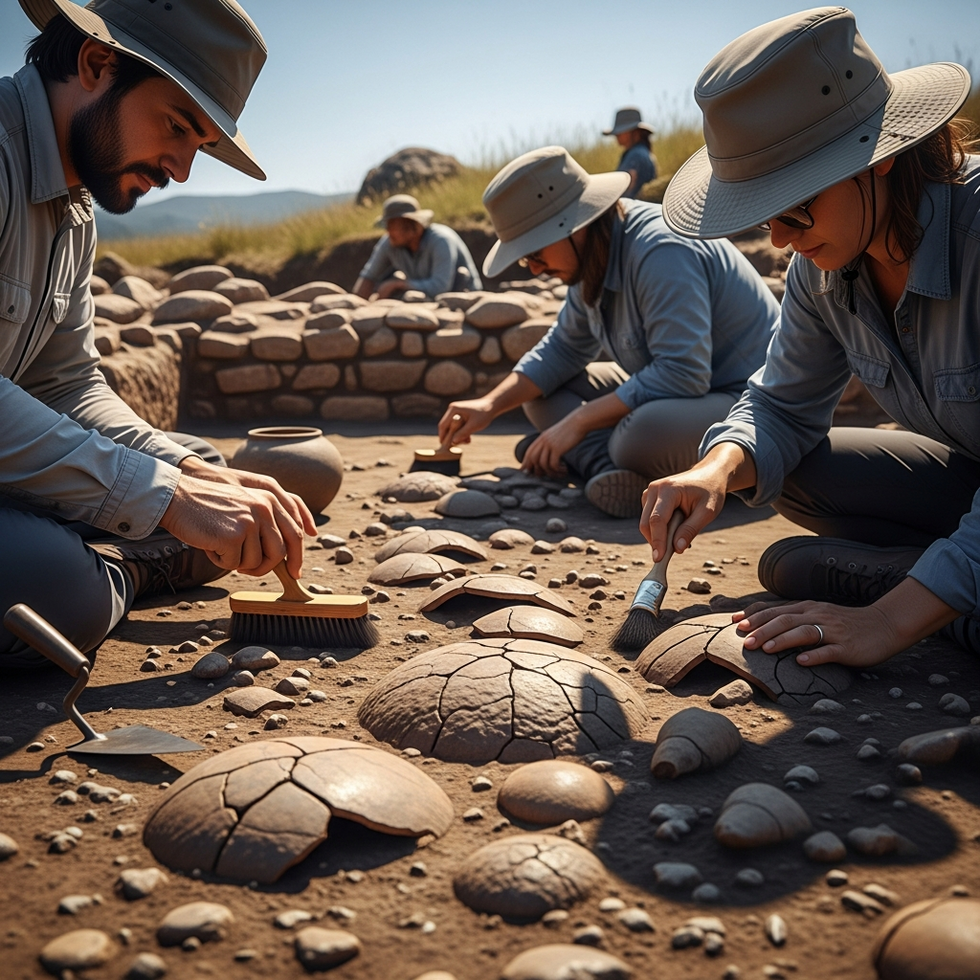
Out there among old stones, archaeology links today’s questions to secrets buried for ages under dust and silence. By carefully uncovering shards, artifacts, buildings, or bones, researchers piece together how long ago people lived, worked, worshipped, or died. Objects left behind speak without voices - shaping pictures of communities, gods believed in, tasks done each dawn. Through these steps, researchers build a clearer picture of how humans grew over time, showing shifts in community life across ages. Tools like ground-penetrating radar or 3D scans now allow teams to find remnants deeper in soil or beneath cities than before. As methods improve, so does recognition that digging up history matters - not just as science, but because it safeguards pieces everyone can claim. Looking back at old civilizations changes how we see modern challenges, such as who we are and how we live with nature. Because of this, studying past cultures keeps archaeology alive - helping value different ways of life and times. When people visit big places, like Machu Picchu or Egypt’s pyramids, they usually carry something new inside: admiration for the cleverness and strength of long-lost communities. That moment sparks further study and work to protect similar sites everywhere.
Modern Techniques Revolutionizing Archaeological Research
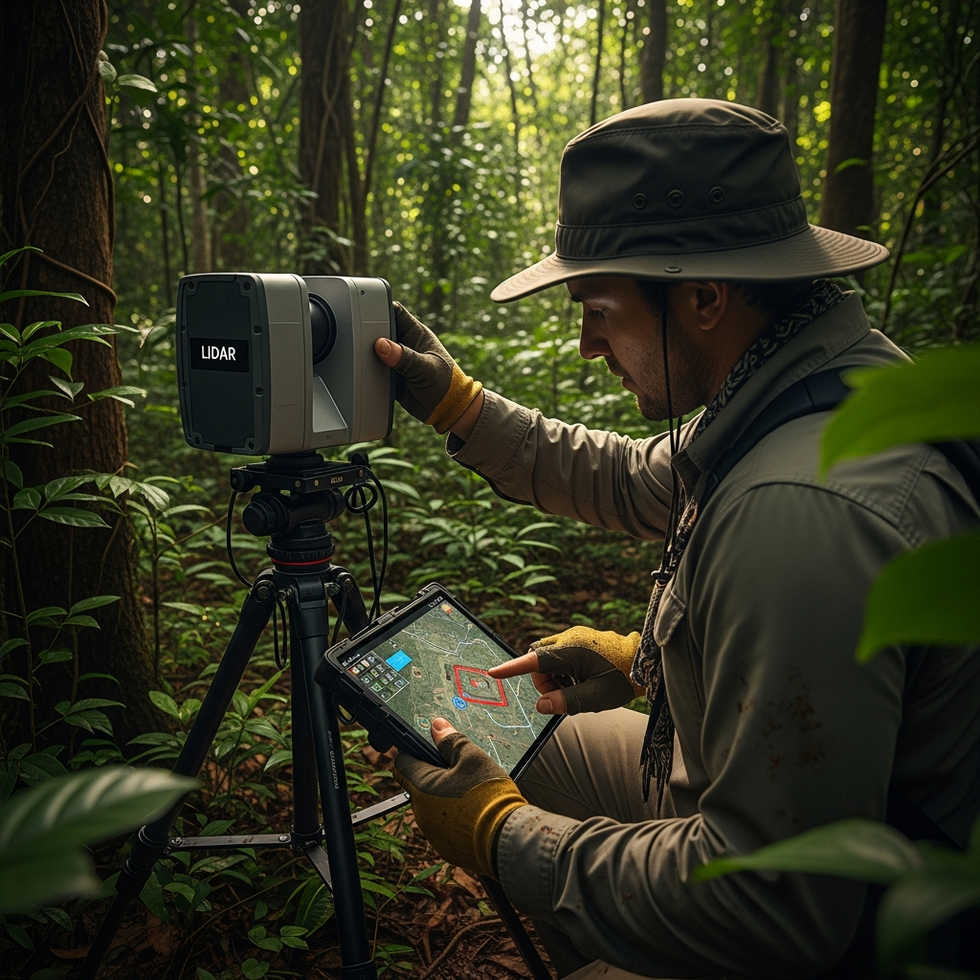
Nowhere is change clearer than in how archaeologists work today, shaped by tools once beyond reach. From above, forests and dunes reveal secrets - LiDAR sketches invisible ruins with sharp precision. Without shoveling dirt, researchers trace ancient paths across vast terrain. Timing gets sharper too; dating methods measure artifacts with finer accuracy than before. Isotopes tell stories old methods missed entirely. These shifts stitch together a truer picture of lives long gone. Out there among ancient ruins, new tech quietly reshures hidden settlements while shedding light on where people once moved. Public access now dips into real-life simulations of dig sites, pulling visitors alongside researchers across continents. Instead of just storing files, online archives link experts remotely, sparking fresh discoveries almost overnight. Even so, printing full three-dimensional models of relics helps scientists examine them closely - without risking damage from touching sensitive pieces. With tech moving forward, archaeology may find fresh ways to explore - yet care must always come first when handling old, broken things left behind by people long gone.
The Challenges of Preserving Archaeological Sites in a Rapidly Changing World
Even though digging up history can reveal what came before, keeping that past safe isn’t always easy. Cities growing fast, weather shifting wildly, damage to nature - these things put old ruins at risk across continents. Where tide marks once stood, higher waters now swallow landmarks beneath. Sand dunes shift more than ever before, wearing away traces buried beneath shifting sands. Plunder and illicit trade of relics never truly fade - market hunger fuels them worldwide. Saving these pieces means teamwork: towns, officials, groups like UNESCO must join hands. Programs that mark key heritage spots, for instance, do lift protection efforts, drawing attention where it matters most. More artifacts now exist online, giving people worldwide a safe way to explore history through digital scans and recordings. Still, building cities and saving ancient places often pull in opposite directions. Creative solutions must grow stronger so future generations can still meet culture head-on, even when progress pushes hard in other directions.