Unlocking Humanity's Past Through the Rich Legacy of the Neolithic Era
Tracing the Origins of Human Society in the Neolithic Era
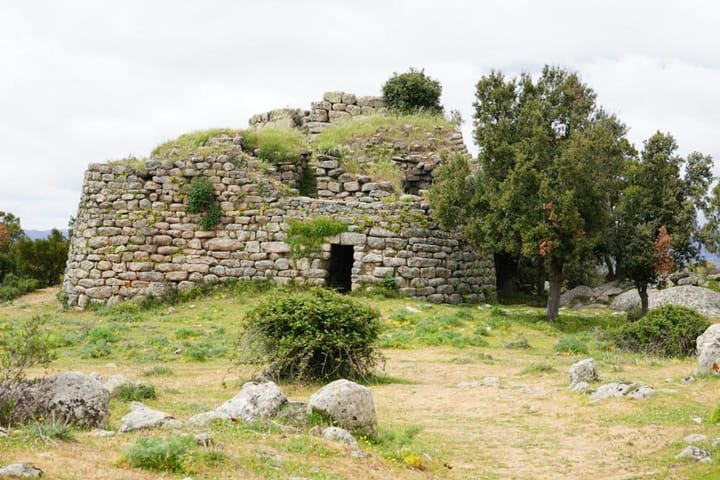
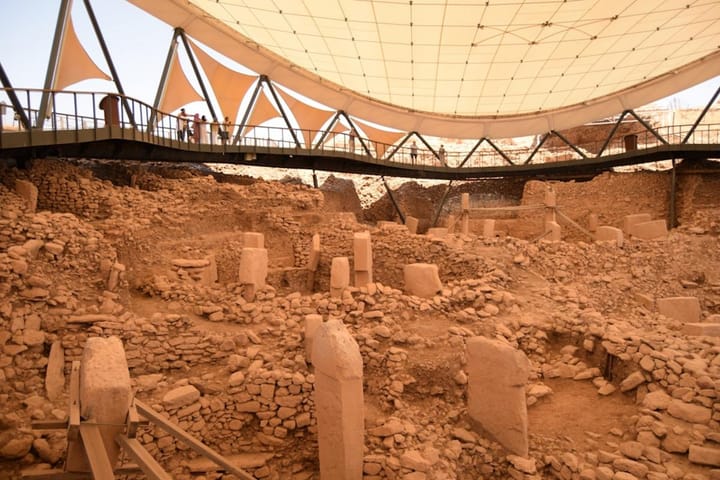
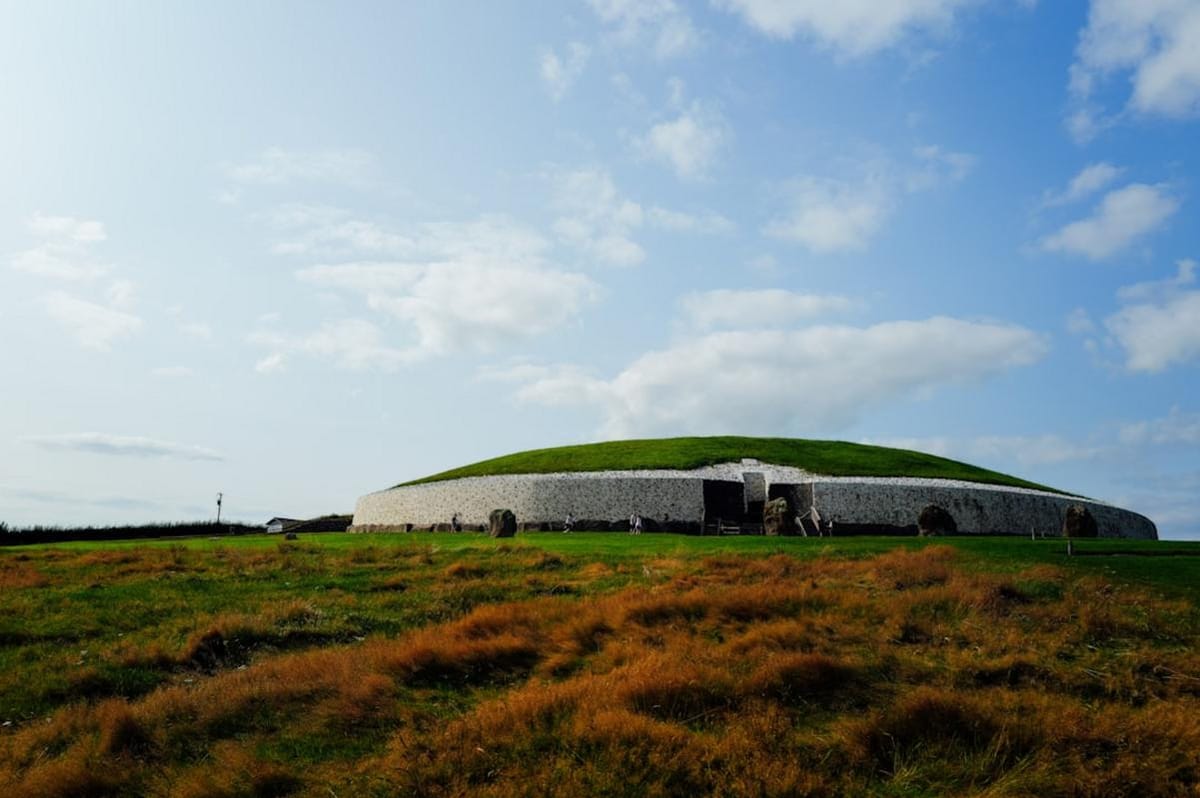
The Neolithic era, often heralded as the dawn of agricultural civilization, marks a transformative period in human history that transitioned societies from nomadic hunter-gatherers to settled farmers. This pivotal chapter, roughly spanning from 10,000 to 2000 BCE depending on the region, laid the groundwork for complex societal structures and technological advancements that continue to influence modern life. During this era, humans first domesticated plants like wheat and barley, and animals such as sheep and goats, establishing sustainable food sources that supported population growth and community development. Archeological sites across Turkey, particularly those uncovered in projects like Taş Tepeler, reveal a wealth of information about early settlements, architecture, and daily life. These settlements demonstrate sophisticated planning and communal living, showing early signs of societal hierarchy and cultural expression. Discoveries of pottery, tools, and remnants of early agriculture provide a deeper understanding of how Neolithic humans adapted to their environment and laid the foundations for future civilizations. The significance of this era extends beyond mere survival; it encapsulates the innovative spirit of humanity that has propelled societal evolution for millennia.
Archaeological Discoveries and the Role of the Taş Tepeler Project
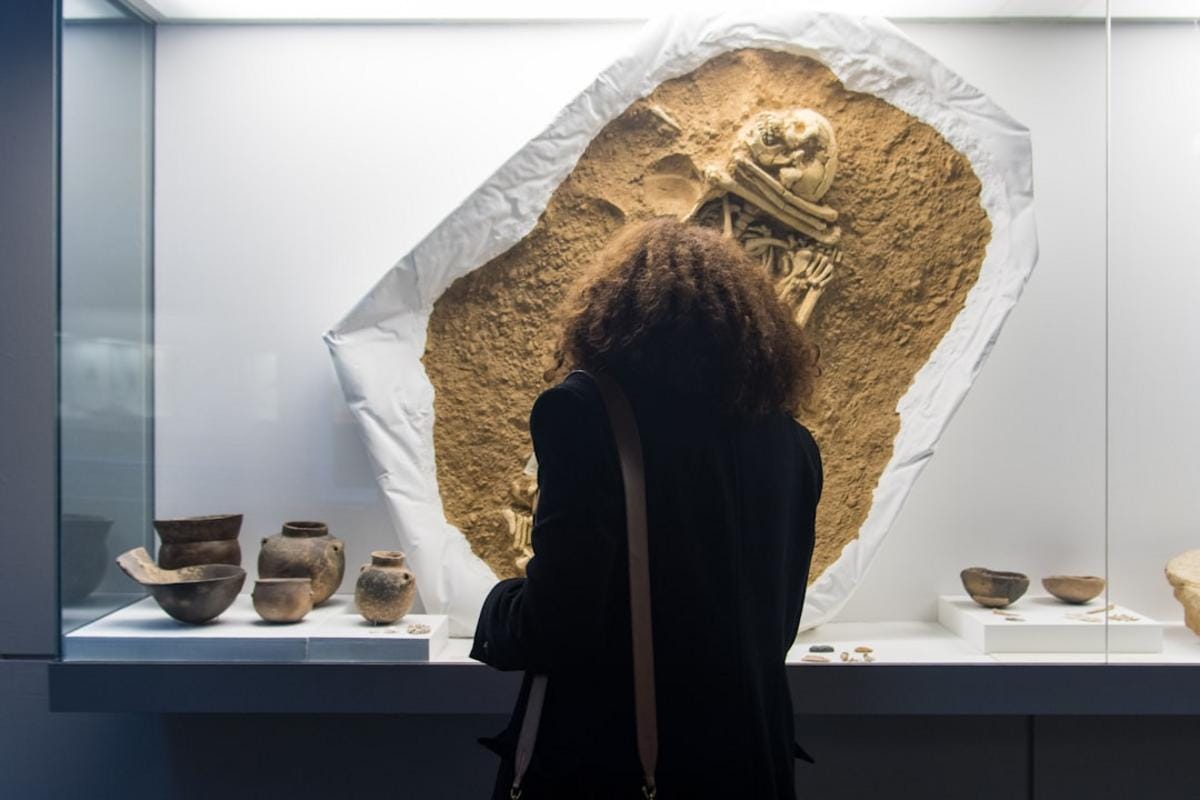
The Taş Tepeler project stands as a testament to Turkey's commitment to unraveling the mysteries of the Neolithic era. It offers an extensive repository of archaeological findings that illuminate the lives of early humans in the region. Through meticulous digs and research, the project has unearthed a diverse array of artifacts, including stone tools, pottery fragments, and early agriculture implements that date back thousands of years. These discoveries are not only significant in understanding technological progress but also serve as cultural symbols that exemplify the ingenuity and resilience of ancient communities. The project also emphasizes education, providing scholars and the public with accessible resources, detailed exhibitions, and interactive displays. It functions as a bridge connecting modern generations to their ancestors, fostering appreciation for historical innovations. By exploring Turkey’s rich Neolithic past through initiatives like Taş Tepeler, we gain insights into the earliest steps of human societal formation and the seeds of cultural continuity that have shaped the region’s history.
The Evolution of Culture and the Legacy of Early Innovations
The innovations born during the Neolithic period extend beyond simple tools and agricultural practices—they encompass the foundation of cultural development that influences contemporary societies. Early humans' mastery in crafting durable tools, like polished stone axes and farming implements, set the stage for technological progression across centuries. Moreover, the emergence of pottery allowed for food storage and preparation, fostering social cohesion and the sharing of resources. These innovations facilitated not only survival but also cultural expression, as evidenced by early religious practices, symbolic artifacts, and community rituals. Today, the influence of Neolithic creativity persists in the form of preserved traditions, archaeological practices, and educational endeavors like the Taş Tepeler project. Notably, Turkey's rich Neolithic heritage, with its ancient sites and artifacts, continues to inspire modern artistic and cultural interpretations. This era's legacy is reflected in the way we understand the interconnectedness of technological innovation and social cohesion—lasting contributions that continue to shape our cultural identity.
Engaging with the Past Through Educational Tools and Cultural Preservation
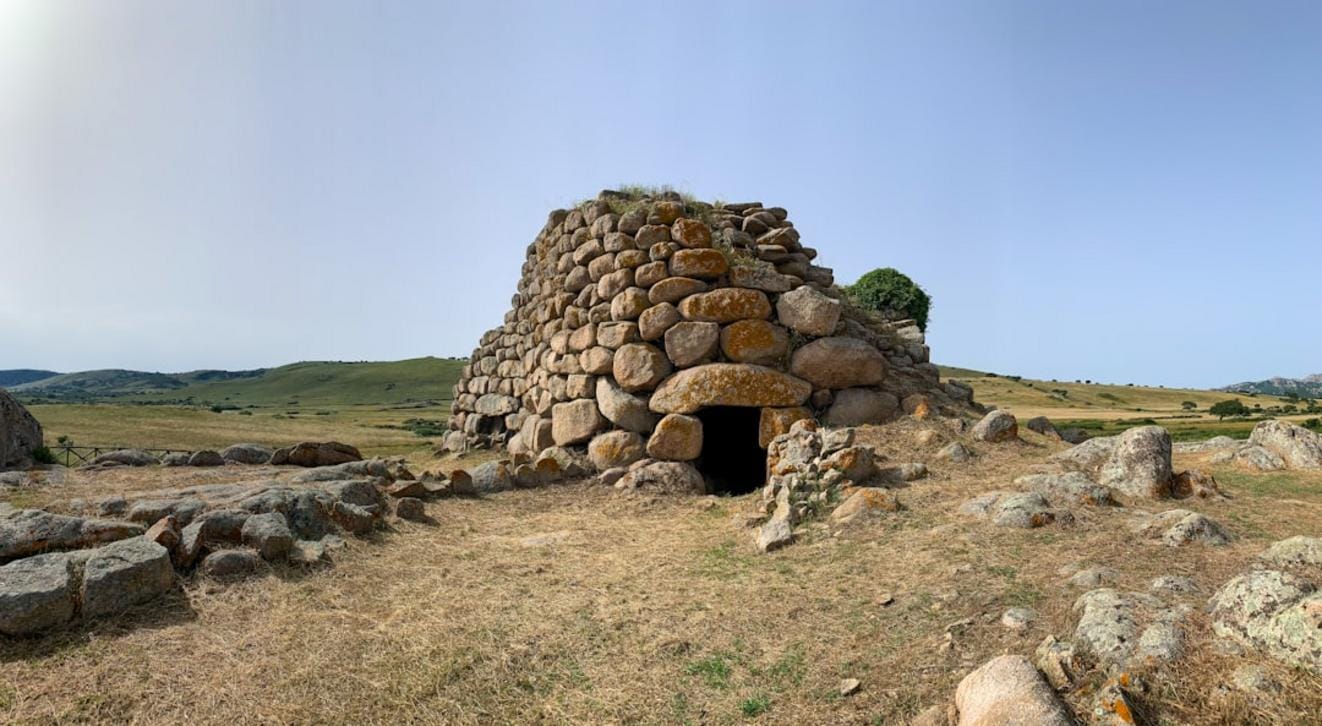
To make the fascinating world of the Neolithic era accessible and engaging for a wider audience, projects like Taş Tepeler have pioneered the development of innovative educational resources. From specially designed toys and games that simulate early hunting and farming techniques to narrative novels rooted in Neolithic themes, these tools serve as excellent mediums to ignite curiosity and understanding among children and adults alike. Such resources not only promote learning but also help preserve and celebrate cultural heritage, fostering a sense of pride and identity. For collectors and enthusiasts, the availability of items inspired by Neolithic art—such as replicas of tools, jewelry, or decorative objects—offers tangible connections to the distant past. The emphasis on educational outreach supports the broader objective of cultural preservation, ensuring that the knowledge and artistry of our ancestors are not lost to time. As Turkey continues to explore and celebrate its rich archaeological history, interactive and educational initiatives will remain vital in bridging the gap between ancient history and modern interest.