Unlocking the Secrets of Humanity Through Modern Archaeology
The Evolving Field of Archaeology and Its Cultural Significance
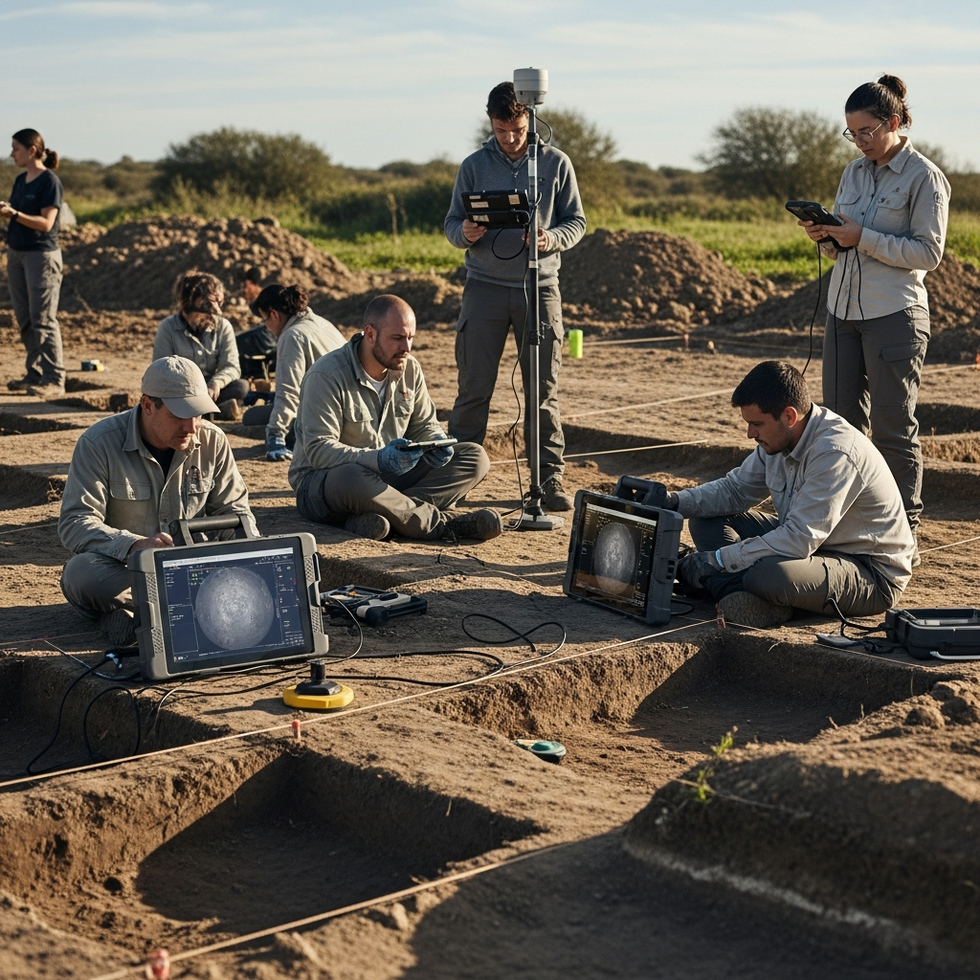
Lately, archaeology has changed fast - moving beyond old digging techniques into something far broader, mixing history with geology, chemistry, and now digital tools. Instead of slow groundwork, researchers now uncover pieces of long-lost lives using layered knowledge from many fields. Because of these shifts, details about old societies emerge more clearly than before, revealing how people lived, worked, believed. What matters most here? It is not just about finding objects buried underground. It is how those objects speak when studied carefully - offering glimpses into a rich, tangled past. Today’s methods - like ground-penetrating radar, isotope analysis, and 3D modeling - are common in research, letting experts examine areas without heavy excavation or harming fragile remains. Because of this shift, studies feel fresher, more careful, less destructive - building knowledge that goes far but treats history gently.
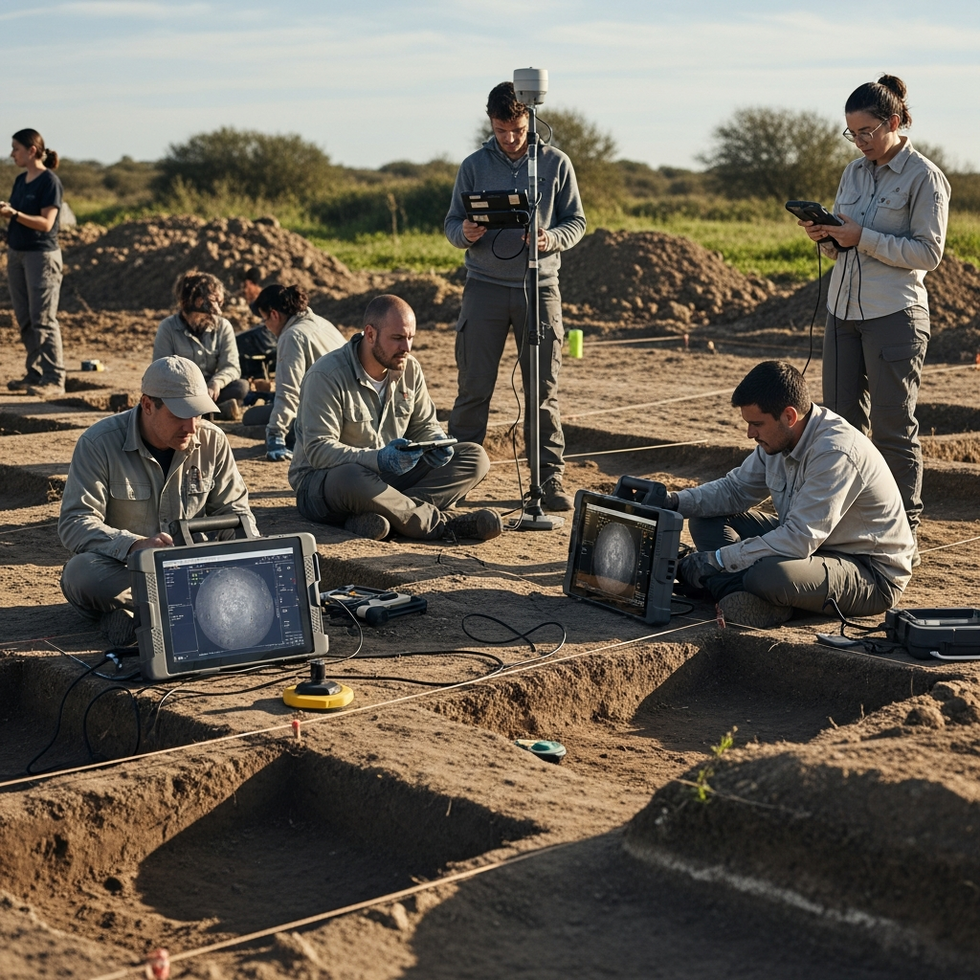
Recent Discoveries and Their Impact on Historical Narratives
Every twelve months, fresh findings change how we see the past - sometimes contradicting old stories, sometimes sparking fresh questions. Take the find near ancient stone homes deep in the desert: clues there uncovered shifted views on where people moved long ago and how they lived together. Farther south across warm seas, ruins hidden under waves revealed surprises about paths old civilizations took with goods, plus hints on where their first towns might have risen. What turns up now comes from global teams working together, using tools like drones and deep-sea sonar to scan the ocean floor more closely than before. Because of this shift, old shipwreck sites appear where they were never seen, checked so carefully that details long hidden begin to show up. When something major does emerge, people notice - not just experts but everyone - and that wave of interest pushes more study, more support, more respect for what cultures left behind beneath the waves.
Technological Innovations Transforming Archaeology Today
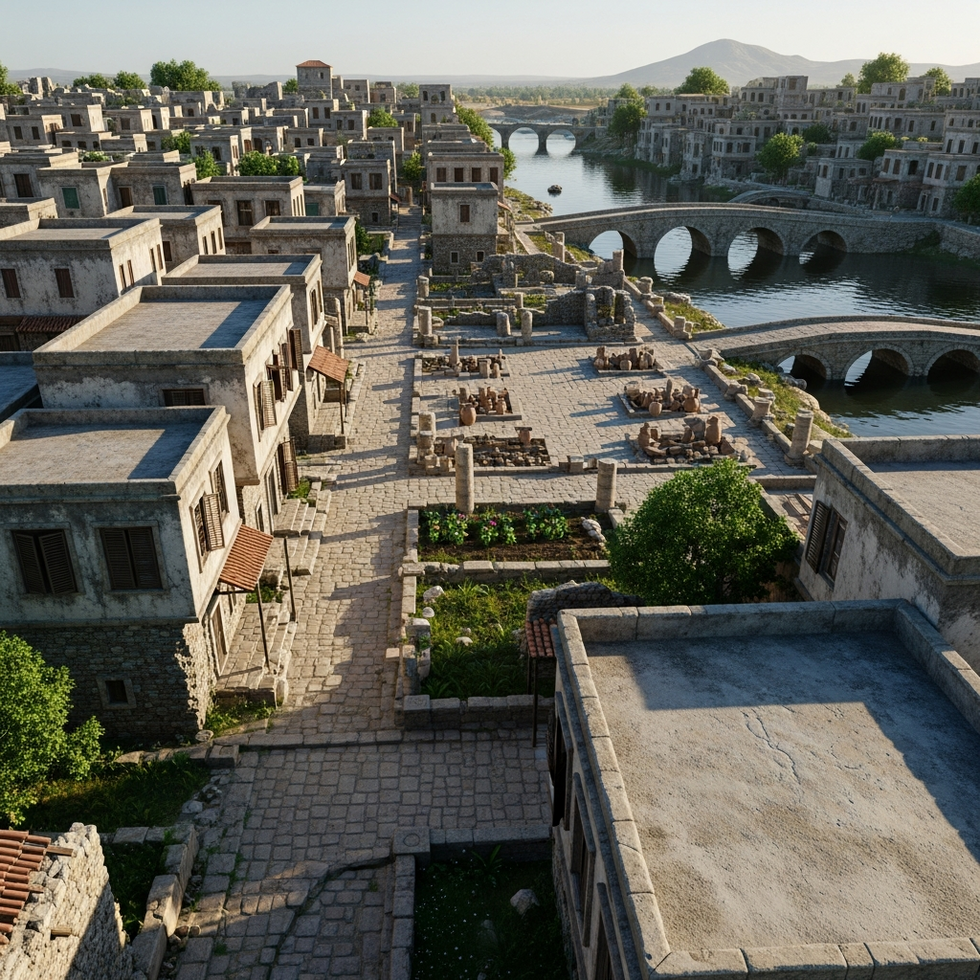
Nowhere is change clearer than in how tech reshapes old digs. Scanning landscapes with laser light reveals lost sites, even under thick foliage or dunes. This shift speeds discovery while minimizing earthworks. Tools once relied upon for years now sit alongside cameras that see through trees. When researchers test bones or pottery, surprises emerge about who ate what and where people moved. These findings challenge long-held stories stored in books and maps. Out in digital spaces, people now watch ancient sites without stepping foot near them. Thanks to online platforms, experts team up with curious visitors across continents. Through virtual worlds, history feels close enough to touch. With tech moving fast, fresh ways keep appearing to dig into the past. This shift means old mysteries still wait around every corner.
Preserving Cultural Heritage for Future Generations
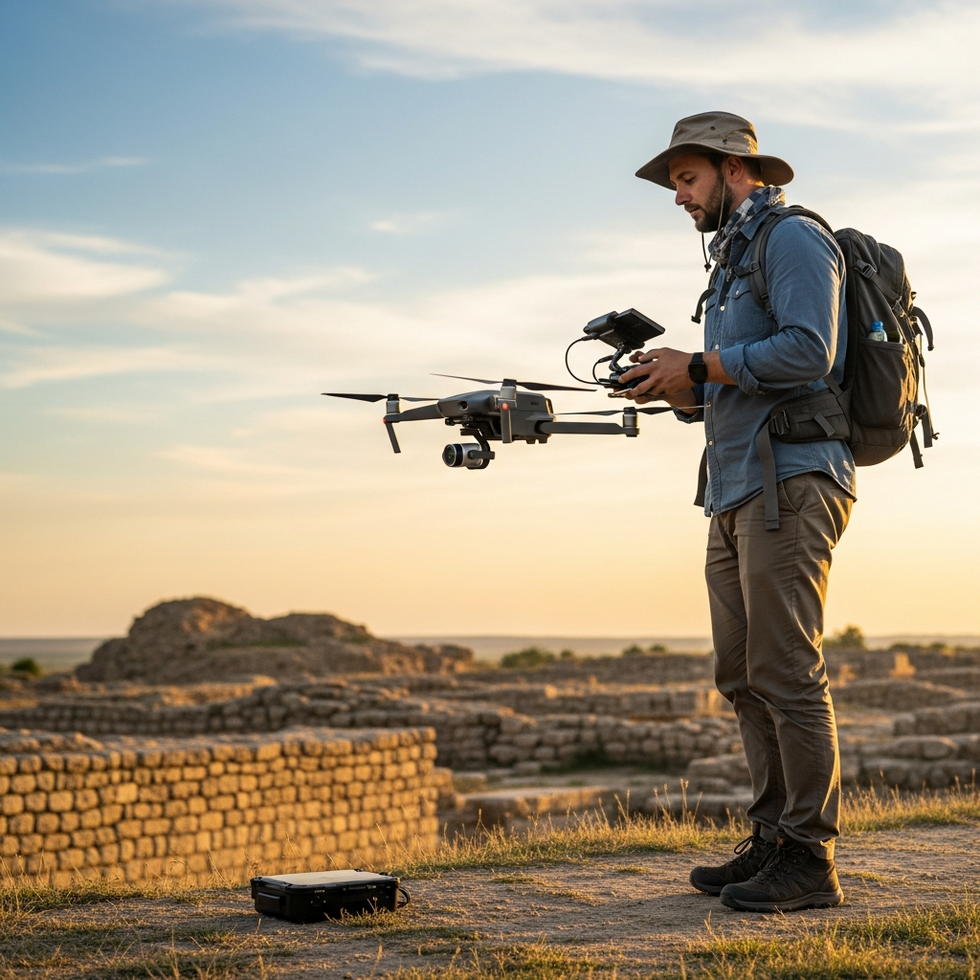
What draws people at first, archaeology also shields history from harm - like theft, shifting weather, or cities growing too fast. Each find gets careful records, careful repairs when needed, sometimes laws that shield them; backing comes from groups worldwide, including those at UNESCO. These steps work so future folks can still see real evidence of what came before, pieces of shared human story that remain whole. What stands out is how groups come together, shaping awareness through shared efforts. Learning about traditions becomes more meaningful when people see real value in protecting them. Tech moves forward, bringing old items into modern form - like digital versions of relics or landmarks. These copies survive storms or time, keeping history alive without physical harm.