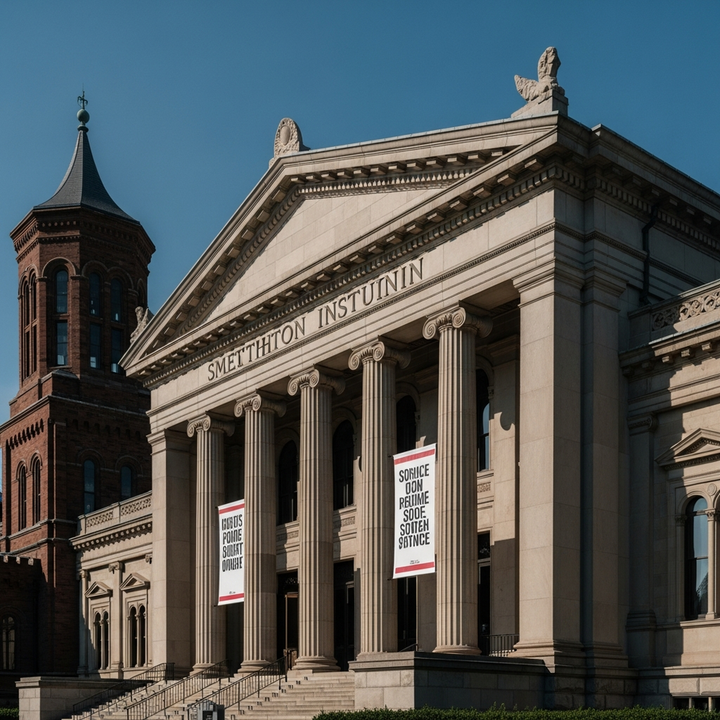
Unraveling the Threads of History to Understand Cultural Evolution
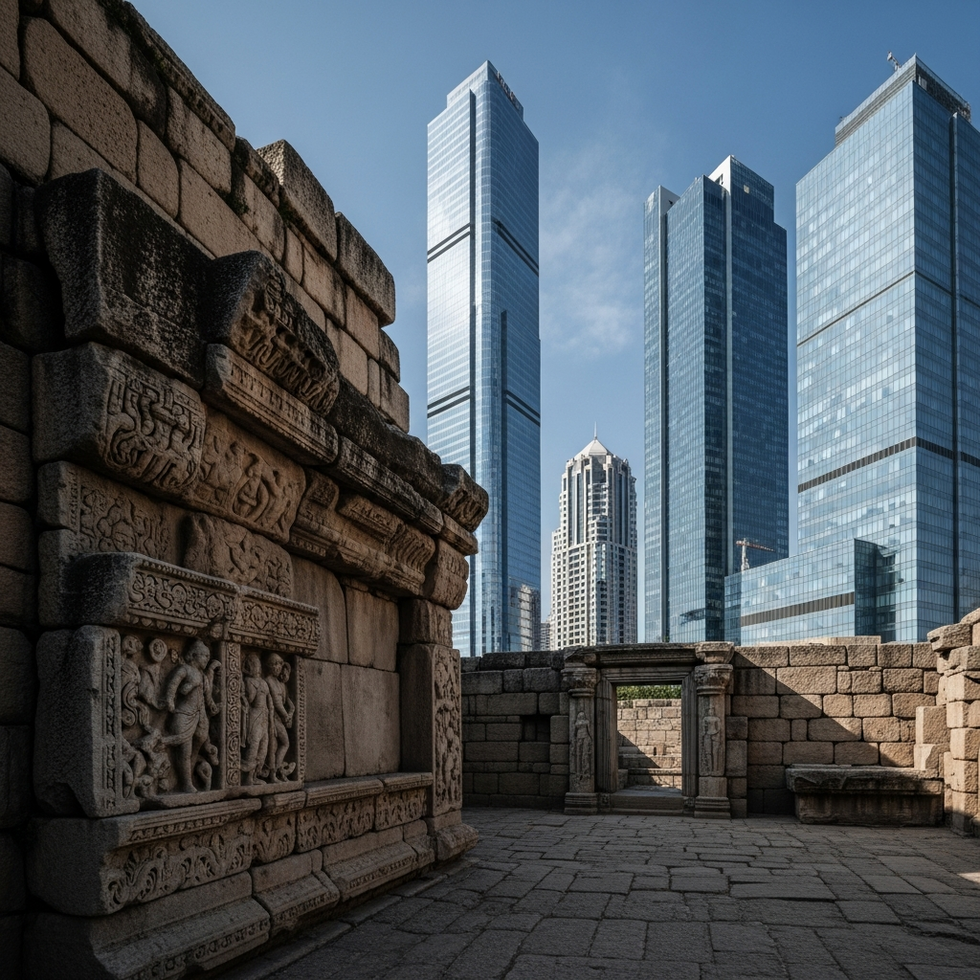
The Foundations of Cultural Identity Rooted in Historical Foundations
Buried within every modern culture lies a trail leading back through time. To grasp who people are now means stepping into moments long ago that shaped communities. Think about where ideas came from - not just yesterday, but ages before, when cities like Mesopotamia, Egypt, or the Indus Valley first took root. From there, patterns emerged: ways to govern, live together, express thought - all still visible now. Looking back at how cultures have shifted, big moments - such as the Renaissance or industrial changes - pushed things forward in lasting ways. These events didn’t just happen; they reshaped entire societies, leaving marks still visible today. Human adaptability shows up clearly here, along with strength and a quiet ability to turn painful pasts into common ground across different lives. Even now, keeping old stories alive using books, voices, and public spaces helps people hold on to where they came from. That connection doesn’t freeze; it bends, carrying memory forward without losing its grip.
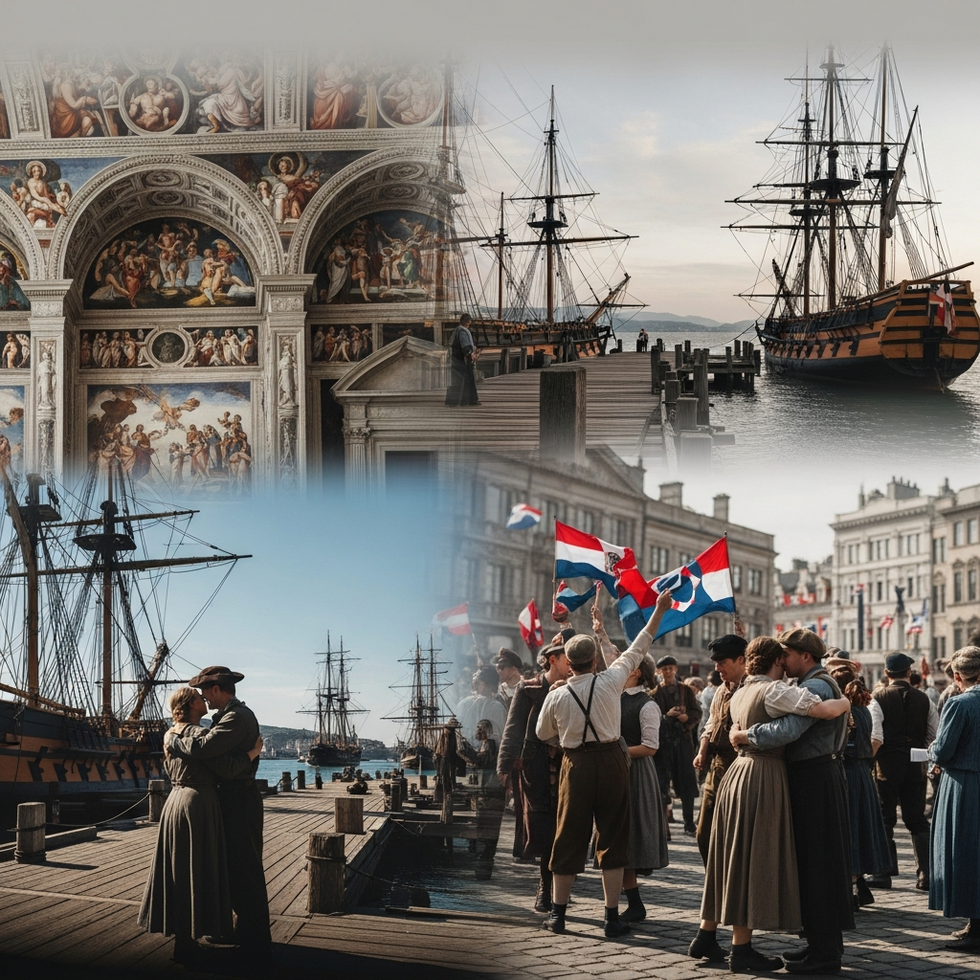
Cultural Transformation Through Major Historical Events
Big moments through time often spark deep shifts in how people live and believe. When powers like Rome or China collapsed, structures of power, faith, and daily life changed fast. A fresh look at old ideas during the Renaissance stirred new art and thought across Europe, reshaping buildings, ideas, even values. When colonies took hold, they twisted native ways in deep ways - some broken, others mixed into new forms. Wars that spread across continents shifted what people valued, pushing questions of peace and survival into everyday talk. These moments didn’t just leave scars; they blended survival instincts with shifting ideals over time. Seeing their mark shows how culture bends under pressure, never frozen but shifting with every wave of change.
The Role of Documentation and Preservation in Cultural Continuity
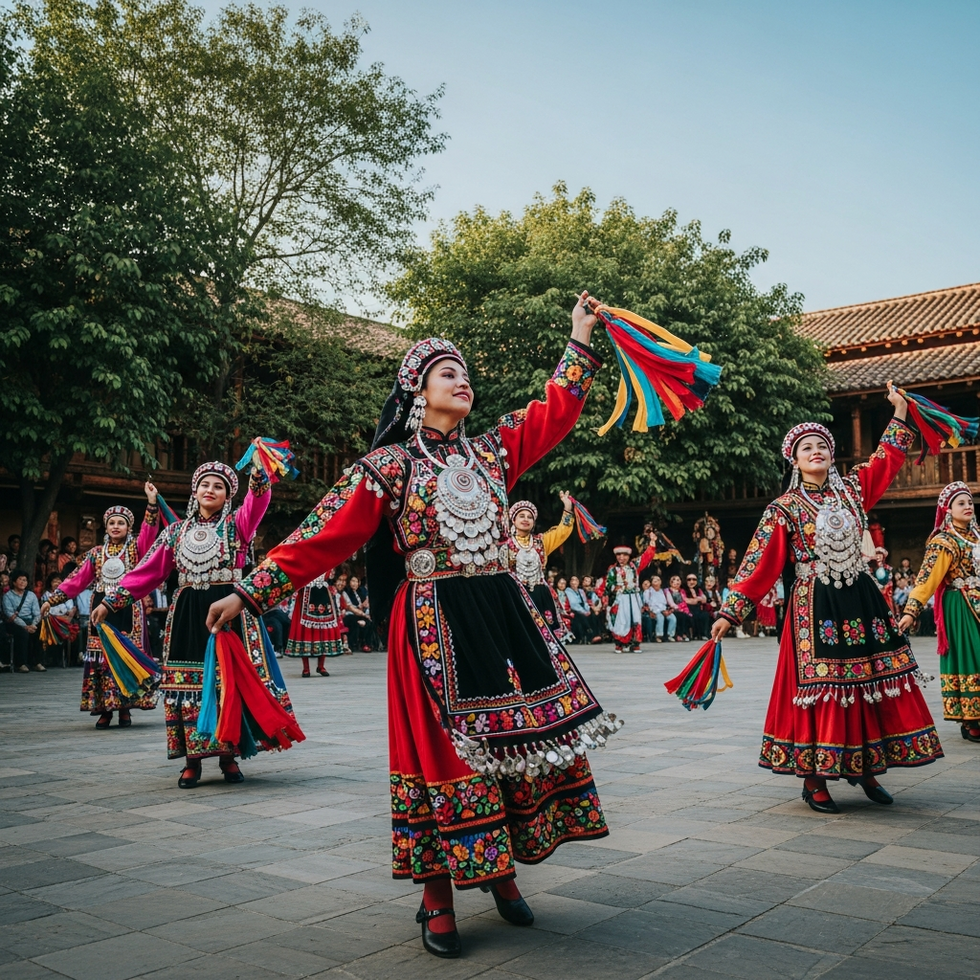
Keeping culture alive depends on saving stories and objects. Old writings, pieces from long ago, plus spoken traditions connect us to earlier times. What we know about people back then comes from these remains. Places like museums and online libraries now protect history in smarter ways. More folks can experience it today because of how collections are shared. What holds communities together - like spoken words, local tunes, or seasonal rites - often fades without care. Take how groups like UNESCO protect traditional knowledge: think of artisans shaping wood, dancers moving through time, or communities marking holidays with meaning. These acts quietly strengthen who people are. Without them, future generations lose touch with where they came from. Identity builds on these threads, not just history but living practice. When these pieces disappear, so does part of who we are worldwide.
Final Thoughts on the Interwoven Nature of History and Culture
Looking closely at how history shapes culture shows us more than either on its own. Context comes from what the past reveals - how groups dealt with obstacles, shifts, yet held tight to who they are. Living culture carries that past forward, reshaped again and again by art, rules, shared stories. What remains active today grew from every moment that preceded it. Seeing how things are linked changes how we see growth in people and societies. When dealing with today's shifts like global connections and tech advances, paying attention to history helps keep traditions alive alongside change. This back-and-forth between earlier times and now shows culture's strength in surviving through evolution, never forgetting where it began - something worth pausing to consider amid rising world complexity.