Unveiling Humanity's Dawn through the Taş Tepeler Neolithic Discoveries
The Neolithic Revolution and Its Impact on Human Societies
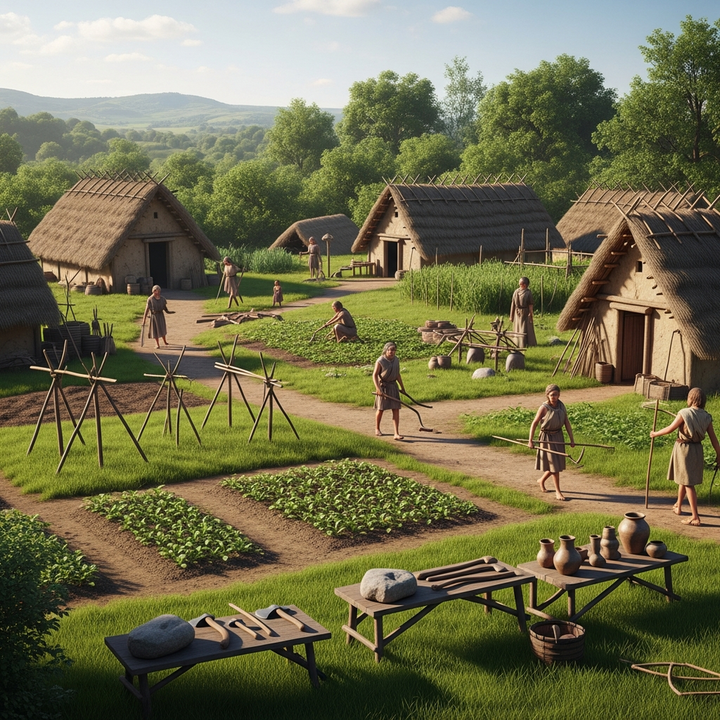
The Neolithic era, often called the New Stone Age, marks a pivotal point in human history when ancient societies transitioned from nomadic hunter-gatherer lifestyles to settled agricultural communities. This profound transformation, known as the Neolithic Revolution, led to the establishment of permanent settlements, innovative farming techniques, and advances in tool-making. The archaeological record from this period reveals the earliest forms of social organization, resource management, and cultural development that laid the groundwork for subsequent civilizations. Understanding this era enables us to grasp the origins of human ingenuity and societal complexity, and projects like Taş Tepeler play a crucial role in unearthing these ancient mysteries. The discovery of early domesticated plants, polished stone tools, and communal living spaces in Turkey's Neolithic sites offers us a glimpse into the daily lives and technological ingenuity of these early humans, highlighting their adaptation skills and creative problem-solving. It’s compelling to see how these ancient innovations continue to influence today’s cultural landscapes, making the study of the Neolithic era a vital conduit for understanding our shared human narrative and cultural evolution.
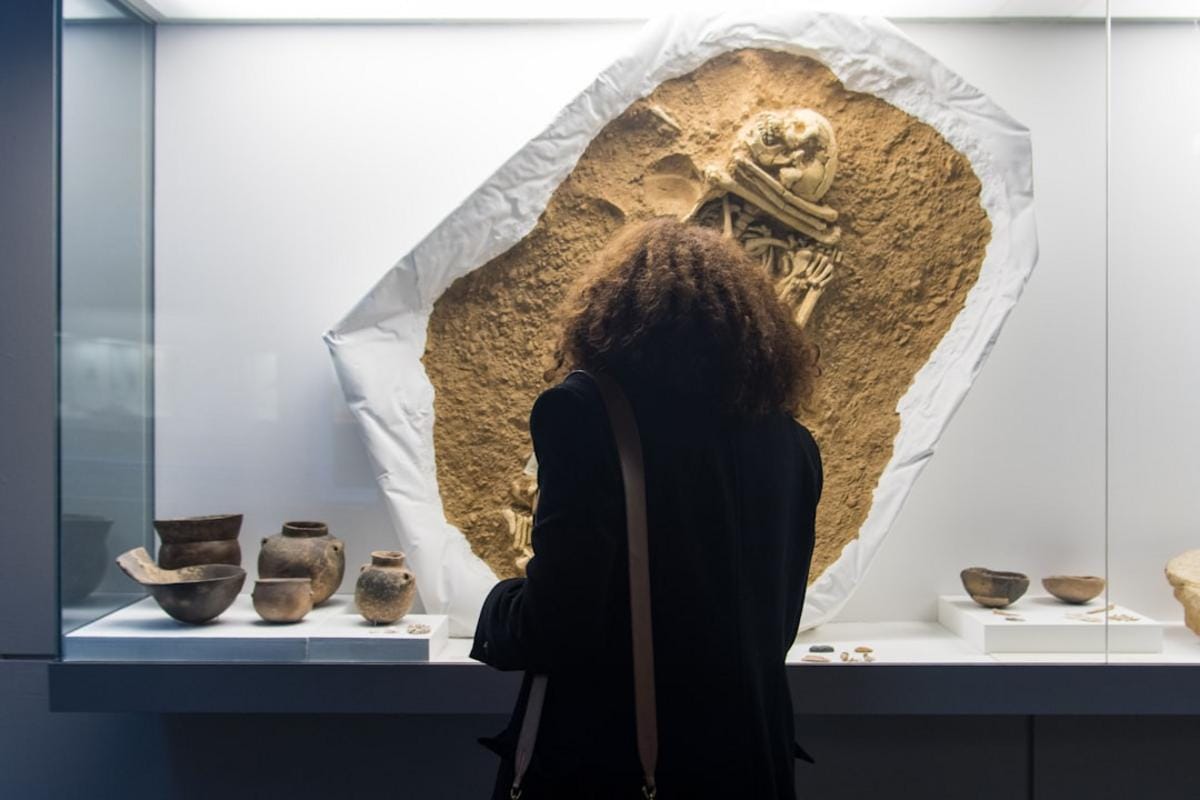
The Taş Tepeler project emerges as a groundbreaking initiative that offers comprehensive insights into Turkey’s Neolithic culture. Through meticulous excavation and research, this project uncovers a wealth of artifacts such as stone tools, pottery shards, and early architectural remains. These discoveries are vital in understanding the social structure, technological advancements, and spiritual life of Neolithic communities in the region. What makes Taş Tepeler particularly compelling is its commitment to public engagement—providing educational resources, interactive displays, and accessible information that bring history alive for diverse audiences. For scholars and enthusiasts alike, this project is a treasure trove, offering a window into early human innovation and societal development. Moreover, the project explores the influence of Neolithic inventions—such as weaved textiles, polished tools, and rudimentary farming techniques—that have persisted and evolved into modern cultural practices. Its significance extends beyond academia, inspiring cultural tourism and educational initiatives, and helping preserve Turkey’s rich archaeological heritage for future generations.
In addition to excavations and research, the Taş Tepeler project excels at making Neolithic culture accessible and engaging through innovative educational tools, immersive displays, and cultural products. Visitors can explore custom-designed toys, games, and novels inspired by Neolithic themes, which serve as both educational resources and sources of entertainment. These creative approaches help demystify the ancient world, illustrating how early humans crafted tools, built shelters, and organized their communities. Interestingly, there are also gift options featuring Neolithic art and motifs, perfect for collectors and cultural enthusiasts who wish to own a piece of history. Such initiatives foster curiosity and appreciation for our distant ancestors, encouraging a broader understanding of early societal development. By employing modern technology and creative storytelling, the project bridges the gap between history and contemporary culture, making these ancient times not only relevant but also exciting for all age groups. This strategy ensures that the Neolithic period remains a vibrant part of Turkey’s cultural landscape, inspiring future generations to value their archaeological heritage.