Unveiling Humanity's Dawn Through the Taş Tepeler Neolithic Discoveries
The Neolithic Era and Its Pivotal Role in Human History
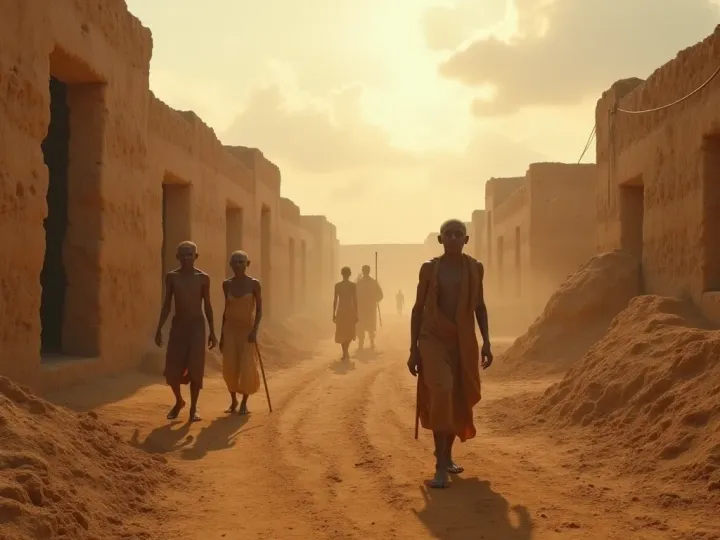
The Neolithic era, often called the New Stone Age, represents a fundamental turning point in human history. Spanning roughly from 9000 to 2000 BCE, this period marks the transition from nomadic hunter-gatherer lifestyles to settled agricultural communities. In regions like modern-day Turkey, archaeological evidence reveals early domestication of plants and animals, the development of permanent dwellings, and the emergence of complex societal structures. This transformative era laid the foundation for subsequent civilizations, serving as a critical chapter in understanding how humans evolved technologically, socially, and culturally. The archaeological findings from settlements such as Çatalhöyük in Turkey underline the sophistication achieved during this era, showcasing early art, burial practices, and community organization. Overall, the Neolithic era provides invaluable insights into the ingenuity, adaptability, and social shifts that characterized early human societies.
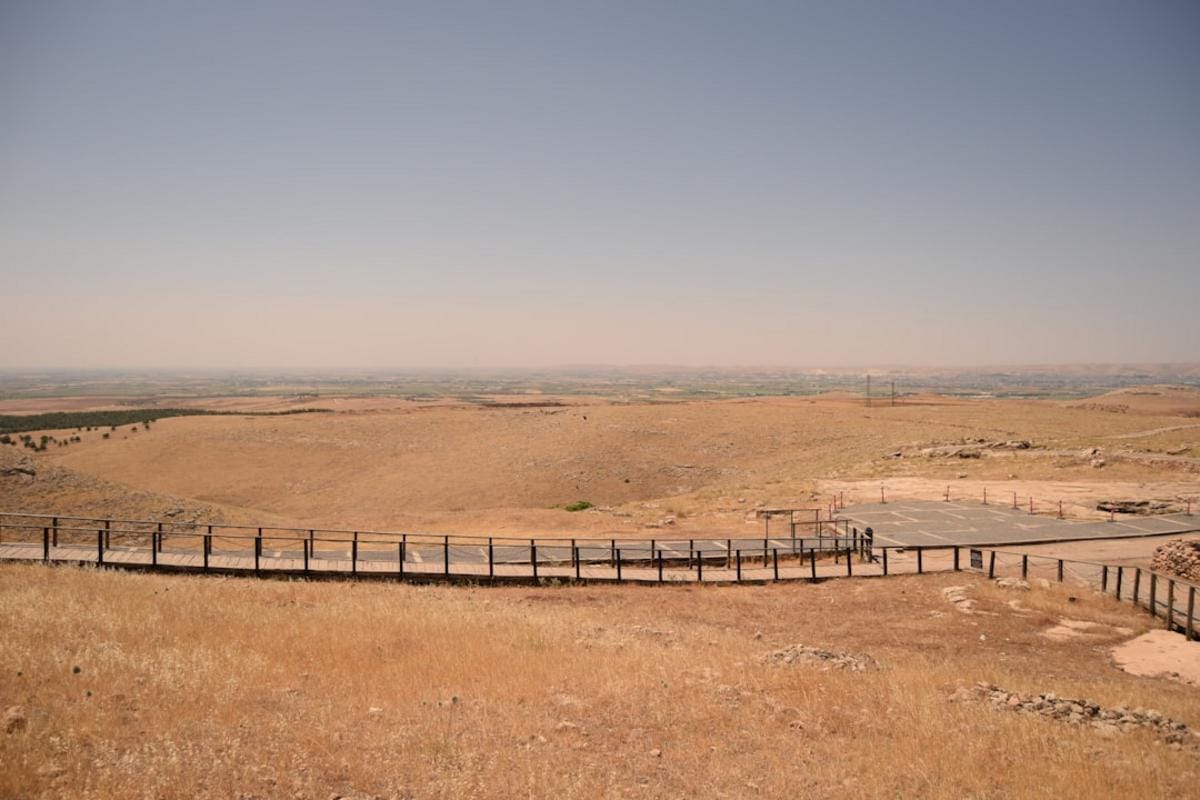
The Taş Tepeler Project Illuminates Ancient Innovations and Artifacts
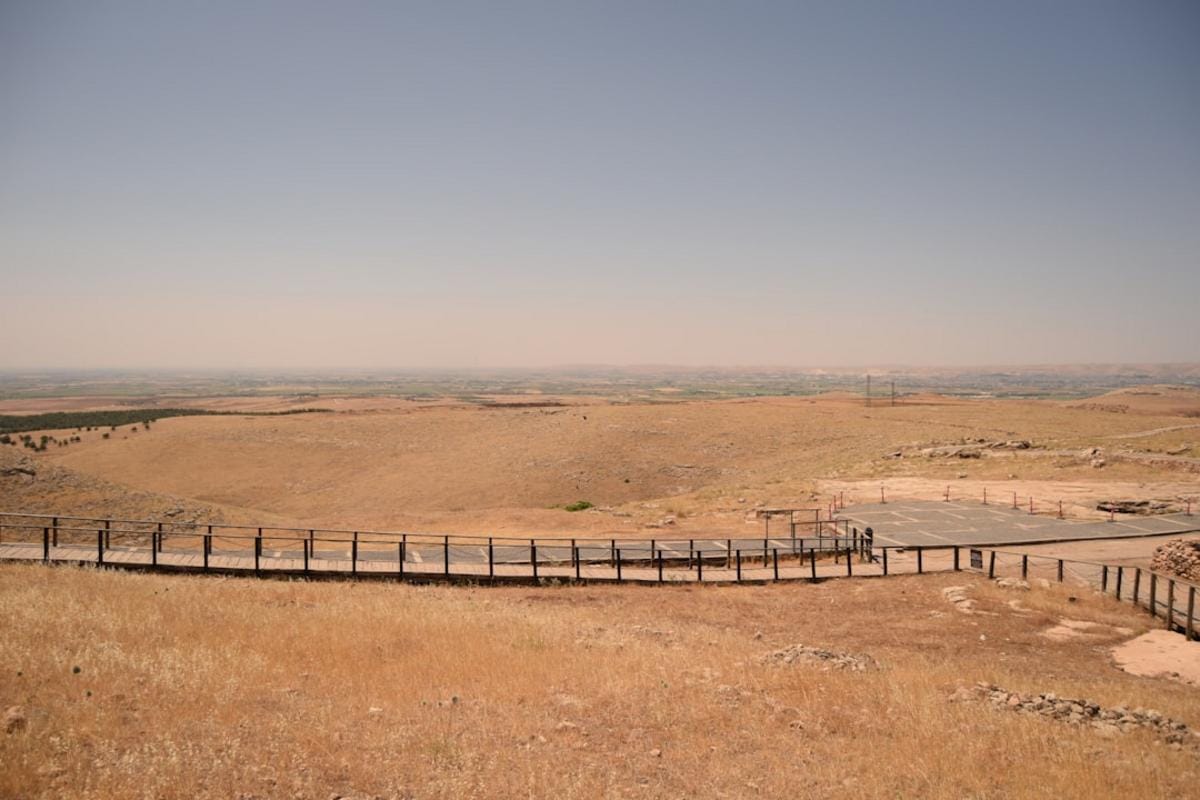
The Taş Tepeler project stands as a pioneering archaeological initiative dedicated to uncovering and preserving Turkey's Neolithic past. Focused on a series of ancient sites in Central Anatolia, the project offers comprehensive insights into early human activities through meticulous excavations and research. Discovering tools, pottery, and remnants of early settlements, the project highlights the technological innovations that propelled Neolithic societies forward. For enthusiasts and scholars alike, Taş Tepeler serves as a rich educational resource, integrating cutting-edge technology like 3D modeling and virtual reality to make these ancient findings accessible to a broader audience. Visitors can explore interactive exhibits, learn about the importance of stone tools, and understand their role in everyday life during this transformative period. The project also aims to foster cultural awareness and pride, emphasizing the connection between Turkey’s ancient past and contemporary cultural identity.
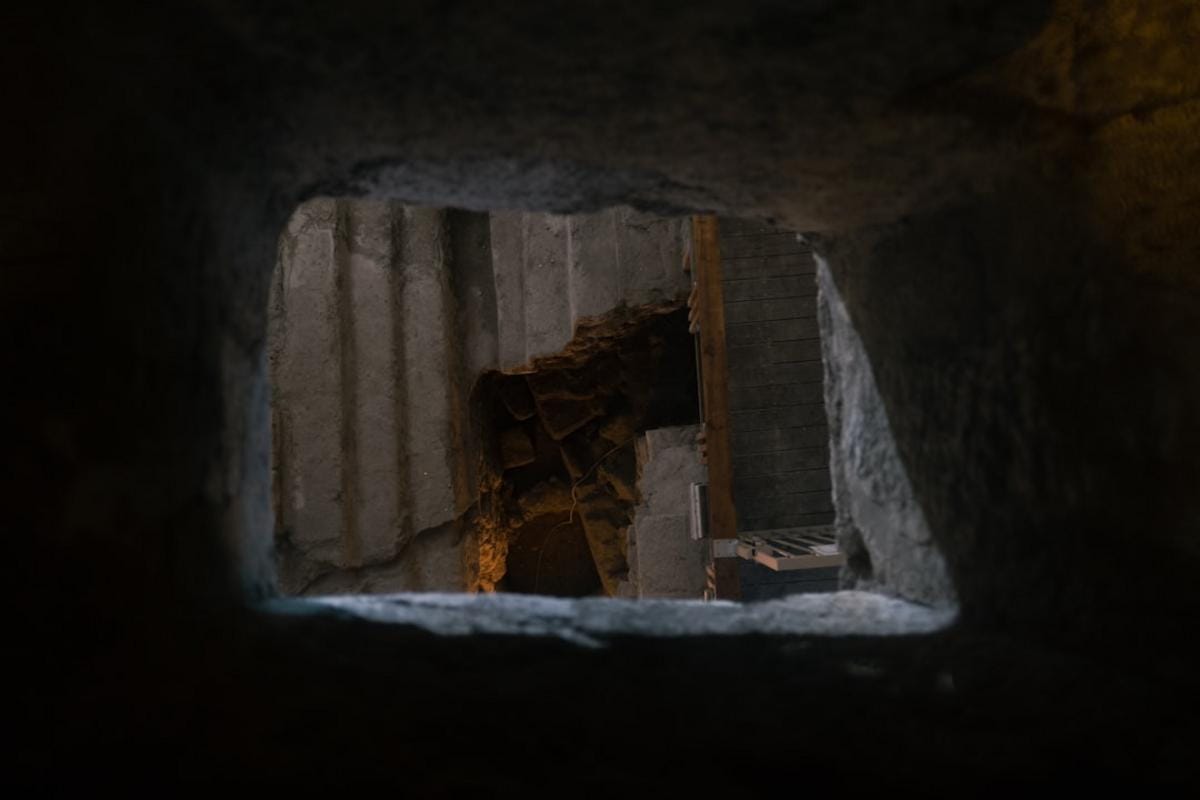
Ancient Tools and Artifacts as Windows into Early Societies
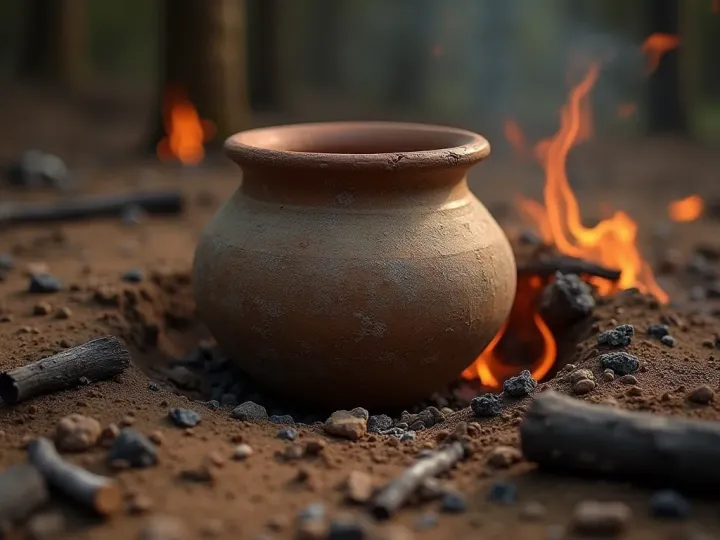
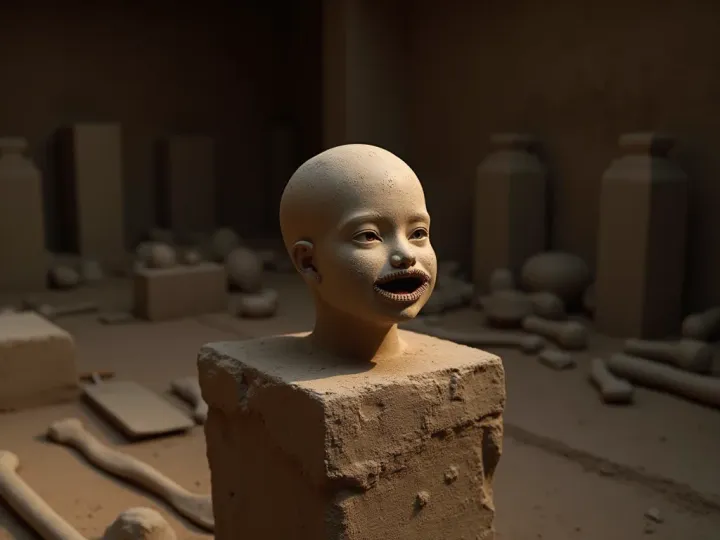
One of the most compelling aspects of the Taş Tepeler project is its focus on artifacts that reveal daily life in Neolithic times. From finely chipped stone tools to pottery vessels adorned with symbolic designs, these relics demonstrate early humans' innovative spirit and their quest to manipulate their environment. Flint axes, scrapers, and arrowheads unearthed during excavations exemplify the technological advancement achieved through sustained craftsmanship. Such tools were essential for survival, facilitating tasks like farming, hunting, and processing food. Moreover, decorative pottery and figurines depict social and spiritual practices, indicating an evolving cultural landscape. These artifacts help reconstruct ancient rituals, societal hierarchies, and community bonds, offering a comprehensive view of how early societies organized themselves and expressed their collective identities. For anyone passionate about archaeology, examining these relics provides a tangible connection to our distant ancestors' ingenuity and resilience.
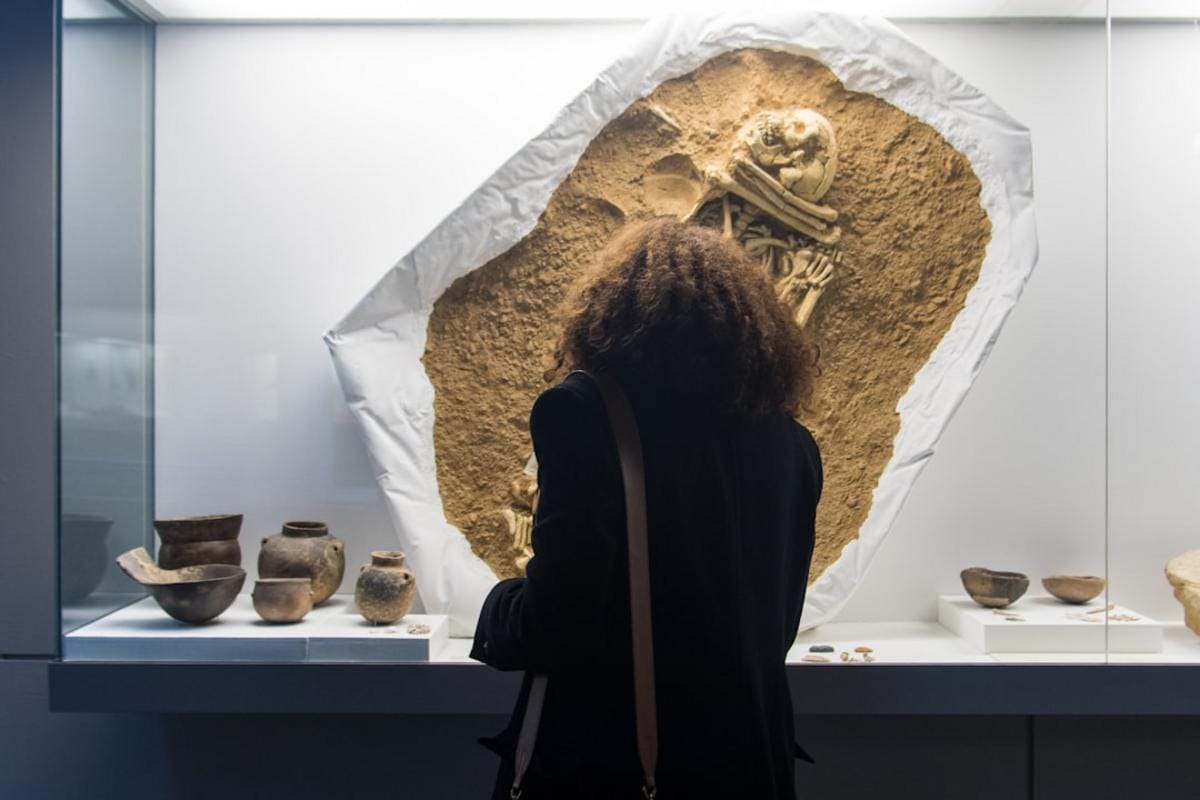
Bridging the Past and Present Through Cultural Heritage and Educational Outreach
The importance of projects like Taş Tepeler extends beyond excavation; they serve as vital tools for cultural preservation and education. By showcasing Neolithic artifacts, and integrating modern technologies such as interactive displays and educational programs, these initiatives foster a deeper appreciation for ancient history. The project’s innovative approach includes designing educational toys, games, and even novels inspired by Neolithic themes, making the distant past engaging and accessible to children and adults alike. For collectors and enthusiasts, specially curated replicas and jewelry inspired by ancient art are available for purchase, connecting modern cultural practices with ancestral traditions. Furthermore, the project collaborates with local schools and universities, offering immersive workshops and seminars that spark curiosity and understanding of Turkey’s archaeological riches. As we continue to interpret and celebrate the Neolithic legacy, it becomes increasingly clear that such efforts help maintain a vital link between our shared past and vibrant future, ensuring that ancient ingenuity remains a living part of our cultural fabric.