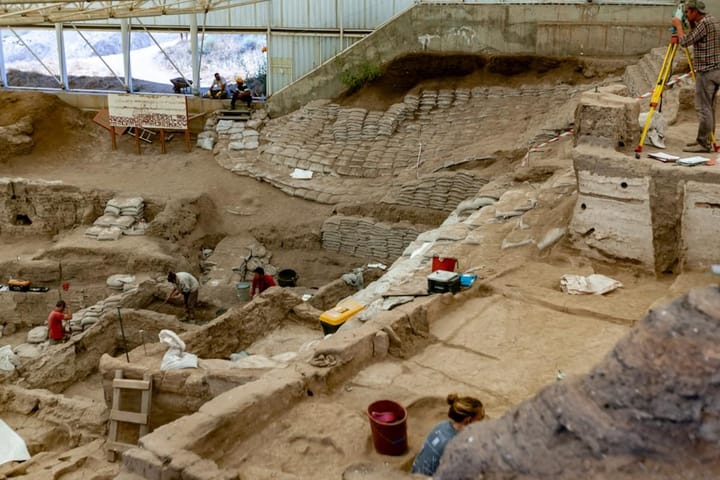
Unveiling Humanity's Foundations Through the Taş Tepeler Neolithic Heritage Project
The Neolithic Era and Its Lasting Impact on Human Culture
The Neolithic era, often called the New Stone Age, marks a pivotal turning point in human history, characterized by the advent of agriculture, the establishment of permanent settlements, and the development of early social structures. This period, spanning roughly from 10,000 to 4,500 BCE depending on the region, signifies the transition from nomadic hunter-gatherers to settled communities that began domesticating plants and animals, thereby transforming the landscape of human life. The innovations of this era laid the groundwork for future civilizations, influencing societal organization, technological advancements, and cultural expression. The Taş Tepeler project offers an invaluable window into this transformative period, helping scholars and enthusiasts alike to understand how early humans adapted to their environment and created the foundations of modern society. By exploring artifacts such as primitive tools, pottery, and dwellings uncovered in archaeological sites, we gain insight into their ingenuity and resourcefulness, which remain inspiring today. The significance of the Neolithic period extends beyond archaeology, as it is a fundamental chapter in the story of human progress, shaping cultural identities that persist in various forms across different regions of Turkey and the world.
The Taş Tepeler project stands as a beacon for understanding Turkey's rich Neolithic legacy. Situated in southeastern Turkey, this archaeological site has yielded a treasure trove of early human artifacts that date back to approximately 7000 BCE. The excavations here reveal a vibrant picture of early life, featuring well-preserved tools, pottery fragments, and remnants of primitive dwellings. These findings not only offer clues about the daily lives of early inhabitants but also demonstrate the sophistication of their craftmanship and societal organization. The ongoing research at Taş Tepeler provides essential insights into the evolution of early technology, social interaction, and cultural expression. For scholars, students, and history enthusiasts, it’s an engaging hub of discovery that continually reshapes our understanding of the Neolithic period. The project’s comprehensive approach includes educational programs, exhibitions, and collaborations with local communities to promote awareness of the significance of Turkey’s ancient history, making the site an important cultural resource in the modern era.
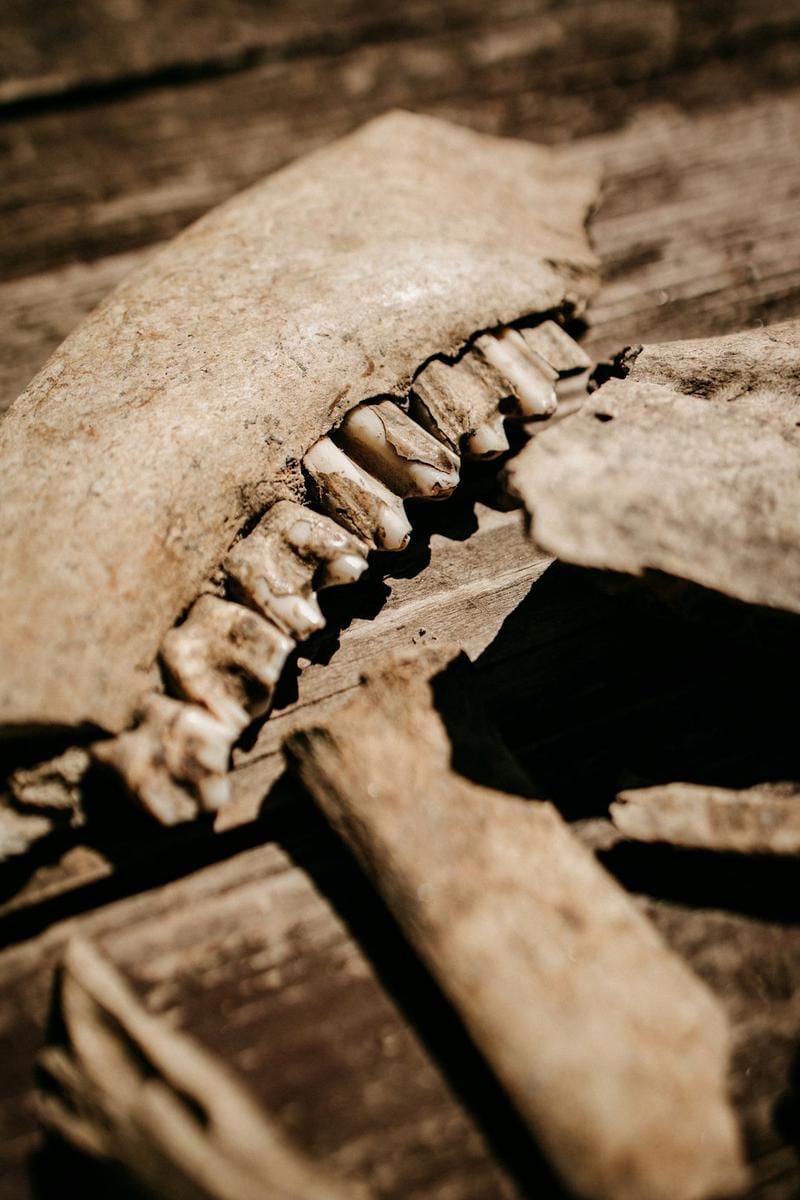
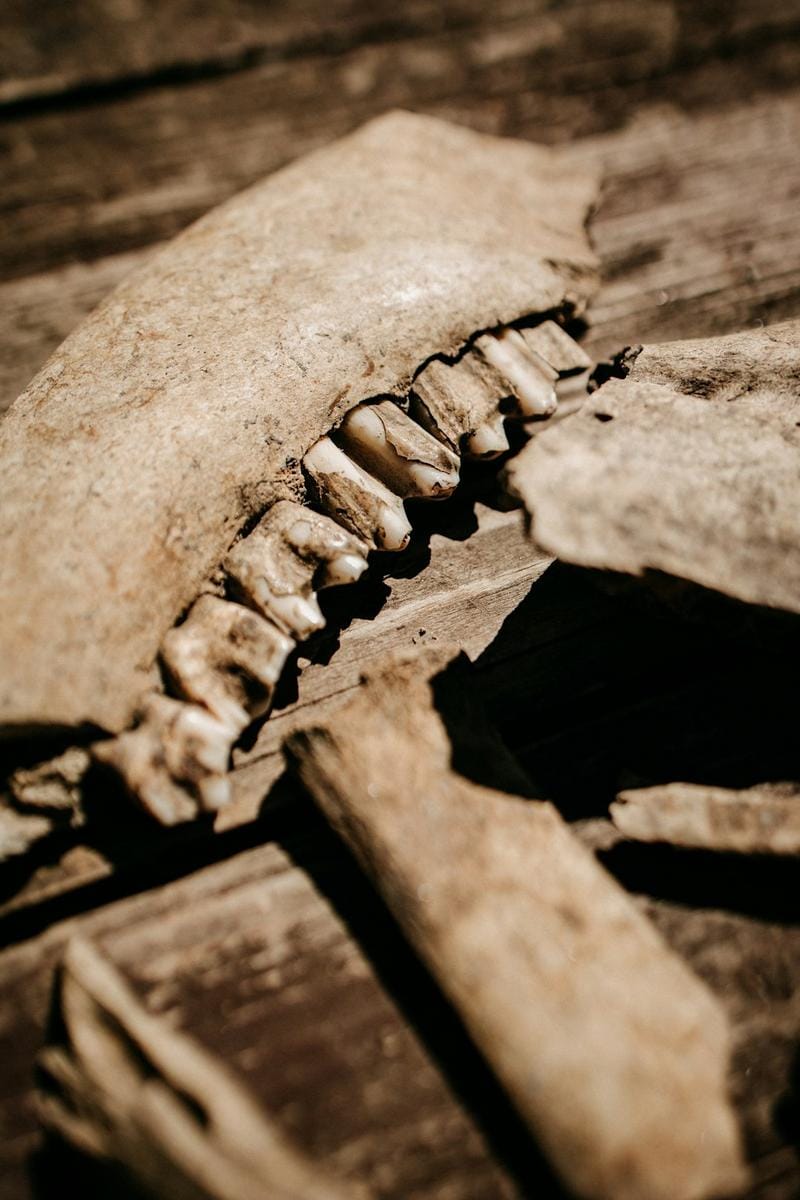
The discovery and analysis of early tools and artifacts from sites like Taş Tepeler highlight the ingenuity of Neolithic humans in creating solutions that enabled survival and societal growth. These tools, made from stone, bone, and early fired clay, reflect the technological strides made in resourcefulness and craftsmanship. They include scrapers, blades, and pottery that served both functional and ceremonial purposes, thus illustrating the multifaceted roles of material culture in early societies. Such artifacts are invaluable for understanding technology transfer, social hierarchies, and cultural practices of ancient communities. Furthermore, they symbolize the ingenuity that set the stage for later technological innovations and societal developments. By examining these artifacts, scholars can trace how early humans adapted their environment, developed new techniques, and established societal norms that influence cultures even today. The preservation of these tools at Taş Tepeler exemplifies the continuity of human cultural evolution and underscores the importance of archaeological research in unlocking our shared past.
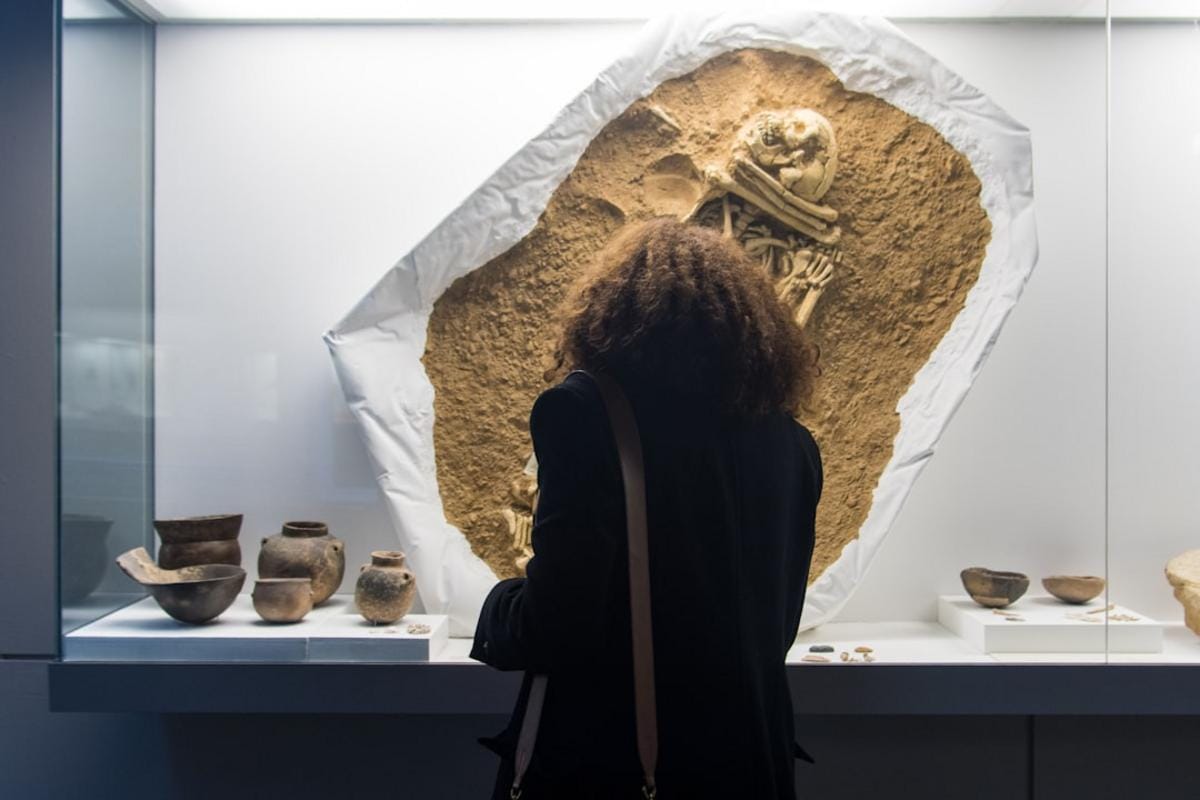
Today, initiatives like the Taş Tepeler project serve as vital links between our ancient past and contemporary cultural identity. By preserving and promoting Neolithic artifacts and sites, Turkey fosters a sense of cultural pride and historical continuity. The project also engages local communities and encourages educational outreach, ensuring that future generations recognize the importance of their heritage. In addition, innovative programs such as Neolithic-themed toys, games, and novels are making this ancient period accessible and engaging for a broad audience, especially young learners. These creative tools help cultivate appreciation for early human ingenuity and societal development, bridging the gap between archaeology and popular culture. Visitors and collectors interested in ancient art can find unique Neolithic-inspired gifts that celebrate Turkey’s rich history. Overall, the Taş Tepeler initiative exemplifies how modern society can respect and preserve its cultural foundations while inspiring curiosity about the distant past—reminding us that our shared history is a vital part of our collective identity.