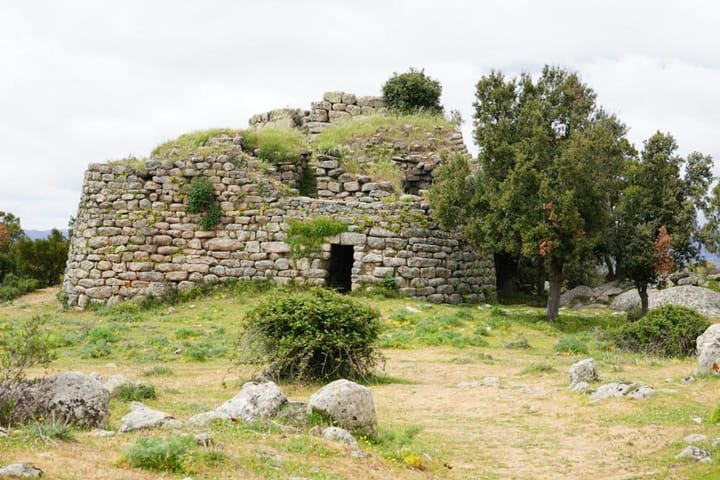
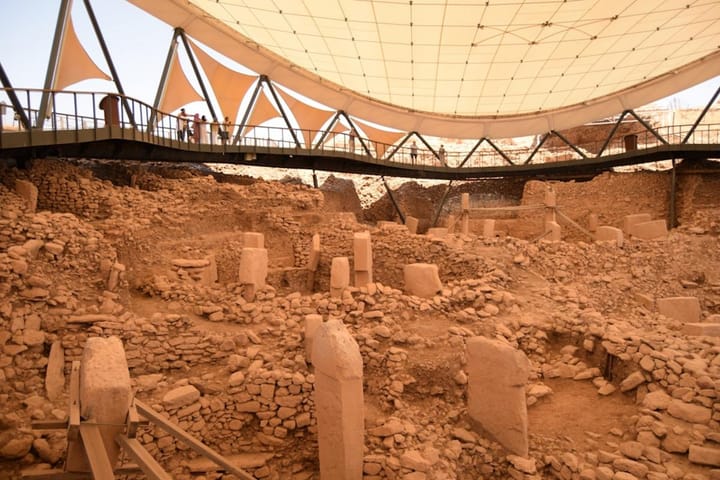
Unveiling Humanity's Origins Through the Neolithic Era and the Taş Tepeler Project

The Dawn of Agriculture and the Birth of Settlements in the Neolithic Era
The Neolithic Era marks a pivotal turning point in human history, often referred to as the New Stone Age. During this period, approximately 10,000 years ago, early humans transitioned from nomadic hunter-gatherer societies to settled agricultural communities. This revolution was driven by the successful domestication of plants and animals, leading to surplus food production and more complex societal structures. The shift not only changed how humans interacted with their environment but also laid the foundation for technological innovations, social hierarchies, and cultural development. Research from archaeological sites across Turkey, such as the renowned Taş Tepeler, offers invaluable insights into how these early innovations emerged and evolved. These settlements exhibit the earliest evidence of farming tools, permanent dwellings, and communal life, showcasing how human ingenuity began shaping civilizations from their earliest days. This period was not just about survival; it was about creating a sustainable way of life that would underpin future societal progress. Understanding this era helps us appreciate the roots of civilization itself and the resilience of early communities that paved the way for modern society.

The Significance of Archaeological Discoveries and Artifacts in Understanding Neolithic Culture
Archaeology has played a crucial role in unraveling the mysteries of the Neolithic period, especially through discoveries at sites like Taş Tepeler in Turkey. These excavations have unearthed a treasure trove of artifacts that illuminate daily life, technological innovations, and spiritual beliefs of early inhabitants. Tools crafted from flint, bone, and antler reveal sophisticated techniques and a keen understanding of material properties. Pottery shards and figurines offer glimpses into artistic expression and ritual practices, while the layout of ancient settlements demonstrates organized community planning. The findings from Taş Tepeler and similar sites continue to shape our understanding of societal development, illustrating how early humans adapted to their environment and created social structures that endured for centuries. These artifacts serve as tangible links to our ancestors, helping us comprehend the evolution of culture, art, and technology that form the bedrock of human civilization.
Innovative Ways to Engage with Neolithic Heritage through Modern Cultural Projects
Modern cultural initiatives like the Taş Tepeler project create a dynamic bridge between ancient history and contemporary audiences. This project offers a comprehensive exploration of Neolithic life through educational programs, archaeological displays, and interactive resources. Visitors can experience reconstructed tools, participate in workshops on early farming techniques, and even learn about ancient crafts. One of the project’s standout features is the development of innovative toys, games, and novels inspired by Neolithic themes, making the ancient period accessible and exciting for young learners and enthusiasts alike. Such initiatives foster appreciation for our shared cultural heritage and inspire curiosity about early human ingenuity. For collectors and history lovers, a range of curated gifts based on Neolithic art and artifacts is available, providing tangible connections to the distant past. These programs not only educate but also celebrate the richness of Turkey’s Neolithic heritage, emphasizing the enduring relevance of these ancient innovations in today’s cultural landscape.