Unveiling Humanity's Origins Through the Rich Lens of Neolithic Culture at Taş Tepeler
Understanding the Neolithic Era and Its Role in Human History
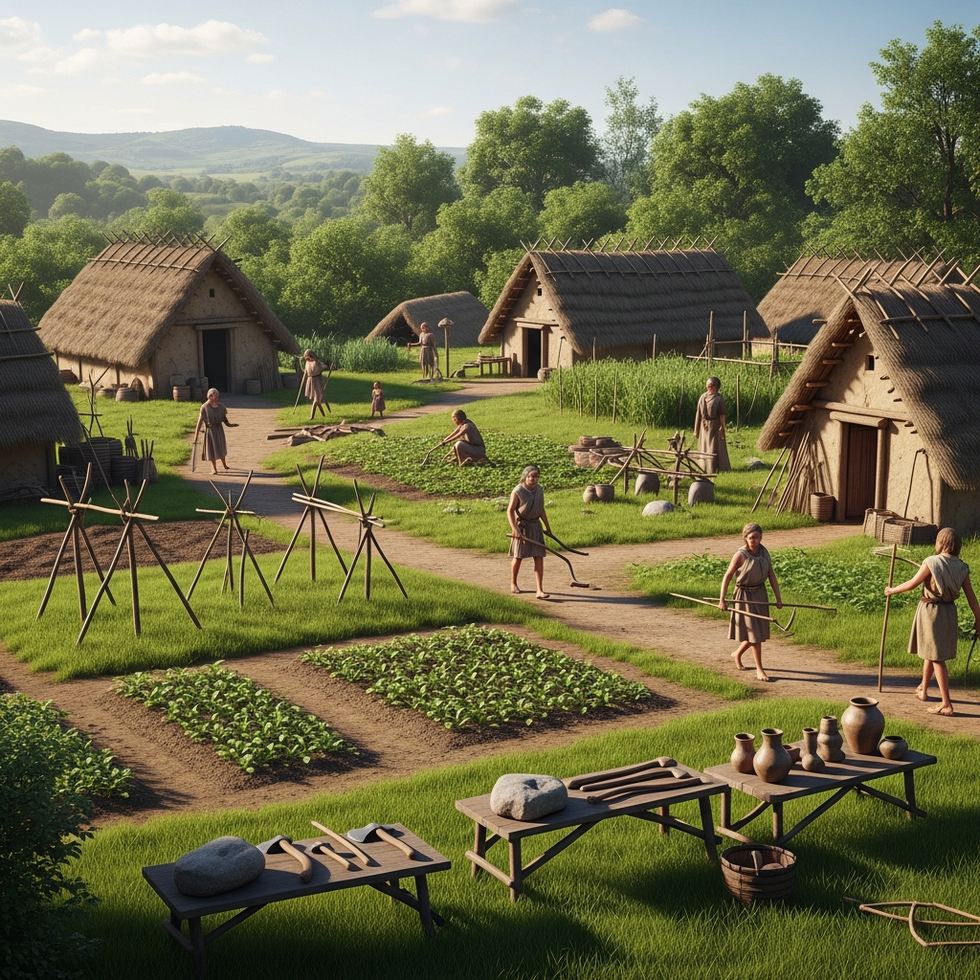
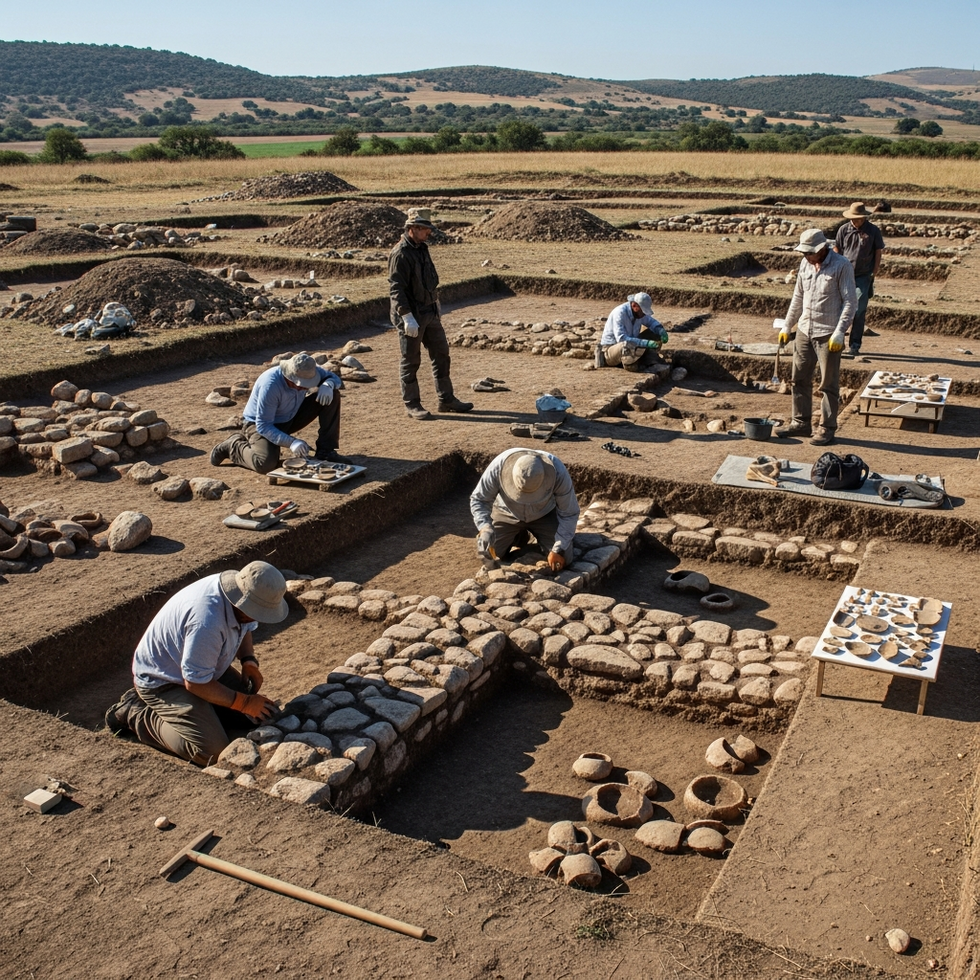
Back then, during what people call the New Stone Age, life changed fast - farming showed up, villages stayed put, new ways of living took root. Instead of wandering from place to place chasing food sources, humans began sticking around, building things together. Evidence left behind tells a clear story: planting crops instead of chasing wild ones, bringing animals close after centuries on their own, crafting basic but useful objects. These shifts didn’t happen all at once, but each small step added weight toward communities that would grow richer over time. Out at places such as Taş Tepeler in Turkey, digs have pulled up both objects and buildings - giving a clear look into how ancient people adjusted to life around them, found new ways to handle resources, while slowly building patterns that would later grow into cultures. What stands out here is how tools evolved alongside group collaboration during this stretch of history. Looking into the Neolithic time opens a path toward understanding where city life, structured beliefs, and written language came from down the line. What grabs attention is how people during the Neolithic adapted when weather shifted - small changes that shaped survival. Their choices mattered more than expected, often tied to what crops grew where. Not every decision worked out, yet lessons came anyway. This period shows patience and trial rather than sudden breakthroughs.
The Significance of the Taş Tepeler Project in Preserving and Illuminating Neolithic Heritage
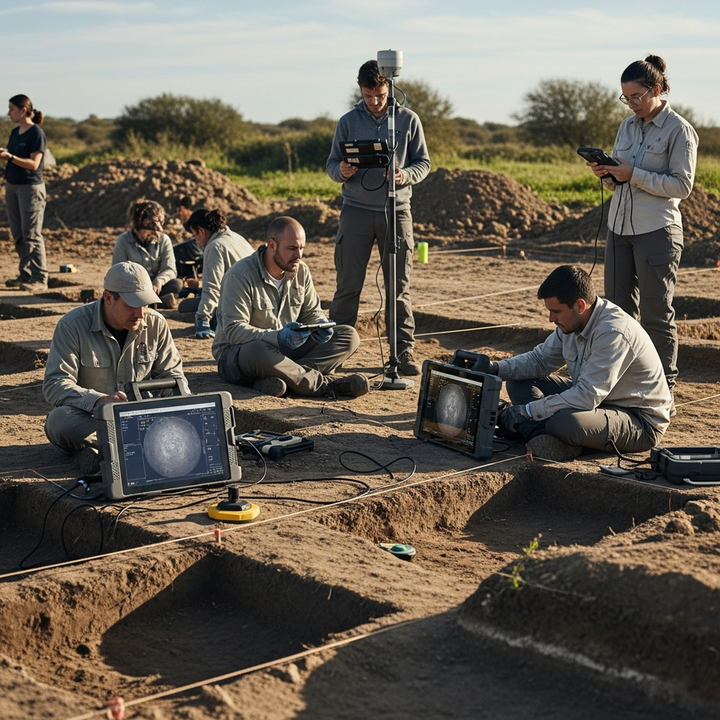
Deep within Turkey’s Cappadocia landscape, the Taş Tepeler project unfolds like a hidden chapter from ancient times. Not just digging holes, but unearthing pieces of lives long buried - walls cracked by time, stones shaped by curiosity. People once walked here, leaving behind fragments now carefully marked and noted. From scattered remains, clues emerge about how they built, hunted, shared meals under open skies. Pottery pieces tell of daily routines, while tools suggest bold attempts at order amidst chaos. This work isn’t about grand monuments; it honors quiet moments shared between strangers centuries ago. What stands out is how the site brings ancient life into clear view, while also working to protect what remains for those who come after. Through outreach like guided tours and open exhibits, visitors gain a deeper understanding of where we began, reaching learners, travelers, and neighborhood residents together. Hidden within its layers are clues about how first communities structured daily routines, found or shared food, and created visual symbols - threads that stretch forward, shaping present-day values and traditions. This place matters a lot to Turkey when it comes to how we understand early humans and digging up the past.
Innovations and Artifacts That Shaped Early Societies Including Tools and Cultural Expressions
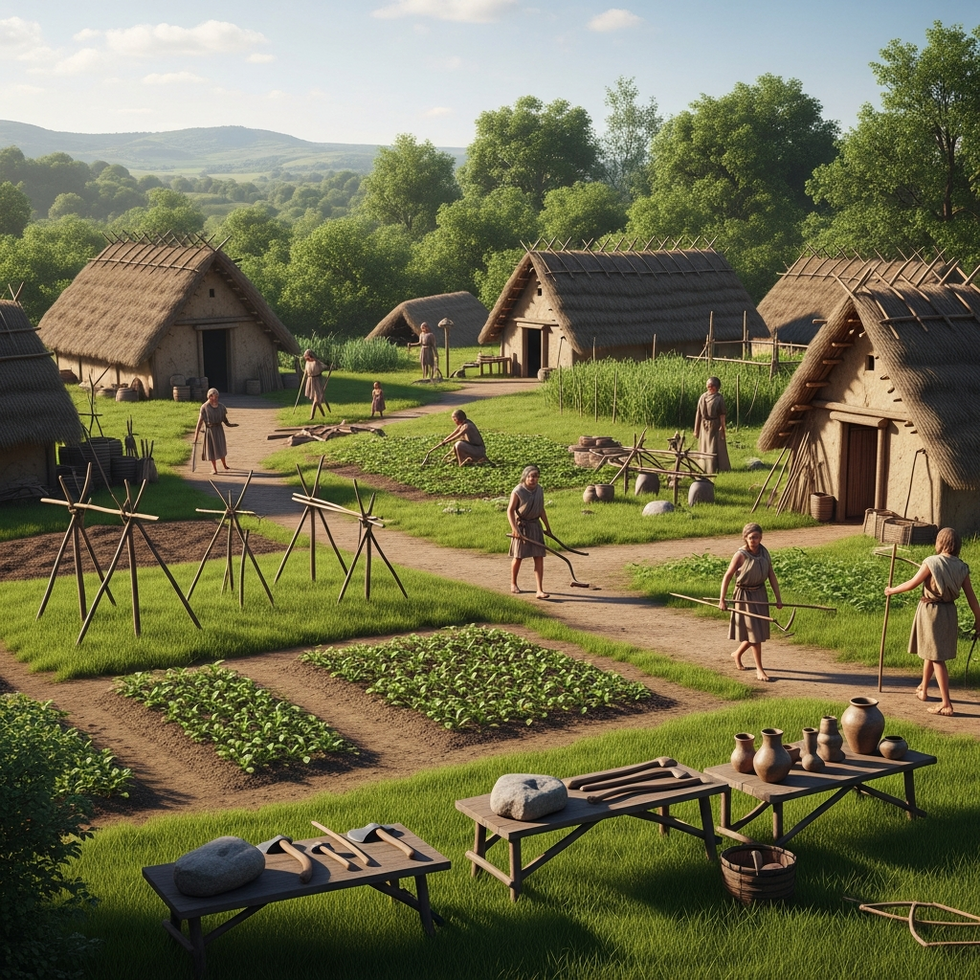
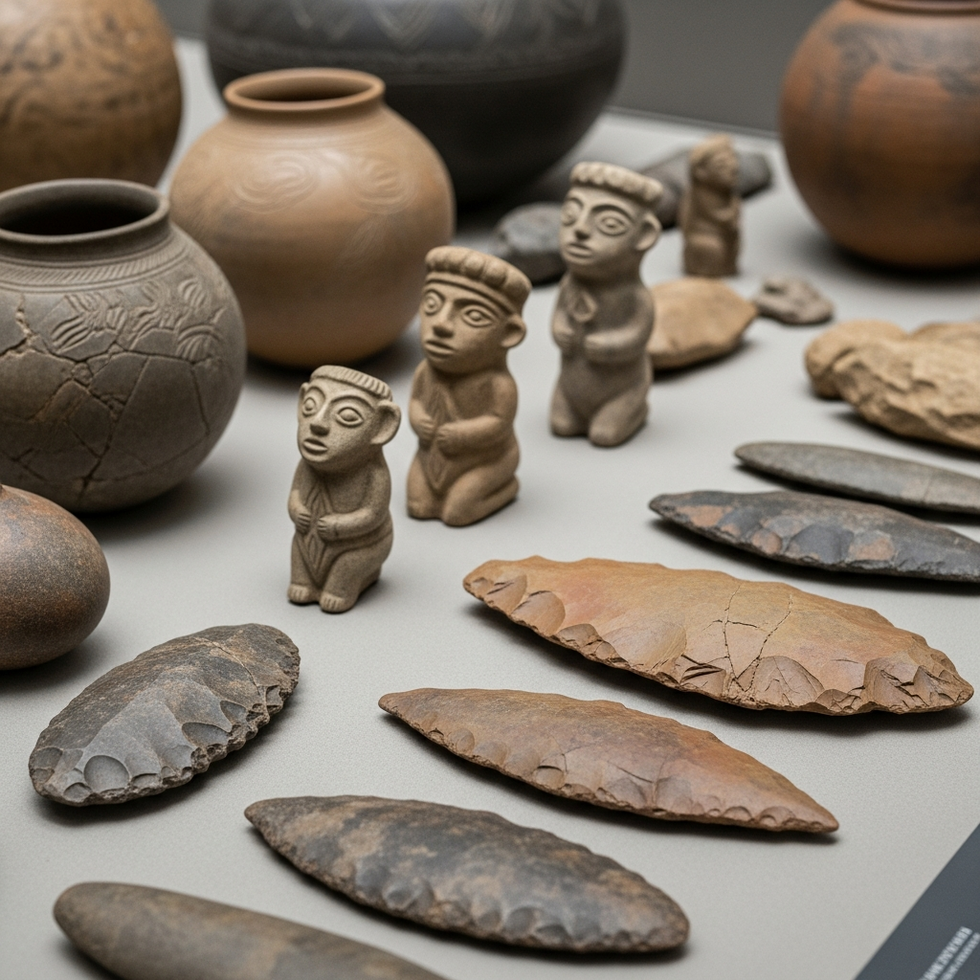
What grabs attention most about the Neolithic age isn’t technology alone - it’s how skilled craftsmen left their mark in objects found across places such as Taş Tepeler. From rough pebbles emerged axes, scrapers, arrows - tools essential for chasing prey, growing food, living through each day. Shaping these by hand showed a quiet grasp of stone behavior, along with creative problem solving. Because of such basic creations, entire communities shifted in ways few would have predicted. Beyond tools, Neolithic finds include decorative pieces - tiny statues, colored vessels - that hint at rituals long ago. Such objects open windows into ancient beliefs, ways of creating meaning, forms of community life. Right now, galleries and personal holdings display copies, real remnants - some sparked by what people first dreamed up back then. Still, today's reimagining - think learning tools or interactive worlds - breathes life into ages long gone, turning old ideas into something tangible, even familiar, sparking real respect for earliest inventive drives.
From Excavation to Education and Cultural Engagement through Modern Interpretations
Beyond digging up sites, efforts like Taş Tepeler open doors to learning, cultural involvement, and sharing what the past holds. Interactive exhibits, learning bundles, sometimes playthings shaped by Stone Age life draw people in - locals’ kids, visiting scholars, travelers through town. Pages filled with stories, digital journeys into old times, life-size copies of found objects help make those distant lives feel real. Fingers feel the weight of replica hammers, while mock stone slabs teach how old world's built. Tools from thousands of years challenge how things stick together, alongside paintings that echo prehistoric thoughts. Some carry small replicas or handcrafted pieces shaped like cave carvings. Screens glow with stories shaped by ancient traces, lighting interest that quietly grows. What stands out is how deeply people once shaped their world, sparking a sense that old times still hum beneath modern life. Exploring where we came from keeps matters personal, far from today’s rush. The Neolithic wasn’t only centuries ago - it breathes somewhere near now.