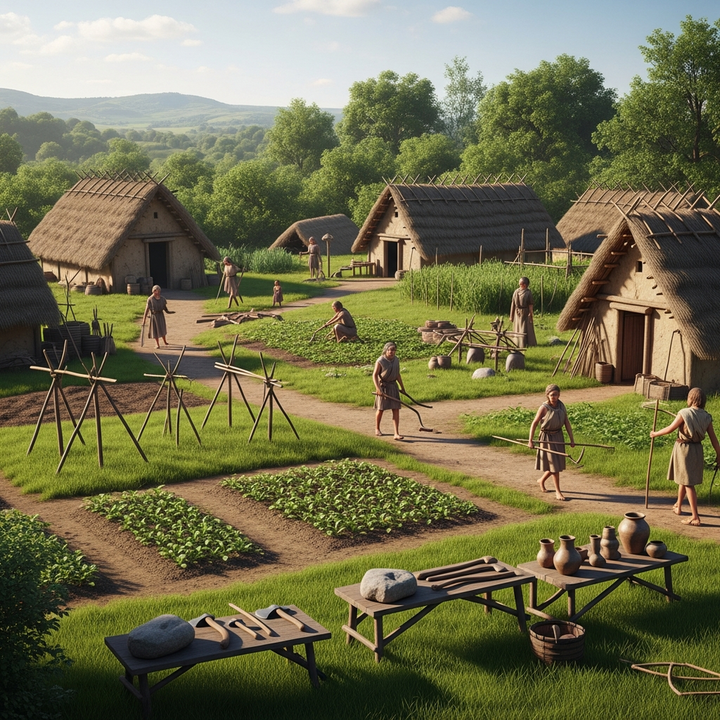
Unveiling Humanity's Past Through the Lens of Modern Archaeology
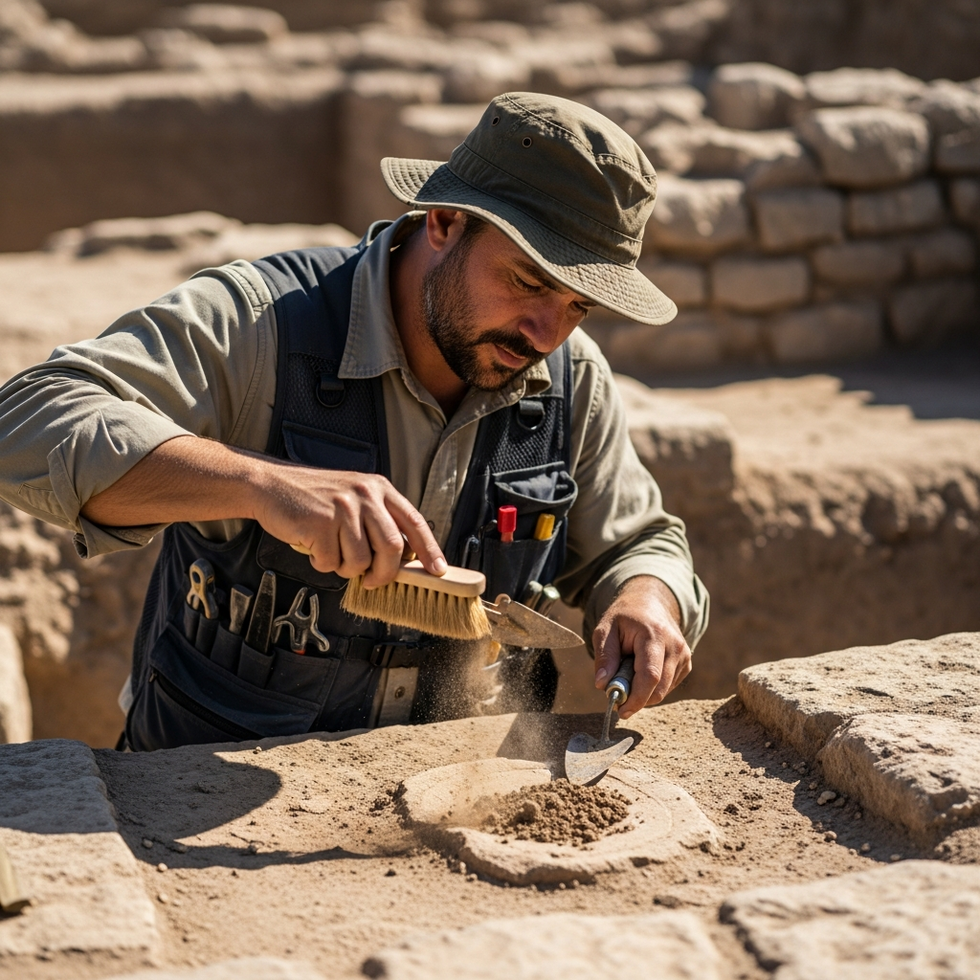
The Significance of Archaeology in Understanding Human History
From hidden sites to museum shelves, ancient remains tell how people lived long ago. By carefully unearthing remains and studying old items, experts rebuild moments from deep history. Instead of mere treasures, these finds reveal how groups organized themselves, what beliefs guided them, and when new tools appeared. Out of old ground comes understanding - quiet but powerful - of lives unlike ours yet strangely familiar. Take old farming gear - it shows how people lived long ago. Look at giant rocks stacked in Egypt; those tell us about power and worship back then. Scientists now dig up sites using old methods alongside high-tech tools like ground-scanning devices or genetic testing. Each find adds detail, painting clearer pictures of past lives across continents. By exploring ruins on every continent, clues about common origins come to light, slowly building respect for varied traditions and enduring human spirit. What makes archaeology matter is how it pulls us into distant eras, revealing histories stuck in dirt and rock, showing where we all began.
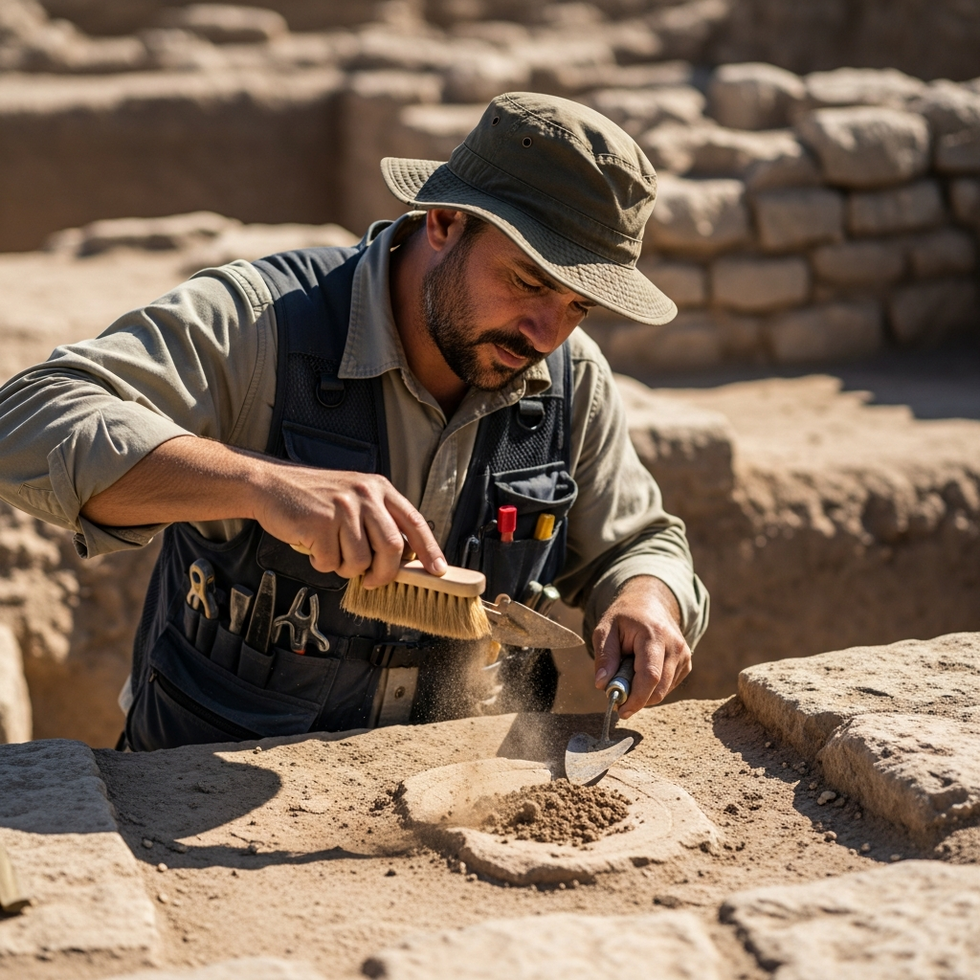
Innovations in Archaeological Techniques Transforming the Field
Over the past few decades, big changes in tech have reshaped how archaeologists work. Instead of relying only on shovel-based exploration, they increasingly turn to tools like ground-scanning devices or drones that fly low overhead. These helpers let experts spot hidden features beneath soil without lifting a shovelful. At the same time, detailed images from the sky - gathered by LiDAR systems - help trace patterns across vast land areas. With less digging involved, more of the original context stays undisturbed. Digital platforms now make it easier to record and rebuild old sites, linking researchers across regions without barriers. Tools like online archives together with virtual models support clear sharing among experts worldwide. A fresh method uses genetic material from fossils - known as ancient genomics - to map how people moved long ago and uncover their biological heritage. Because of advances in science, archaeologists sometimes find entire towns buried under trees or shifting grains, shifting how we see history. Evidence like this regularly alters how past events are understood, changing standard stories quietly behind academic gates. Look at how tech helps dig up history - science keeps improving ways to explore what came before, turning old digs into livelier, clearer studies.
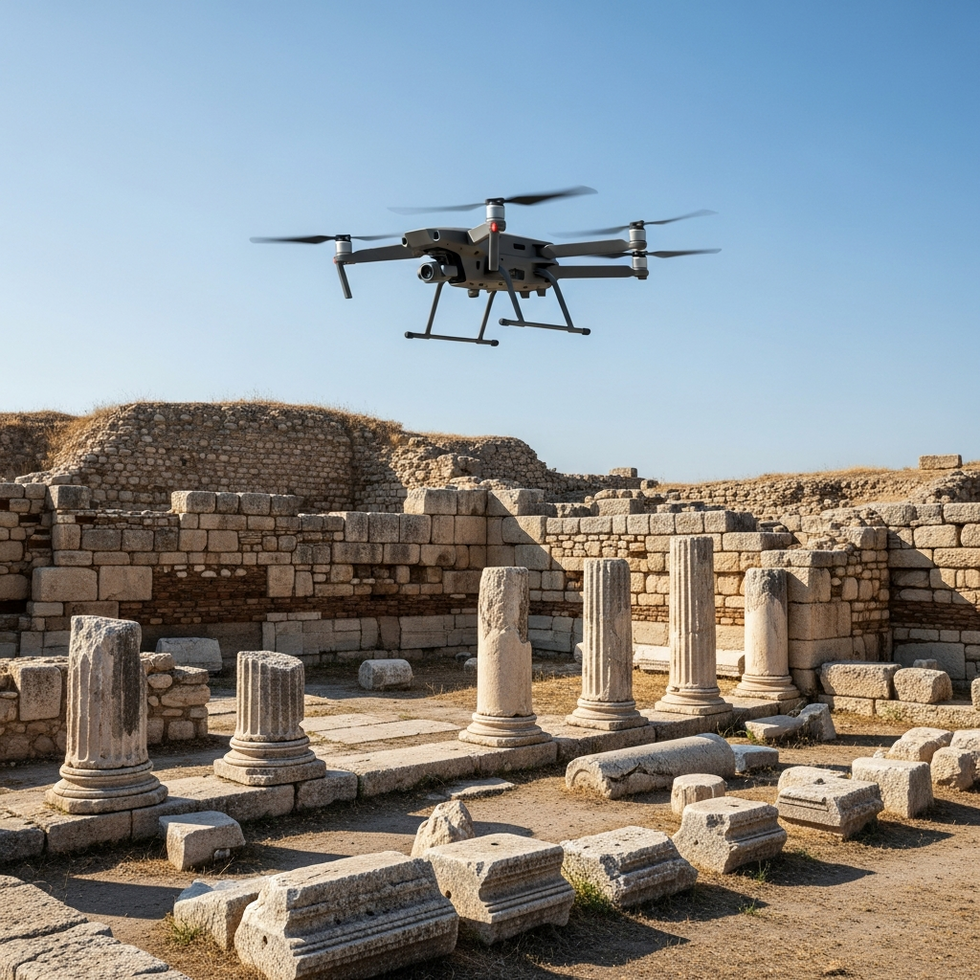
Cultural Heritage Preservation and the Challenges of Excavation
When digging up old ruins, problems pop up in messy bundles - nature, power struggles, moral dilemmas tangled together. Because these searches tear into sacred ground, every move needs thought and care to shield what remains. Groups like UNESCO step in, setting rules to shield the boldest parts of human history. Still, those in power and nearby towns rarely see eye to eye when it comes to building on one hand or saving places on the other. Lately, people have turned to online tools just to record and protect areas before they vanish. Lately, First Nations and community members are stepping forward earlier in planning - their deep ties to heritage ground shaping outcomes. Even with all that's been done, disagreements still happen at old ruins, particularly where fighting has happened or cities are growing. What matters most is making room for discovery without harming what belongs to everyone. Talk between diggers, caretakers, and local people keeps shifting, guided by care, duty, and ways to stay within limits when unearthing history.