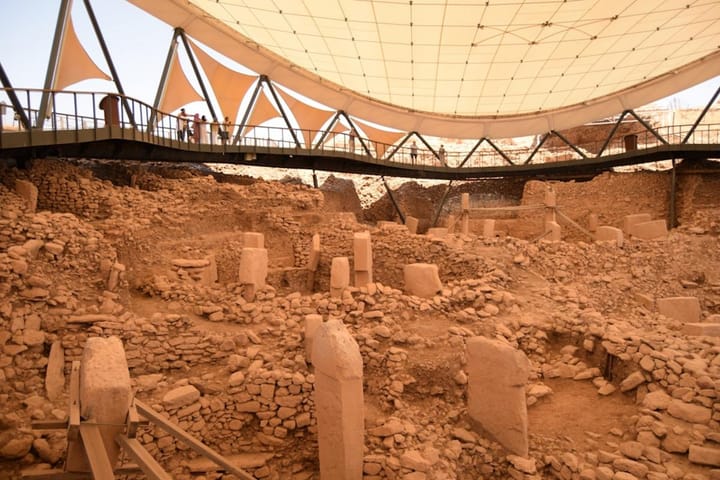
Unveiling the Neolithic Era: Insights from the Taş Tepeler Project and Its Cultural Significance
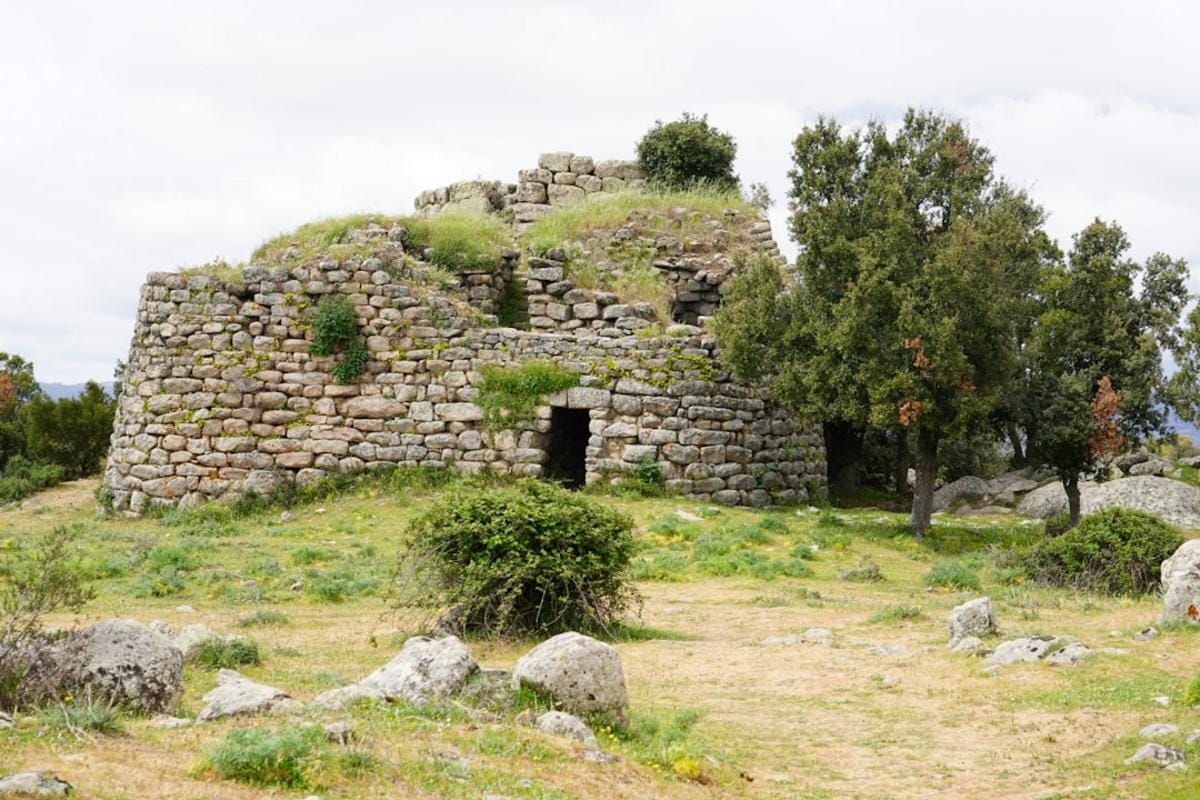
The Foundations of Human Society During the Neolithic Era
The Neolithic era, often referred to as the New Stone Age, marks a pivotal chapter in human history. This period, spanning approximately 10,000 to 4,500 BCE, witnessed the groundbreaking shift from nomadic hunter-gatherer lifestyles to settled agricultural communities. The advent of farming introduced a level of stability that allowed for the development of villages, social hierarchies, and technological innovations. As researchers continue to uncover traces of these early societies, it becomes evident that this era laid the groundwork for many aspects of modern civilization. The careful study of Neolithic artifacts provides insights into how ancient humans domesticated plants and animals, eventually leading to the rise of complex societies. Understanding this transition is essential because it highlights the human capacity for ingenuity and adaptation, which remains relevant even today.
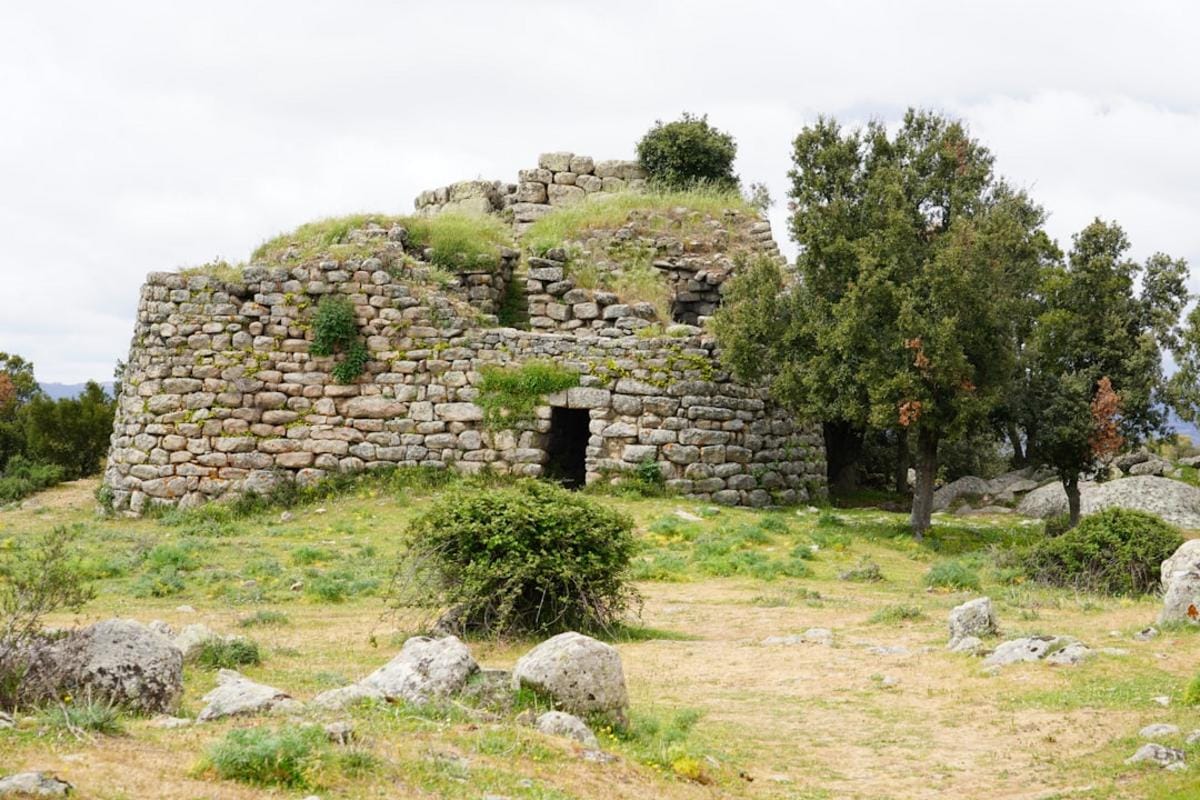
The Taş Tepeler Project Illuminates Neolithic Life
The Taş Tepeler project stands as a comprehensive initiative dedicated to exploring the Neolithic period within Turkey, especially in the region where these ancient settlements once thrived. This project combines groundbreaking archaeological excavations with educational outreach, aiming to engage both scholars and the general public. Through meticulous excavation and analysis, scientists have uncovered a wealth of artifacts such as primitive tools, pottery, and early figurines that help piece together the daily lives of Neolithic inhabitants. One of the notable aspects of the project is its focus on early agricultural tools, demonstrating how ancient societies cultivated crops and managed their environment. The initiative also emphasizes the importance of preserving this cultural heritage by documenting the artifacts and integrating modern technology like 3D scanning and virtual reconstructions to make the past accessible. For enthusiasts in Turkey, this project offers a remarkable glimpse into early human ingenuity and societal development, encapsulated in a blend of archaeological discovery and cultural preservation.
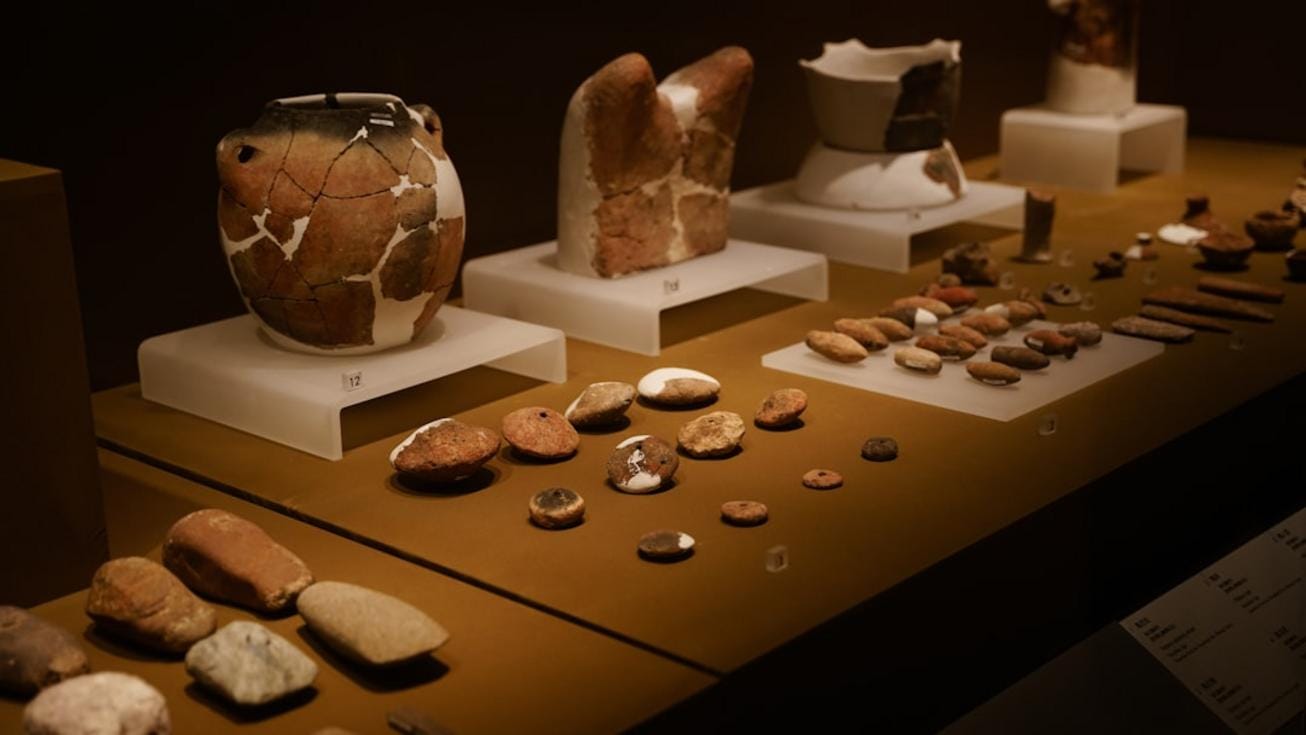
From Ancient Tools to Modern Cultural Heritage
The significance of the findings from the Taş Tepeler project extends beyond academic circles, impacting modern cultural appreciation and education. The ancient tools and artifacts discovered—such as arrowheads, grinding stones, and pottery—are more than mere relics; they are symbols of early human innovation. To foster greater engagement with this heritage, the project has developed a range of educational resources, including interactive toys, games, and even novels inspired by Neolithic themes. These innovative tools serve to make history engaging for younger audiences and provide a tangible connection to the distant past. Moreover, special gift items inspired by Neolithic art and craftsmanship are available for collectors and enthusiasts who wish to carry a piece of ancient history into their daily lives. This bridging of ancient and modern cultural elements underscores the enduring influence of Neolithic innovations on contemporary society, reminding us that human creativity and societal development have deep roots that continue to shape our world today.
The Lasting Legacy of the Neolithic Period in Turkey and Beyond
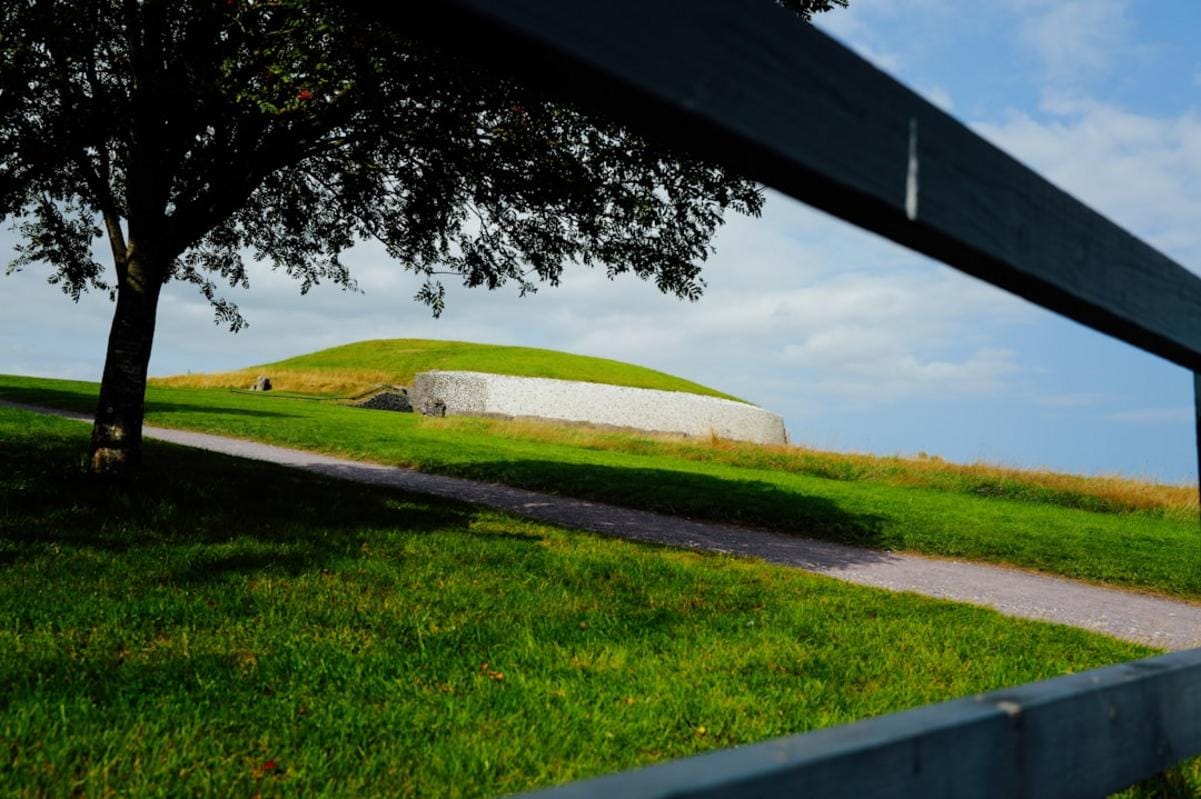
The insights gained from the Taş Tepeler project and similar archaeological endeavors contribute significantly to our understanding of the profound impact of the Neolithic period on both Turkey and the wider world. The innovations during this time—such as the domestication of plants and animals, the development of permanent settlements, and advancements in tool-making—are foundational to subsequent civilizations. These early innovations set in motion pathways that led to complex societal structures, trade networks, and cultural expressions important to human history. By studying the physical remains of these ancient societies, scholars can trace the developmental milestones that shaped human progress over millennia. The ongoing efforts to preserve and promote this heritage not only enrich our historical understanding but also foster a sense of identity and continuity within Turkey’s diverse cultural landscape. Embracing and disseminating knowledge about the Neolithic past ensures that future generations appreciate their rich cultural roots and the shared history that binds us all.