The Hidden Influence of Neolithic Innovations on Modern Cultural Identity
Unveiling the Unexpected Impact of Neolithic Innovations on Today’s Culture
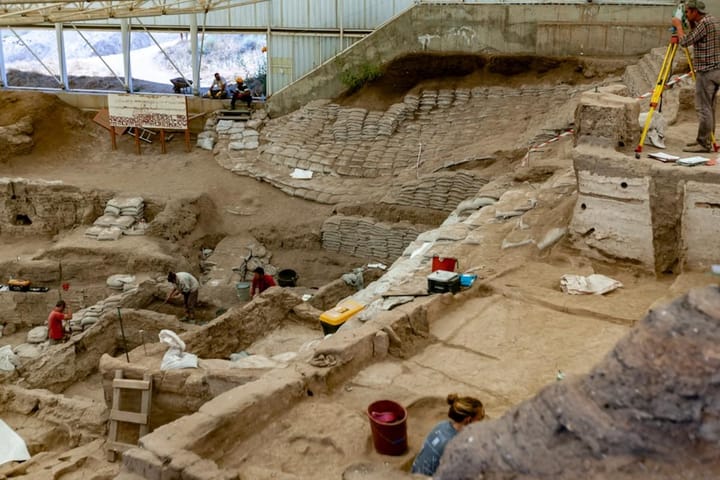
Most discussions around the Neolithic era focus on the advent of agriculture and the rise of early settlements, yet what often remains hidden are the profound and enduring influences these innovations have on our current cultural identity. While mainstream narratives tend to depict Neolithic societies as primitive or solely agricultural, a closer examination—such as through the insights provided by the Taş Tepeler project—reveals that these ancient peoples were far more inventive than commonly acknowledged. Many of the tools, art forms, and societal structures we associate with modern culture have roots that trace back to this transformative period. For instance, the concept of community cooperation, basic form of governance, and even symbolic art can be traced to Neolithic innovations that challenged the misconception that humanity’s earliest days were purely survival-focused and lacked sophistication. By uncovering the artifacts and settlements from this period, researchers are rewriting the story, emphasizing that early humans were inventive pioneers whose ideas resonate in modern cultural expressions. This highlights a crucial, yet often overlooked fact: the Neolithic era did not simply lay the groundwork for agriculture but also sparked creative and societal frameworks that continue to shape our cultural fabric. These hidden yet powerful influences are now being celebrated through initiatives like the Taş Tepeler project, transforming our understanding of human history from a linear progression to a vibrant tapestry of continuous innovation.
Debunking Myths that Oversimplify Neolithic Creativity
A common misconception about the Neolithic period is that early humans were mere stone tool users focused solely on survival, lacking the creative spark that characterizes later civilizations. This oversimplification ignores the rich cultural expressions found in archaeological records—patterns in pottery, intricate carvings, and early forms of symbolic art all suggest a sophisticated level of aesthetic and intellectual engagement. The Taş Tepeler project specifically sheds light on how these innovations weren’t accidental but deliberate efforts to communicate, beautify, and organize their societies. Recent excavations reveal that Neolithic artisans developed techniques that rival modern craftsmanship, and their artifacts often bear signs of complex symbolic meanings. Recognizing these creative endeavors dismantles outdated stereotypes, highlighting that early human societies were not merely reactive but proactive and inventive. Their ability to adapt, innovate, and express themselves provides a counter-narrative to the idea that civilization only advanced in linear, technology-driven steps. This shift in perspective is vital for appreciating the depth of Neolithic cultural innovations that continue to influence contemporary notions of art, community, and identity.
The Hidden Power of Neolithic Art in Shaping Contemporary Cultural Symbols
In our modern world, symbols such as geometric patterns, sacred motifs, and ritualistic objects often seem contemporary but have origins that stretch back to the Neolithic era. These artifacts from the Taş Tepeler site demonstrate that early humans harnessed art not just as decoration but as a form of communication, cultural preservation, and societal bonding. For example, abstract carvings and figurines found in excavations reveal complex symbolic languages that are echoed in contemporary cultural motifs—tattoos, logos, and ceremonial art. This continuity underscores how Neolithic artistic expressions laid the groundwork for modern cultural symbols that serve as identity markers, communal bonds, and spiritual representations. Recognizing these deep roots enhances our appreciation of how past innovations continue to resonate in everyday life, often subliminally. It also affirms that early humans possessed a nuanced understanding of visual storytelling, which remains a vital component of cultural evolution and heritage preservation today. The Taş Tepeler project provides a comprehensive look into these ancient symbols, illuminating their significance and ongoing influence across millennia.
Rethinking Cultural Heritage as a Continuum of Early Human Ingenuity
Far from being distant relics frozen in time, Neolithic artifacts represent living threads in the fabric of our shared cultural heritage. Through projects like Taş Tepeler, historians and archaeologists are illustrating that early innovations were not isolated flashes of creativity but foundational elements of ongoing human ingenuity. This perspective encourages us to view cultural heritage as a dynamic continuum—each generation building upon the innovations of the past. For instance, community organization, craftsmanship, and symbolic expression initiated during the Neolithic era are active facets of modern cultural identity, celebration, and education. Modern museums and educational initiatives are now emphasizing the importance of recognizing these connections, fostering a greater appreciation of how our ancestors’ creative outputs are still alive in our traditions and practices. Conversely, this approach challenges the notion that cultural heritage is static or solely preservational; instead, it is a continuous dialogue with the past, constantly reshaped and revitalized. The Taş Tepeler project exemplifies this inclusive view, making ancient Neolithic culture accessible and relevant, ensuring that early human ingenuity remains an integral part of our evolving cultural identity.
Neolithic innovations laid the groundwork for societal structures, art, and symbolic communication still visible today. They remind us that human creativity is a fundamental, ongoing process that transcends time. Recognizing this helps deepen our appreciation for cultural continuity and evolution.
The Taş Tepeler project uncovers and preserves key Neolithic artifacts, offering insights into early societal innovations. Its educational resources and exhibitions emphasize the ongoing influence of these cultural foundations on modern identity and heritage.
Neolithic innovations began around 10,000 years ago, with their influence gradually permeating through later civilizations and into modern culture via artifacts, art, and societal practices. This continuous legacy underscores the enduring relevance of early human ingenuity.