Unveiling the Foundations of Humanity Through the Neolithic Heritage of Turkey
Understanding the Neolithic Era and Its Impact on Human Society
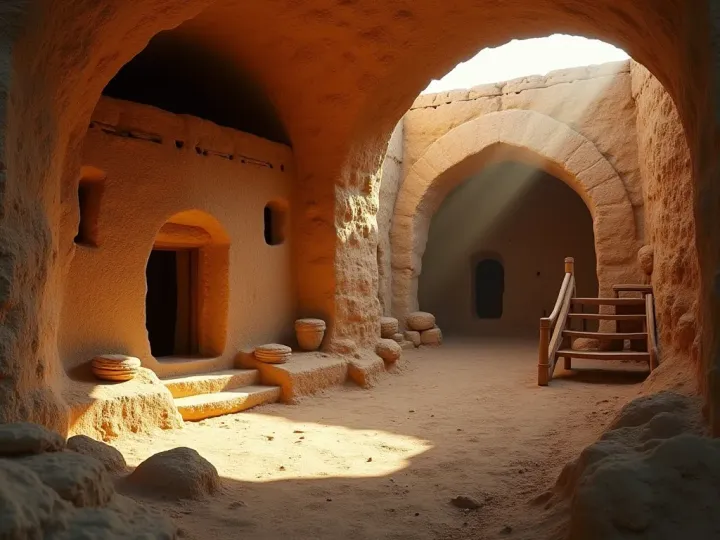
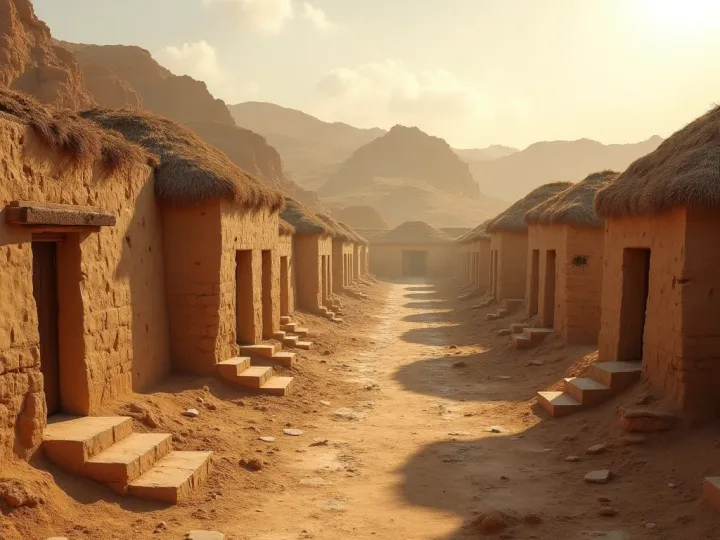
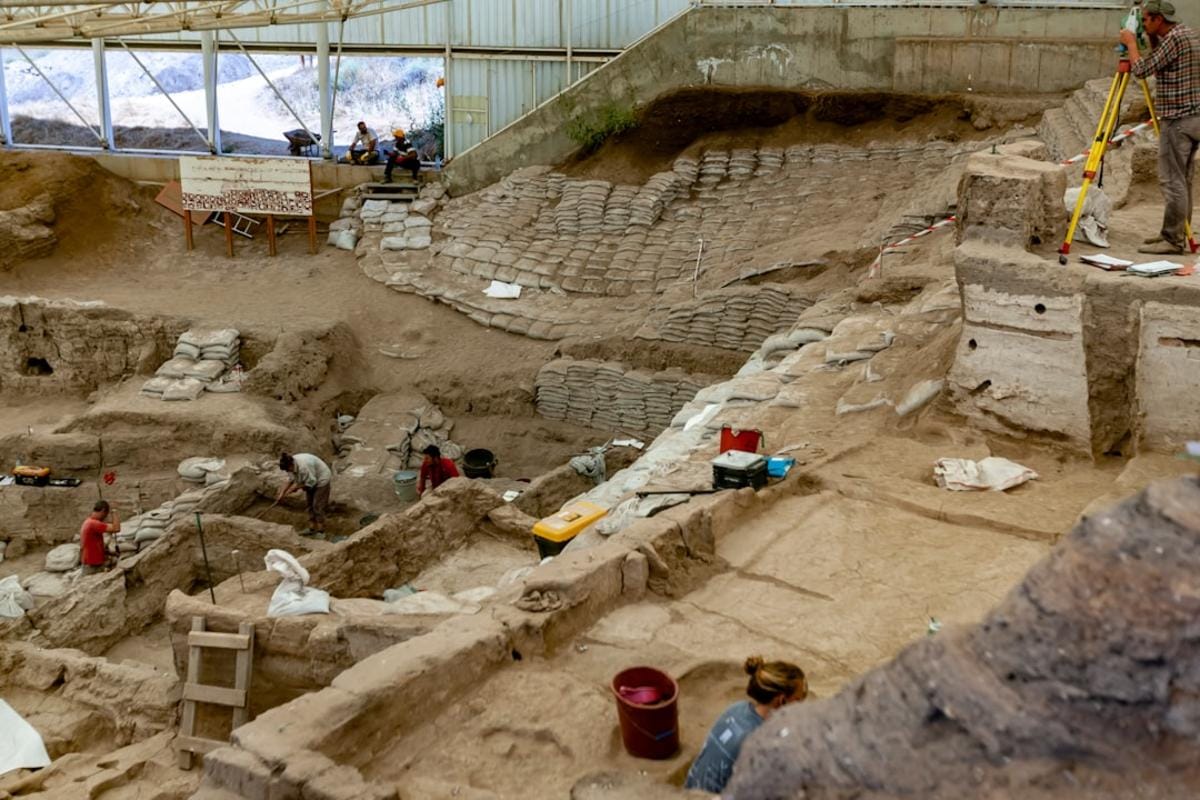
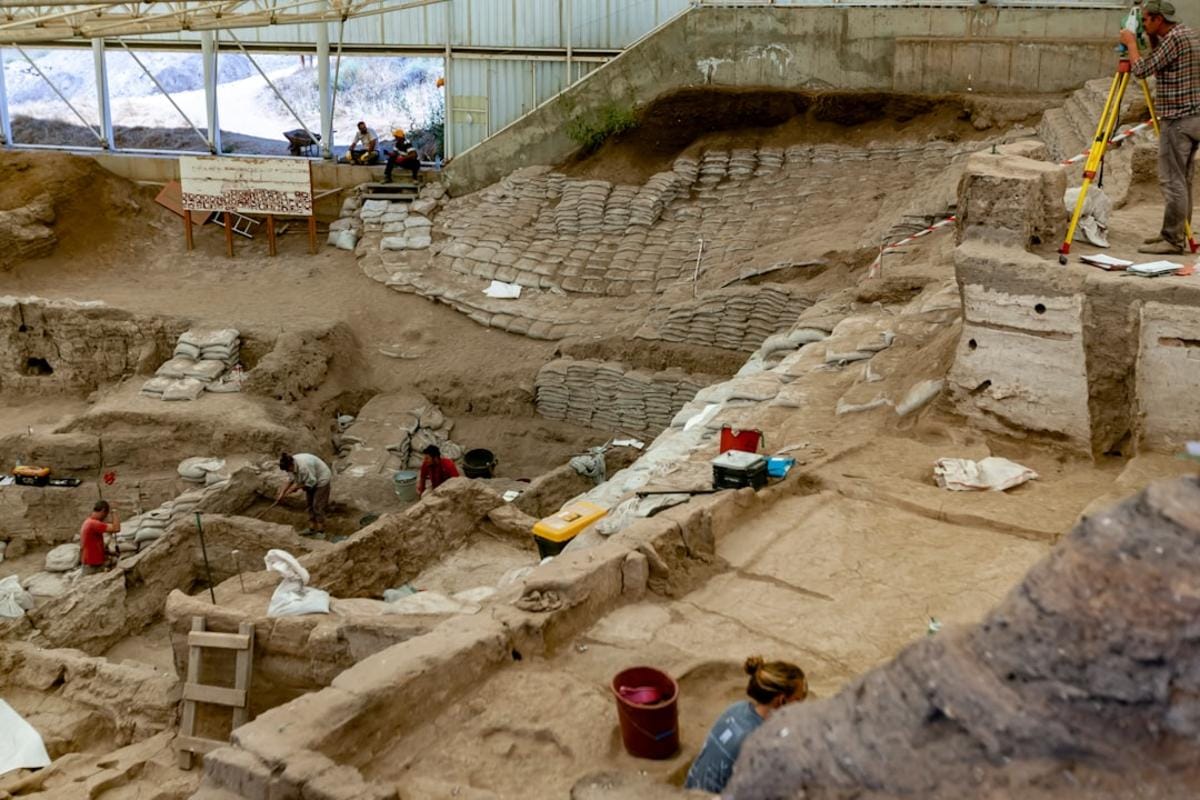
Imagine stepping back thousands of years into a world where humans transitioned from nomadic lifestyles to establishing permanent settlements. This transformative period, known as the Neolithic Era, marks a pivotal chapter in human history. The advent of agriculture fundamentally altered societal structures, allowing communities to cultivate crops and domesticate animals. These innovations not only supported population growth but also led to the development of complex social organization, crafts, and early technologies that laid the groundwork for civilization. In Turkey, archaeological sites like Göbekli Tepe demonstrate some of the earliest evidence of organized spiritual and social activity, offering a glimpse into the profound shifts that defined this era. Understanding the Neolithic period is essential for appreciating the origins of our cultural traditions, technological advancements, and societal norms that continue to influence modern life. Exploring this era through archaeological discoveries and cultural preservation efforts, such as the Taş Tepeler project, enables us to deepen our knowledge of human ingenuity and resilience during a transformative epoch.
The Taş Tepeler Project and Its Role in Preserving Neolithic Heritage
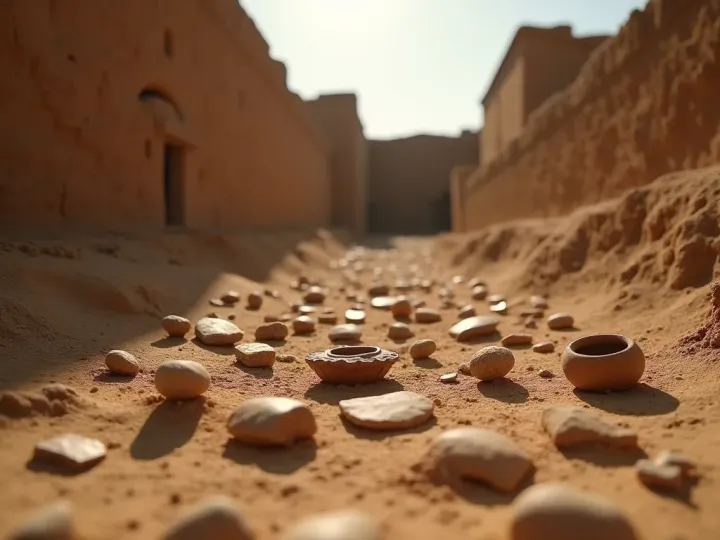
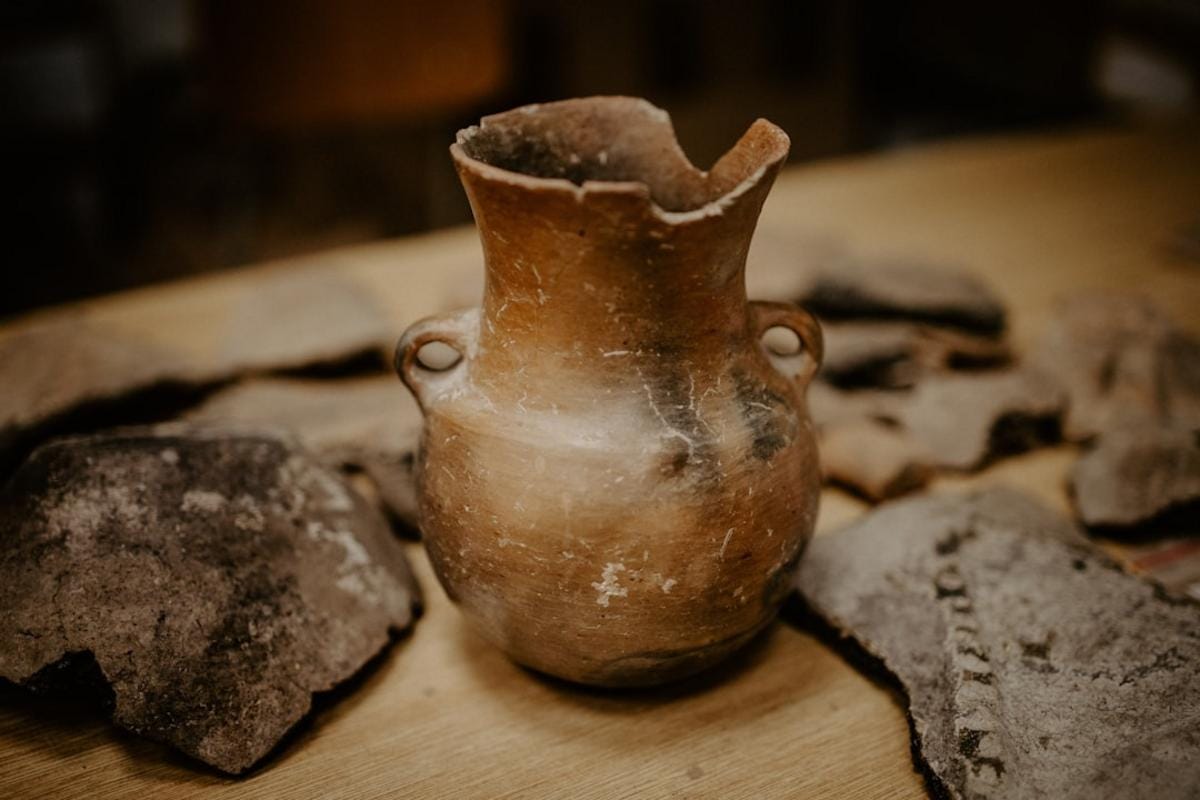
The Taş Tepeler project stands as a beacon of cultural preservation and education regarding Turkey’s Neolithic history. Situated amidst Turkey’s ancient landscape, Taş Tepeler offers a comprehensive exploration of early human settlements, showcasing reconstructed models, educational displays, and a rich collection of artifacts uncovered from archaeological digs. This initiative enables visitors, students, and scholars to immerse themselves in the world of the Neolithic, promoting awareness of early innovations in tool-making, pottery, and social organization. The project also features detailed exhibitions of prehistoric tools, including flint implements and bone artifacts, which illuminate technological advancements from thousands of years ago. Through its immersive displays and accessible resources, Taş Tepeler aims to foster appreciation for the ingenuity of Neolithic communities, emphasizing the shared human experience in our earliest days of culture development. By showcasing these ancient times, the project plays a crucial role in keeping our collective history alive and relevant for future generations.
Educational and Cultural Opportunities Through Innovative Engagements
One of the most exciting aspects of the Taş Tepeler project is its innovative approach to engaging a broad audience, especially young learners and cultural enthusiasts. The project offers a variety of educational tools, including replica tools, interactive games, and storybooks inspired by Neolithic themes. For example, children can explore simulated archaeological excavations or craft their own early tools, fostering hands-on learning about ancient techniques. Additionally, Neolithic-inspired novels and storytelling resources are available to make history accessible and entertaining. To further enhance engagement, the project features a line of souvenirs and collectibles that showcase authentic designs of ancient art and symbols, perfect for history buffs and gift-seekers alike. Whether through educational toys, immersive exhibits, or cultural displays, the Taş Tepeler initiative bridges the distant past with present-day curiosity, making this critical epoch appealing and understandable for diverse audiences. Overall, these efforts help demystify prehistoric life and demonstrate its relevance in shaping modern cultural identity.