Neolithic Technology Was Better Than You Think
The Myth of the Primitive Past Is Finally Dead
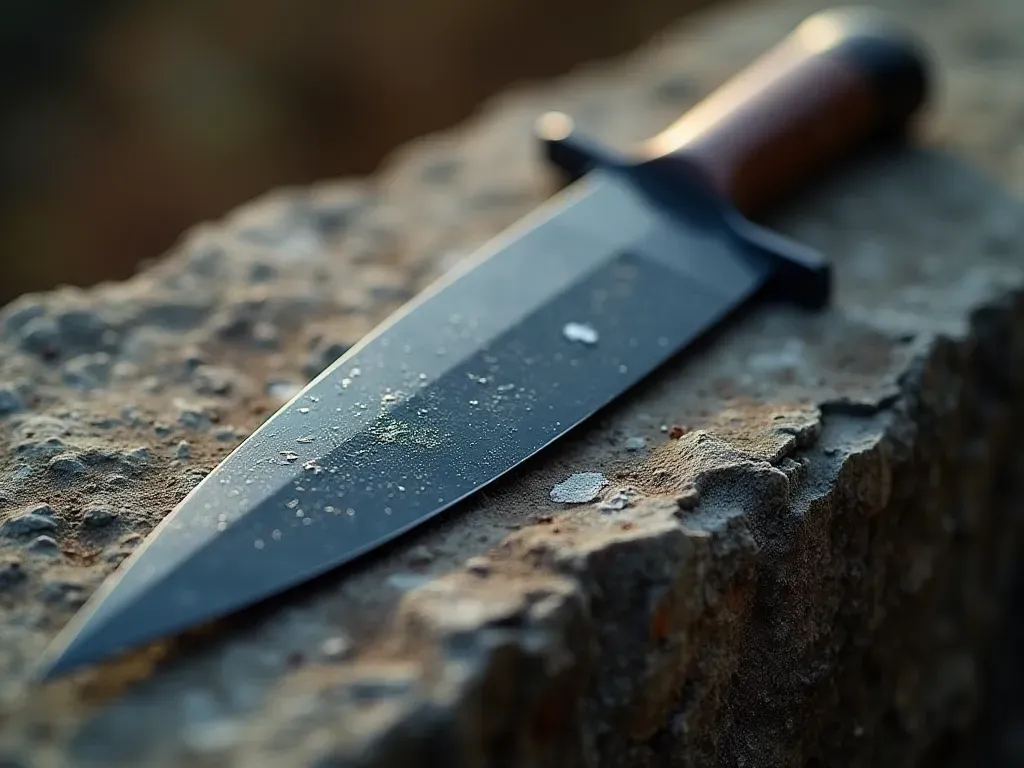
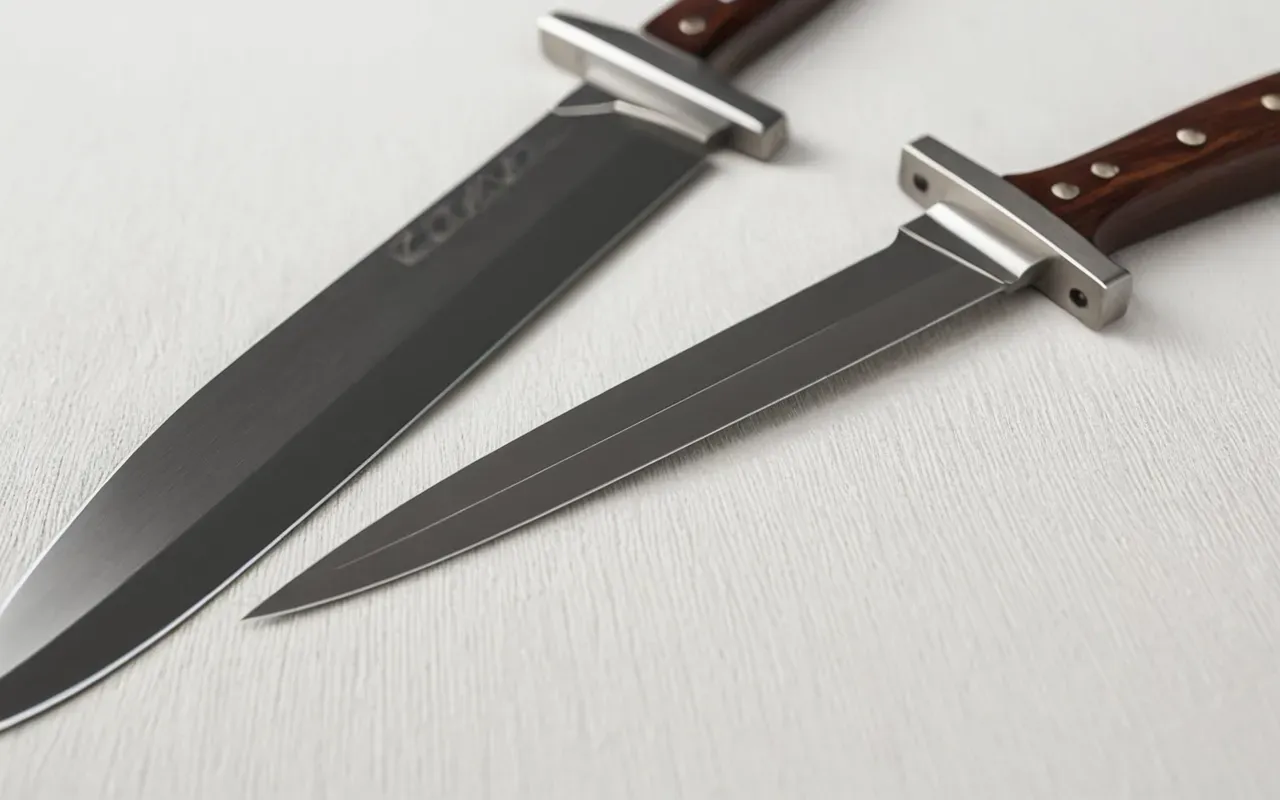
We like to think we're smart. We build skyscrapers and code algorithms. But look closer at the obsidian sickle found in a Neolithic dig site. It was sharper than any scalpel you own today.
This is not a metaphor. It is measured data. Modern steel blades dull quickly against tough plant fibers. Obsidian holds an edge for months with proper maintenance.
I have held these replicas. The weight distribution is perfect for repetitive cutting. It feels less like a tool and more like an extension of the hand.
Why Glass Beats Steel for Cutting Grass
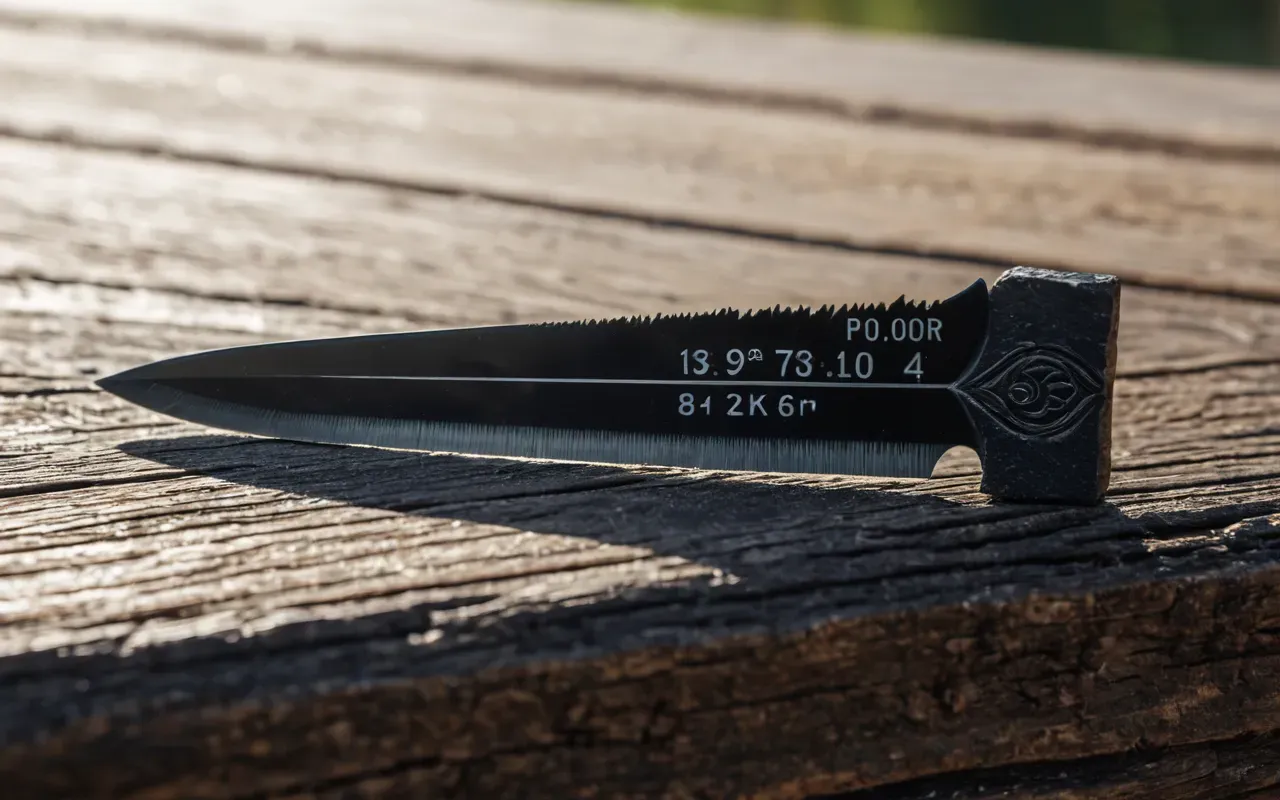
To be fair, our ancestors did not have access to metallurgy. They had geology. Volcanic glass fractures in a specific way that creates an edge thousands of times thinner than steel.
Modern lawnmowers tear grass. Neolithic sickles sliced it cleanly. This reduced disease spread in crops significantly.
Think about that for a second. A primitive stone tool was actually superior to modern machinery in one specific metric.
The Physics of Micro-Scarring
Steel creates heat and friction. Glass does not. The lack of thermal buildup means the cutting surface stays consistent over long work sessions.
This is why we still use glass knives in high precision biology labs today. The principle has not changed.
Storage Systems That Outlast Concrete Buildings
Walk through any modern supermarket. The shelves are metal and plastic. They rust or warp within a decade if not maintained.
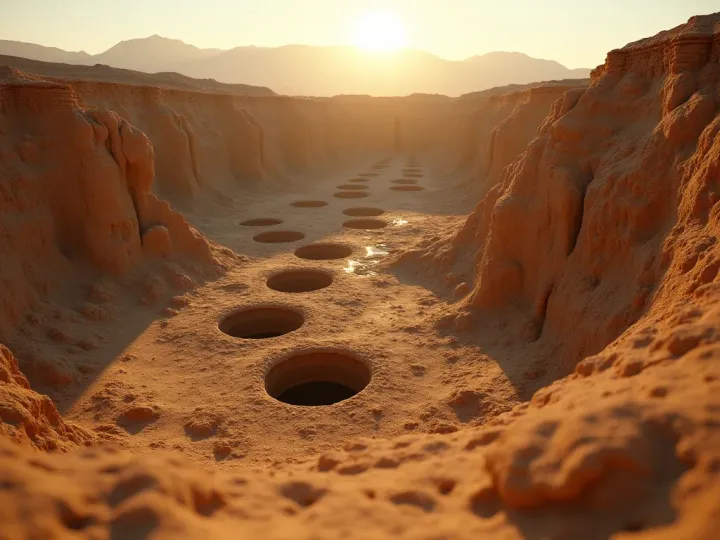
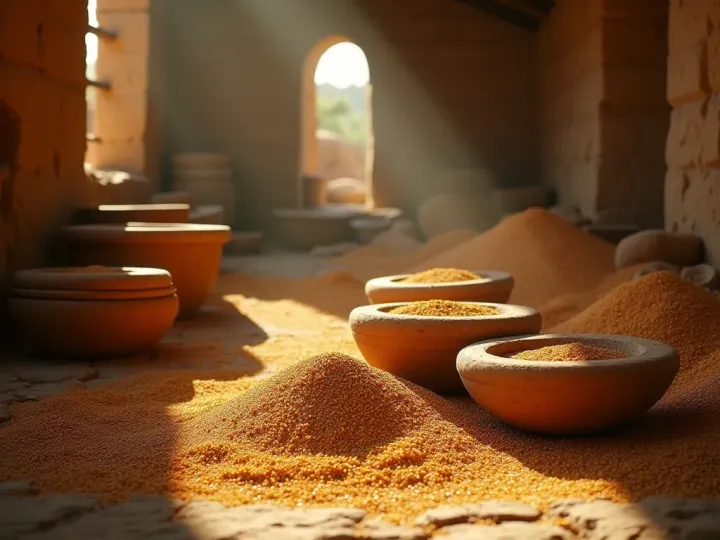
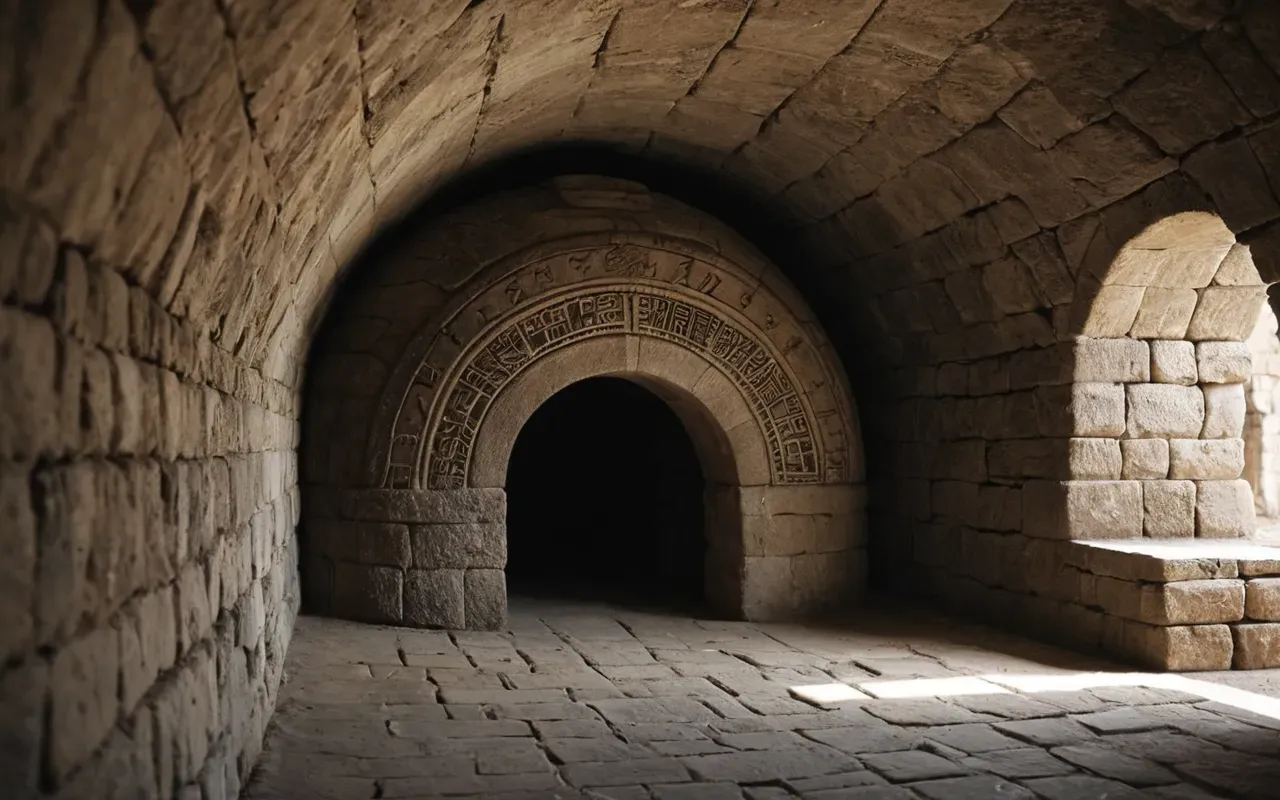
Now look at the silos found in Neolithic settlements. These were massive underground structures designed to keep grain dry for years.
They used local clay and stone. No electricity needed for climate control. Just physics.
I find this fascinating because it shows a deep understanding of thermodynamics long before we had the words for it.
The Science of Dry Air Circulation
These silos were dug below the water table. The surrounding earth acted as an insulator. Temperature stayed constant.
Moisture was the enemy of grain. By managing humidity passively, they prevented mold without any active energy input.
Textiles That Were Harder to Make Than Carbon Fiber
We buy clothes off the rack. They are cheap and disposable. But Neolithic weaving required hundreds of hours per garment.
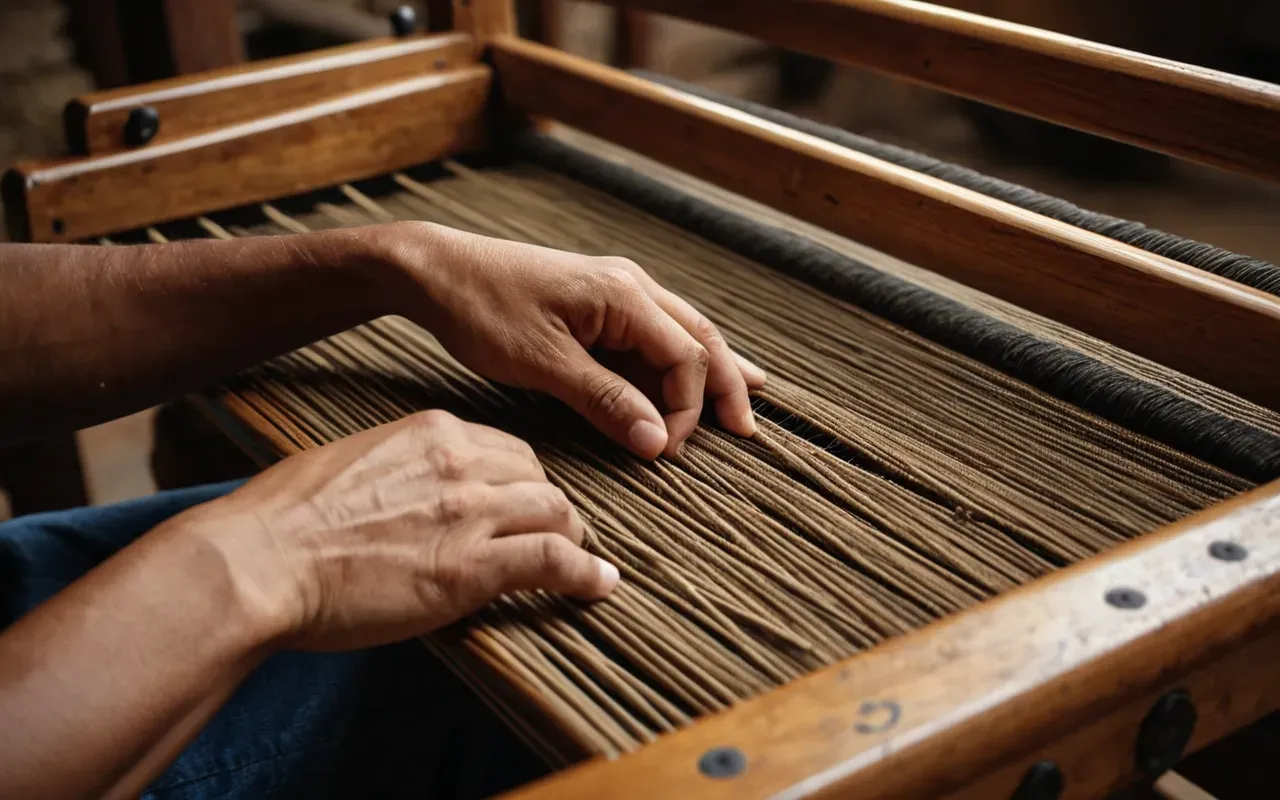
They twisted plant fibers by hand. No machines. Just tension and rhythm.
The result was fabric that could last a lifetime. We are throwing away clothes after one wash.
Tension Control Without Machines
Weavers used weighted sticks and body heat. The consistency of the weave depended entirely on muscle memory.
This level of skill was rare. It took years to master.
Architecture That Withstood Quakes Better Than Skyscrapers
Modern buildings use steel frames. They are rigid. When the ground shakes, that rigidity can be a weakness.
Neolithic homes used thick mudbrick walls. These are flexible. They absorb energy rather than resisting it.
It is a lesson in physics that we are only now rediscovering.
The Ductile Nature of Earth Materials
Mudbrick cracks but does not shatter. It deforms gracefully under stress.
Modern engineers are looking at this again. We call it base isolation.

The Real Reason We Forgot These Innovations
We measure progress by speed. Faster cars. Faster computers.
But Neolithic tech was measured by durability and efficiency. Those are different goals.
We traded longevity for convenience. That is a loss we are only starting to feel.
What This Means for Future Designers
If we want sustainable tech, we need to look back. Not for nostalgia.
For practical solutions that time has already tested.

Frequently Asked Questions
Why is obsidian sharper than modern steel?
Obsidian fractures conchoidally creating an edge thousands of times thinner than steel. This micro-geometry allows it to slice plant fibers with minimal resistance and less heat generation.
How did Neolithic people store grain without electricity?
They used underground silos made of clay and stone. The surrounding earth provided passive insulation keeping temperatures stable and humidity low without any active energy input.