Why finding 50 ordinary houses is far more important than discovering a temple
The quiet revolution of ordinary homes
We chase the spectacular. A colossal temple. A towering statue. A stone circle that defies logic. Those are the discoveries that make headlines and fill museum halls with reverent silence.
But here's the thing. The real story of human history wasn't written in grand monuments. It was lived in mud-brick homes. Cooked over small hearths. Discussed on benches worn smooth by generations.
In Sanliurfa, southeastern Türkiye, archaeologists have just uncovered more than fifty structures from the Neolithic period. And almost all of them are houses.
This isn't just another excavation site. It's a window into the mundane rhythms of people who lived twelve thousand six hundred years ago.
I was struck by the scale of what this implies. We often think of early settlements as scattered campsites or isolated shrines. Sayburc suggests something far more complex.
It was a community. A functioning society with residential quarters and public spaces existing side by side.
What the ground actually tells us
The Sayburc excavations began in under the leadership of Eylem Ozdogan from Istanbul University. They operate within the broader Stone Hills Project funded by the Turkish Culture and Tourism Ministry.
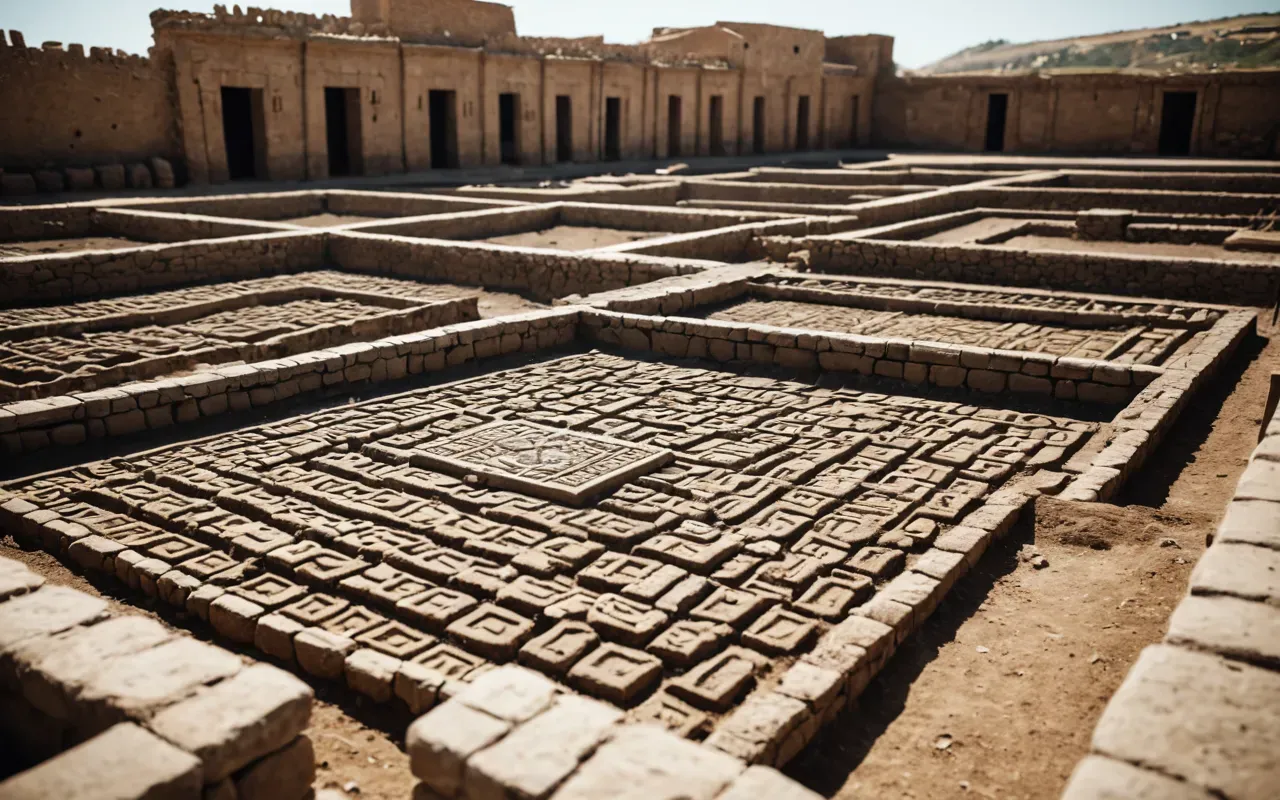
So far, they've identified over fifty structures. The majority are residential buildings. Only five appear to be special public spaces.
Ozdogan told Anadolu Agency that the site reveals both daily life and ceremonial activity. That combination is rare in preserved form.
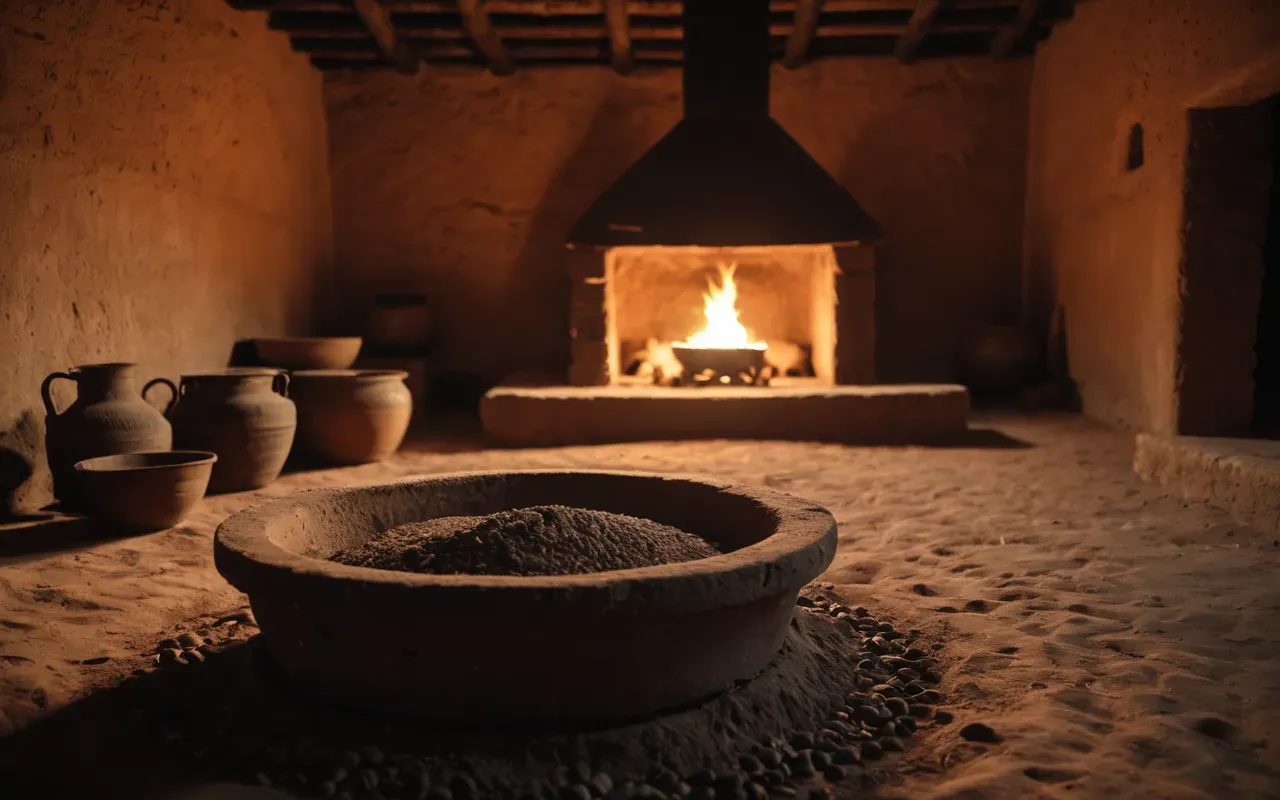
In the homes, traces of food preparation are clear. Hearths and workshop areas suggest cooking and crafting happened indoors.
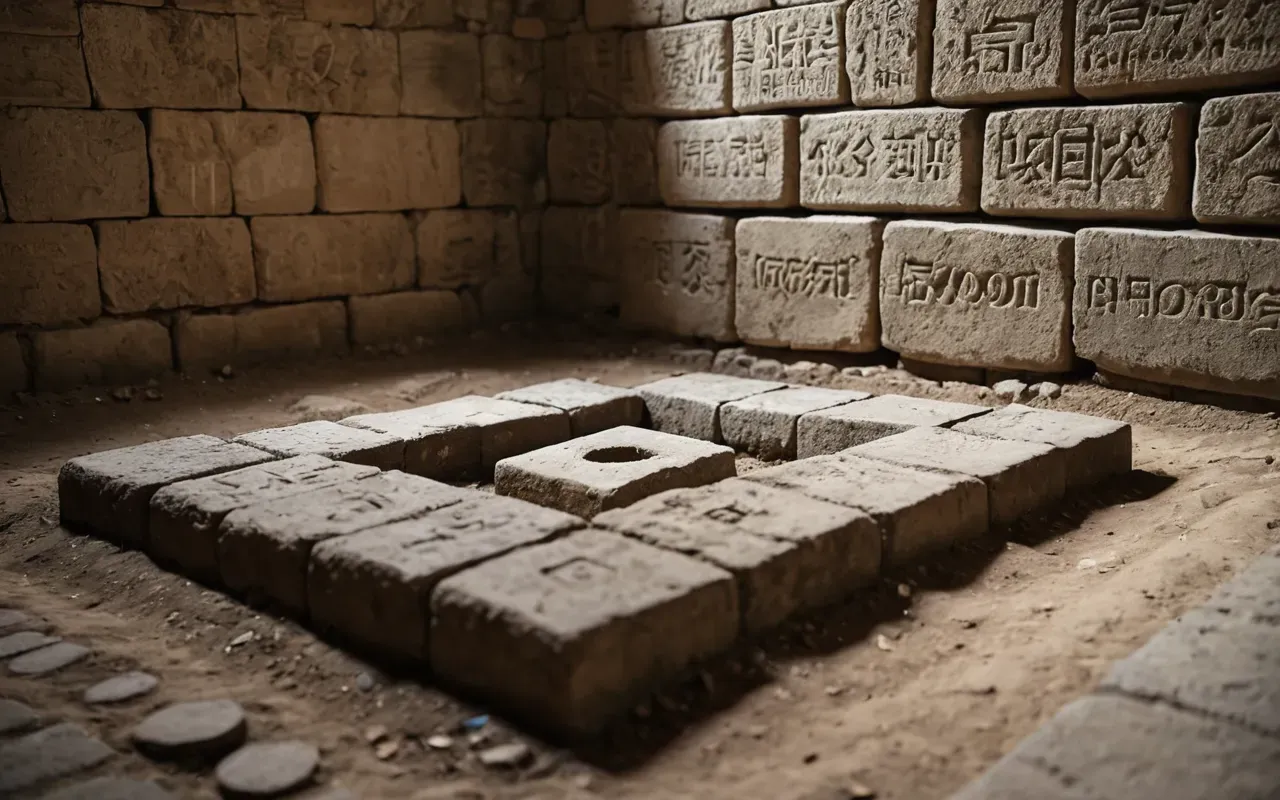
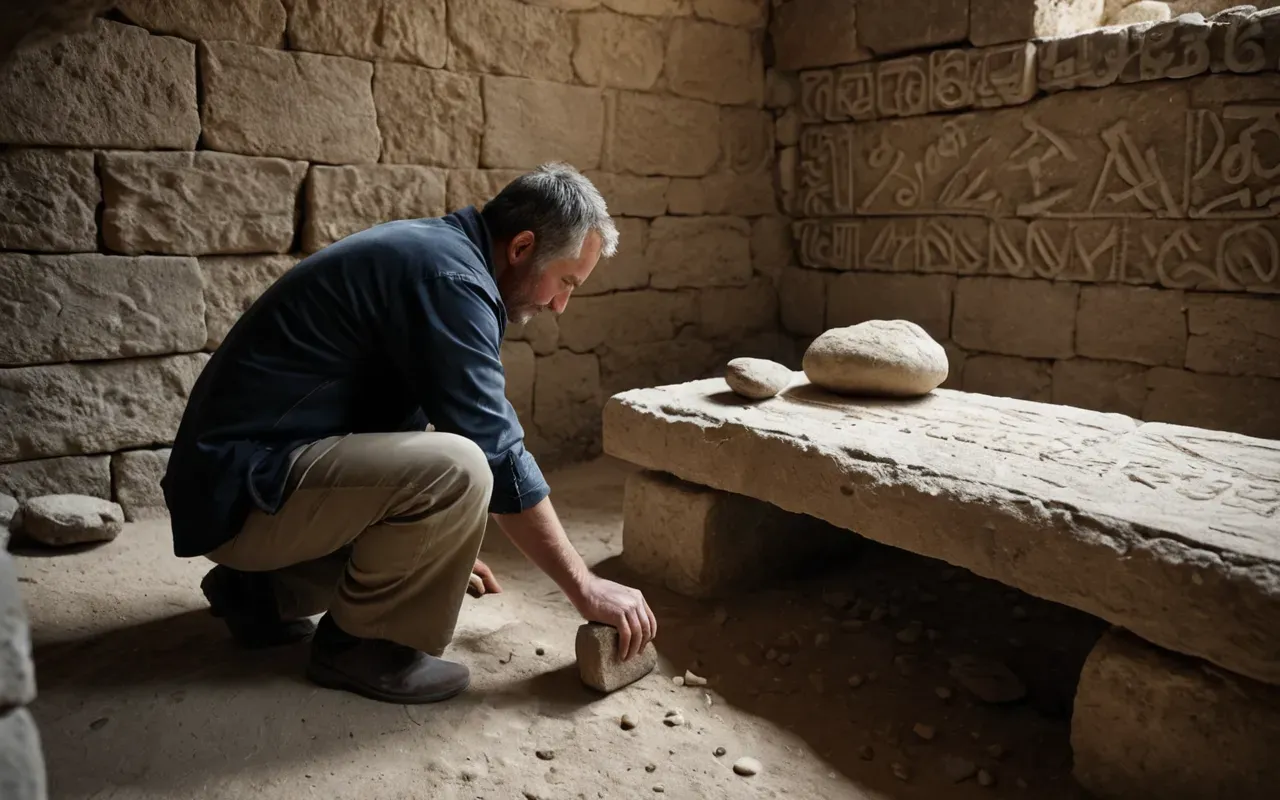
In the public buildings, the arrangement changes. T-shaped standing stones line the walls. Benches are positioned differently.
This distinction is crucial. It means these people had a concept of public space separate from private domestic life.
Why this changes our understanding of Neolithic society
Most people know Göbeklitepe. They've seen the dramatic T-shaped pillars and the sense of a mysterious ancient gathering place.
But Sayburc adds a layer that Göbeklitepe alone can't provide. It shows the neighborhood around those gatherings.
Ozdogan noted that residential buildings are typically found around one or two special structures. This clustering suggests a planned community layout.
We're not looking at random huts scattered across a field. We're seeing a settlement with social organization.
This is significant because it challenges the idea that early Neolithic life was purely nomadic or loosely organized.
These people stayed. They built durable structures. They maintained them over nearly three hundred years of continuous occupation.
The architectural shift that matters most
One of the most interesting details is the transition in building shapes. At Sayburc, archaeologists can trace the move from round-planned structures to rectangular ones.
That's not just a cosmetic change. It reflects shifts in construction technology and material use.
Round structures are easier to build with curved walls. Rectangular ones require more precise corner joints and different load-bearing techniques.
The fact that we can see this transition in one site gives us a timeline for how building knowledge evolved.
It's like finding the intermediate drafts of a blueprint. We see what was tried, abandoned, and finally refined.
What this means for how we view ancient innovation
There's a persistent myth that Neolithic people were simple. That they just learned to farm and started building huts.
Sayburc pushes back on that. The settlement shows sustained effort to improve living conditions over centuries.
They experimented with layouts. They distinguished between home and public space. They refined their construction methods.
This isn't primitive survival. This is the slow accumulation of cultural and technical knowledge.
When you look at how Neolithic technology actually worked, the picture becomes even clearer. These people were solving complex problems with limited materials.
The domestic spaces at Sayburc show hearths and benches. These weren't just functional items. They were the center of social life.
Think about it. A hearth is where food was prepared. But it was also where stories were shared. Where children learned. Where community bonds formed.
The quiet challenge to our assumptions about progress
We measure progress in speed. In scale. In dramatic leaps forward.
But Sayburc shows a different kind of progress. Slow. Iterative. Deeply embedded in daily routine.
The shift from round to rectangular houses didn't happen overnight. It took generations of trial and error.
This kind of gradual refinement is how most real innovation works. Not through breakthroughs, but through persistence.
If you're interested in how early societies actually functioned, this site offers a reality check against our modern biases.
The fact that these structures were occupied for nearly three hundred years tells us they worked. They met the needs of the people who lived in them.
Why ordinary structures tell a richer story than monuments
Monuments tell us what people wanted to project. Power. Status. Religious devotion.
Houses tell us how people actually lived. What they ate. How they organized their space. What mattered to them in the quiet hours.
At Sayburc, we see both. And the juxtaposition is what makes this site so valuable.
The public buildings had T-shaped stones arranged along walls with one or two in the center. The homes typically had just one stone.
This suggests that even in domestic spaces, there was a symbolic element. But it was scaled down. Personal rather than communal.
It's as if the spiritual or ceremonial aspect of life wasn't confined to special buildings. It permeated daily existence.
The broader context of the Stone Hills Project
Sayburc isn't operating in isolation. It's part of the Stone Hills Project, which aims to understand the broader Neolithic landscape in southeastern Türkiye.
This region has some of the most significant Neolithic sites in the world. Göbeklitepe and Karahantepe are the two names that come to mind immediately.
But as Ozdogan pointed out, Sayburc documents transitional processes. It captures a moment when settlement patterns were still forming.
Intense settlement in the region began around twelve thousand six hundred years ago. Many sites were temporary. Others lasted for long periods.
Sayburc falls into the latter category. Nearly three hundred years of continuous occupation makes it a key reference point.
Understanding how these sites relate to each other helps us build a more complete picture of Neolithic life in the region.
It's not just about one site. It's about how communities across the landscape interacted and evolved.
What we still do not know about Sayburc
Excavations are still underway in both residential and special structures. We've only uncovered a fraction of what's there.
We don't yet know exactly how many people lived at Sayburc. We don't have a full picture of their diet or trade connections.
We don't know if they had leaders. If decisions were made collectively or by consensus.
These questions matter because they shape how we understand early social organization. And the answers may surprise us.
If you've read about villages without kings, Sayburc fits into that broader conversation about equality in early societies.
The human story behind the stones
When you stand in a trench at Sayburc, looking down at the outline of an ancient kitchen, it's hard to keep the distance.
Someone stood there twelve thousand years ago. They stirred a pot over the hearth. Maybe they complained about the heat.
Maybe a child sat on one of those benches. Maybe they were learning to grind grain.
These aren't abstract concepts. These are the remnants of real lives lived with the same basic needs we have today.
Fifty-odd structures at Sayburc. That's not just an archaeological find — it's a reminder that history gets made by ordinary people in ordinary places.
Why this discovery matters beyond the dig site
Neolithic sites like this one help us understand where human social organization actually comes from. They show the shift from scattered groups to settled communities.
And they push back against the old story that civilization began with kings and temples. Honestly, it began with people figuring out how to live together.
Which has real implications for how we think about modern society. We're still wrestling with the same basic questions.
How do we balance private life and public space? How do we organize communities without authoritarian control?
The Neolithic people didn't have our technology. But they faced the same fundamental challenges of coexistence.
Their solutions were simple. Effective, too. They created spaces for gathering and separate areas for rest.
We can learn from that — not in terms of technology, but in terms of social design.
If you're interested in how ancient innovation still shapes our thinking, take a look at the structural logic that outlasts modern systems. The principles of organization remain remarkably consistent.
The ongoing work at Sayburc and what it means for future research
The excavations at Sayburc are far from over. Ozdogan and her team keep uncovering new structures.
Each new find adds another piece to the puzzle. And each piece changes our understanding of Neolithic life.
The goal isn't just to count structures. It's to reconstruct a way of life that's been invisible for millennia.
And in doing so, it reminds us that the most important stories are often the quietest ones.
They're told not in grand proclamations but in the worn floors of ancient homes.
In the soot-stained walls around hearths. In the smooth edges of benches where people sat and talked.
Sayburc is more than a dig site. It's a window into the human past that challenges our assumptions and invites us to look closer.
And in a world that so often chases the spectacular, finding value in the ordinary is itself a kind of revelation.