An 11,000-year-old man riding a leopard just shattered every assumption we had about primitive society
The Sculpture That Defies Logic
Imagine finding a toy from the 20th century in a cave. You would assume it was dropped by a child or left behind during an evacuation. Now scale that up to eleven thousand years ago. No cities existed yet. There were no written records. Just vast, open landscapes and small bands of humans moving with the seasons. And then you find this.
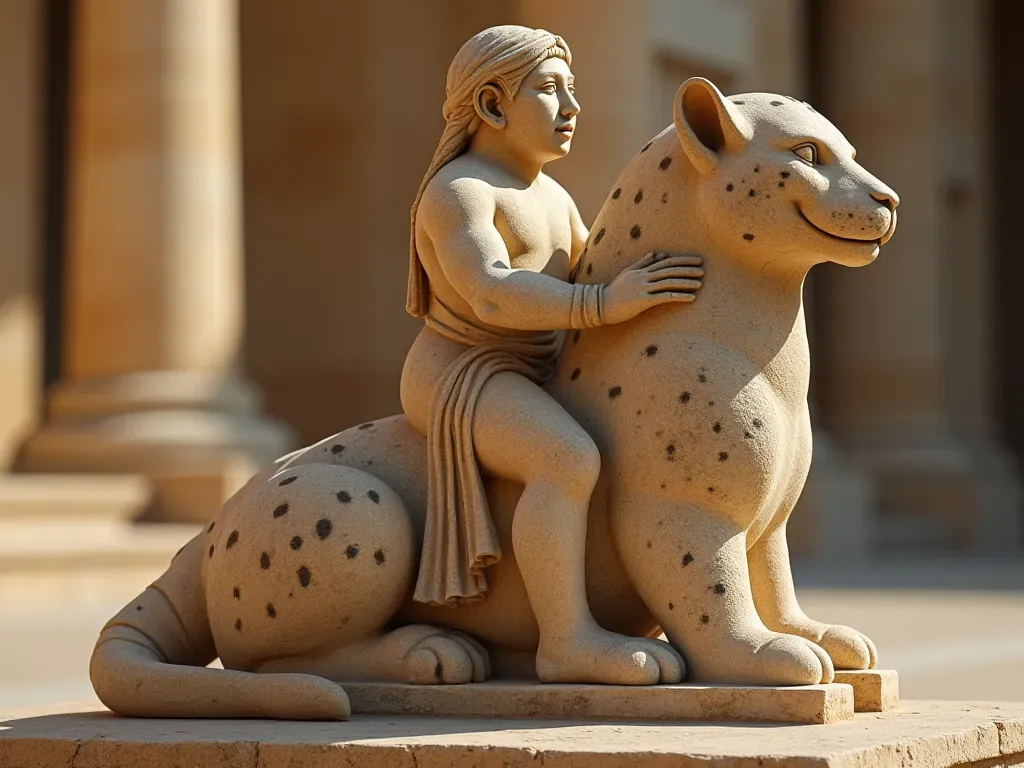
It is a stone sculpture of a human sitting on the back of a leopard. Not standing next to it. Not holding a stick near it. Sitting squarely atop the feline as if claiming dominion over it. To be fair, this image breaks every rule we thought we understood about Neolithic art. We expected animal heads on pillars or simple geometric shapes.
This specific piece was discovered at Karahantepe. It is part of a broader network of sites in southeastern Türkiye known as the Taş Tepeler project. The region has been shaking up our understanding of human history for years, but this latest find feels different. It suggests a level of social complexity and symbolic intent that simply did not fit into the old timeline.
Why does this matter? Because it implies that these early communities were not just surviving. They were creating narratives. They were asserting status, power, and identity through art long before the first bricks of a city were laid. It forces us to ask what else they might have been thinking about while we assumed they were only focused on food.
Beyond Gobeklitepe The Stone Hills Story
Most people know the name Göbekli Tepe. It is famous for its massive T-shaped pillars and animal reliefs that predate Stonehenge by thousands of years. But Karahantepe sits about thirty kilometers away, often overlooked in popular media yet equally significant to researchers.
Excavations at Karahantepe began in 2019. Since then, archaeologists have uncovered monumental structures and various human and animal representations. The site shares a similar timeframe with Göbekli Tepe, dating back to the Neolithic period when communities were transitioning from mobile hunter-gatherer lifestyles towards settled life.
The new sculpture was found on a bench running along the wall of a circular structure. The floor beneath it was paved with flat stones. This placement suggests it was not discarded or hidden away in storage. It was positioned for viewing, likely as part of a ritual space where people gathered.
Culture and Tourism Minister Mehmet Nuri Ersoy described the work as a composite sculpture in a style not previously encountered at this specific site. He noted that it opens the door to new questions about the earliest periods of human history. It is a significant statement for such an early era.
If you have read about the Neolithic Age being a tech boom, this finding fits perfectly into that narrative. It is not just about growing wheat; it is about the intellectual and artistic infrastructure required to manage complex social groups.
What The Leopard Rider Tells Us About Power
Let’s be honest. We tend to project modern hierarchies onto ancient peoples. We assume that leadership meant having the most food or the strongest arms. But a sculpture like this suggests something more nuanced. It points to symbolic power.
A leopard is a dangerous animal in the wild. To depict oneself riding it is to claim mastery over chaos and danger. It could be a shamanic figure. Or perhaps a leader who used such imagery to legitimize their authority in the eyes of others.
This is not just art for art’s sake. It is a tool of social cohesion. When a community gathers around such an image, they are reinforcing shared beliefs and values. The sculpture becomes a focal point for identity.
I have seen plenty of ancient artifacts that look impressive but tell us little about daily life. This one is different. It tells us how these people wanted to be perceived. It reveals the inner world of a society that left no written words behind.
The Context Of The Discovery Site
Karahantepe is one of more than a dozen sites in the region collectively known as Taş Tepeler or Stone Hills. This cluster of archaeological treasures is reshaping our understanding of early human settlements.
The sites date to a time when the world was young in terms of human civilization. The monumental stone structures and sculptures provide evidence of complex practices long before cities emerged.
If you are interested in how Turkey is turning Neolithic villages into museums, this site adds another layer to that story. It shows the depth of what is waiting underground.
Why This Changes Our Understanding Of Rituals
Rituals are the glue that holds societies together. Before written law or formal government, rituals defined right from wrong and sacred from profane. The leopard rider sculpture likely played a key role in these ceremonies.
We do not know exactly what rituals were performed around this piece. But its placement on a bench against the wall suggests it was central to gatherings. People would have looked at it, discussed it, and drawn meaning from it.
This is where the story gets fascinating. It implies that Neolithic people were not just reacting to their environment but actively shaping it through symbolic action.
The Bigger Picture Of Neolithic Innovation
We often think of the Neolithic revolution as a simple shift from hunting to farming. But that view is too narrow. It was actually a tech boom involving new tools, social structures, and artistic expression.
The leopard rider sculpture is a physical manifestation of that innovation. It shows that these people were capable of abstract thinking and complex communication without language.
If you have wondered why 10,000-year-old toys break bias against primitive society, this sculpture is another example. It proves that early humans were creative and sophisticated.
The Taş Tepeler project highlights the role of Neolithic innovations in shaping early societies. This discovery is a prime example of how these people used art to define their world.
Implications For Modern Cultural Heritage
This discovery has broad implications for the scientific community. It challenges existing models of social development and forces researchers to rethink timelines.
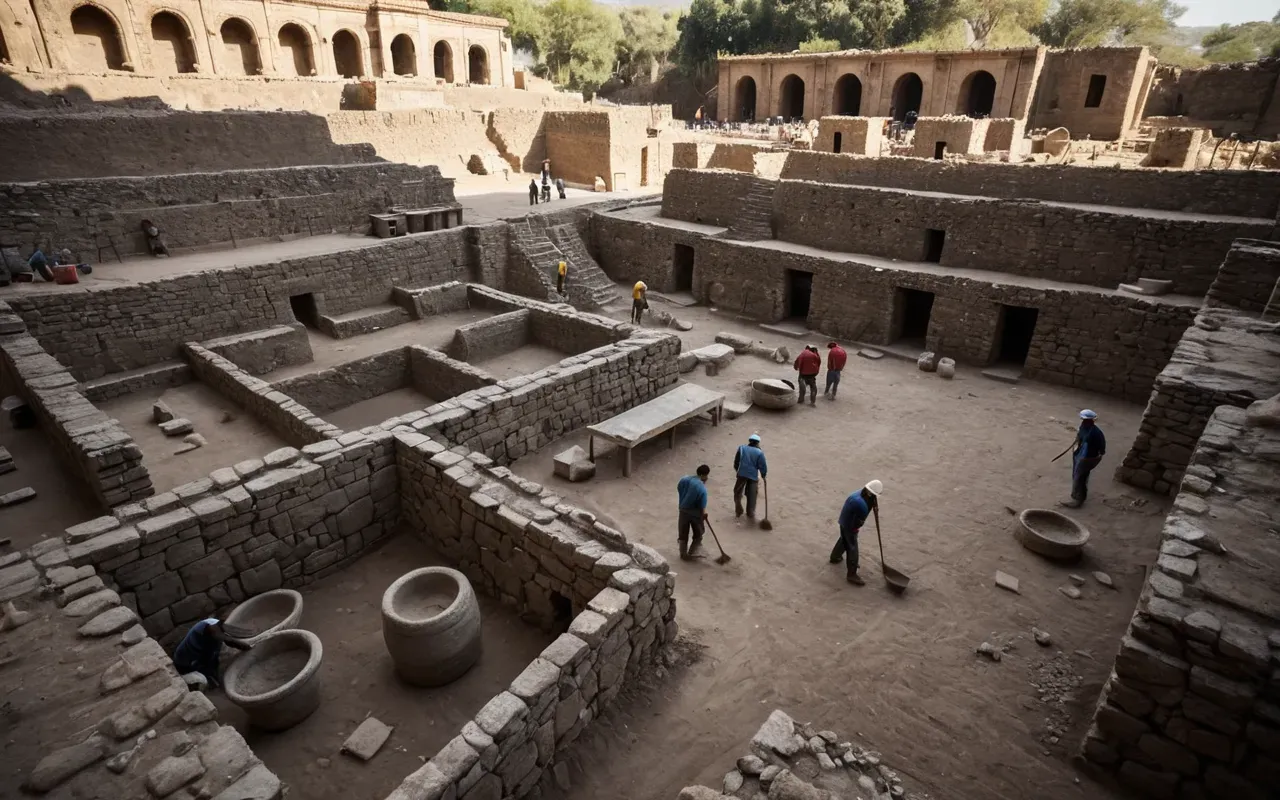
It also has practical impacts on how we preserve and interpret heritage sites. The Taş Tepeler project aims to expand archaeological research and preservation at sites across the country.
For enthusiasts and scholars, this is a goldmine of information. It provides an engaging blend of historical data and cultural displays that make the ancient period accessible.
The project includes innovative educational resources and cultural displays. This makes the Neolithic era exciting for a wide audience, from students to collectors.
Why We Should Care About This Find Now
In a world obsessed with the latest technology and rapid change, it is easy to forget where we came from. This sculpture reminds us that human ingenuity has deep roots.
It shows that the desire to create meaning and assert identity is not a modern invention. It has been part of our species for millennia.
So next time you think about history, remember this man riding a leopard. He was not just surviving. He was telling a story.