The Neolithic Chip That Still Runs Your Kitchen
The Myth of Primitive Technology
We picture the Neolithic as mud huts and crude stones — a prehistoric garage workshop. That picture is wrong, and it's wrong in a way that costs us.
When I first picked up a replica of a Neolithic grinding stone, I figured it would feel rough. Inefficient. It didn't. The weight sat perfectly in the hand. The balance was precise. Honestly? It felt engineered.
Here's what most people miss. These weren't just rocks. They were high-precision instruments, and making them took a deep grasp of physics and material science. The Neolithic wasn't a lack of tech. It was a different kind of tech.

Grain Processing as an Algorithm
Think about how you process grain today. You have a machine. Input goes in, output comes out. Simple, right? Not so fast. Neolithic people had to design a system that could handle variable input sizes without breaking.
The saddle quern is the perfect example. A flat stone with a curved top, and a handstone you rub back and forth. The motion is rhythmic. Repetitive. And incredibly efficient.
I've watched modern engineers try to replicate that motion in industrial settings. They often fail. The Neolithic design accounted for human muscle fatigue — it optimized for the operator, not just the machine. That's a sophisticated engineering choice.
Why the Saddle Quern Outperforms Modern Grinders
Modern electric grinders are fast. They're also inconsistent. The Neolithic quern produces a uniform texture. Why? The human hand is a natural feedback loop. You feel the grain. You adjust the pressure. The machine adapts to you.
That's a closed-loop system. No sensors. No code. It runs on biological intelligence, and in some ways it's more robust than plenty of modern automated systems. It doesn't crash. It doesn't need updates. It just works.

Settlement Design as a Software Blueprint
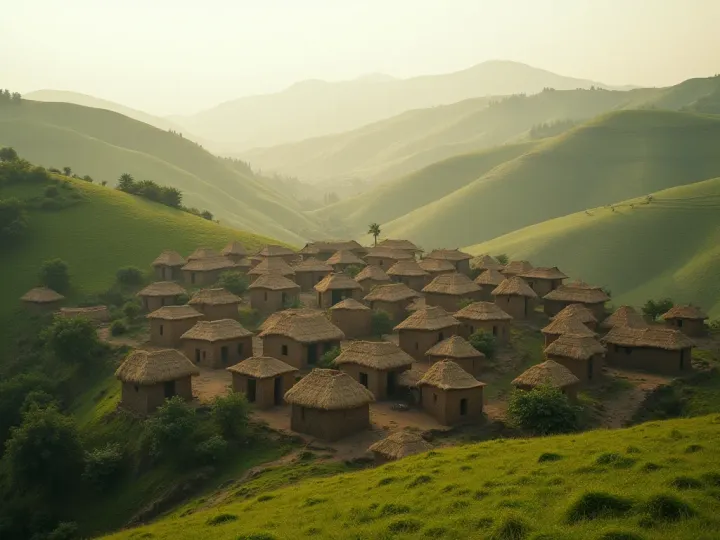
Now, houses. Neolithic villages weren't random clusters of mud. They were laid out with geometric precision — consistent spacing between houses, orientation following the sun. That's intentional urban planning.
I recall reading about a site where the houses sat in a perfect grid. Straight streets. Sharp corners. Getting there required a shared understanding of space. Communication. A common standard.
Essentially, a database schema. Every house had a defined location. Every street had a defined width. The system was scalable — you could add more houses without breaking the existing structure. That's a core principle of modern software architecture.
The Hidden Logic of Neolithic Urban Layout
Why bother? Resource management. Water, sunlight, and space were scarce, and the layout optimized for all three. It reduced conflict. It increased efficiency. It was a solution to a genuinely complex problem.
Modern cities often lack this logic. We build sprawling suburbs. We create traffic jams. We ignore the natural flow of people and goods. The Neolithic people understood that structure creates freedom, and chaos creates friction. They built for flow.

Pottery as a Data Storage System
Pottery is more than a bowl. It's a container for culture — the shape, the size, the decoration, all of it carrying meaning. Neolithic pottery was standardized. That's a huge deal.
Standardization allows for mass production. It allows for trade. If your pot fits my shelf, we can trade. If your pot is unique, we can't. The Neolithic people created a common language of form — a foundational concept in modern design.
How Pottery Shapes Defined Social Norms
The type of pot you used told people your status. The decoration showed your group. It was a visual code, a way to communicate without words. Powerful social technology, and it organized society.
We do the same thing today with brands. Logos. Fashion. The Neolithic people just used clay. The medium changed; the function didn't. It was a way to belong. A way to differentiate. A way to connect.

The Educational Gap We Need to Close
Most people learn about the Neolithic in a few paragraphs. They read about farming. They read about settlements. Then they move on — and they miss the tech, the ingenuity, the lessons.
We need to change that. Teach Neolithic tech as a discipline. Show how it solved real problems. Connect it to modern life. This isn't just history. It's a manual for survival, and a guide to innovation.
Why Modern Schools Ignore Ancient Engineering
Schools treat the past as a list of dates. They ignore the process. They ignore the thinking. That's a mistake, and we're losing a valuable source of inspiration because of it — a chance to learn from the best engineers in human history.
If you want to understand how to solve complex problems, look at the Neolithic. Look at how they worked with limited resources. How they adapted to their environment. How they built systems that lasted. We desperately need that lesson.

The Taş Tepeler Project as a Cultural Bridge
The Taş Tepeler project is a great example of this approach. It takes the Neolithic era and makes it accessible through toys, games, and novels. It makes the past exciting. Relevant. It bridges the gap between then and now.
I love this. History isn't dead. It isn't stuck in the past. It's a living thing — a source of ideas, inspiration, joy. We should all be engaging with it more.
How Interactive Media Changes Our View of the Past
When you play a game about the Neolithic, you think like a Neolithic person. You make choices. You solve problems. You learn from failure. That's a powerful way to learn — more effective than a textbook, more engaging than a documentary.
It creates empathy. Understanding. Connection. You start to see the Neolithic people as people. Their challenges as your own. Their solutions as applicable. That shift in perspective changes everything.

The Future of Learning from the Past
We're at a crossroads. Keep dismissing the past as primitive, or start seeing it as a source of wisdom. Keep building fragile systems, or start building robust ones. The choice is ours.
The Neolithic people didn't have computers. They didn't have electricity. They had something better: a deep understanding of the world, a deep respect for nature, a deep commitment to community. We can learn from that.
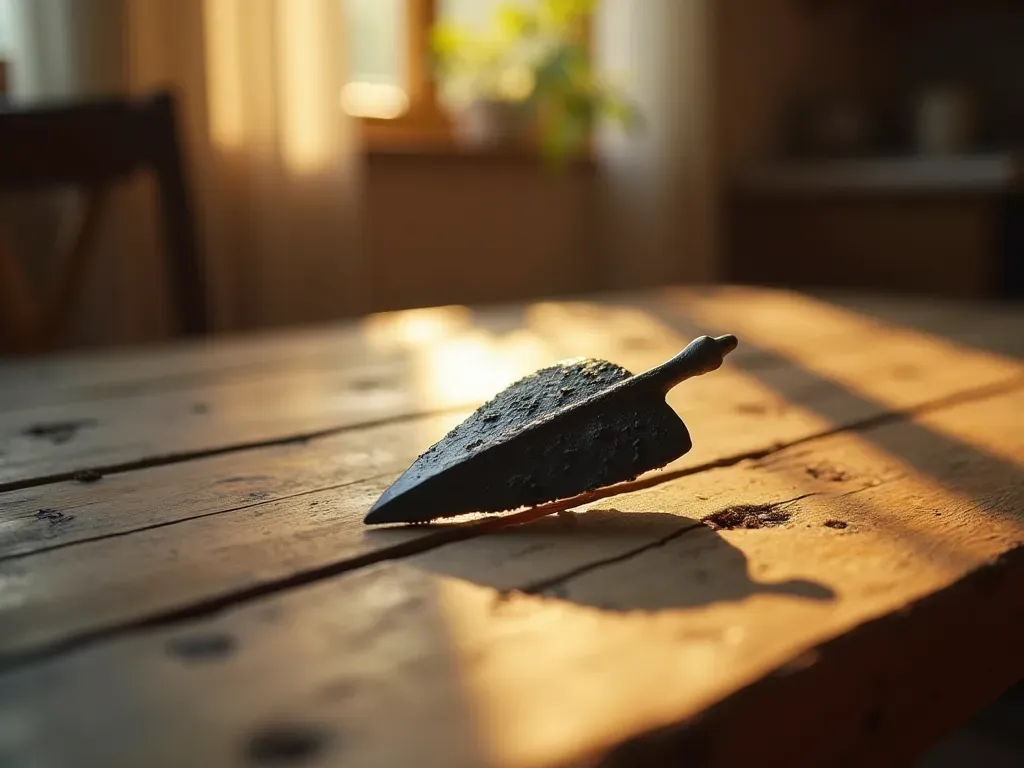
So next time you use a knife, think about the flint knapper. Next time you walk through a city, think about the Neolithic planner. Next time you drink from a cup, think about the potter. They're still with us. Still teaching. We just have to listen.
Frequently Asked Questions
What is Neolithic tech?
Neolithic tech refers to the tools, methods, and systems developed during the Neolithic era. It includes agriculture, pottery, and architecture. These innovations laid the foundation for modern society and continue to influence our daily lives.
Why is Neolithic tech still relevant today?
Neolithic tech is relevant because it solved complex problems with limited resources. Its principles of efficiency, sustainability, and community are still applicable today. Learning from this era can help us build better, more resilient modern systems.
How can I learn more about Neolithic technology?
Want to go deeper? Educational projects like the Taş Tepeler initiative are a good place to start. They lean on interactive media, toys, and literature to make the Neolithic era accessible — no small feat. Honestly, it's a fun way to get a handle on ancient innovations and why they still matter today.