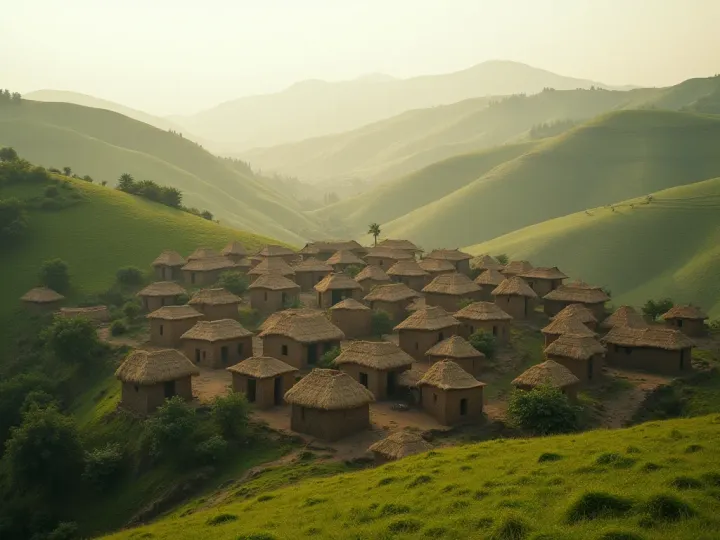
The colonial lie about Africa's past was finally buried by a single terracotta head

The day the ground told the truth
A single terracotta head from Nigeria changed everything. In , Bernard Fagg pulled a finely crafted sculpture from the ground — one that defied every assumption he'd ever been taught.
He dated it with radiocarbon dating, then a brand-new method. The result shocked the colonial administrators of his day.
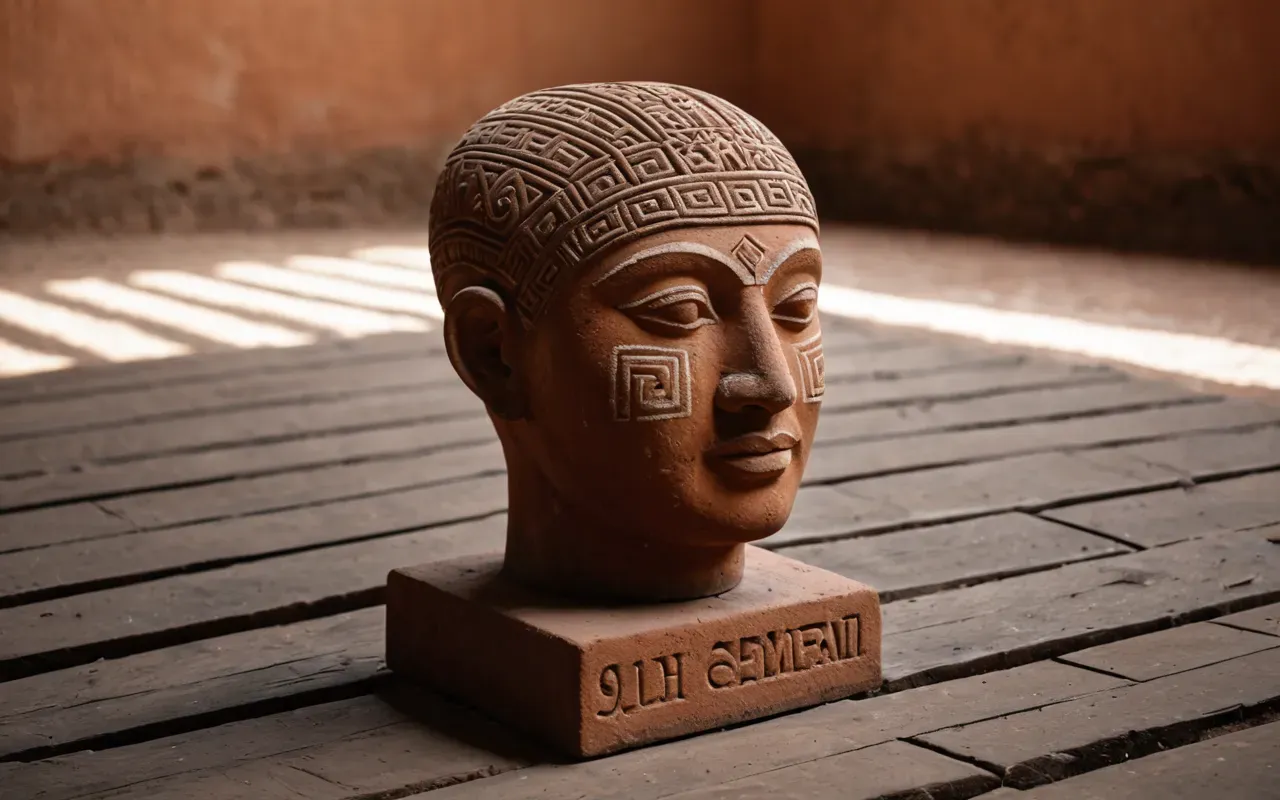
The artifact was more than two thousand years old. According to the textbooks of that era, it predated any known kingdom in West Africa.
Four phases of a shifting lens
Tim Forssman divides the practice into four distinct phases. Each one reflects what society was willing to believe at that moment in time.
The era of collection and assumption
In the late s, European nations scrambled to carve up Africa. Museums filled with objects pulled from the ground without context.
Most of the work fell to missionaries or travelers. They rarely analyzed what they found, and local voices? Often ignored entirely.
The rise of professional analysis
By the s, robust analytical approaches began to take shape. Yet many scholars still chased ghosts like a lost Atlantis in West Africa.
Breaking down false narratives
Beliefs about advanced people from Egypt bringing technology to the continent persisted. These ideas ignored thousands of years of local innovation.
The technological leap of mid-century
World War II brought new tools to the field. Radiocarbon dating allowed researchers to pin down ages with unprecedented accuracy.
How Fagg changed the timeline
Fagg and his wife Catherine searched for more examples of those heads. They retrieved a large sample that proved ancient complexity existed long before European contact.
The diaspora of local voices
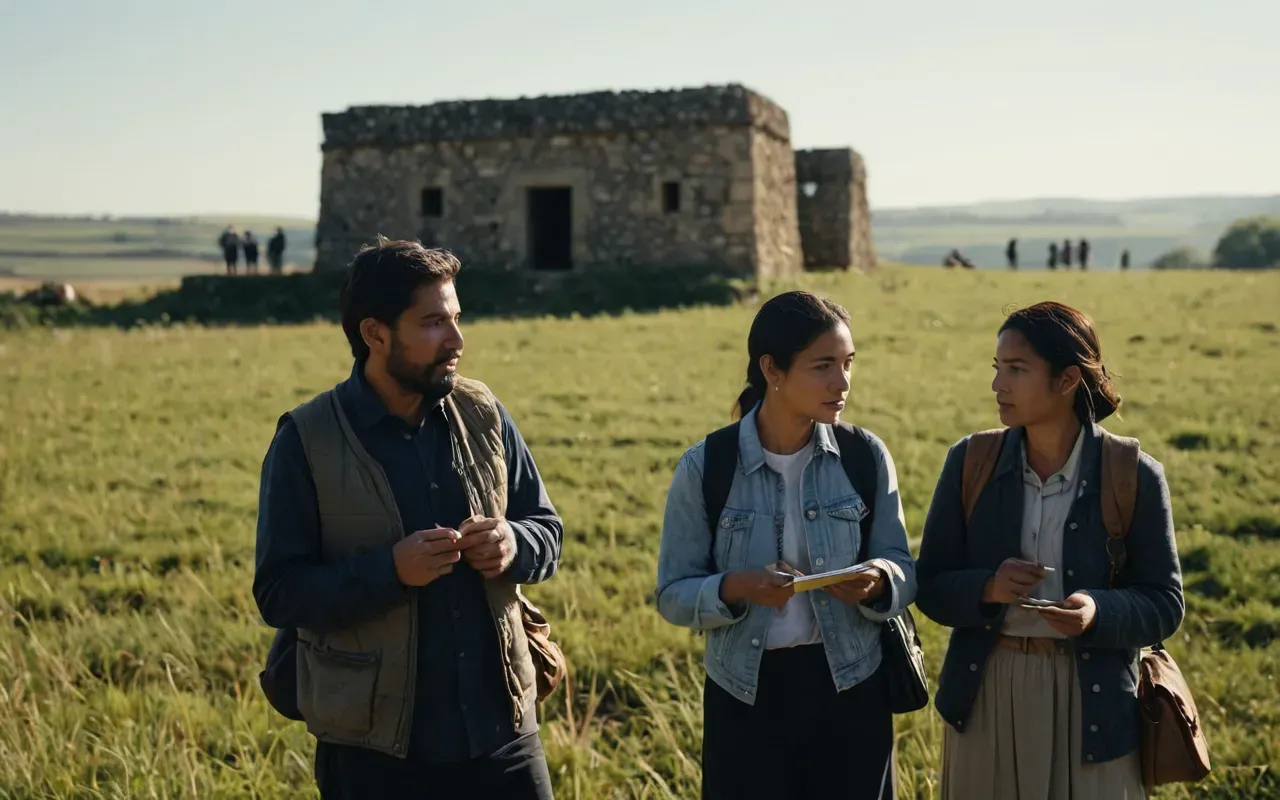
Starting in the s, communities began participating directly in research. This shift gave agency to Africans who had been excluded for generations.
The Swahili coastline example
Previous studies focused on incoming Arabic groups. Newer work examines how local communities shaped their own history over a much longer period.
Why the past still shapes our present
The eastern seaboard from Somalia to Mozambique tells a story of trade and conflict. Much of it was ignored during colonial rule.
Reparative history as a social tool
Refocusing on overlooked histories helps acknowledge what was poorly recorded. It plays a role in building social harmony today.
Identity and national pride
Events like the Golden Parade of Pharaohs show how heritage fuels nationhood. It connects people to their ancestors in tangible ways.
Threats to preserving our shared past
Looting and crime continue to steal valuable items from museums. The golden finds from Thulamela were never recovered.
Climate change as a silent destroyer
Rising sea levels threaten up to twenty-five percent of UNESCO sites in East Africa. Cyclones already cause massive damage in coastal areas.
Where the field is heading next
Most scientific papers on African research are still written by outsiders. This power dynamic needs serious revision.
Building local capacity and skills
We need more laboratories within the continent. This creates jobs, develops skills, and reduces risk for sensitive items.
The role of genetic research
Genetics helps us understand human and animal movements across the continent. Chemical analysis maps ancient trade networks.
Centering indigenous knowledge systems
Local belief systems hold the keys to understanding rock art and other symbols. Scholars are finally turning to these sources.
Connecting ancient wisdom to modern life
Archaeology must show how the past is relevant in the present. Otherwise, it risks being left behind by society.

The quiet revolution in how we see history
We see the past through our present context. As science and politics change, so does our understanding of what came before.
Lessons from other ancient innovations
This shift mirrors how we re-evaluate the neolithic revolution and its impact on early human societies.
Challenging established timelines
Just as radiocarbon dating reshaped African history, new tools like AI in archaeology are finding ruins humans missed.
A call for broader engagement
The story of African archaeology is not just about the past. It is a living conversation that demands our attention today.