These Ancient Desert Nomads Ate Shark For Breakfast And It Changes Everything We Know About Survival

The Impossible Diet in an Arid Valley
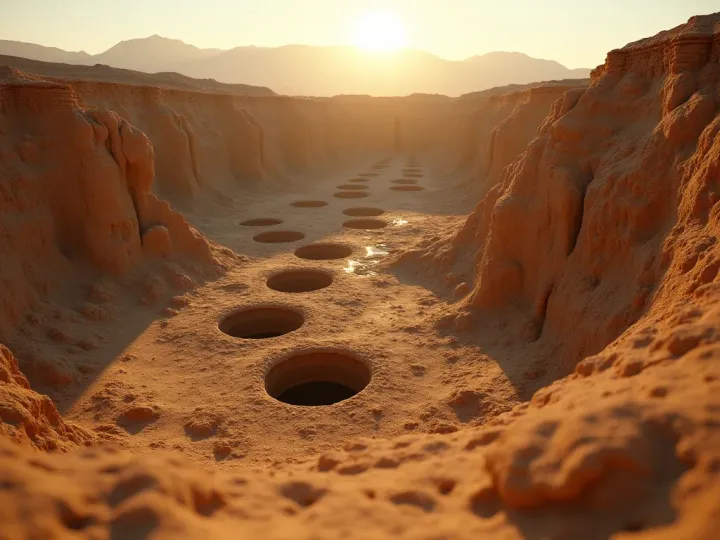
Picture a landscape with no green at all. Sand, dust, and a sun that beats down without mercy. You're standing in Wadi Nafūn, a dry inland valley in what is now Oman. It hasn't rained in months. No rivers. No forests. Just a harsh desert that looks like it wants nothing to do with living things. And yet, seven thousand years ago, a thriving community lived here. Their diet wasn't limited to tough desert plants. They were eating something far more dangerous — and far more unexpected.
Honestly, that sounded counterintuitive to me at first. We assume desert dwellers survive on whatever they can scavenge or coax out of a tiny oasis. We picture hardy grains, maybe cactus fruit. The new research tells a different story. These people were hunting large marine predators. Sharks. I mean that literally. This isn't a story about netting small silvery fish in a coastal stream. I'm talking about apex predators — the animals sitting at the very top of the ocean's food chain.
A Tomb That Speaks of Social Complexity
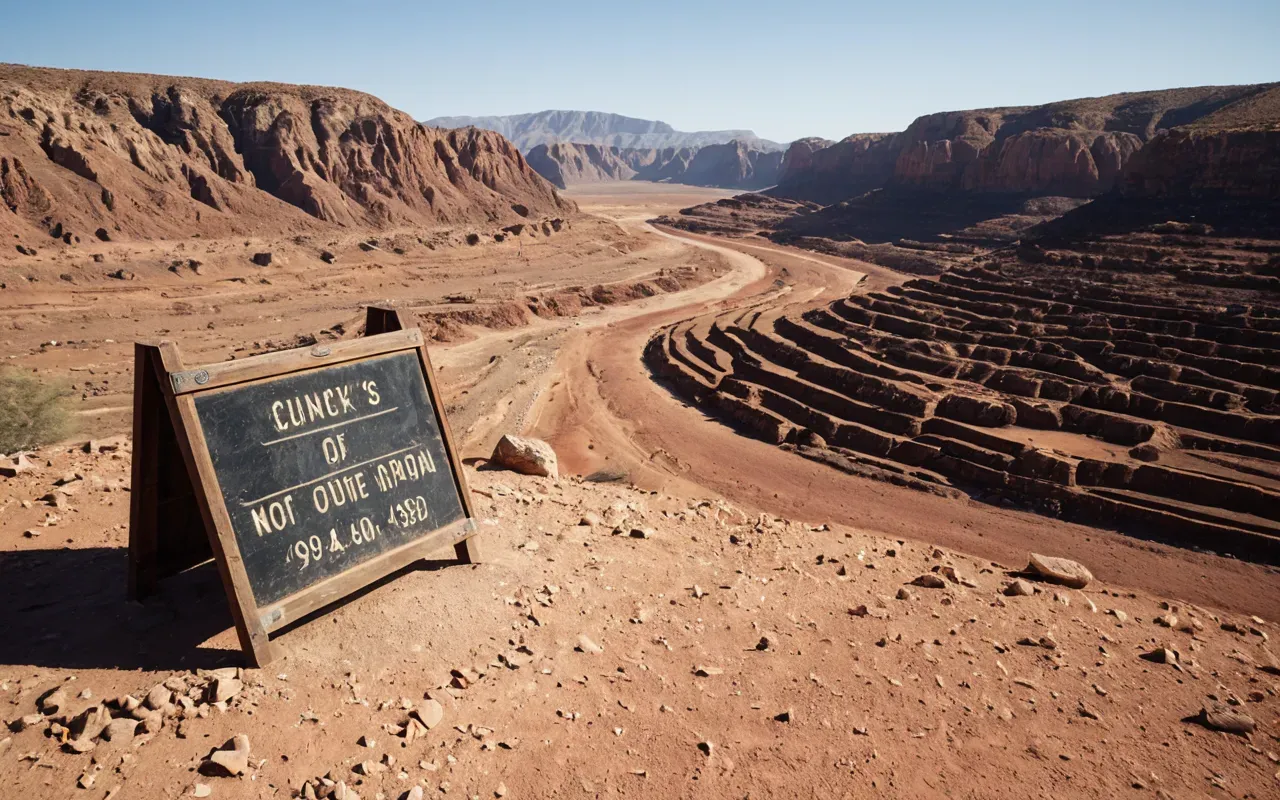
The story starts with a burial site. Excavations began at Wadi Nafūn in , and what the team found was monumental: a collective Neolithic megalithic tomb, the oldest known one in southern Arabia. Circular stone mounds built from locally sourced limestone and dolomite slabs. Not a simple pit — a carefully constructed monument. A place of ritual and memory. It held the remains of more than individuals. Men, women, and children, all buried together over a span exceeding years.
That scale of construction tells us something. A small, isolated group didn't build this. It took coordination. It took shared beliefs. Dr. Alžběta Danielisová, the project director, notes that the monument represents cooperation. Multiple Neolithic groups across southern Arabia appear to have been connected, returning to this common ceremonial landscape again and again. That implies a high degree of social organization. It also challenges the old view that Neolithic societies in arid regions were marginal and fragmented. They were organized. They were connected. They were building their identity in stone.
Why the Bones Told the Real Story
Here's the thing about desert archaeology: it's brutal. Organic material like collagen rarely survives, and the heat and dryness destroy the soft tissues that usually give us the best dietary clues. So how do you figure out what these people ate? You look at the mineral component of bones and teeth — bioapatite. It's stable. It survives the extreme conditions. The research team shipped dental and skeletal samples to specialized laboratories in the Czech Republic and Germany, where they used advanced stable isotope analysis to reconstruct the diet.
The results were striking. The isotopic signatures revealed an unusually high contribution of marine resources. Surprising, because the site is inland, far from the coast. Yet the data pointed to a heavy reliance on the sea. Most notably, elevated nitrogen isotope values pointed to protein from the very top of the marine food chain. Not just any fish — the signature of apex predators. Dr. Jiří Šneberger, an anthropologist on the team, explains that these values suggest regular consumption of sharks. A staple. Not an occasional treat. A staple.

Shark Teeth as Currency and Tool
The isotopic data is compelling. The physical evidence seals it. Researchers found shark-tooth pendants in the burial complex, along with tiger shark teeth and stingray barbs. Not random finds — deliberate ones. Symbols. Tools. Microscopic analysis of dental wear showed distinctive patterns reflecting not only diet but the use of teeth as tools, possibly for processing animal hides, fibers, or fishing equipment. This community had a practical relationship with these animals. They hunted them. They used their parts. They revered them.
If confirmed, this is the earliest direct evidence of systematic shark hunting by human populations in the arid belt of the Old World. That's a huge claim. It changes how we view human capability in prehistoric times. We often imagine early humans struggling to survive. But these people were mastering their environment, exploiting diverse ecological niches, using their knowledge of the sea to thrive in the desert. It's a testament to human ingenuity. And a reminder that our ancestors were far more complex and capable than we usually give them credit for.
Mobility and the Seasonal Connection to the Sea
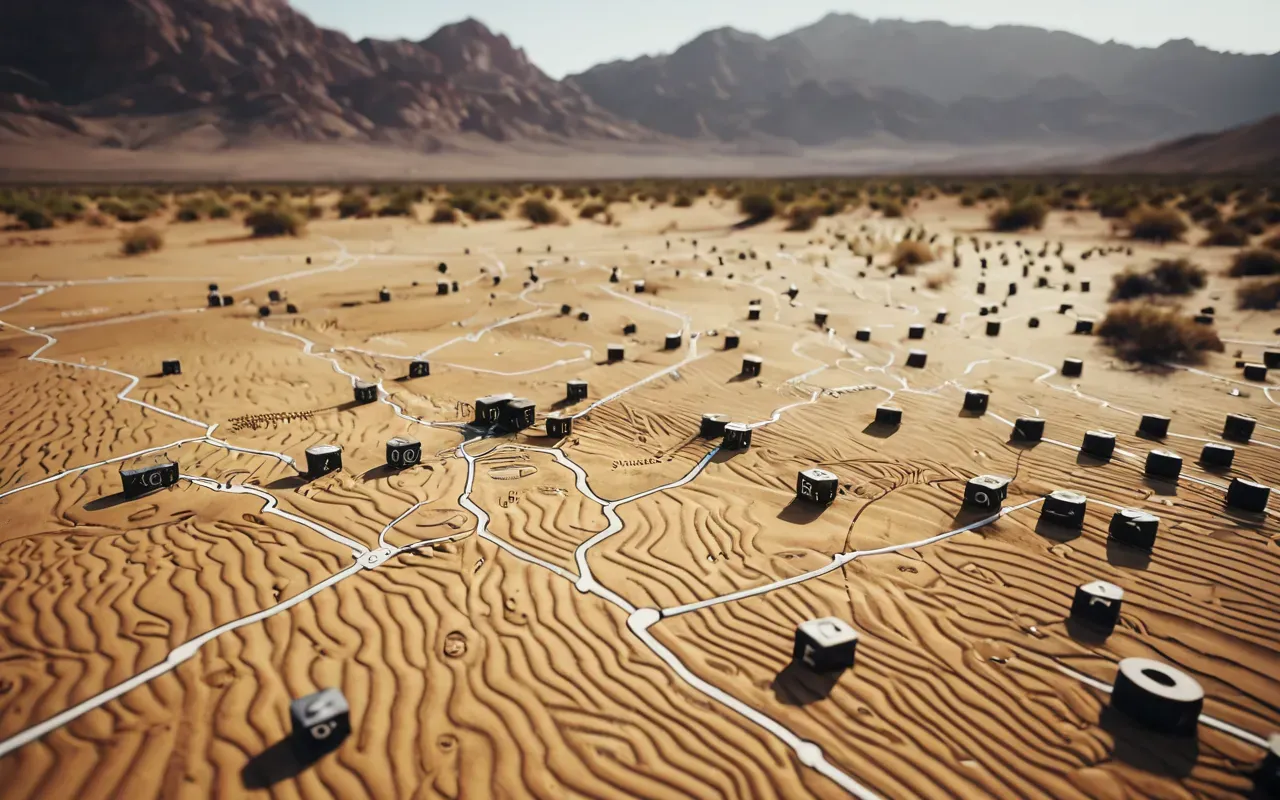
So how did they get the sharks? The site is inland — that's the key question. Strontium and oxygen isotope analyses revealed that the burial population wasn't homogeneous. Some individuals spent their childhoods up to kilometers away from Wadi Nafūn. That indicates high mobility, regular movement between inland and coastal zones. These communities maintained seasonal routes or exchange networks linking the desert interior with the Arabian Sea coast. They exploited diverse ecological niches efficiently. They moved. They traded. They connected.
That mobility was crucial for accessing marine resources. It means Neolithic communities here weren't static. They were dynamic. They adapted to their environment by moving through it, understanding the rhythms of the seasons, knowing where the resources were — and having the social networks to share them. This is a sophisticated subsistence strategy, combining hunting, gathering, pastoralism, and intensive marine exploitation. Flexible. Resilient. And it's a model we can still learn from today. If you're interested in how early societies managed resources, Neolithic Technology Was Better Than You Think offers a fascinating look at their innovations.
Redefining Neolithic Life in Arabia
Traditionally, Neolithic societies in arid regions have been portrayed as marginal — resource-limited and highly vulnerable to environmental stress. The evidence from Wadi Nafūn challenges that narrative. It reveals communities that were remarkably adaptive. They weren't just surviving. They were thriving. Building monuments. Engaging in complex social structures. Mastering the sea. This is a more nuanced and accurate picture of prehistoric life in the region, and it shows that human innovation and adaptability allowed people to thrive in environments previously considered inhospitable.
The study, published in the peer-reviewed journal Antiquity, highlights this point. It isn't just about what they ate. It's about how they lived. How they organized themselves. How they connected with their environment. The Wadi Nafūn site stands as a landmark for understanding human-environment interaction in prehistory. It provides rare insight into how early societies responded to climatic fluctuation and ecological opportunity. A window into a world we're only beginning to understand.
What This Means for Our Understanding of the Past
This discovery forces us to rethink what we thought we knew. Prehistoric societies often get filed away as simple — small bands, limited tools, just getting by. But the Wadi Nafūn people weren't simple at all. Sophisticated is the better word. They understood their ecosystem in detail, they had social structures strong enough to support the work they did, and they were mobile enough to reach the resources they needed. Our ancestors weren't just reacting to the world around them. They were shaping it — carving out their own niches. And leaving a legacy we're only now starting to uncover.
As research continues — proteomic and microfossil analyses included — the site promises to yield even more. Look at where it sits: the crossroads of desert and sea, a place where humans learned not just to survive but to master their environment. Even at the very top of the ocean's food chain. This is a story of resilience. Of ingenuity. Of human connection. And it's one we should all be paying attention to, because it tells us who we are. And what we're capable of.
The Legacy of the Shark Hunters
The legacy of these Neolithic communities isn't just in the bones and teeth they left behind. It's in the knowledge they passed down. The social structures they built. The way they adapted to their environment. They weren't just people — they were a society. Complex, dynamic, resilient. And their story is a reminder that human history is far more complex and fascinating than we usually realize. It's a story of survival. Of innovation. Of connection. One that keeps unfolding as we learn more about our past.
So the next time you think about how humans have survived in harsh environments, remember the shark hunters of Wadi Nafūn. They weren't just surviving. They were thriving. Mastering their world. And leaving a legacy we're only now beginning to appreciate. That's what makes archaeology so exciting — it isn't just about digging up old bones. It's about understanding the human story. And the story of these Neolithic communities is one of the most compelling and surprising we've uncovered in recent years.
The research team, led by the Archaeological Institute of the Czech Academy of Sciences, has given us a new lens on the past. One that reveals complexity. Connection. Ingenuity. And it reminds us that our ancestors were far more capable and sophisticated than we often give them credit for. This discovery will have a lasting impact on how we understand Neolithic life. And we should all be grateful for it, because it brings us closer to understanding who we are.
The Wadi Nafūn site is a testament to human adaptability. It shows we've always been capable of finding ways to thrive in challenging environments. That we've always been connected to our surroundings. And that we've always been capable of innovation. These lessons are as relevant today as they were seven thousand years ago — and we should all take them to heart. Because they remind us of our strength. Our resilience. And our ingenuity.
In the end, the story of the Neolithic shark hunters is a story of human triumph. Of survival. Of connection. And of ingenuity. It challenges our assumptions. It expands our understanding. And it inspires us. It reminds us what we're capable of — and it's a story we should all be proud of. Because it's our story. And we're only beginning to tell it.