Chinese Archaeologists Are Digging Up Secrets That Rewrite The Neolithic Story In Turkey
The Unexpected Partnership Reshaping History
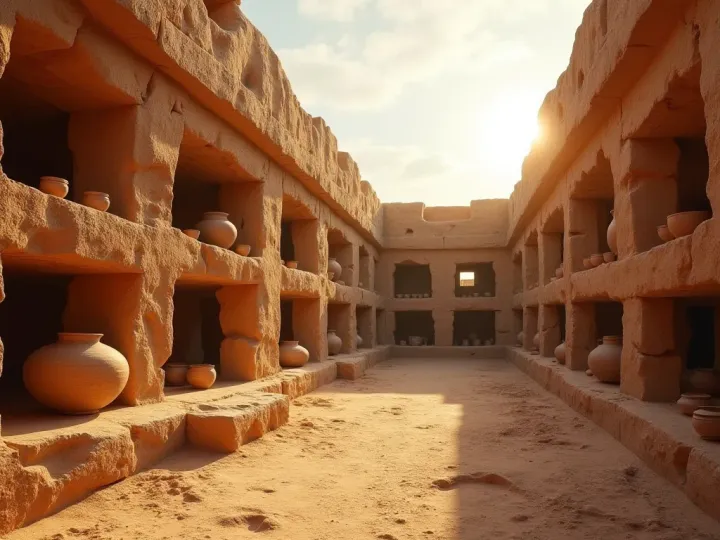
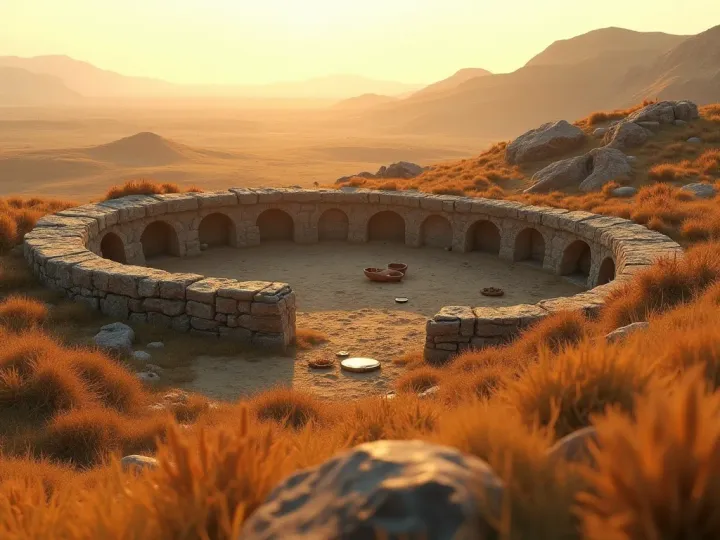
We tend to think of ancient history as a static thing. Dusty artifacts in glass cases. Silent stones under the sun. But look at southeastern Türkiye right now. The ground is literally moving. A team led by Professor Gan Caichao from China has started digging at Yogunburc. This site sits near Göbeklitepe, one of the most famous archaeological spots on Earth.
Why does this matter? Because it is a collaboration. Türkiye and China are working together under the Stone Hills Project. It’s not just tourism or politics. It is serious science. The team includes seven Chinese archaeologists and local experts from Şanlıurfa. They are peeling back layers of history that date back twelve thousand years.
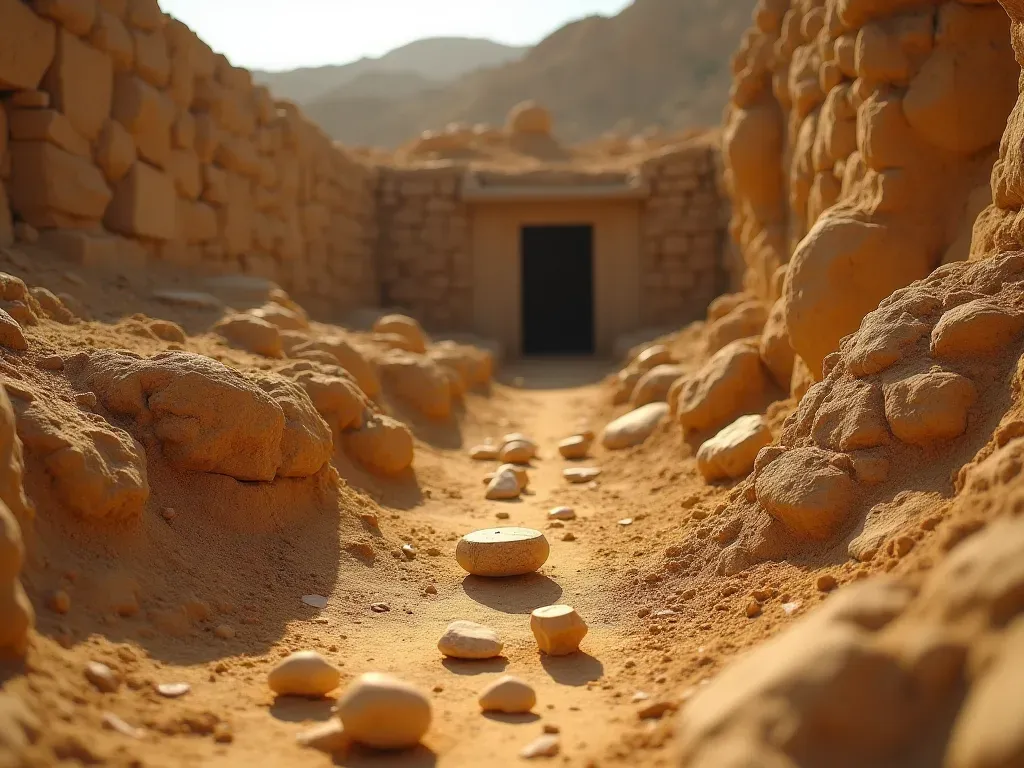
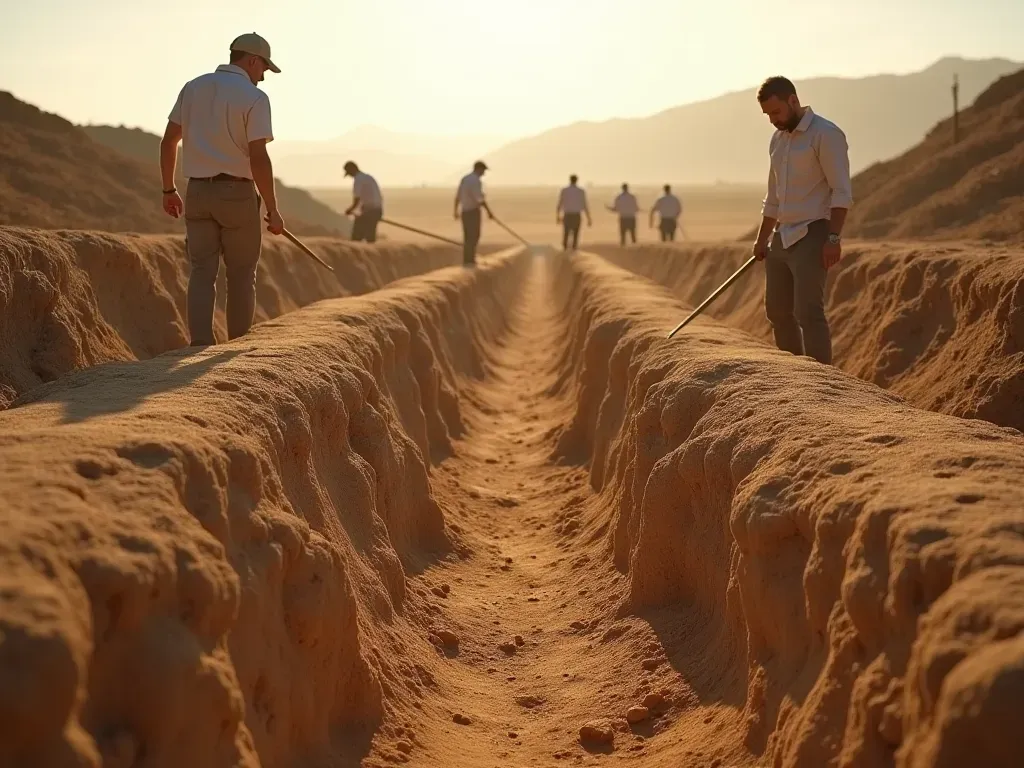
I was struck by how organized this feels. Excavations can be chaotic. This one has a plan. They have dug trenches along east-west and north-south axes. It creates a grid. A map of the past emerging from the dirt. Professor Gan says they are delighted to be there. That enthusiasm is contagious.
Why China Is Looking East
Here’s the thing most people miss. Chinese archaeology is huge. They have their own Neolithic sites like Banpo and Hemudu. So why go to Turkey? The cultures are different. The geographies differ wildly. But the timeline overlaps. Both regions saw the shift from hunting to farming around the same era.
Professor Gan mentioned that Sanliurfa is one of the most important areas for Neolithic remains. That’s a bold claim. And it’s true. If you want to understand how humans started building societies, you look here. The Chinese team isn’t just observing. They are comparing notes. It’s like two scientists sharing lab results across continents.
Shared Human Origins
Think about it. Twelve thousand years ago, people in Anatolia and people in the Yellow River valley were facing similar questions. How do we live together? What do we worship? How do we organize labor? The Stone Hills Project helps answer these universal queries. It connects dots across Asia.
Small Finds With Big Implications
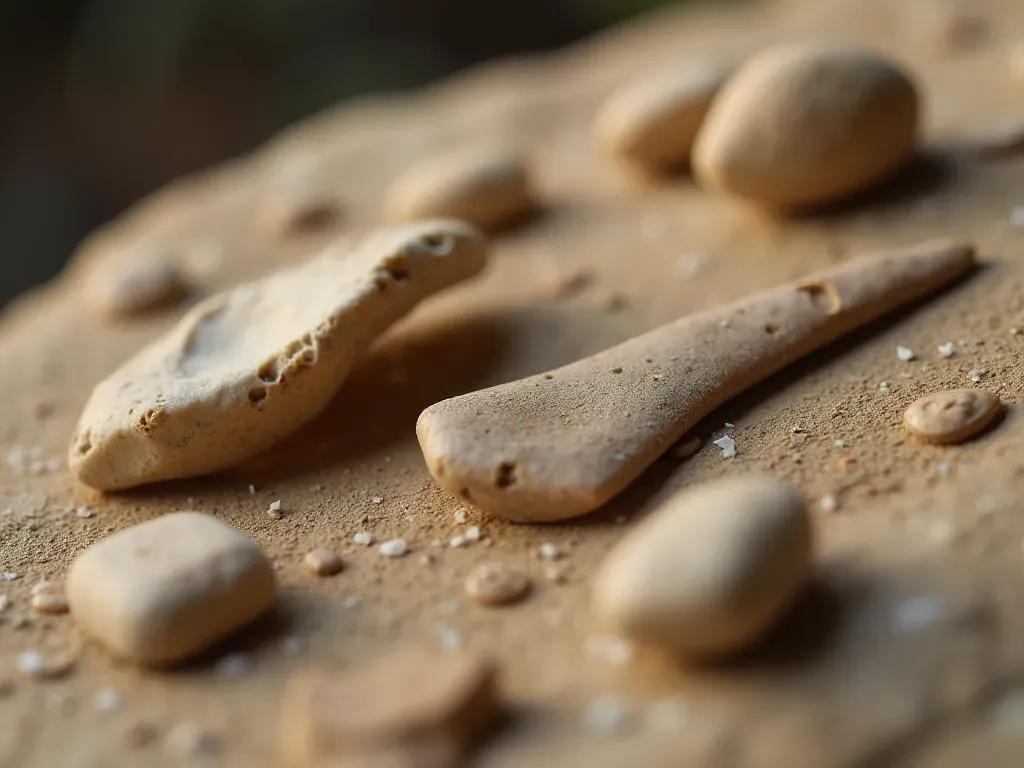
You might expect massive stone pillars like at Göbeklitepe. And sure, those are dramatic. But the real story often hides in small objects. The Yogunburc team found beads. Flint tools. Wild boar teeth. These seem minor. Don’t be fooled.
Beads mean decoration. They imply personal identity. Someone wanted to look good twelve millennia ago. That’s a social signal. Flint shows tool-making skill. It reveals technology. Wild boar teeth? Those might have been amulets or status symbols. Each item tells a tiny piece of the larger narrative.
Professor Gan said these findings show people were intelligent and clever. I’d add that they were creative too. Making a bead requires patience. Selecting the right stone takes knowledge. This wasn’t just survival. It was culture. The hidden power of Neolithic innovations often lies in these everyday objects.
The Intelligence of the Past
We often underestimate our ancestors. We imagine them as simple survivors against nature. The evidence at Yogunburc challenges that view. These people planned digs. They selected materials. They crafted items for non-utilitarian purposes. That’s advanced cognition.
The team designated a square area in the center of their grid. Why? Because that’s where density was highest. High artifact density means high human activity. Someone lived here. Worked here. Maybe even prayed there. It grounds us in reality.
The Stone Hills Network Expands
Yogunburc is just one dot on a huge map. The Stone Hills Project covers twelve Neolithic sites in Şanlıurfa alone. Göbeklitepe gets the fame. Karahantepe draws crowds too. But places like Sefertepe, Saybuc, and Çakmaktepe are equally vital.
This network approach is smart. It stops us from over-relying on one site. If Göbeklitepe was unique, great. But if it’s part of a cluster, we see patterns. The foundations of humanity become clearer when you look at the whole region.
Beyond The Tourist Trail
Most visitors never leave the main sites. They see the pillars and go home. But scholars know the periphery holds answers too. Ayanlar or Mendiktepe might reveal domestic life. Rituals happen at centers. Daily life happens on edges.
The Stone Hills Project recognizes this. It funds research across the board. It’s not a single-site obsession. It’s a regional strategy. That breadth is what makes it powerful for global heritage studies.
Who Wins And Who Loses In This Dig
Let’s get practical. Excavations cost money. Time. Effort. Who gains from this Turkish-Chinese partnership? First, science wins. More data means better theories. Second, local communities benefit. Jobs arise. Tourism grows.
But there are risks too. Disturbing ancient layers can damage context if not done carefully. The team seems professional though. Prof. Gan emphasizes boundaries and density mapping. That suggests caution.
The Global Audience Gains Perspective
For us watching from afar, the win is clarity. We see how early societies formed. The stories of ancient feasts and social structures start to emerge. It humanizes history.
Why This Changes More Than People Think
We assume we know the Neolithic. Farming starts. Villages form. Religion appears. It’s a tidy narrative. But sites like Yogunburc complicate that story. The artifacts suggest complexity earlier than expected.
Professor Gan noted the region has numerous traces of past ages. That’s an understatement. It’s a treasure trove. Each season brings new surprises. The beads and boar teeth hint at trade or ritual practices we barely understand.
Challenging Old Theories
Old models said religion came after agriculture. Göbeklitepe flipped that idea. Rituals might have driven farming. Yogunburc adds another layer. If daily life artifacts mix with ritual items, the separation blurs further.
The mystery of Neolithic objects like stone spheres shows how much we still don’t know. Every new find forces us to rethink assumptions.
A Lesson In Humility
History teaches us to stay humble. What seems obvious today might be wrong tomorrow. The Chinese-Turkish collaboration embodies that spirit. They are open to new evidence.
Connecting With The Taş Tepeler Vision
The Stone Hills Project aligns perfectly with the Taş Tepeler initiative. Both aim to make Neolithic culture accessible. It’s not just for academics anymore. Educators and enthusiasts can engage too.
Imagine classrooms discussing Yogunburc beads. Or museums displaying flint tools alongside Chinese counterparts. The connection between past and present becomes tangible.
Making History Accessible
Complexity shouldn’t mean exclusion. The project highlights innovations that shaped early societies. Those stories resonate today. We all wonder about our origins.
Whether you collect Neolithic art gifts or read novels inspired by these themes, the era feels alive. It’s not dead history. It’s living heritage.
The Future Of The Dig Site
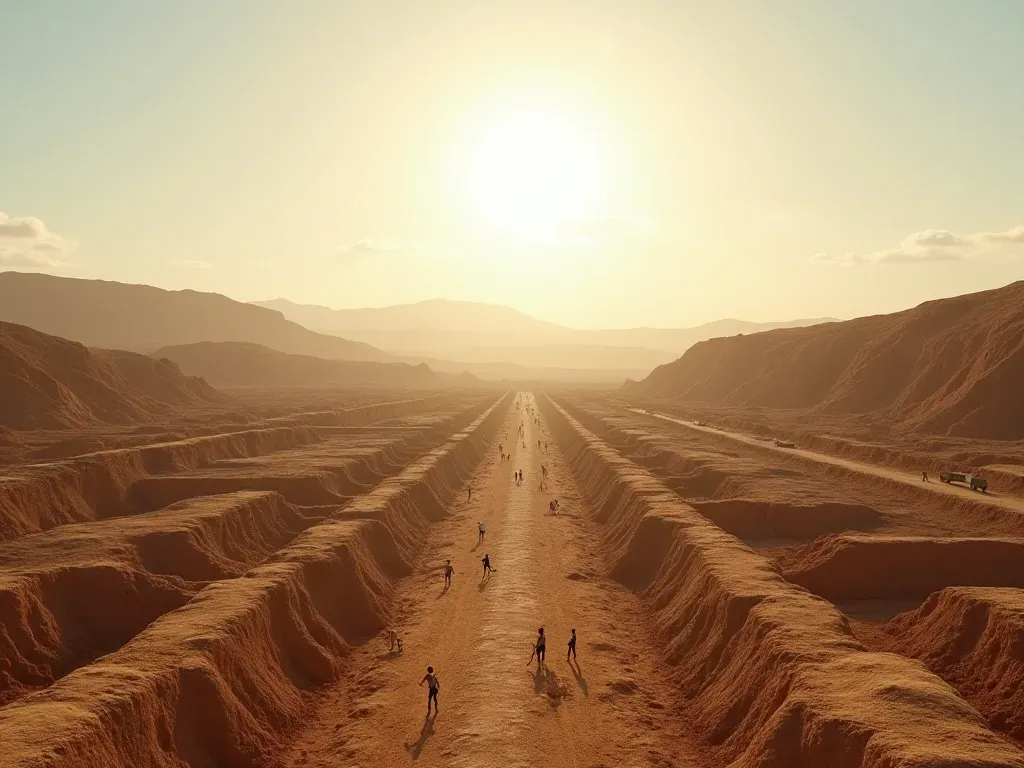
What’s next for Yogunburc? The team plans to expand the central square. More trenches will likely appear. They hope to uncover valuable artifacts.
With twenty-two team members working diligently, progress will be steady. The summer heat in Şanlıurfa is intense though. Logistics matter as much as brushes.
Long-Term Impact On Heritage Management
This project sets a precedent. International collaboration in archaeology is growing. It strengthens global ties through shared history.
The Stone Hills Project proves that preserving the past requires looking outward. Partnerships like Turkey-China open doors to new insights and funding.
Preserving For Generations To Come
Artifacts don’t last forever. Once dug up, they need care. Museums and labs play a crucial role in conservation.
The Şanlıurfa Archaeology Museum supports this work. It ensures finds are studied properly and displayed respectfully.
Final Thoughts On Our Shared Past
So why should you care about beads and boar teeth? Because they are us. They show how humans began to build communities. To create meaning.
The Stone Hills Project isn’t just digging dirt. It’s uncovering identity. And with partners like China joining in, the story gets richer every day.
Keep your eyes on this spot. The soil around Şanlıurfa isn't done giving up its secrets yet.