The Neolithic Era Technology That Outperformed Modern Engineering Standards
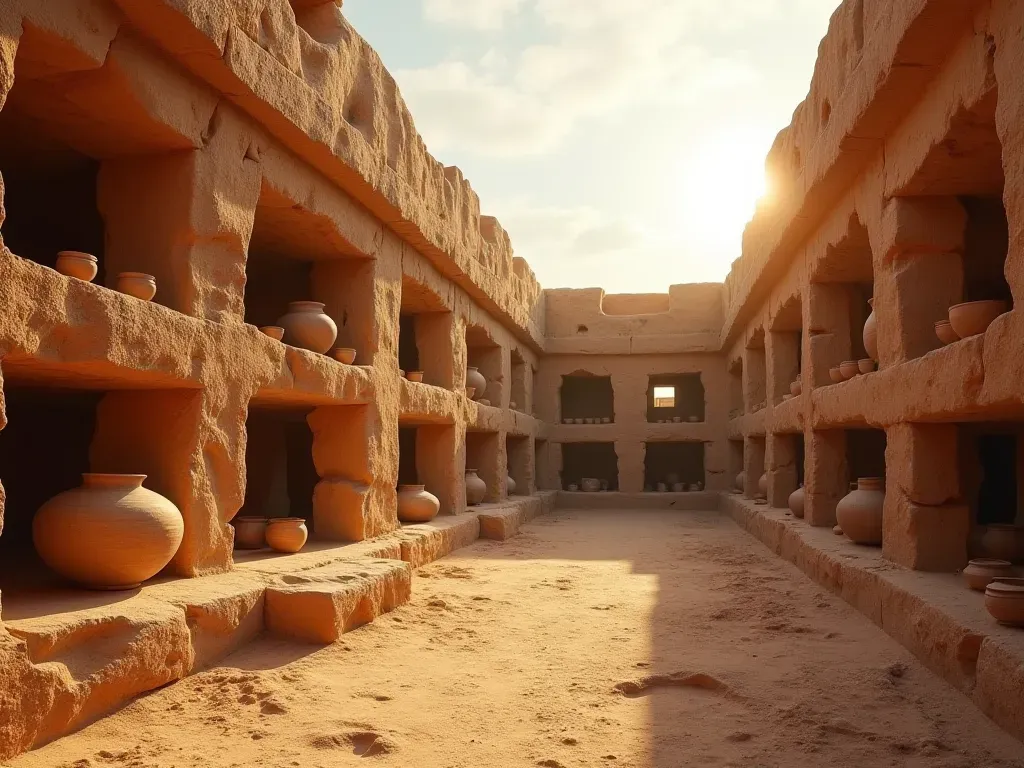
The Myth of the Primitive Farmer Is Broken
We're taught that history runs in a straight line. Mud, then stone, then brick, then steel. Nice story. But the data doesn't cooperate.
The Neolithic wasn't some era of scarcity. It was an age of aggressive experimentation.
I remember reading about the first pottery kilns and feeling an actual jolt. Those weren't accidental fires. They were controlled chemical reactors.
Modern engineers tend to assume thermal management is a recent invention. Nope. Ancient people had mastered heat distribution centuries before anyone wrote anything down.
Stone Tools That Compete With Modern Metal
Take flint. Miserable material to work with. And yet ancient craftsmen turned out blades with edges thinner than what modern razors carry.
One bad strike during knapping and you start over. For a prehistoric toolset, the precision required is staggering.

If you're curious how these tools actually got used, check out this piece on the polished stone that proves Neolithic tech was way better than you think. It breaks down the specific wear patterns found on ancient axes.
Edge retention on these things is remarkable. Months, sometimes years, with barely any resharpening.
Agriculture Was a High Stakes Engineering Project
Farming gets dismissed as simple. Plant seeds, wait for rain, done. That take ignores the enormous logistical problem underneath it.
Neolithic farmers had to map soil composition and water flow with no instruments at all. Just observation and memory.
They built irrigation channels that managed water with surprising efficiency for their time period.

The move from hunting to farming wasn't gentle. It was a radical restructuring of daily life and social norms.
Some scholars argue this change forced people into sedentary communities. Others think it was a choice driven by abundance.
You can read more about that debate in The Neolithic Revolution Was a Massive Mistake. It pushes back on the positive narrative of agricultural progress.
Construction Techniques That Defy Gravity
Look at the megalithic structures from this era. Massive stone blocks, no mortar, no iron tools.
The alignment of these structures points to a sophisticated grasp of astronomy and geometry. They were not random piles.
Modern architects study these methods hunting for sustainable building techniques that don't rely on heavy machinery.

The engineering behind these structures demanded coordinated labor and precise planning. A true collective effort.
They used leverage and ramps to move weights that would take modern cranes hours to lift with ease.
The Role of Observation in Design
Ancient builders relied on the sun and moon to guide their construction. That natural calibration is a form of passive technology.
Which shows innovation often comes from watching the world closely rather than inventing new materials from scratch.
Why We Still Misunderstand These Inventions
We judge the past by modern standards. That's a fundamental error in historical analysis and interpretation.
Neolithic technology was limited by materials, not by intelligence. The constraints forced creative solutions that still impress.
I've watched modern engineers struggle with problems ancient people solved using simple stone and water. It's humbling.

The gap between what we know and what they knew is smaller than we like to admit. We have more tools but not necessarily better minds.
Understanding this helps us appreciate the ingenuity of early human societies and their lasting impact on our world.
Lessons for Modern Problem Solvers
We can learn from their resourcefulness. Innovation isn't just about high tech gear. It's about clever thinking under pressure.
Sometimes the best solution is the simplest one that works reliably without external power sources or complex maintenance.
Frequently Asked Questions
What was the most advanced tool of the Neolithic era?
The polished stone axe is often considered the most advanced. It required precise grinding and heat treatment to achieve a durable cutting edge that outperformed many modern tools.
How did ancient people build large structures without machinery?
They used leverage ramps and coordinated labor. By understanding physics principles like the lever they moved massive stones using only wooden tools and human strength.
Why is Neolithic technology still relevant today?
It teaches us about sustainable design and resourcefulness. Modern engineers study these methods to find efficient solutions that do not rely on heavy industrial processes.