One forgotten name on a memorial slide is about to change how you see all of human history
The slide that stopped the room
Picture this. A packed lecture hall in Şanlıurfa. The lights dim for a memorial segment honoring the giants of the field.
Then, a single name appears on screen. Klaus Schmidt. For most in the room, that is not just an obituary.
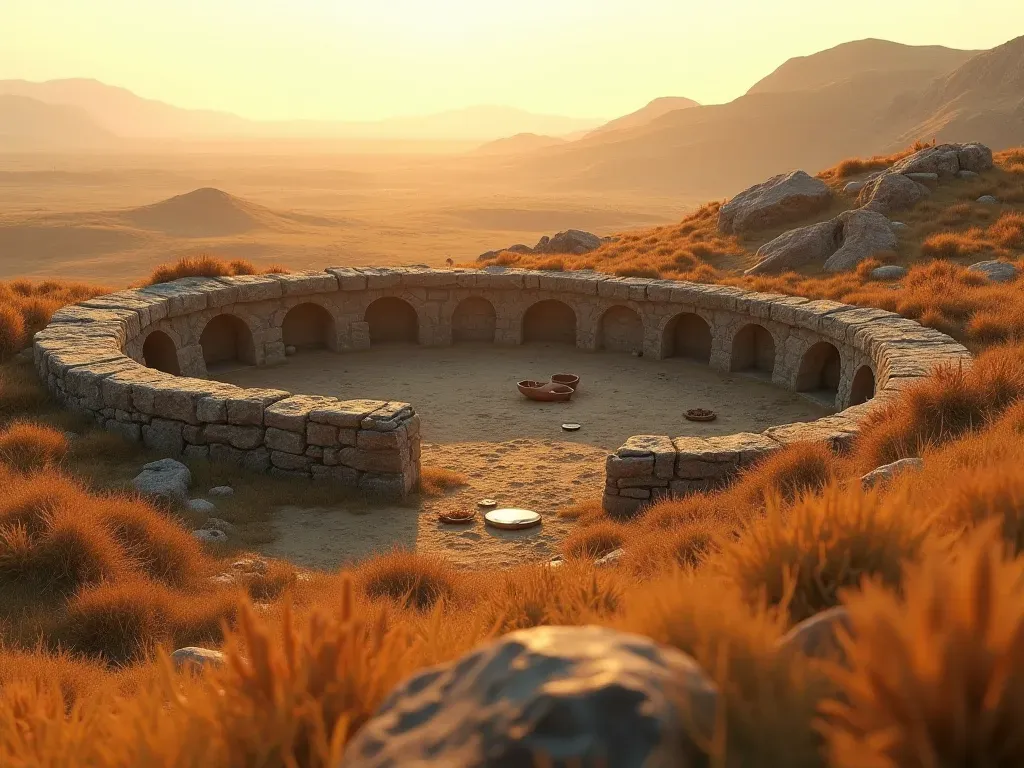
It is a reminder of the man who looked at Göbeklitepe and saw not a simple temple, but a complex social engine.
And here is the thing. We keep treating the Neolithic like a simple story of people picking up farming tools.
But the data from sites like Karahantepe screams that it was far more chaotic, creative, and strange.
Why we got the timeline completely wrong
For decades, textbooks sold us a neat little package. Agriculture arrived first, then towns formed.
That sequence is now under heavy fire from the very scholars gathered in this congress.
Look at Göbeklitepe. Massive structures rose long before stable food supplies existed in the region.
So who built them? And why did they do it without the economic safety net we assume was necessary?
The answer likely involves ritual obligation and social pressure rather than simple survival needs.
This flips the script. It wasn't farming that created society; it was society that invented farming.
The forgotten gender roles in the record
We assume ancient hierarchies mirrored modern ones. Men in charge, women in the background.
But the burial sites tell a much messier and more equal story than we like to admit.
I remember reading about a specific grave where the tool kit defied every stereotype we hold.
If you are interested in this shift, check out how a woman buried with a man's tools just broke our idea of Neolithic gender roles.
That single find challenges the binary thinking that still lingers in popular history books.
What the new AI data actually found
The congress also highlights a fascinating intersection of tech and dirt. Researchers trained AI on fake datasets.
Surprisingly, the algorithm spotted real ruins that human eyes had missed for years.
This suggests our visual biases are holding back the field more than we realize.
We look for what fits our models. The machine looks for patterns that defy them.
For those curious about this method, see how archaeologists trained AI on fake data and it found real ruins better than humans.
The tech boom we keep dismissing as primitive
We often call these societies stone age. That label is doing a lot of heavy lifting for our ego.
Consider the engineering required to quarry and transport multi-ton stones without wheels or metal.
It was a massive logistical feat that rivals modern construction challenges in complexity.
The polished stone that proves Neolithic tech was way better than you think is a perfect example.
These weren't clumsy hacks. They were refined techniques passed down through generations of expertise.
Why this matters for your understanding of us now
You might ask why a 11,000-year-old site matters to your daily life in 2026.
Because the social structures we built back then are still shaping how we organize today.
Our ideas about cooperation, hierarchy, and belief are not new inventions.
They are old habits that have been refined over millennia rather than created from scratch.
Understanding the Neolithic gives us a clearer mirror for our own cultural assumptions.
It forces us to question what is natural and what is merely learned.