CNN International Just Exposed The Darkest Truth About The Topkapi Harem
The Myth of The Lazy Sultan Is Dead
We all have this image in our heads, don't we? The sultan sitting on a golden throne, fans fluttering, while beautiful women in silk dance in the background. It's the version of history sold to us by old paintings and Hollywood movies. But CNN International just tore that fantasy apart in their new Destination Turkey series. And honestly, the reality is way more interesting than the fiction. I was watching the episode last night, and I actually sat up straighter.
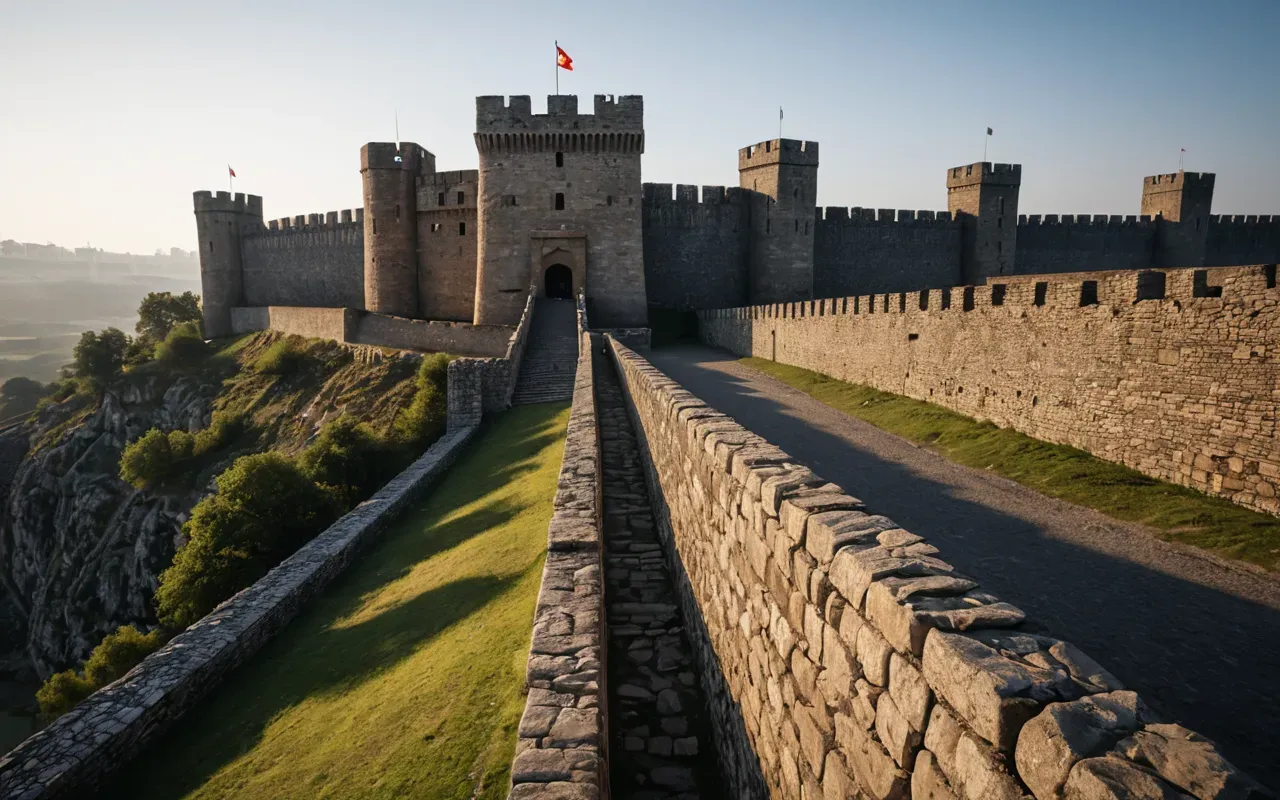
Topkapi Palace wasn't just a home. It was a massive, walled city. Five kilometers of walls surrounded a place where four thousand people lived, worked, and died. Think about that. Bakers, doctors, librarians, soldiers, cooks. All inside those stone barriers. It wasn't a palace. It was a self-contained universe. And the center of that universe wasn't a throne room. It was a bureaucracy so complex it made modern governments look simple.
History professor Caroline Finkel called it the beating heart of the empire. That's a strong phrase. But it fits. Every decision affecting millions of people across three continents started behind those walls. The architecture itself was designed to control. You didn't just walk in and see the sultan. You moved through four separate courtyards. Each step inward meant more power, but also more restriction. By the time you reached the innermost section, you were either very powerful or very trapped.
Inside The Harem Where No One Was Safe
Here's where most people get it wrong. The harem wasn't a place of pleasure. It was a place of rules. Four hundred rooms. Hundreds of women. And a hierarchy so strict it would make a military base look relaxed. If you were a low-level servant, you slept in dormitories. You ate by the clock. You spoke when spoken to. There was no dancing. There was no freedom. Just survival.
The CNN report highlighted something few documentaries mention. The security system. Black eunuchs guarded the outer sections. White eunuchs managed the inner administration. Both groups held immense power. They controlled access, information, and movement. In many ways, they were the real gatekeepers of the empire. Without their approval, no one moved. Not even the sultan could ignore them completely. It was a system built on checks and balances, not just on wealth.
But then there was Hurrem Sultan. Everyone knows her name. But do you understand what she actually did? She broke the rules. Not by being beautiful, though she was. But by being smart. She stayed in the harem instead of being sent back to her homeland. She built alliances. She influenced foreign policy. She turned a place designed to keep women trapped into a center of political power. That's not a fairy tale. That's political strategy.
I find this part fascinating because it mirrors something we see in ancient history all the time. Power always finds a way. Even in the most restrictive environments, people create new systems. The harem was supposed to be isolated. Instead, it became a network of information. Letters flowed in and out. Diplomats visited. Decisions were made in those rooms that changed the map of Europe. It's a reminder that history is never just about wars. It's about who controls the conversation.
The Treasures That Paid For An Empire
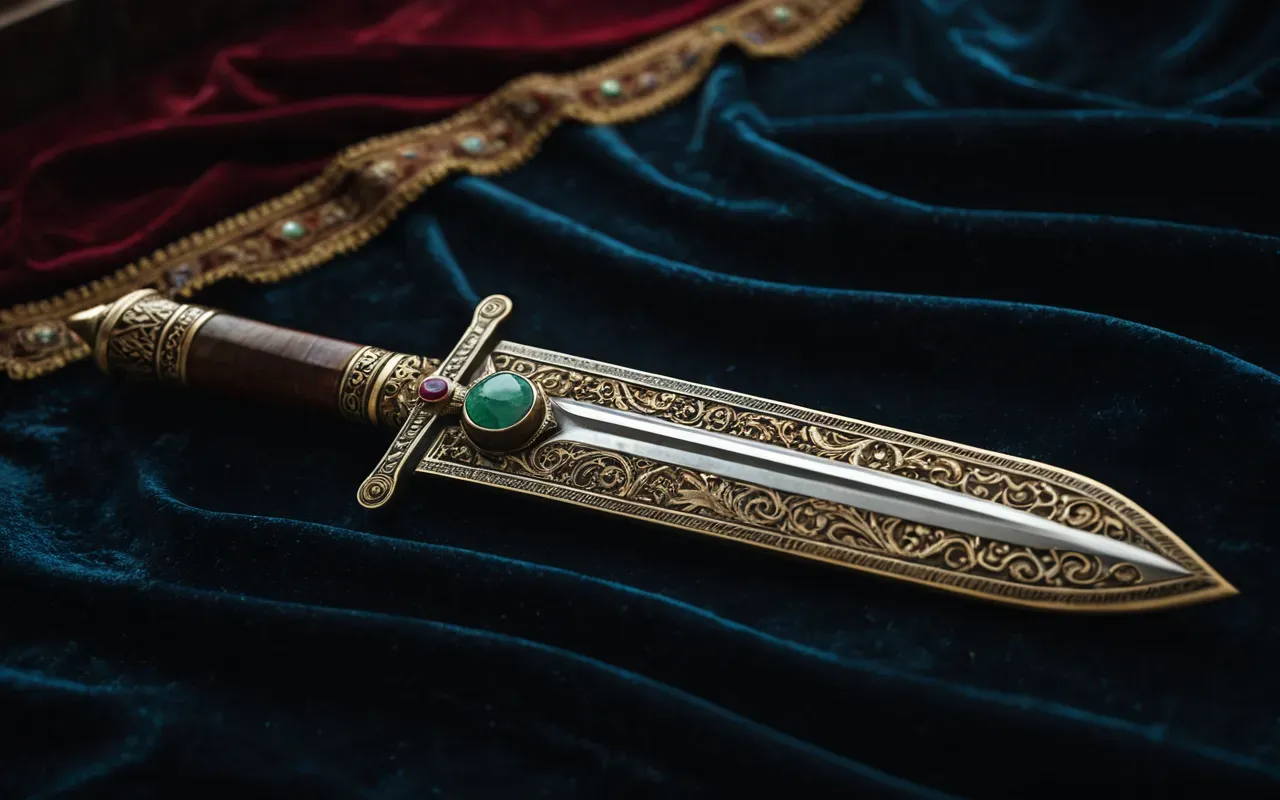
Let's talk about the stuff people actually come to see. The treasury. The Spoonmaker's Diamond. The Topkapi Dagger. These aren't just shiny objects. They were tools of diplomacy. The diamond, weighing 130 carats, was a gift from a French king. It represented an alliance. The dagger, encrusted with emeralds and rubies, was a symbol of status. Each item in that room told a story of who the Ottomans were connected to.
The porcelain collection alone is staggering. Thousands of pieces from China, Japan, and later, Europe. The Ottomans didn't just collect art. They collected influence. When a ruler sent a gift, they were saying,
We are friends.
Today, those items sit behind glass. But back then, they moved through the palace. They were displayed to ambassadors. They were used in ceremonies. They were part of the show. And that show was carefully crafted. The sultan wanted the world to see wealth. He wanted to project strength. The architecture helped. The treasures helped. Everything was staged. It's almost like a modern brand campaign, but with empires at stake.
Why This Changes How We See Istanbul
Most tourists walk through Topkapi and see beautiful courtyards. They take photos of the Bosphorus view. They buy souvenirs. But CNN's series asks us to look deeper. The location wasn't random. The sultan chose this spot for a reason. It sits on a hill. It controls the water passage. It overlooks the Golden Horn. From the fourth courtyard, you can see the entire city. And that view was strategic.
Control the strait, control the trade. Control the palace, control the city. It's a lesson in urban planning that still applies today. Think about any major capital. The power center is always elevated. Always visible. Always defensible. Topkapi is a perfect example of that principle. The walls aren't just decoration. They're a statement. And the inner gardens? They're not just pretty. They're private. Restricted. Controlled.
I've been to Istanbul three times. I never really saw the palace until I understood this context. Now, when I look at those walls, I don't just see stone. I see strategy. I see a system designed to separate power from the public. And it worked for four hundred years. That's a long time. Most modern governments don't last that long. The Ottoman system had flaws, of course. Corruption. Succession crises. But the core structure was solid. It adapted. It survived.
The Ancient Roots of Modern Turkey
Here's a connection most people miss. The way we understand power today still echoes those ancient structures. If you look at sites like Gobekli Tepe or the Taş Tepeler project in Turkey, you see the same patterns. Centralized control. Ritual spaces. Separation between leaders and followers. The Neolithic era laid the groundwork for everything that came after. Agriculture brought settlement. Settlement brought hierarchy. Hierarchy brought palaces.
It's fascinating to trace that line forward. The tools used in early settlements eventually became the weapons that built empires. The social structures of small villages evolved into the complex bureaucracy of Topkapi. When we study ancient artifacts, we aren't just looking at old objects. We're looking at the blueprint of civilization. And Turkey is ground zero for that story. The region has some of the oldest evidence of human organization.
Educational projects are starting to highlight this link.
https://tastepeler.blog/unlocking-humanitys-past-through-the-educational-resources-of-the-neolithic-era-and-the-tas-tepeler-project
>Unlocking Humanity's Past Through the Educational Resources of the Neolithic Era and the Taş Tepeler Project is one example. It shows how early human ingenuity connects to later achievements. The same mindset that created the first plow eventually built the first palaces. It's a continuous thread. And understanding that thread changes how we view our own world.
Who Really Wins When History Is Re-Told
So who benefits from this new look at Topkapi? Honestly, the public. We stop getting the sanitized version. We stop believing the myths. We start asking questions. Why was the harem so strict? Who really held the power? How did the sultan maintain control? These are better questions than
Was the sultan nice?
And who loses? The romantics. The people who want to believe in fairy tales. But fairy tales don't build empires. Systems do. Bureaucracy does. Strategy does. The CNN series doesn't deny the beauty of the palace. It just puts that beauty in context. The gold isn't just decoration. It's a statement of wealth. The walls aren't just stone. They're a barrier. Everything has a purpose.
I think this approach is necessary. We keep seeing the same errors in how we teach history. We focus on dates and names. We ignore structure and system. But structure is what matters. The way power is organized. The way information flows. The way access is controlled. Those are the real lessons. And Topkapi is a masterclass in those lessons. It's a living example of how centralized authority works.
The View That Changed Everything
The documentary ends with a shot from the fourth courtyard. The camera pans across the water. The Bosphorus stretches out. Ships move. The city sprawls. And the narrator says it all. This view is why the palace was built here. This view is why it lasted. You can see the threat before it arrives. You can see the trade routes. You can see the entire world connected to your door. It's a powerful image.
I stood in that exact spot last summer. It was hot. Crowded. Tourists everywhere. But for a second, I imagined it five hundred years ago. No crowds. Just silence. Guards on the walls. Messages being delivered. Decisions being made that would affect millions. The contrast is striking. The same stone. The same air. But a completely different reality. That's the power of place. It holds memory. It holds truth.
If you ever visit, don't just take the photo. Look at the walls. Look at the gates. Think about how hard it would be to get in. Think about how hard it would be to get out. That's the real story. Not the jewels. Not the silk. The control. The isolation. The power. It's a lesson that applies to politics today. Just in a different scale. And that's why this series matters. It connects the past to the present in a way that feels immediate.
The Future Of Ottoman Storytelling
We are seeing a shift in how history is presented. No longer just dates and battles. Now, structure. Systems. Psychology. CNN's Destination Turkey series is part of that wave. It's not the only one. Museums are changing. Books are changing. Even games are changing. The public is ready for deeper stories. They want to understand the mechanics of power, not just the surface of it.
I think this trend will grow. As technology improves, we'll see more immersive ways to explore these topics. Virtual reality tours of the harem. Interactive maps of the empire. Digital archives of the treasury. The potential is huge. And Turkey is perfectly positioned to lead it. The country has the sites. The artifacts. The stories. It just needs the will to share them honestly.
For now, though, this series is a great start. It breaks ground. It challenges assumptions. It makes you look twice at something you thought you knew. And that's what good journalism does. It doesn't just inform. It provokes. It makes you think. It makes you question. And in the end, that's the only way we move forward. By understanding where we came from. By seeing the past clearly. Without the filter.
So next time you hear about the harem, or the sultan, or the treasures, pause. Ask yourself what's missing from the story. Who benefits from the myth? Who controls the narrative? Those are the questions that lead to real understanding. And Topkapi Palace, with all its walls and secrets, is the perfect place to start asking them. The stones are still there. They're still waiting to tell the truth. We just have to be willing to listen.
There is a parallel here that often gets overlooked by mainstream tourism narratives. Just as the Ottoman Empire built upon layers of previous civilizations, the Neolithic period forms the bedrock of all subsequent human innovation in the region. Projects like
https://tastepeler.blog/unveiling-humanitys-dawn-through-the-tas-tepeler-neolithic-excavations
>Unveiling Humanity's Dawn Through the Taş Tepeler Neolithic Excavations remind us that the drive for centralized control and cultural expression started millennia before the first stone of Topkapi was laid. The ingenuity required to manage early agricultural settlements shares a DNA with the bureaucratic complexity of the later empire. It is a continuous thread of human adaptation.
Final Thoughts On A Complex Past
History is rarely black and white. It's filled with grays. With contradictions. With people trying to survive in systems they didn't create. The women in the harem. The sultans on the throne. The guards on the walls. They were all playing a part. Some won. Some lost. But they were all part of a machine that ran for centuries. And that machine was built on ideas that are still with us today.
I appreciate when media takes the time to show this complexity. It respects the audience. It respects the past. And it respects the future. Because we are still building. We are still creating systems. We are still trying to understand power. Topkapi is just one example. But it's a powerful one. And if CNN's series teaches us nothing else, let it teach us to look closer. To question the myth. To seek the truth.
The view from the fourth courtyard is beautiful. But the view of the past, when seen clearly, is even more beautiful. It's real. It's human. It's ours. And it's waiting for anyone willing to walk through the gates. Just remember. The walls are there for a reason. And the truth is always inside them.