A Neolithic Village Just Tripled In Size And It Has No Kings
The Numbers Just Changed And It Changes Everything
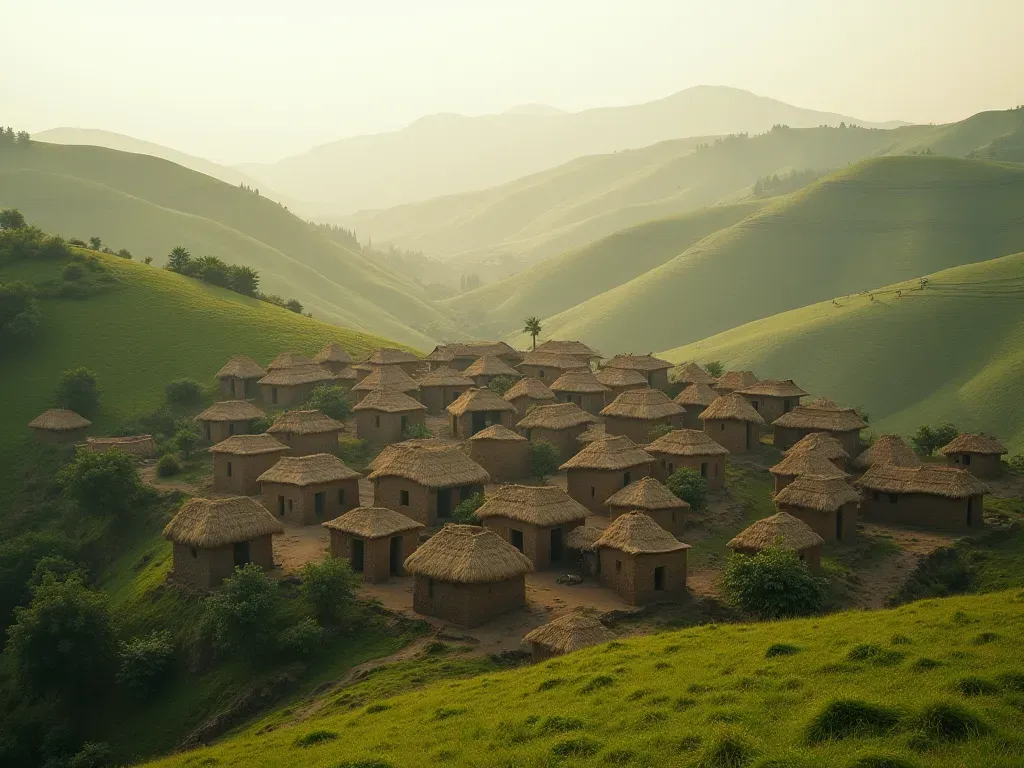
For decades, we accepted a quiet figure. Around two hundred people lived in this specific spot.
That number came from the s. It was based on isolated trenches and a limited view of the ground.
Now we know that was wrong by more than three times. The actual peak population likely exceeded seven hundred residents.
This is not a minor correction to a footnote. It rewrites the social scale of an entire community.
I was struck by how easily we accept old data. We treat the first number as truth without checking the whole map.
How Without Digging They Found The Truth
The team did not open a single new trench. That is the most important part of this story.
Instead they used magnetometry to map buried house foundations. This technology reads magnetic traces left in the soil.
They also used core drilling to sample deep deposits. This lets researchers see layers without disturbing the site.
This approach covered ground that conventional digging missed. It mapped the full extent of the settlement rather than isolated spots.
The result was a footprint expansion from five hectares to more than nine. That is almost double the known area.
This shift in method matters. It shows we can learn more by looking than by digging.
A Society Without A Visible Ruler
Here is the part that keeps me thinking. Seven hundred people lived together without a clear elite class.
The houses were all roughly the same size. There was no towering residence or fortified compound to mark a leader.
The median Gini index was about zero point twenty two. This is very low and points to strong equality.
This cuts against the assumption that large groups need a ruler. It suggests cooperation can sustain complex societies.
Multiple ditches enclosed parts of the site. Maintaining these earthworks required sustained group labor over time.
There was no sign of compelled work. The pattern ties to voluntary cooperation rather than elite control.
Why This Challenges Old Models Of Power
We often imagine prehistoric life as a ladder. A few at the top and many at the bottom.
This settlement proves that model is not always true. A large group can function without hierarchy.
It makes you wonder how many other sites were misread because we looked for kings where none existed.
The Role Of Shared Labor In Building Community
Digging ditches is hard work. It takes time and coordination.
If everyone contributed equally the project becomes a shared bond rather than a tax imposed by leaders.
What We Can Learn From This Ancient Cooperation
Modern communities still struggle with trust and shared responsibility. Seeing this ancient model works is inspiring.
The Technology That Made This Discovery Possible
Magnetometry is not new but it was rare in this region until recently. Now it is changing how we survey sites.
The team walked the fields season after season between twenty twenty two and twenty twenty four. This patience paid off.
They mapped one hundred eighty to two hundred house foundations. Each one added to the population estimate.
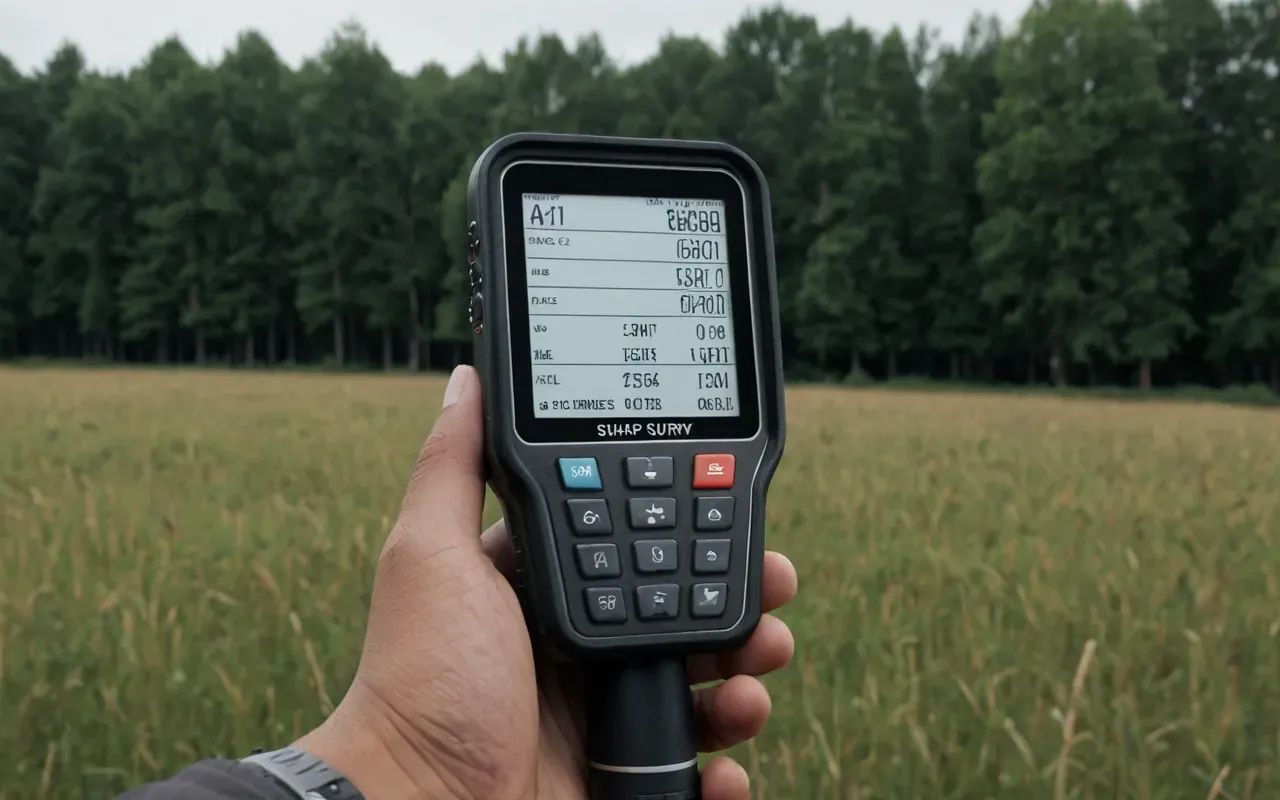
This technology allows us to see without destroying. It preserves context while revealing structure.
The Broader Impact On Our Understanding Of The Past
This finding is part of a larger shift. We are moving away from simple narratives of progress and dominance.
It connects to other recent discoveries that challenge assumptions. For instance you might find it interesting how a plague in the bones just rewrote why Europe's first farmers vanished according to this detailed analysis.
We are also seeing how ancient ingenuity still influences us. The Neolithic chipset that powers your modern kitchen is a fascinating example of this continuity.
These stories remind us that history is not just about kings and wars. It is also about how ordinary people organized their lives.
Why The Vinca Culture Matters To Global History
The settlement belongs to the Vinča culture. This tradition spread across the central Balkans from Serbia into Romania and Bulgaria.
Few of these sites have been resurveyed with such detail. That is why a six thousand eight hundred year old village could still triple in known size now.
Similar revisions are likely at other sites. Many were mapped only from decades old excavation reports that missed the full picture.
What This Means For The Future Of Archaeology
The future is non-invasive. We will learn more by surveying than by digging.
This saves sites from destruction while increasing our knowledge. It is a win for science and preservation both.
I expect to see more surprises as this technology spreads. Old estimates will likely be updated in many regions.
The Importance Of Revising Old Assumptions
Science is self-correcting. New tools and new eyes change what we know.
This case shows that humility is key to understanding the past. We must always be open to new evidence.
How You Can Follow These Ongoing Discoveries
The full findings are published in Archaeologia Austriaca. It is a valuable resource for anyone interested in prehistoric society.
You can also explore related topics like how we have been completely wrong about ancient factories which offers another perspective on prehistoric organization.
Final Thoughts On A Surprising Ancient Community
This story is about more than numbers. It is about how people lived together thousands of years ago.
It challenges us to rethink our assumptions about power and social structure. It shows that complexity does not require hierarchy.
I find this deeply hopeful. It suggests that cooperation is an ancient and powerful force in human history.
The next time you think about prehistoric life remember this village. It was big but it stayed equal.