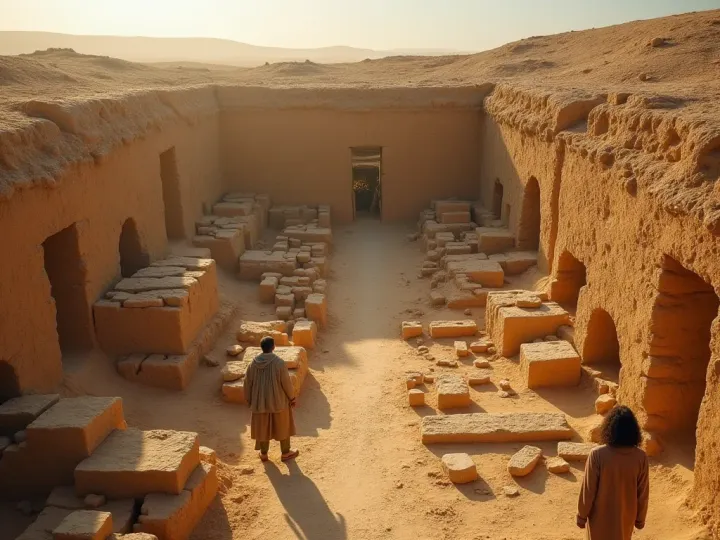
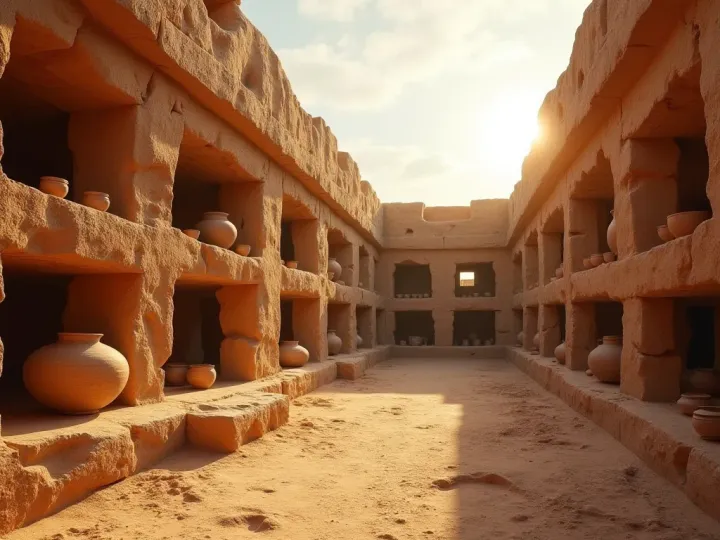
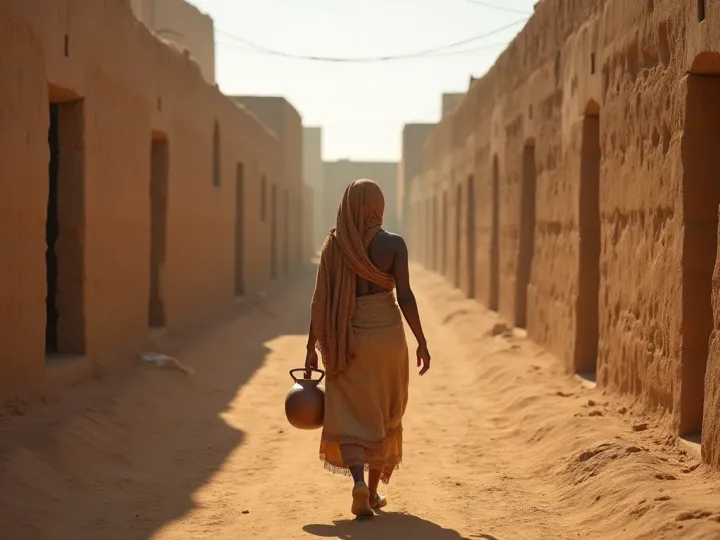
A massive wildfire might have forced Neolithic people to invent pottery
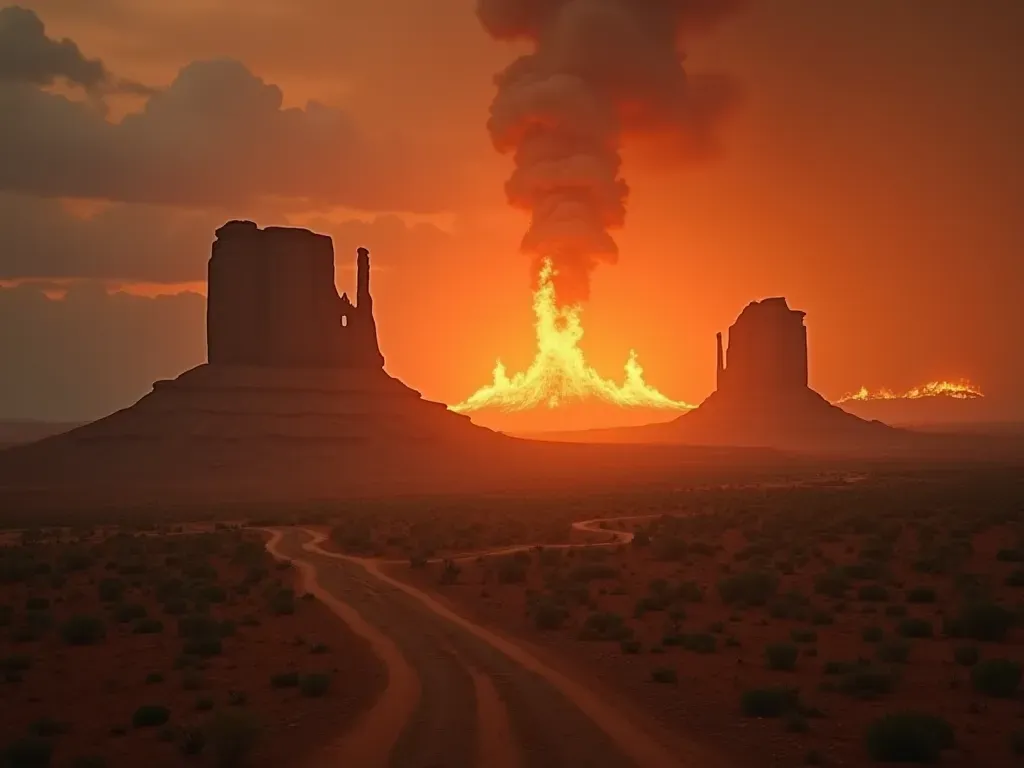
The Fire That Changed Everything
Picture this: the biggest technological leap in human history didn't come from curiosity or need. It came from chaos. A massive, uncontrollable blaze that stripped the landscape bare and left a strange, hardened substance sitting on the valley floor.
For decades, we assumed pottery came about slowly, through trial and error. Amos Frumkin's new study flips that on its head. His argument: intense wildfires in the southern Levant didn't just destroy things. They created an opening.
This isn't some minor footnote in archaeological history. It's a potential reset of how we see the Neolithic era. If fire triggered the first ceramic vessels, then our ancestors didn't just adapt to their environment—they exploited its disasters.
The Natural Kiln Hypothesis Explained
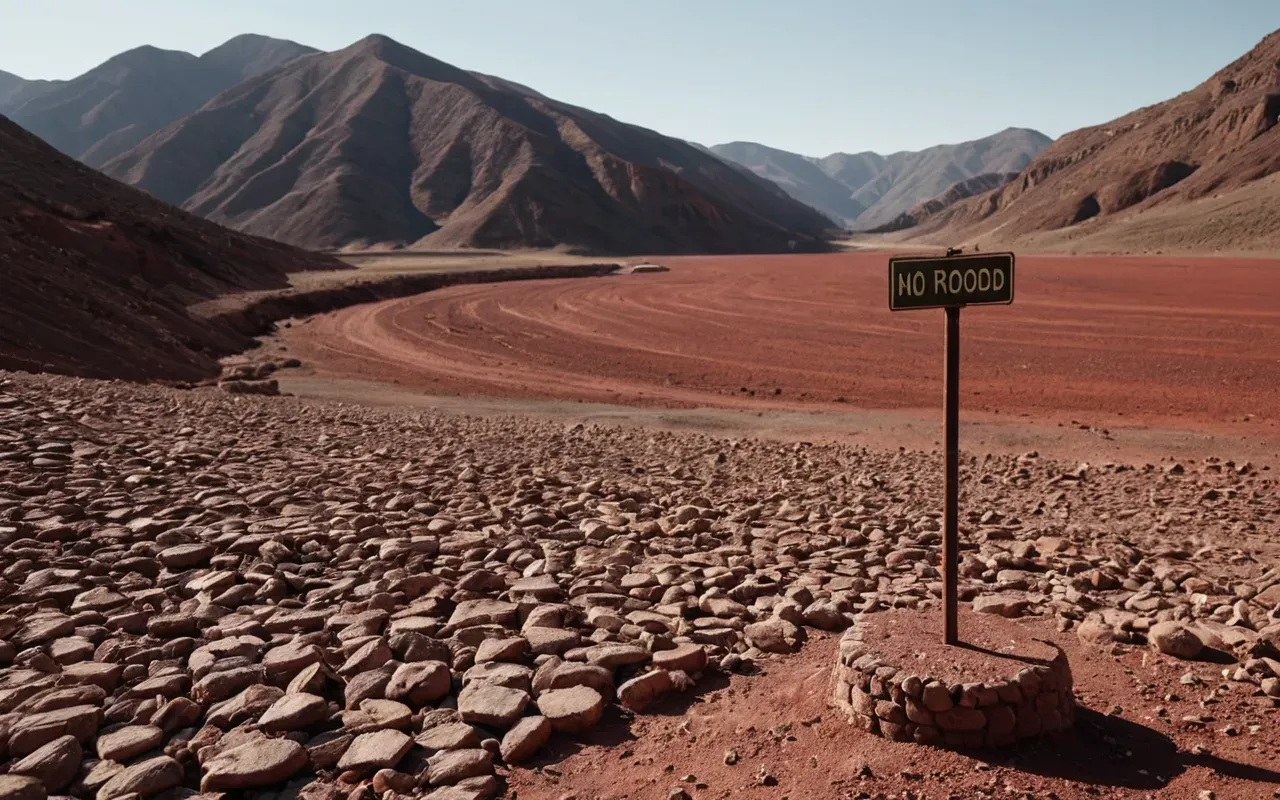
Frumkin calls it the "natural kiln hypothesis." Deceptively simple idea, massive implications. When wildfires burn hot enough for long enough, they can bake soft clay into hard ceramic material.
In the Jordan Valley around , years ago, these weren't just local blazes. They were regional events, driven by dry thunderstorms and climate shifts. The heat got intense enough to alter the chemical structure of the soil itself.
Here's where it gets fascinating. Neolithic people living in these areas likely watched this transformation happen firsthand. They saw loose dirt turn into durable objects once the flames died down. The logic follows naturally: if fire can do this, maybe we can control it.
This isn't speculation without evidence. Frumkin's study links specific geological deposits to known fire events. And the timeline lines up with the rise of large settlements on valley floors where these clay-rich sediments piled up.
Why This Changes More Than People Think
Most people think of pottery as a gradual cultural evolution. A slow refinement over centuries. But if it started with a single catastrophic event, the story changes. It's not about patience; it's about reaction.
Consider the contrast. During MIS e, roughly , years ago, similar fires and soil erosion occurred. Yet no pottery emerged then. Why? Because those early humans lacked the settled communities and farming systems needed to value durable containers.
So the environment handed them the tool. Human society supplied the reason to use it. That distinction matters. It suggests technological breakthroughs often need a specific social context, not just an environmental trigger.
And it reframes how we view other inventions. Maybe the wheel wasn't just invented out of convenience. Maybe it was a response to a specific logistical problem that only certain societies faced at that time.
The Skeptic’s View on the Evidence
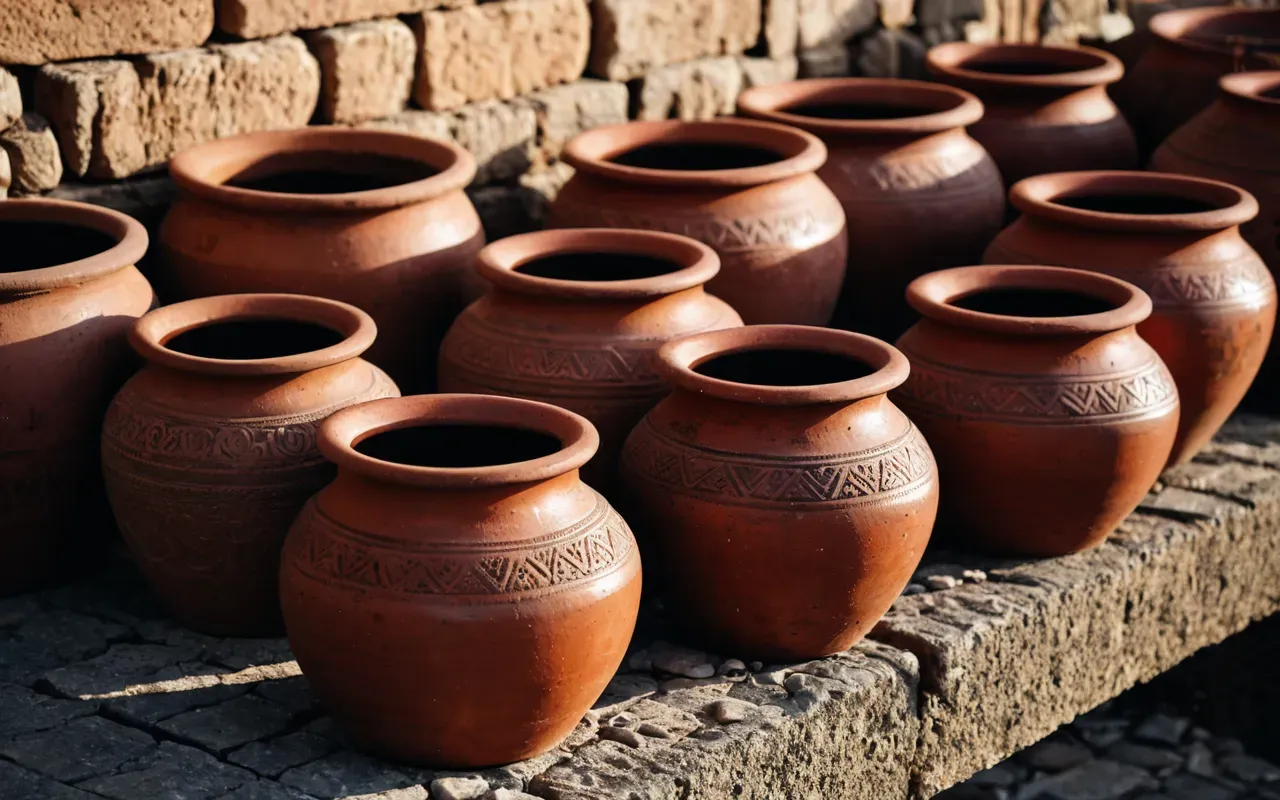
Let's be honest, though. This hypothesis is compelling but not proven. Current dating methods don't show a clear sequence of fires happening before the earliest ceramic shards appear.
Frumkin acknowledges the gap. He admits we can't definitively say fire-baked clay predates intentional pottery making in the same location. Strong correlation, yes. Causation? Still debated.
Critics might argue Neolithic people were experimenting with clay long before these specific fires. If true, then the wildfire story is just one chapter in a much longer narrative of ceramic development.
But here's the thing. Even if it wasn't the sole trigger, the fires likely accelerated adoption. They offered a ready-made example of what heat could do to clay, lowering the barrier for widespread experimentation.
Who Wins and Who Loses in This Narrative Shift
This story favors those who see human history as reactive and adaptive. It undermines the idea of slow, linear progress. Instead, it presents a jagged timeline punctuated by sudden shifts driven by external shocks.
For educators and museum curators, this is gold. It offers a vivid narrative hook. Instead of explaining pottery through dry cultural processes, they can tell a story of fire, survival, and opportunism.
Traditionalist archaeologists, though, might lose ground. Their models often emphasize gradual internal development within cultures. If external environmental factors played a bigger role than assumed, those frameworks need revision.
This isn't just academic squabbling, either. It affects how we fund research and prioritize digs. If fire-driven innovation is real, then sites with strong evidence of past wildfires become higher priority for excavation.
The Backstory the Source Skipped
Most summaries of this study focus on the fire-pottery link. But they miss a critical detail: the migration pattern of Neolithic communities during this period.
Frumkin notes that large settlements became more common on reworked soils in valleys while upland sites were abandoned. This shift wasn't random. It was driven by the loss of plant cover on hillsides.
So these people were already moving to new areas when they encountered the fire-baked clay. They weren't just observing a phenomenon; they were relocating into a landscape transformed by it.
That context adds depth. Pottery didn't emerge in a vacuum. It emerged as part of a broader adaptation strategy involving agriculture, settlement location, and resource management.
What Future Digs Could Prove or Disprove
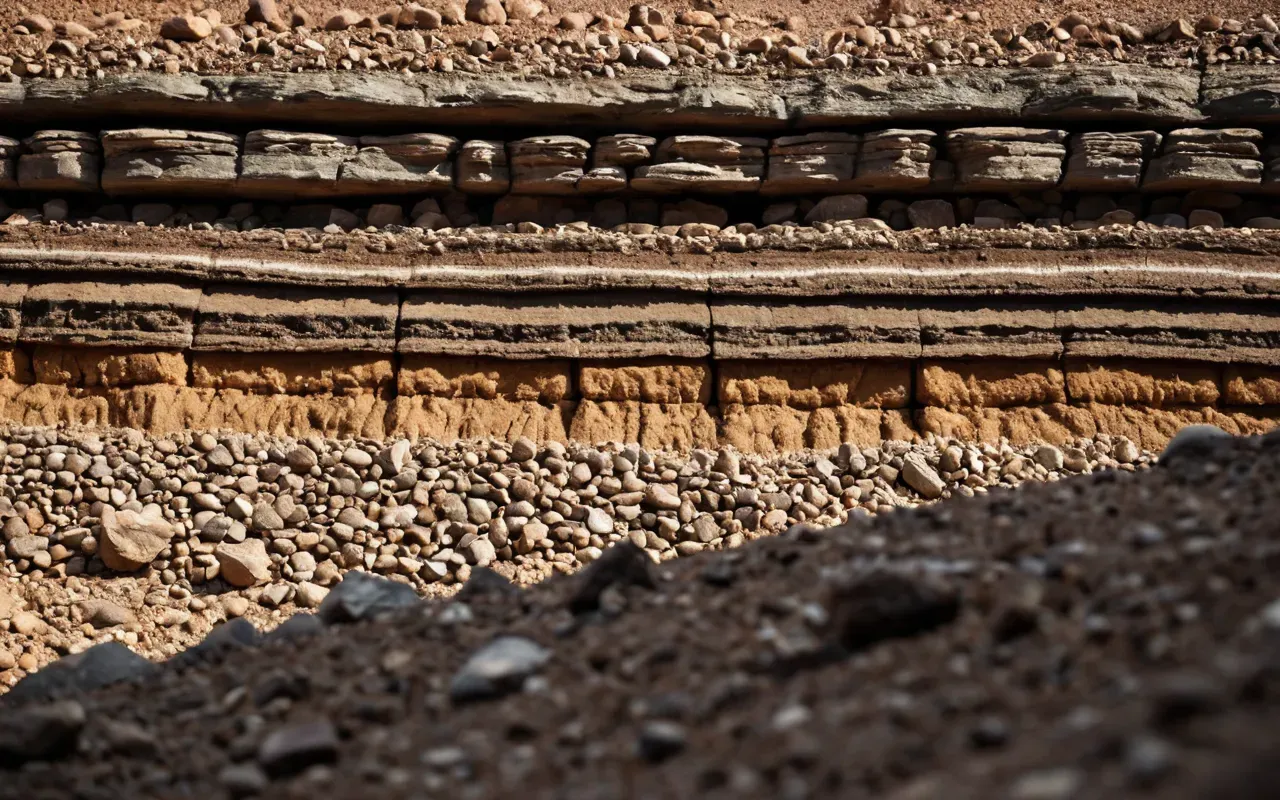
The next phase of research is straightforward but challenging. Researchers need to find clay baked by natural fires beneath the earliest pottery layers.
If they find it, the hypothesis gains significant strength. If they don't, or if pottery predates these fire deposits, the theory weakens considerably.
There's also a technical hurdle. Researchers need to confirm that wildfires in the region reached temperatures between and degrees Celsius. That range is critical for turning clay into ceramic.
If the fires were too cool, they couldn't have created the initial ceramic samples. If they were hotter and more widespread than assumed, the hypothesis gains even more credibility.
The Bigger Picture for Human Ingenuity
This story is ultimately about resilience. It shows how humans can turn disasters into opportunities when they have the social structure to capitalize on them.
It challenges our assumption that innovation is always a planned process. Sometimes it's accidental. Sometimes it's forced by circumstances beyond our control.
And that's a lesson relevant far beyond archaeology. In technology, business, and even daily life, the biggest breakthroughs often come from unexpected sources.
So next time you see a disaster in the news, remember. Somewhere along the way, our ancestors turned chaos into clay vessels and changed history forever.