Connecting Past and Present Through the Neolithic Era with Educational Resources
Bridging Humanity's Dawn with Modern Educational Resources
The Neolithic era marks a pivotal chapter in human history, often characterized as the dawn of settled life and technological innovation. As the period that introduced agriculture, early humans transitioned from nomadic tribes to organized communities, laying the groundwork for future civilizations. Today, understanding this era is vital not only for historians and archaeologists but also for educators and cultural enthusiasts who seek to comprehend how our ancestors' innovations continue to influence modern society. The Taş Tepeler project exemplifies this connection by offering comprehensive educational resources that bring the Neolithic period alive for a broad audience. Through detailed archaeological findings, interactive displays, and a thoughtfully curated collection of artifacts, visitors can explore the evolution of early tools, pottery, and housing structures that define Neolithic culture. This initiative underscores the importance of preserving and teaching ancient history as a means to appreciate our shared cultural heritage and the roots of societal development. For those passionate about history, the project provides an enriching experience that highlights the ingenuity of early humans, their survival strategies, and their profound influence on the trajectory of civilization. It is a reminder that the roots of our modern world are deeply embedded in this ancient period, making the study of Neolithic innovations both fascinating and essential.
The Taş Tepeler Project and Its Role in Cultural Education
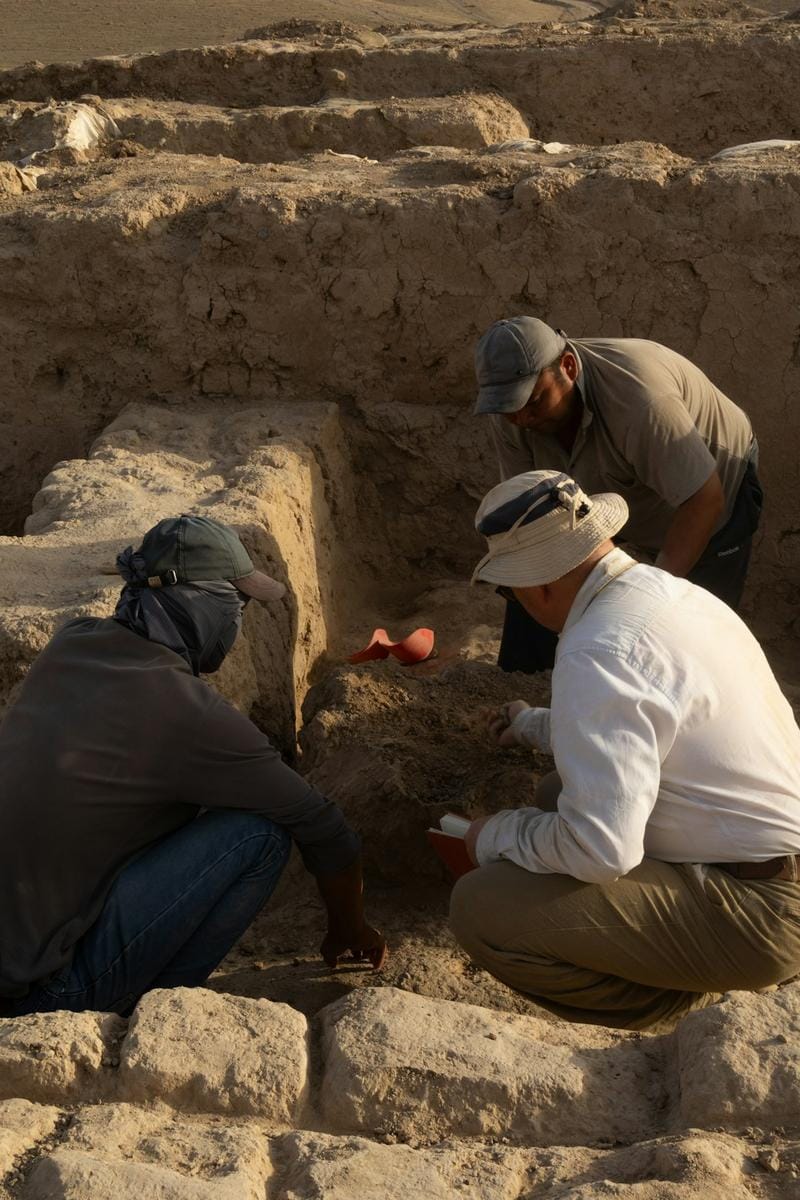
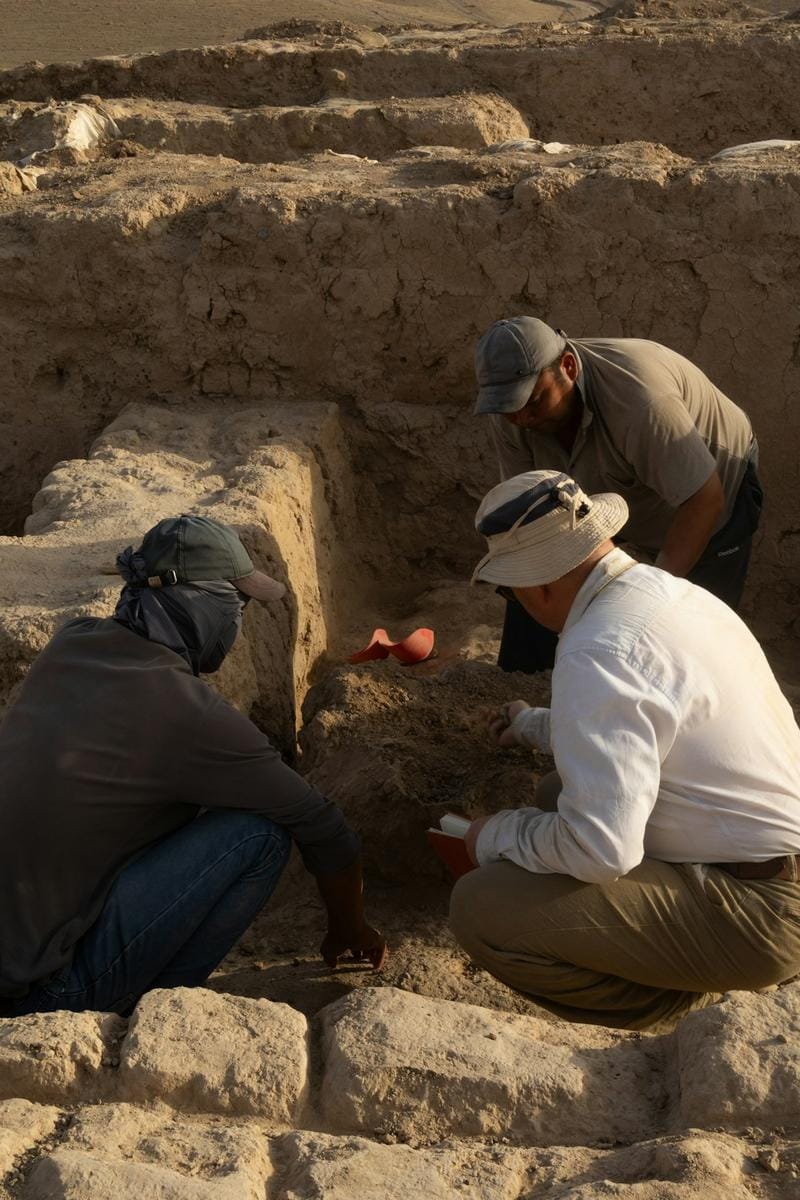
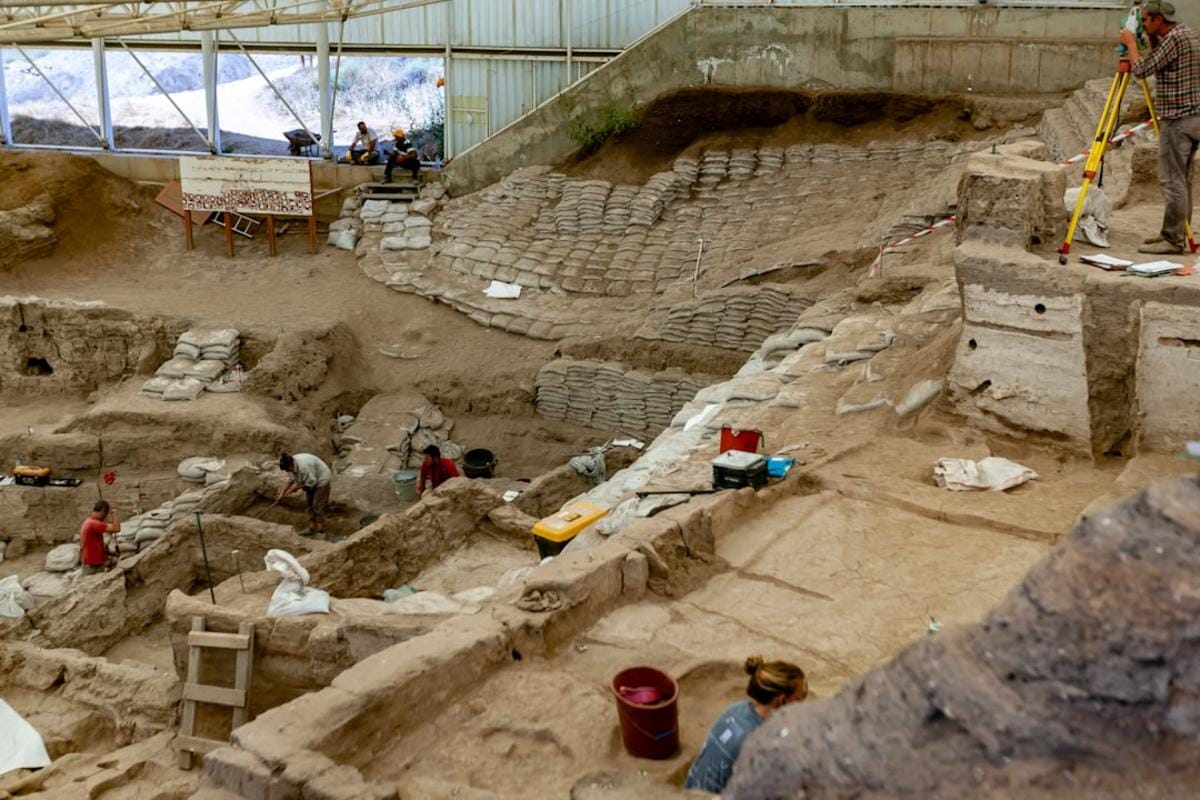
The Taş Tepeler project stands out as a premier initiative dedicated to expanding knowledge about the Neolithic period within Turkey's rich archaeological landscape. It offers a multifaceted approach, integrating scholarly research, educational outreach, and cultural engagement—all aimed at making ancient history accessible to diverse audiences. One of the project's core strengths is its focus on archaeological findings, which include tools, pottery, and settlement remains that exemplify the technological advancements of early humans. These findings are not only displayed in museums but are also incorporated into innovative educational tools designed for schools, universities, and public visitors. For example, the project features interactive models, detailed documentaries, and even virtual simulations that allow enthusiasts to experience excavations and artifact handling firsthand. Through such immersive education methods, the project illuminates the importance of Neolithic innovations—in agriculture, tool-making, and community organization—that laid the foundation for subsequent societal structures. It also highlights the ongoing importance of preserving this heritage for future generations, ensuring that the story of early human ingenuity continues to inspire cultural appreciation and academic inquiry alike. For Turkey and beyond, Taş Tepeler functions as a bridge connecting present-day learners with a profound chapter of human history.
Innovative Educational Tools and Cultural Offers Inspire Interest in Ancient Times
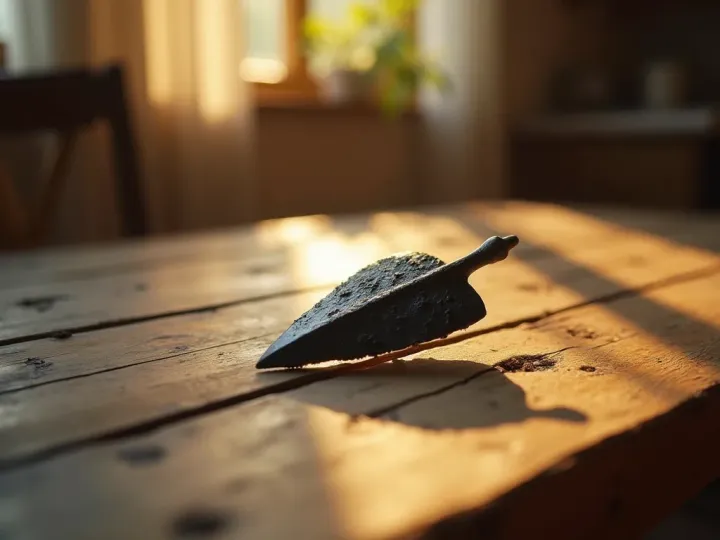
In addition to traditional museum displays, the Taş Tepeler project has pioneered the development of creative educational resources that cater to a wide audience, from young children to seasoned scholars. These include specially designed educational toys and games that simulate Neolithic life, allowing children to grasp early agricultural practices and tool-making techniques through hands-on play. For adults and collectors, a curated selection of replicas and artifacts inspired by the Neolithic period is available, providing tangible connections to early human culture. Furthermore, the project has published engaging novels and literature that narrate the story of early settlement life, making history both accessible and entertaining. These innovative resources serve multiple purposes: they educate, inspire curiosity, and foster a deeper appreciation of the achievements of our ancestors. Such efforts have broadened the scope of cultural engagement, transforming the way we understand and celebrate prehistoric history. Whether through educational games or beautifully crafted artifacts, these resources continue to deepen our connection with the ancient world and demonstrate how history can be a vibrant part of contemporary culture.