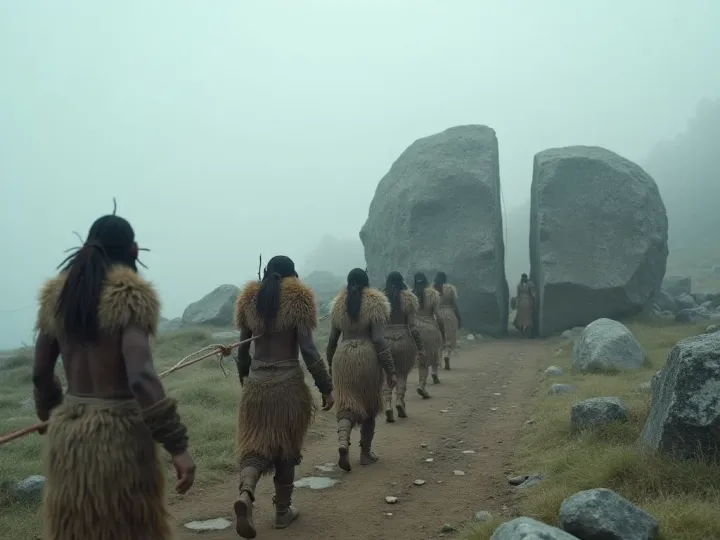
The construction crew that broke ground in 2017 found a city that shouldnt exist yet
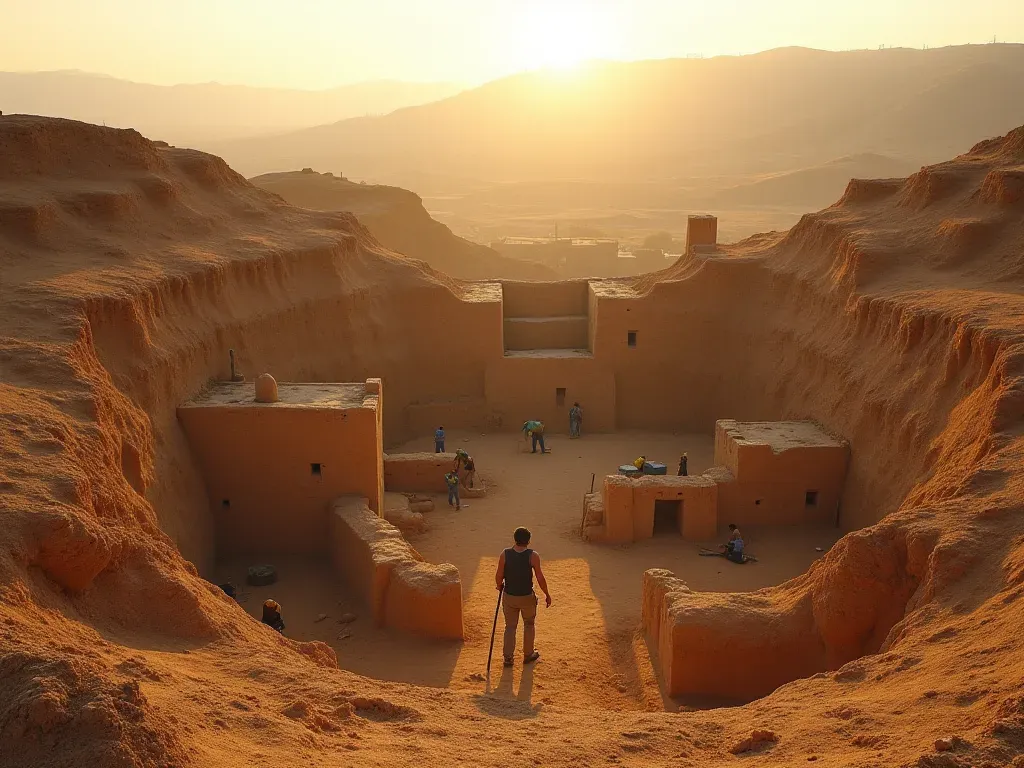
The dig that broke the rulebook
Picture a construction crew in Şanlıurfa, breaking ground on what should have been a routine project. What they uncovered instead reads like something out of a history book that hasn't been written yet.
The Taş Tepeler site dates back to roughly 8500 BCE. That's before wheat farming even got going in the region.
For decades, we've told ourselves agriculture was the spark that ignited urbanization. Here's the twist. Urban life came first.
Why this changes everything you know
The old story goes like this. Humans become farmers. They settle down.
Then come villages. Then cities. A straight line we've been teaching for years.
Taş Tepeler blows that up. This settlement shows complex social structures — without a single grain of stored wheat anywhere.
So what does that mean? It suggests the pull of community drove innovation. Not hunger.
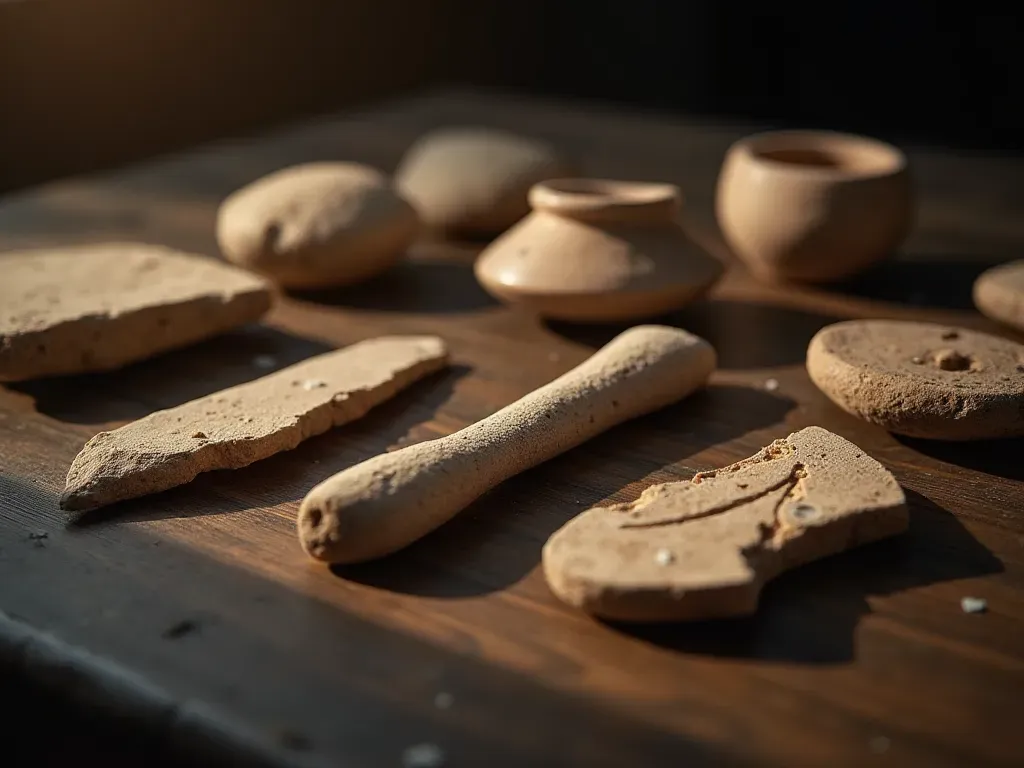
The hidden logic of early settlements
Think about Göbekli Tepe just nearby. Massive structures, and the builders were hunter-gatherers.
We used to file that away as a ritual anomaly. Now we're starting to see it as a prototype.
Taş Tepeler fills in the missing piece. It shows how mobile groups slowly became semi-permanent dwellers.
The technology we kept dismissing as primitive
Critics like to wave these early sites off as simple camps. They're wrong.
What the Taş Tepeler project reveals is sophisticated land use. Water management. Soil precision. Intentional planning.
This wasn't survival. It was engineering. Long before the word even existed.
How modern culture inherits these choices
And honestly, our current urban layouts echo those early choices. Density creates connection — a principle we're still learning.

The educational ripple effect
Schools are already updating curricula. The old timeline is being quietly replaced.
New toys and games model these societies for kids. Children now learn that complexity predates farming.
Who wins in this new narrative
Traditionalists are losing ground. The rigid timeline was convenient, sure. But it was also wrong.
Interdisciplinary teams are winning big here. Archaeologists now work side by side with ecologists and sociologists.
The public wins too. History becomes a shared puzzle instead of a fixed set of facts.
The controversy over ancient ingenuity
Some scholars still resist. They worry it undermines the agricultural revolution story.
But evidence is evidence. The stones don't care about our comfort.