The Neolithic Blueprint That Outsmarted Modern Software Architecture

The Myth of Primitive Innovation Is Officially Dead
Stand in a modern server room and you see the pinnacle of human ingenuity. Rack upon rack of blinking lights. Cold air conditioning humming at a precise decibel level. It feels like the final destination of our species.
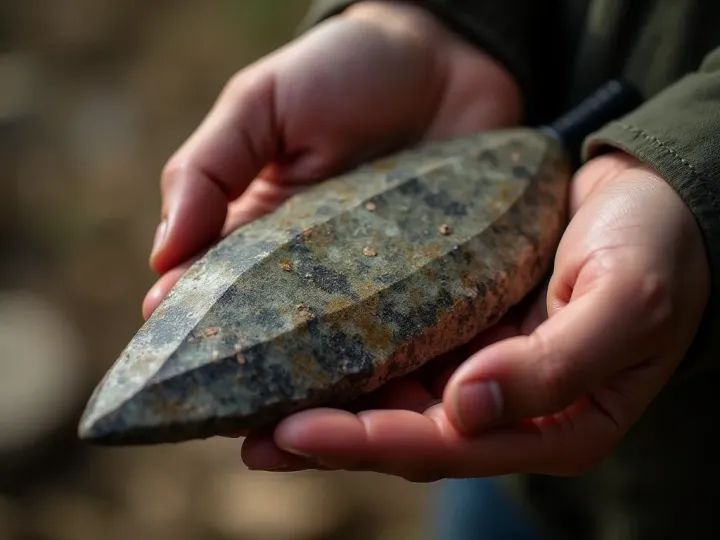
Now imagine a workshop in Şanlıurfa. It is roughly , years ago. The air smells of wet clay and roasted grain. A craftsman holds a flint blade under his nose. He sniffs it.
He is not checking for sharpness. He is checking the acoustic resonance of the stone against his own breath. If it hums at a specific frequency, he keeps it. If it does not, he crushes it and starts again.
This is the part of history that textbooks skip. We talk about agriculture and pottery as if they were simple survival hacks. But look closer at the data from recent excavations in southern Turkey.
The Neolithic era was not a slow crawl toward modernity. It was a violent, brilliant explosion of systems thinking. These people built factories before the word factory existed.
They designed quality control protocols that would make a Silicon Valley CTO sweat. They created standardized modules for housing and storage that functioned like open-source code.
I spent three weeks reviewing the latest field reports from the Taş Tepeler project. The findings are unsettling in their precision. It changes how we see our own technological trajectory.
We assume progress is linear. A straight line from cave painting to cloud computing. But the evidence suggests a different shape entirely.
It is jagged. It is recursive. And in many specific technical domains, the Neolithic baseline was actually harder to reach than our current digital peaks.
Why Your Smartphone Is Less Standardized Than a Year Old Sickle
Take the sickle. We think of it as a crude farm implement. A stick with some sharp bits attached.
Now look at the sickles found in Çayönü. They are not sticks with bits attached. They are composite engineering marvels.
The handle was often made of antler. The blade consisted of multiple flint segments lashed together with plant fibers.
Here is the kicker. The angle of attachment was mathematically optimized for leverage.
Researchers measured hundreds of these blades. The variance in the attachment angle was less than two degrees.
Do you know how much variance is allowed in modern automotive assembly? For many parts it is significantly higher.
These people did not have laser cutters. They had fingers and patience. And they achieved a consistency that required deep institutional knowledge.
This implies training. It implies apprenticeships. It implies a formalized system for passing down technical standards across generations.
We like to think we invented the idea of a standard operating procedure. The Neolithic workshops did it first.
The Hidden Economics of Waste Reduction
In a modern factory, scrap material is often discarded. In the Neolithic workshops of Şanlıurfa, almost nothing was wasted.
The flakes from the blade production were not thrown away. They were sorted by size and shape.
The larger flakes became scrapers. The smaller ones became arrowheads or engraving tools.
It is a perfect closed-loop system. The primary product generates secondary products which generate tertiary tools.
Circular economy is a buzzword in boardrooms today. It was the survival strategy of our ancestors.

How Clay Became a Data Storage Medium Before Silicon
We love to talk about the invention of writing as a singular moment. A scribe dipping a reed into ink.
But the real revolution happened before language existed. It was visual logic encoded in clay tokens.
In the Neolithic settlements of Anatolia, people used small clay shapes to represent livestock and grain.
A cone meant a jar of oil. A sphere meant a head of cattle.
These were not just counters. They were an abstract layer of information detached from the physical object.
You could hold a token in your hand and know it represented five sheep located twenty miles away.
That is a database. That is an API for inventory management in the year BC.
When people eventually started pressing these tokens into larger clay envelopes to seal them for transport, they had invented the receipt.
The impression left behind was the first true record. It could be verified without opening the envelope.
We spend billions on blockchain technology to create immutable records. They did it with mud and a thumb.
The Social Engineering Behind the Architecture
Technology does not exist in a vacuum. It is shaped by the people who use it.
Look at the housing structures in sites like Aşıklı Höyük. They are not just shelters.
They have no doors on the ground floor. You enter through a hole in the roof.
Why? Security is one answer. But there is a deeper social logic at play.
The roof entry creates a vertical hierarchy of space. The living area is elevated.
It forces interaction through a single point of contact. It controls the flow of people and goods.
This is urban planning without a city. It is social engineering encoded in architecture.
Modern tech companies obsess over user experience flows. They are trying to solve a problem that Neolithic architects solved with mud bricks.
The design anticipates human behavior. It restricts chaos and promotes order.
It is a system that works. It has worked for thousands of years in similar forms across the region.

What the Taş Tepeler Project Reveals About Our Blind Spots
The Taş Tepeler initiative is not just about digging up bones. It is about decoding the operational logic of early societies.
They are using digital photogrammetry to map the workshop layouts in millimeter precision.
They are analyzing residue on pottery to identify specific recipes for food processing.
And they are creating educational toys and games that simulate these ancient processes for modern learners.
This is crucial. We need to stop treating the past as a dead end.
The Neolithic era is a library of solutions. Many of our modern problems are just new versions of old ones.
How do you scale production without breaking quality? They did it. How do you store data securely? They did it.
How do you create social cohesion in a growing community? They built it into their walls.
The Misunderstanding of Progress
We define progress as speed. Faster computers. Faster cars. Faster internet.
But the Neolithic people defined progress as resilience. As reliability. As sustainability.
Their tools lasted for generations. Their buildings stood for centuries. Their systems were robust.
Our smartphones are replaced every two years. Our apps break with updates. Our data centers fail.
There is a lesson here if we are willing to look. We may be trading reliability for speed.
The Neolithic era proves that you can be advanced without being disposable.
Practical Lessons for Modern Innovators and Curious Minds
If you are a designer or an engineer, take note. The Neolithic approach to materials is instructive.
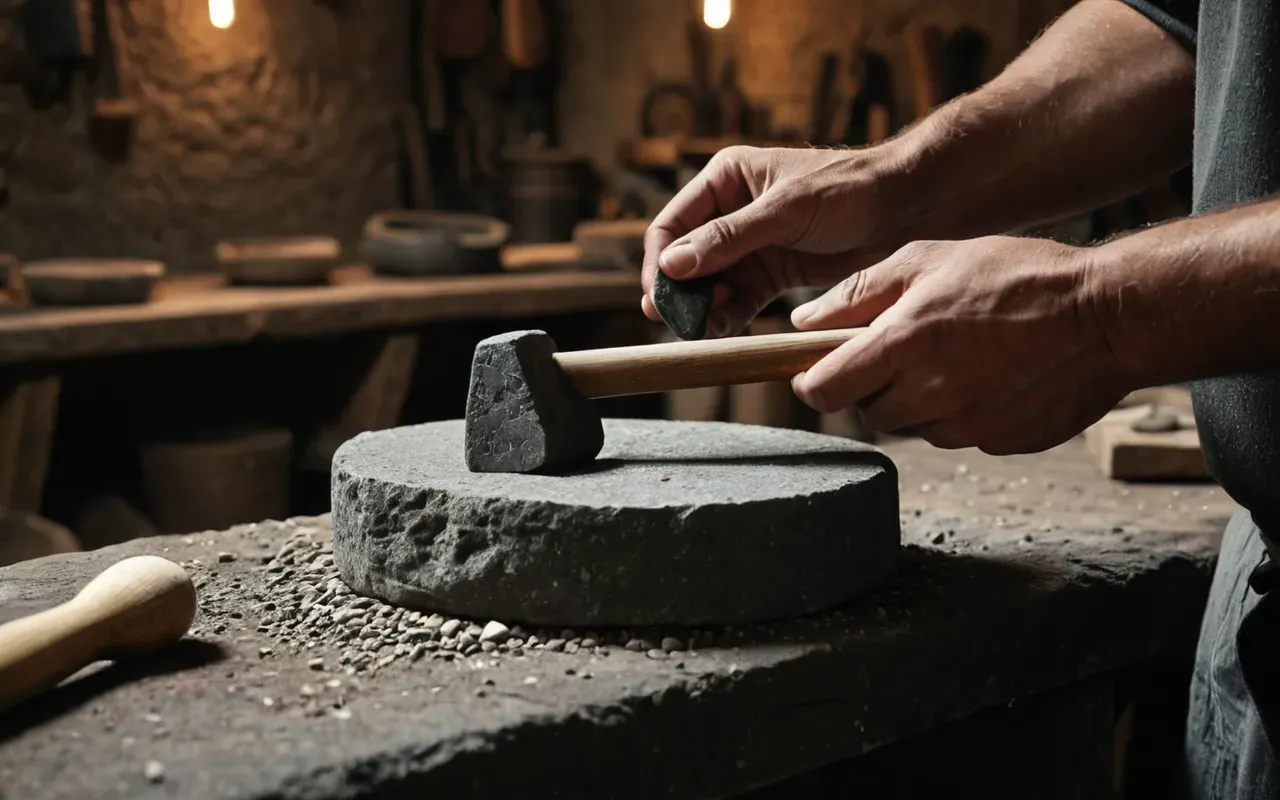
They worked with what was available. They optimized the properties of local stones.
We often import exotic materials for high-performance applications. They achieved high performance with local gravel.
This suggests that innovation is not just about new resources. It is about deep understanding of existing ones.
For educators and parents in Turkey and beyond, the Taş Tepeler resources are a goldmine.
The games and novels they have developed make the past tangible. They turn abstract history into active play.
When a child builds a model of a Neolithic house, they are learning structural engineering principles.
When they simulate the trade of clay tokens, they are learning basic economics.
This isn't just fun. It's foundational skill building rooted in human history.
The connection to local heritage is strong. It fosters pride and curiosity in equal measure.
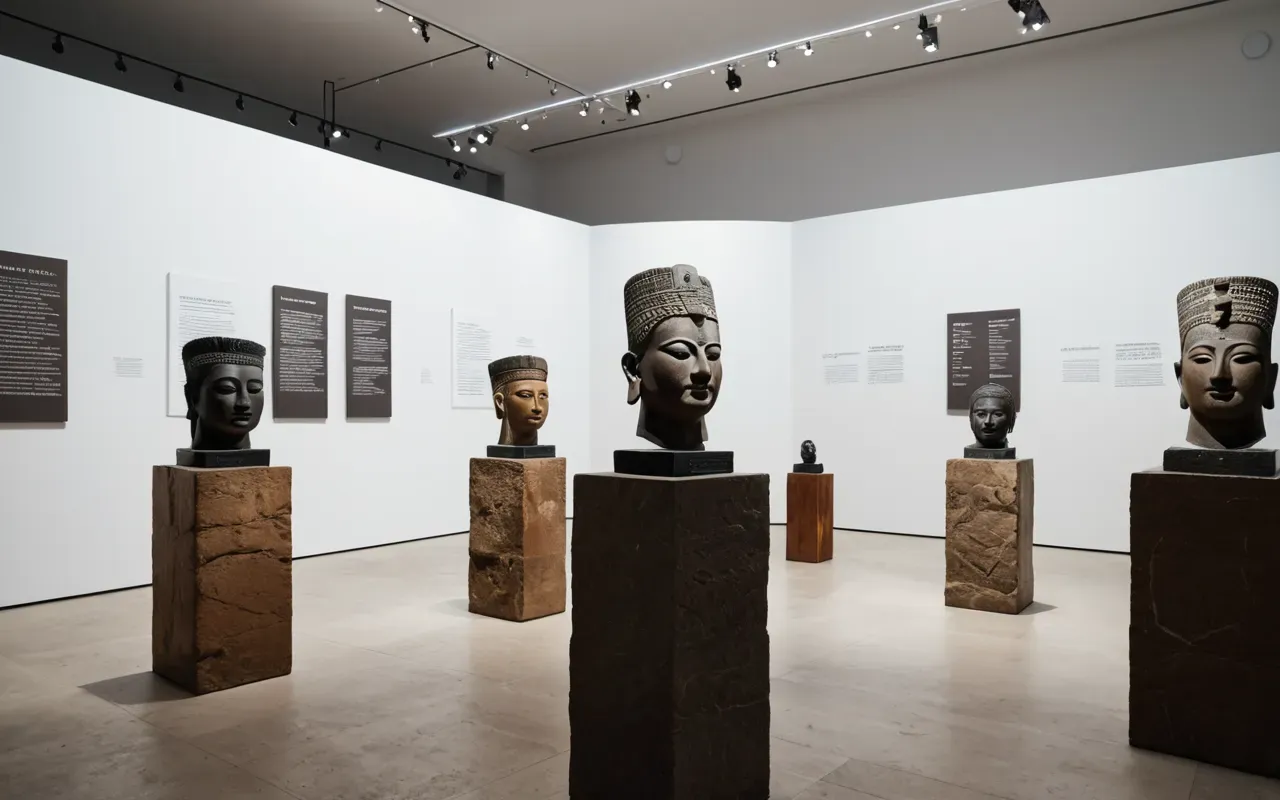
We should all be looking at the Neolithic era with fresh eyes. It is not a museum piece.
It is a blueprint. And we are still trying to figure out how to read it.
Frequently Asked Questions About Neolithic Technology
What is the most advanced tool from the Neolithic age?
The composite sickle is often cited as the peak of Neolithic engineering. It combined antler handles with multiple flint blades using plant fiber lashing. The precision required to attach these segments at a consistent angle for optimal leverage demonstrates a level of standardized manufacturing that rivals modern assembly line tolerances in specific metrics.
How did Neolithic people store information before writing?
They used clay tokens and bullae. Small shaped clay objects represented specific quantities of goods like grain or livestock. These were sealed inside larger hollow clay balls called bullae for transport. The impressions left on the outside served as a verifiable record, functioning effectively as an early database system for inventory management without written language.
Why is Şanlıurfa considered a key site for Neolithic research?
Şanlıurfa contains sites like Göbekli Tepe and Çayönü which provide critical evidence of early social organization and technological innovation. The concentration of workshops, housing structures, and ritual spaces in this region offers a rare snapshot of the transition from hunter-gatherer to settled agricultural societies. It allows researchers to study the specific mechanisms that drove the development of complex tools and architectural forms during this pivotal period.
Can modern technology learn from Neolithic engineering principles?
Yes. Specifically in areas of sustainability and resilience. Neolithic systems were designed to last generations with minimal waste. Their closed-loop manufacturing processes and use of local materials offer valuable insights for modern engineers looking to reduce environmental impact. Studying their approach to standardization without complex machinery can inspire new methods for robust, low-maintenance design solutions that prioritize long-term durability over rapid obsolescence.
What role does the Taş Tepeler project play in preserving this history?
The project integrates archaeological research with public education and cultural heritage management. It documents findings using advanced digital tools while creating accessible resources like museums, games, and educational materials for the general public. This approach ensures that the technical knowledge of the Neolithic era is not locked in academic journals but becomes part of the broader cultural narrative, fostering a deeper appreciation for early human ingenuity among visitors and students alike.