The real reason Neolithic people dragged massive stones 18 km is finally clear
The impossible move that defied physics and logic
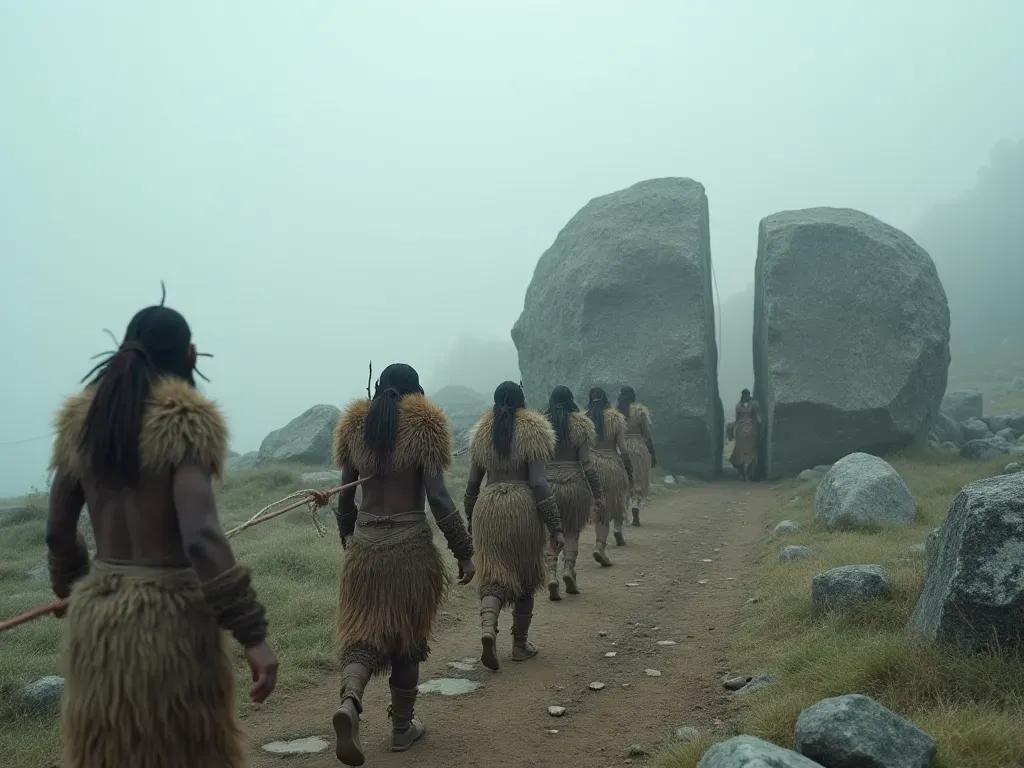
Picture dragging a twenty-five tonne rock across eighteen kilometres of mud. No wheels. No engines. Just rope, muscle, and probably a lot of shouting. That's what Neolithic people actually did, thousands of years ago.
Sounds like a myth, right? It isn't. It's real evidence of human ingenuity — and it still puzzles engineers today.
For decades, where these giant stones came from was a total mystery. Not anymore.
Why nobody believed the stones could be moved so far
Most people assumed the rocks were local. They just happened to sit where the monument was built.
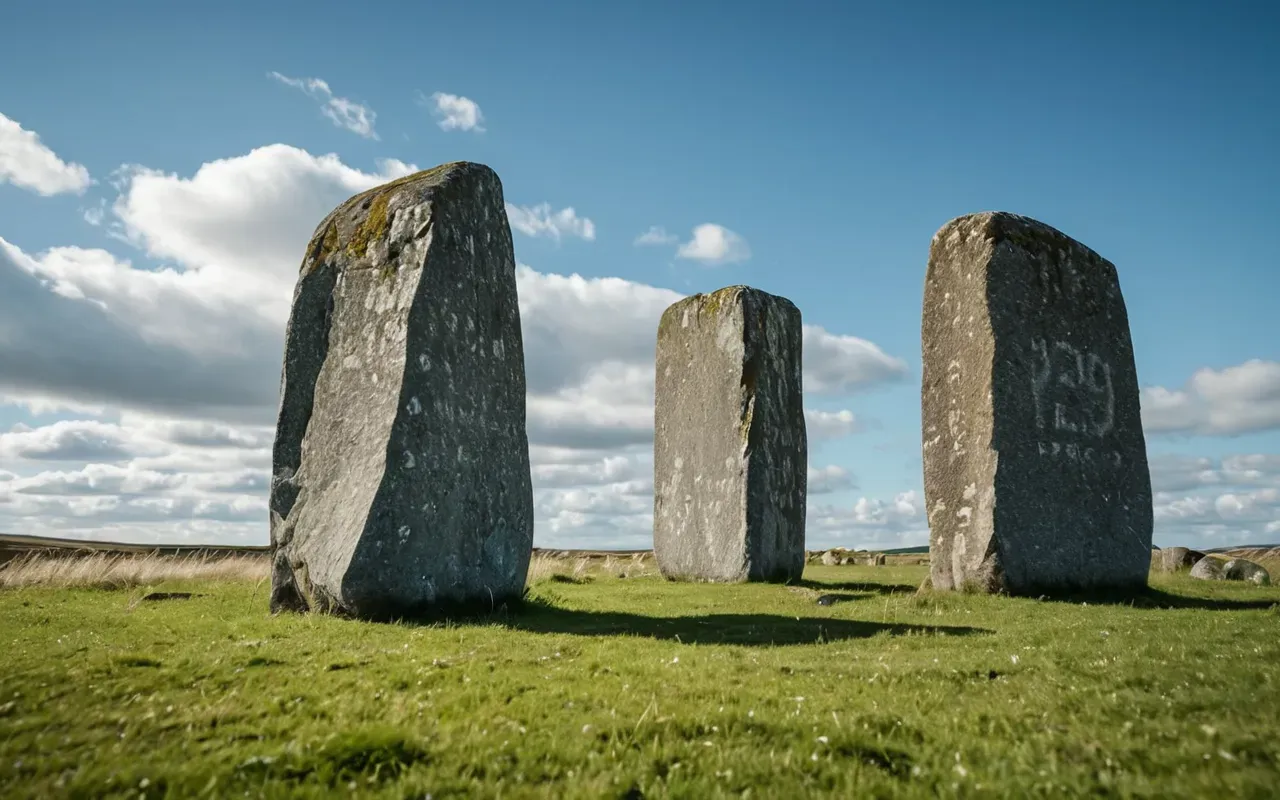
But that explanation falls apart on one detail. The stones are Millstone Grit sandstone.
That rock type isn't found near the monument site. It points somewhere else entirely.
The mineral fingerprint that cracked the case wide open
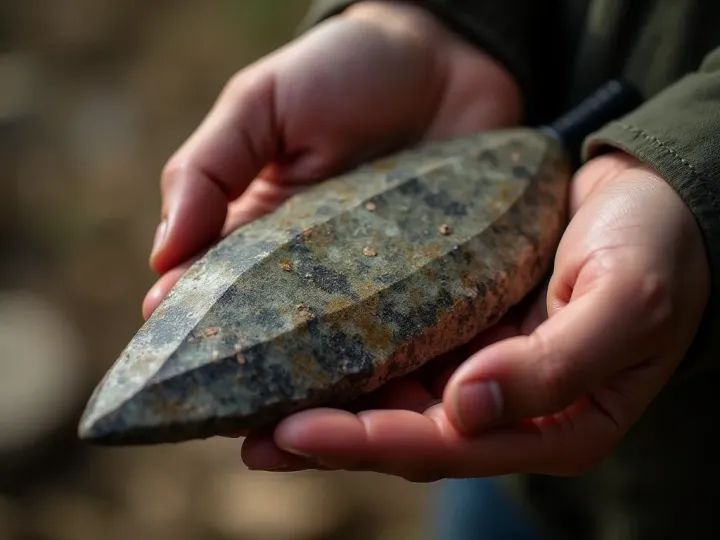
Scientists cracked it with a technique called geochemical sourcing. They looked at tiny minerals trapped inside the rock.
Every piece of stone carries a unique chemical signature. Think of it as a geological DNA test.
By matching those signatures against rocks in nearby areas, they found a perfect match at Brimham Rocks.
How the lab work proved what intuition could not
Brimham sits roughly eighteen kilometres from the monument. That's about eleven miles.
Hauling a twenty-five tonne stone that far without modern tools takes staggering organization and labor.
And it wasn't quick. Likely months, maybe years, of coordinated effort by large groups.

Why they chose that specific location matters more than you think
Here's the thing. Brimham Rocks wasn't the closest source of suitable stone.
Other rocks nearby could have done the job just fine. The builders ignored them.
So this looks like a deliberate symbolic choice, not plain practicality.
The hidden meaning behind a massive engineering project
Neolithic people were deeply tied to their landscape. Certain places probably read as sacred or powerful to them.
Dragging stones from one specific spot may have been a ritual act. Not just construction.
That fits what we know about other Neolithic sites like Austria's recent circular discoveries, which also defy simple functional explanations.
What this tells us about Neolithic society and power dynamics
Moving stones this heavy demands a large workforce. Which means organized leadership and social cohesion.
Not one family. A whole community, cooperating and planning together.
A project like this likely reinforced social bonds. Building something massive side by side creates shared identity.
The unexpected role of women in these ancient projects
We tend to assume men did all the heavy lifting. New research suggests otherwise — women were central to these efforts.
As seen in recent studies on Neolithic mobility, women had significant roles in resource gathering and movement.
They probably ran the logistics. Food supply. Tool maintenance. The invisible work that kept the whole thing alive.
Why modern engineers still study these ancient techniques
It's easy to write off prehistoric methods as primitive. That would be a mistake.
They solved complex problems with limited resources. That's true engineering, by any definition.
Lessons from moving twenty-five tonne stones without cranes
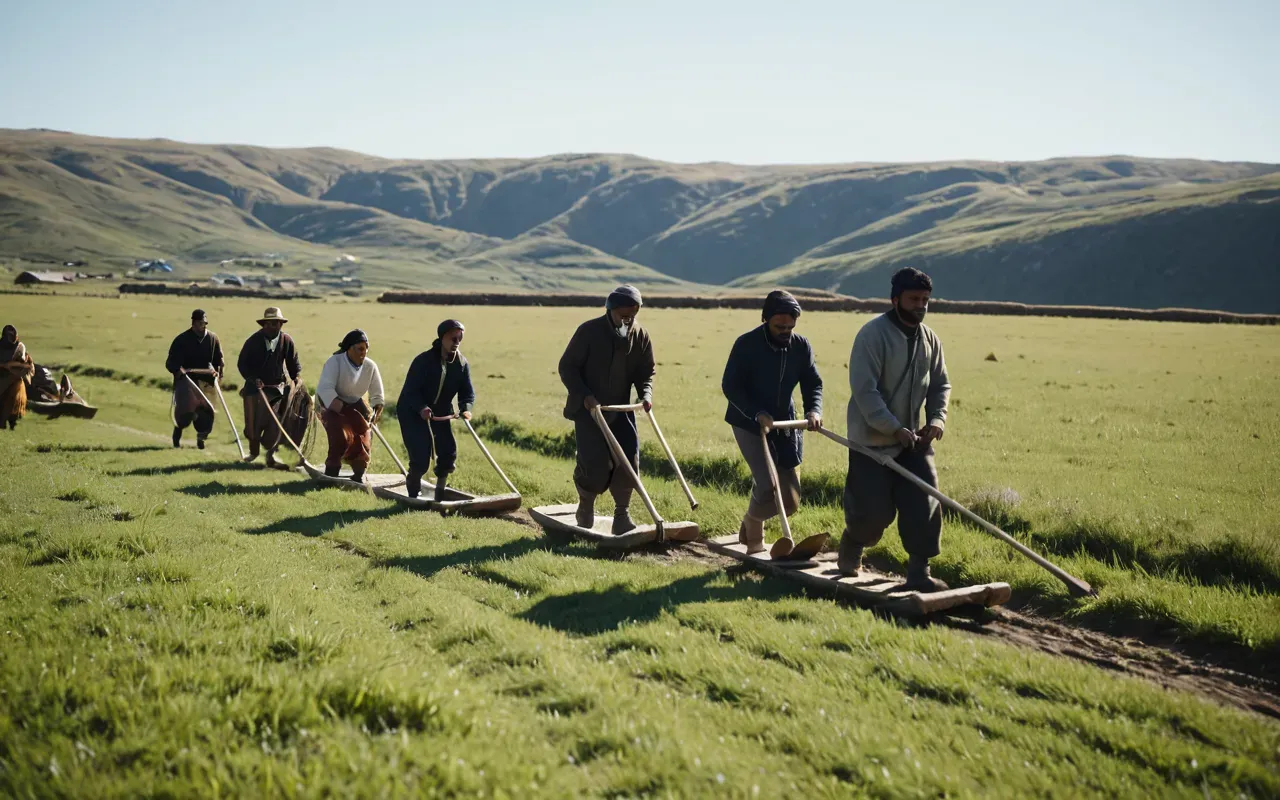
Friction management was key. Sledges and rollers, likely wooden, did the heavy work.
Timing mattered too. Dry summer months made the move far easier than wet seasons would have.
That's a deep read on environmental conditions. Not just brute force.
The bigger mystery that remains unsolved today
We know where the stones came from. We even have a decent guess at how they moved them.
But why this specific location was chosen for the monument? Still unresolved.
Burial site? Ceremonial ground? Astronomical marker? The debate rolls on.
What future discoveries might reveal about this site
New excavation techniques could turn up more clues. Ground-penetrating radar is one promising tool.
It might expose hidden structures or pathways used during construction.
Every new piece of evidence sharpens the picture of Neolithic life and belief.
How this discovery changes our view of ancient human capability
We like to think in straight lines. Simple to complex. Primitive to advanced.
But Neolithic people weren't primitive. They knew their environment and their society inside out.
This stone movement proves they could organize large-scale projects. That's remarkable.
Challenging the narrative of slow technological development
The idea that early humans were simple gatherers is outdated. They were complex problem solvers.
As seen in studies of Neolithic inventions, their ingenuity ran far ahead of what we assumed.
They built tools and systems that still impress modern scientists. This stone move is one example.
Why you should care about a four thousand year old stone move
And it's not just an archaeological curiosity. It tells us who we are as a species.
Our capacity for cooperation and innovation. Those traits are still with us.
So when you see a massive stone monument, remember the people who moved it. Their effort defined their world.
The lasting impact of prehistoric engineering on modern culture
These sites inspire awe and respect. They connect us to our deep past in a tangible way.
They remind us that human ingenuity isn't new. It's been around for millennia.
Understanding this history helps us appreciate the complexity of human society and its roots.