The crumbling stone beds of Skara Brae reveal a shocking truth about modern heritage preservation
The Vanishing Homes of Orkney
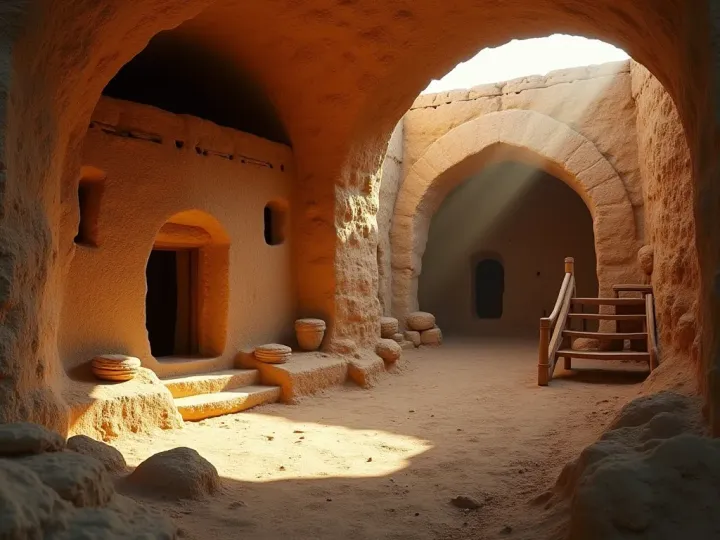
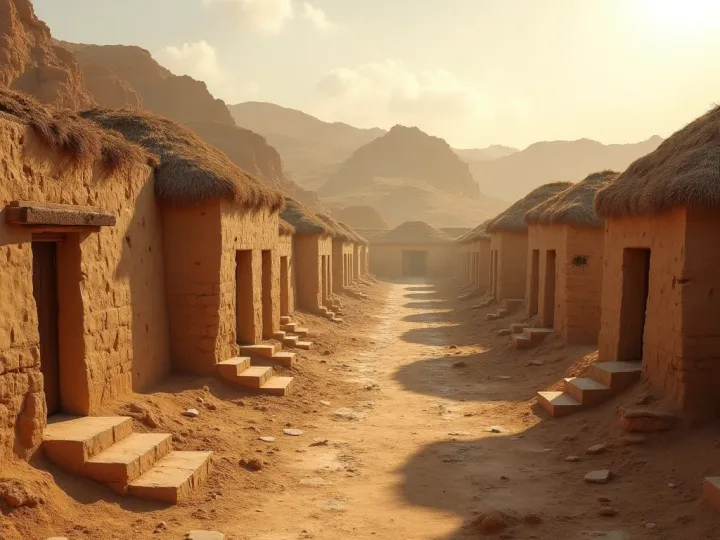
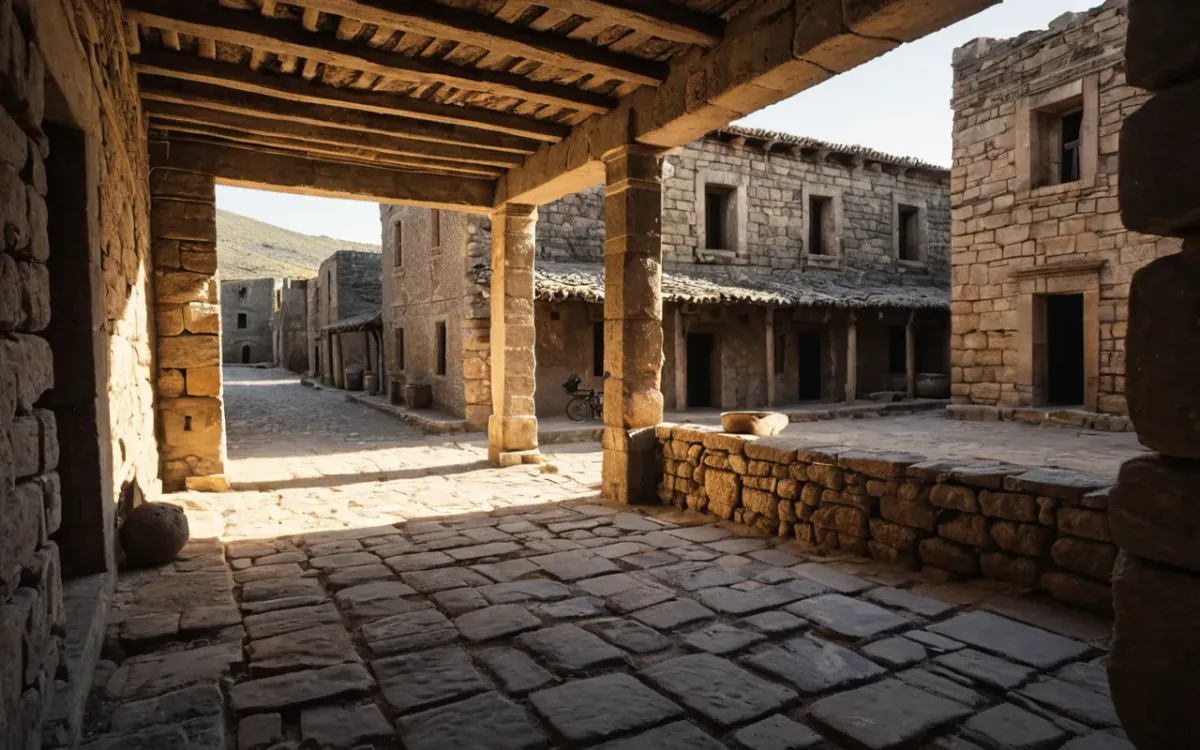
Walk down the exposed stone walkways of Skara Brae and you're suddenly standing in someone's five-thousand-year-old kitchen. The central hearths still cradle the darkened stones where early farmers cooked their meals. Built-in dressers line the walls, waiting for objects that vanished long ago. It feels strangely intimate to be this close to ancient domestic life. Most archaeological sites give you postholes and scattered pottery shards. Here, the actual furniture is still intact. That survival makes this place truly unique in northern Europe. But those same stone walls are slowly surrendering to the relentless Atlantic winds and growing visitor numbers.
I used to assume that World Heritage designation meant a site was permanently locked in time. The reality is far more fragile. Coastal erosion gnaws at the shoreline every single winter. Storm surges strip away the protective dunes that once cushioned the village from the sea. Tourism brings essential funding, but it also concentrates foot traffic on narrow stone paths. Thousands of boots accelerate surface wear. We keep treating these monuments like museum exhibits behind glass. They are actually living coastal environments constantly shifting under pressure. Conservation teams fight a losing battle against nature and human curiosity. The tension between access and protection sharpens with each passing year.
What really struck me about the current situation is the complete silence regarding actual measurement data. Heritage agencies publish beautiful management plans filled with broad statements about sustainable tourism. You will rarely find specific charts showing exactly how many centimeters the coastline retreated last season. Annual ticket sales figures remain buried behind administrative paywalls or internal reports. Without those concrete numbers, we are flying blind. How can we possibly balance visitor access with structural preservation if nobody tracks the real impact? Guesswork does not protect five thousand year old architecture. We need transparent metrics to guide difficult conservation choices.
A Race Against the Atlantic
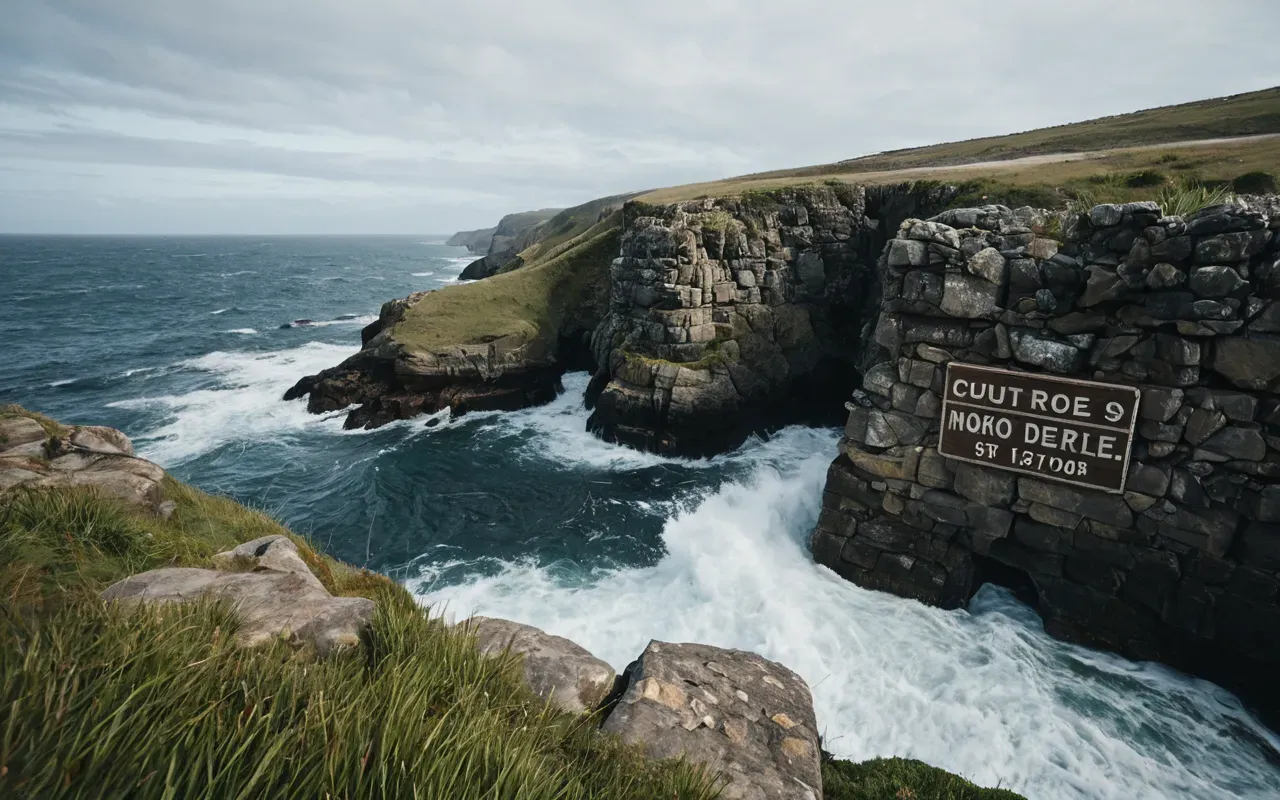
The North Atlantic does not care about our cultural appreciation for ancient stonework. Salt spray penetrates microscopic cracks in the flagstone surfaces. Freeze thaw cycles expand those fractures until entire wall sections loosen. Protective sea walls and drainage channels have been installed over the decades. Those engineering solutions work temporarily but eventually fail against relentless ocean power. Local observers report visible changes along the dune systems year after year. The western edge of the settlement loses ground steadily. I wonder how many visitors realize they are witnessing a slow disappearance. Each photograph taken today captures a configuration that might not exist tomorrow.
Tourism adds a completely different mechanical pressure to the environment. Visitors walk between the houses to get closer to the stone beds and hearths. Those pathways experience constant friction from shoes, backpacks, and occasional leaning. The hypothesis linking foot traffic to measurable site degradation remains largely untested publicly. Annual attendance totals are not cross referenced with erosion monitoring intervals. That missing connection leaves conservation decisions vulnerable to political pressure rather than hard evidence. We assume weather causes the most damage. The actual culprit might be a combination of both forces interacting in unpredictable ways.
I have visited several archaeological parks across Europe and noticed a pattern. Management teams prioritize immediate revenue generation over long term structural monitoring. Ticket sales fund daily operations but rarely support independent scientific tracking. The result is a reactive conservation model that only acts after visible damage occurs. By then, the stone furniture or wall foundations have already suffered irreversible stress. Proactive monitoring requires upfront investment that many heritage budgets cannot absorb. We end up protecting the most famous sites while allowing gradual deterioration elsewhere. The system is fundamentally misaligned with actual preservation needs.
The practical consequence for anyone planning a trip to Orkney is sobering. You are essentially racing against time to see these interiors before they change significantly. Current access windows matter more than promotional brochures suggest. If you want to experience the original room layouts at close range, you need to understand the temporal limits. The site will not look identical in another generation. That reality should shift how we approach heritage tourism entirely. We must accept that some sites require strict seasonal closures or capacity limits. Romanticizing ancient ruins while ignoring their physical vulnerability does nobody any favors.
The Transparency Gap in Archaeology
Primary excavation logs from the original twentieth century digs remain largely inaccessible online. Researchers cannot easily verify occupation phases or radiocarbon dating sequences without direct archival permission. Summaries describe broad historical timelines but rarely link back to detailed trench notebooks. That opacity limits how far new analyses can progress. Independent scholars want to re examine the chronology using modern methods. They hit a wall of administrative bureaucracy instead. Open data practices would transform how we understand early farming communities. Transparency builds public trust in conservation funding decisions too.
NatureScot and its predecessor bodies conduct regular shoreline surveys but publish only vague conclusions. Specific annual measurements of retreat rates are buried deep inside technical appendices. Local communities report visible changes but lack systematic numbers to validate their concerns. Long term trend analysis requires consistent datasets spanning decades. We simply do not have those figures presented clearly on main conservation pages. The absence of granular data highlights a serious transparency gap. On the ground monitoring happens constantly but the wider public sees almost nothing. That disconnect fuels unnecessary speculation about site management priorities.
Conservation work absolutely continues behind the scenes. Drainage patterns get adjusted every spring. Visitor routes are periodically reviewed to reduce friction on vulnerable surfaces. Coastal defenses receive constant maintenance despite budget constraints. The problem lies entirely in communication strategy. Management plan statements summarize actions in overly broad language. They rarely show the raw metrics guiding those operational choices. For a World Heritage Site whose significance rests on exceptional preservation, this silence stands out. Clear presentation of site specific wear figures would empower both locals and visiting researchers.
What Stone Furniture Tells Us About Ancient Life
The domestic layout at Skara Brae follows a remarkably consistent architectural blueprint. Each dwelling centers around a central hearth providing heat and illumination. Stone dressers sit against the wall directly opposite the entrance. Box beds flank the fire on either side, recessed neatly into the surrounding masonry. Storage cells built into floors and walls suggest organized food preparation routines. This uniformity implies shared building conventions across the entire village. It hints at a surprising degree of social equality among early farming families. We rarely see such standardized domestic planning in other prehistoric settlements.
The complete absence of timber in construction is not an accidental oversight. Orkney was largely treeless during the Neolithic period due to climate and soil conditions. Stone became the default building material for both walls and interior fixtures. That material choice is precisely why the furniture survived millennia of exposure. Wood framed houses elsewhere in Britain left only faint postholes in the ground. Skara Brae preserved the full three dimensional interior arrangement. Archaeologists can finally study spatial organization without relying on speculative reconstructions. The physical evidence speaks directly to how people actually lived.
I find the ritual implications of those stone dressers particularly fascinating. They held personal objects and may have served display functions during community gatherings. Some researchers suggest they held symbolic importance beyond simple storage. The placement directly opposite entrances creates a visual focal point for anyone entering. Heather or animal skins likely lined the box beds for comfort. Storage cells indicate systematic tool organization and food preservation strategies. Every architectural decision reflects practical adaptation to local resources. Early farmers maximized available stone to create highly functional living spaces.
The Heart of Neolithic Orkney World Heritage Site connects domestic life with ceremonial monuments. Skara Brae sits alongside the Standing Stones of Stenness and the Ring of Brodgar. Together they demonstrate how early communities organized worship, burial, and daily routines. Maeshowe chambered cairn completes the cultural picture across the islands. This concentrated clustering of monuments suggests sophisticated regional planning. People moved between domestic and ceremonial spaces with clear purpose. Understanding these connections requires looking beyond individual sites. The broader landscape reveals complex social networks that sustained early agricultural societies.
The Taş Tepeler Project and Modern Neolithic Engagement
Physical preservation alone cannot secure the future of ancient cultural knowledge. Sites like Skara Brae will eventually succumb to environmental pressures regardless of our best efforts. That reality forces heritage organizations to rethink how they share historical insights. The Taş Tepeler project in Turkey offers an innovative alternative approach to Neolithic education. Instead of relying solely on fragile archaeological remains, they focus on immersive learning experiences. Educational resources bridge the gap between academic research and public understanding. This strategy ensures that early human ingenuity remains accessible even as physical sites deteriorate. Cultural memory becomes independent of physical location.
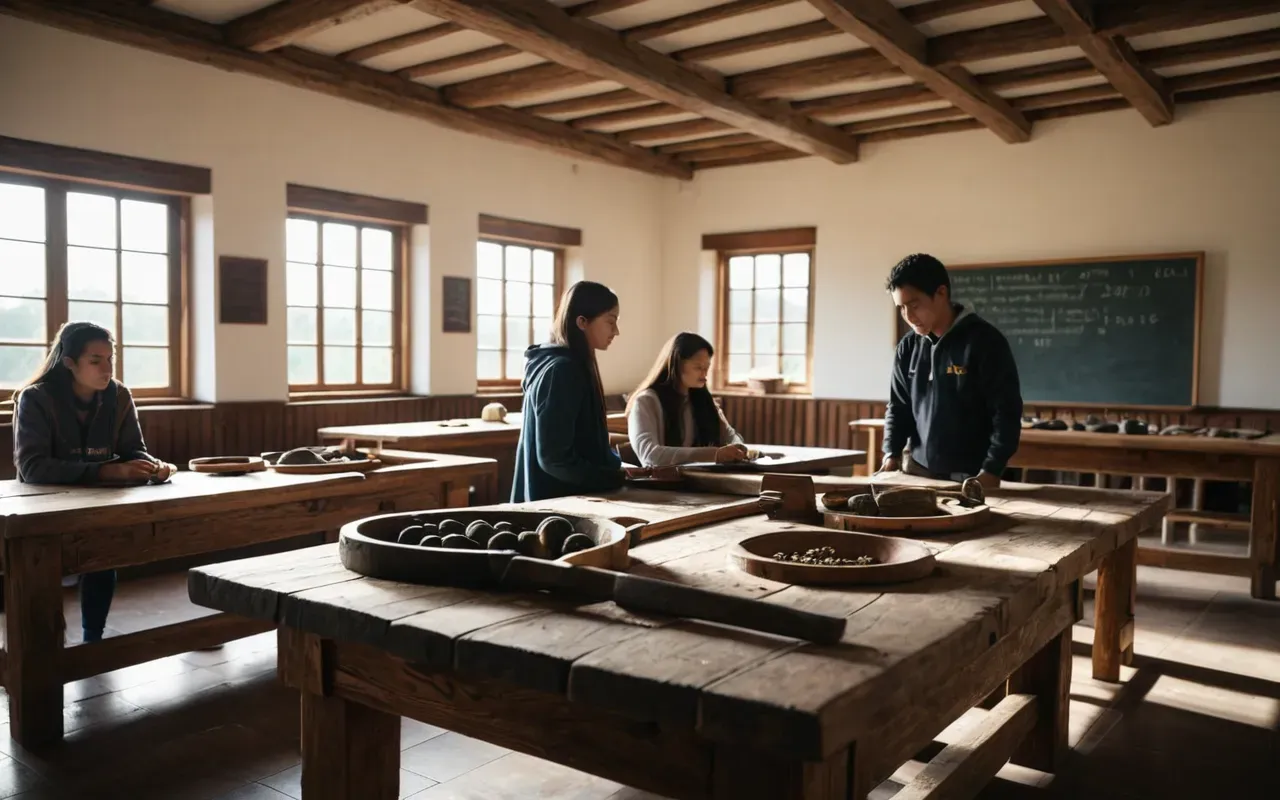
I was genuinely impressed by their commitment to interactive historical storytelling. Innovative toys and games introduce children to ancient tool usage and settlement planning. Novels inspired by Neolithic themes bring early farming communities to life through narrative. Gift options related to ancient art cater directly to collectors and culture enthusiasts. These creative outputs transform dry archaeological data into engaging experiences. Visitors no longer need to stand near eroding coastlines to learn about early societies. The project demonstrates that preservation extends far beyond stone walls and hearths. Cultural transmission happens through multiple channels simultaneously.
The integration of educational resources with archaeological findings creates a powerful feedback loop. Scholars gain new audiences while students develop genuine curiosity about human origins. Turkey possesses incredibly rich Neolithic heritage that deserves wider recognition. Gobeklitepe and other major sites provide abundant material for creative interpretation. The project leverages those resources responsibly without compromising scientific accuracy. It proves that heritage management can evolve beyond restrictive conservation models. We can protect physical monuments while simultaneously expanding public engagement. This dual approach strengthens cultural identity across generations.
If you are curious about how educational initiatives reshape our understanding of early human innovation, the broader literature offers fascinating insights. Modern museums increasingly adopt similar strategies to combat visitor fatigue and funding shortages. Static displays fail to capture the dynamic reality of ancient daily life. Interactive exhibits allow people to touch replicas of stone tools and experience simulated environments. That hands on engagement creates lasting emotional connections to history. We remember what we physically interact with far better than passive observation. The shift toward experiential learning is transforming heritage tourism entirely.
Bridging the Past and Present
Connecting ancient agricultural practices to modern sustainability challenges reveals surprising parallels. Early farmers managed limited resources with remarkable efficiency. They adapted building techniques to local environmental constraints without depleting forests. Those lessons remain highly relevant for contemporary urban planning and ecological conservation. Understanding how Neolithic communities organized food storage and tool distribution helps us rethink modern supply chains. The project highlights these connections explicitly in its educational materials. Students learn that early human societies were highly innovative problem solvers. That perspective challenges outdated assumptions about primitive lifestyles.
Cultural displays at project centers feature carefully curated artifacts alongside digital reconstructions. Visitors can compare original stone tools with three dimensional models of ancient dwellings. That juxtaposition clarifies how architectural choices responded to environmental pressures. Climate change impacts on early settlements mirror modern coastal vulnerability issues. We see the same erosion patterns threatening archaeological sites today that existed thousands of years ago. Recognizing those historical precedents strengthens our commitment to proactive conservation. Heritage education becomes a vital tool for environmental awareness. The past directly informs our future survival strategies.
I appreciate how the initiative avoids romanticizing prehistoric life. Early farming communities faced harsh realities including disease, food shortages, and extreme weather. The educational resources present a balanced view that acknowledges both ingenuity and struggle. Novels depict characters navigating social hierarchies and resource conflicts realistically. Toys simulate agricultural planning challenges rather than glorifying simple living. That honest approach builds genuine historical literacy among younger audiences. We stop viewing antiquity as a fairy tale and start understanding it as complex human adaptation. Accurate representation strengthens public support for archaeological research funding.
The broader impact on modern cultural identity cannot be overstated. Communities that understand their deep historical roots develop stronger civic pride. Neolithic heritage connects people across regional and national boundaries through shared human origins. Early agricultural innovations laid the foundation for every modern society. Recognizing those foundational contributions fosters global historical empathy. The project actively promotes this inclusive perspective through multilingual educational materials. Scholars and enthusiasts alike benefit from accessible historical frameworks. We collectively inherit the responsibility of preserving that knowledge. The methods matter just as much as the artifacts themselves.
The Data Dilemma Facing Heritage Sites Worldwide
The unresolved questions surrounding erosion rates and visitor impact point toward a universal challenge. How do we manage archaeological sites as both research resources and public attractions? Close viewing of interiors remains central to visitor satisfaction. Standing near a five thousand year old hearth creates experiences that photographs simply cannot replicate. Restricting access too heavily risks weakening the emotional connection that drives public interest. We need a middle ground that satisfies both scientific rigor and tourism economics. Current management strategies often prioritize immediate revenue over long term structural health. That imbalance threatens the very monuments we claim to protect.
The very features that make these settlements compelling are also incredibly fragile. Stone edges erode continuously under wind and rain exposure. Drainage patterns shift unpredictably during heavy seasonal storms. Any physical intervention to stabilize structures carries its own archaeological risks. We might accidentally damage underlying layers while attempting repairs. Without clear shared evidence about contributing factors, difficult decisions become nearly impossible. Boardwalk placement, group size limits, and seasonal closures all require precise data. External observers cannot evaluate those choices without transparent monitoring results.
One practical solution involves publishing summarized monitoring results on regular schedules. Underlying datasets can remain in specialist formats for academic researchers. Simple charts showing shoreline movement at key points would democratize site knowledge. Annual indices of surface wear on pathways and wall tops would clarify degradation trends. Linking those measurements to documented changes in visitor management builds accountability. Over time, that practice creates a comprehensive evidence base for conservation policy. Local communities and visiting scholars gain equal access to critical information. Transparency transforms guesswork into informed stewardship.
I'm convinced that open data practices will transform how heritage conservation gets funded. Donors and government agencies want hard numbers before they commit money. Vague management plans? They don't inspire confidence in long-term preservation goals. Detailed erosion tracking and visitor impact studies show professional competence in a way that glossy brochures never will. They prove that conservation teams actually understand the specific threats facing each site. That evidence-based approach attracts sustainable funding streams instead of emergency grants. We stop reacting to crises and start preventing them systematically. Honestly, the financial stability of heritage organizations depends entirely on this shift.
Rethinking Access and Conservation
Virtual reality simulations offer a genuinely promising alternative to physical site visits. High-resolution digital twins let people explore endlessly without causing mechanical wear. Visitors can walk through reconstructed interiors from anywhere on the planet. That technology significantly reduces pressure on vulnerable coastal environments. It also opens up experiences for people with mobility limitations who might otherwise never see these places. The initial development costs are steep, sure, but they scale efficiently over time. One digital model serves millions of users simultaneously. Physical sites get breathing room while maintaining global educational reach. Technology and tradition can coexist productively when managed right.
Seasonal closures during peak storm periods would dramatically reduce structural stress. Winter brings the harshest weather and the lowest tourist numbers — a natural alignment. Temporary site shutdowns allow natural recovery processes to stabilize damaged surfaces. Conservation teams gain uninterrupted access for essential maintenance work. And visitors generally understand that temporary restrictions protect irreplaceable historical assets. Clear communication about seasonal schedules prevents frustration and confusion before it starts. We need to normalize the idea that heritage sites require rest periods. Just like ecosystems, archaeological monuments need downtime to maintain structural integrity. Sustainable access means accepting temporary limitations.
If you want to explore how early human societies managed environmental pressures without modern technology, recent archaeological studies offer some compelling answers. Neolithic communities adapted their settlement patterns to avoid high erosion zones. They built defensive structures using locally sourced materials that blended naturally with the landscape. Those historical strategies now inform contemporary coastal engineering approaches. Modern architects study ancient drainage systems to improve flood resilience. We learn more from successful historical adaptations than from failed modern experiments. The past holds practical solutions for current infrastructure challenges. Ignoring that knowledge just repeats expensive mistakes unnecessarily.
Group size limits represent another effective conservation strategy. Smaller tour groups reduce cumulative foot traffic on fragile pathways. Guided visits ensure visitors stay on designated routes and don't lean against ancient walls. That controlled access preserves the spatial arrangement of interior spaces. It also enhances the educational experience by allowing more detailed commentary. Quality consistently outweighs quantity in heritage tourism. Fewer visitors gain deeper understanding while the site suffers minimal physical impact. Management teams can allocate more resources to individual educational engagement. The economic model shifts from volume to value effectively.
A Test of Contemporary Stewardship
The unresolved questions around erosion rates and visitor impact ultimately test our collective commitment. How carefully will modern managers balance access with evidence-based protection? Skara Brae occupies a precarious but powerful position in cultural memory. A remarkably intact village sits on a vulnerable coastline facing uncertain futures. The stone beds and dressers that endured for millennia rely entirely on current decisions. Their survival depends not only on storms and sea levels but on administrative choices. We must accept that difficult trade-offs are inevitable in heritage conservation. Romantic preservation myths ignore the complex realities of environmental science.
I see this challenge as a defining moment for global heritage management. Projects like Taş Tepeler demonstrate that innovation and tradition can work together. Educational resources expand cultural reach beyond physical monument boundaries. Digital preservation techniques complement traditional archaeological monitoring methods. We have the tools to protect early human history effectively. The missing element remains political will and transparent data sharing. Open communication builds public trust in conservation priorities. Communities support initiatives they understand fully. The future of Neolithic heritage depends entirely on our willingness to adapt.
Reading about how early societies functioned as innovation hubs long before formal civilization emerged changes how we view archaeological preservation. We stop treating ancient sites as static relics and start recognizing them as dynamic historical laboratories. Every stone wall and hearth represents thousands of years of continuous human adaptation. Protecting those structures requires acknowledging their inherent vulnerability. We cannot freeze time or stop natural environmental processes. We can only manage decline through careful planning and honest communication. That realistic approach honors the legacy of early farmers better than false promises ever could.
The settlement continues to draw visitors who want to witness history firsthand. That enthusiasm fuels essential conservation funding and public awareness campaigns. We should welcome that interest while implementing protective measures responsibly. Current access windows provide unprecedented opportunities to study early domestic architecture. Photographs and digital records capture configurations that may change significantly. Documenting the present ensures future generations understand what we lost. Heritage preservation becomes an active recording process rather than passive guarding. We accept that change is inevitable but manage it deliberately. That mindset shift protects cultural memory effectively.
Why the Neolithic Era Still Defines Our Modern World
The transition from hunter-gathering to settled agriculture fundamentally reshaped human development. Early farming communities established the first permanent settlements and resource management systems. Those innovations created the foundation for urbanization, trade networks, and technological progress. Every modern society rests directly on Neolithic agricultural breakthroughs. Understanding that period reveals how quickly human ingenuity can transform environments. We often overlook the radical social restructuring required to sustain early farming. Cooperative labor, food storage, and land division emerged simultaneously. Those organizational principles still govern contemporary economic systems today.
I always remind students that early farmers faced the same environmental pressures we experience now. Climate variability, resource scarcity, and population growth demanded constant adaptation. They developed sophisticated irrigation techniques and crop rotation strategies centuries before modern science. Those historical solutions inform current sustainable agriculture movements. We learn resilience by studying how ancestors survived extreme conditions. The Taş Tepeler project highlights these connections explicitly in its educational programs. Students recognize that innovation is not a modern invention. Early humans solved complex problems using limited resources effectively.
Cultural heritage preservation ultimately serves contemporary human identity. We need historical continuity to understand our place in the broader narrative. Neolithic monuments remind us that society built itself gradually through collective effort. No single leader or event created civilization overnight. Generations of ordinary people contributed incremental improvements to technology and organization. Recognizing that collaborative history fosters humility and responsibility. We stop viewing the past as distant mythology and start treating it as shared inheritance. Protecting those sites honors the ancestors who laid our foundations. Their legacy demands careful stewardship from all of us.
The journey from Skara Brae to modern heritage education reveals a clear path forward. We must combine rigorous scientific monitoring with innovative public engagement strategies. Physical preservation requires transparent data sharing and proactive environmental management. Cultural transmission depends on accessible educational resources and creative storytelling. Both approaches work simultaneously to secure the future of early human history. We have the knowledge and technology to protect irreplaceable sites. The only remaining obstacle is our willingness to implement difficult decisions. Heritage conservation succeeds only when we embrace evidence-based stewardship completely.