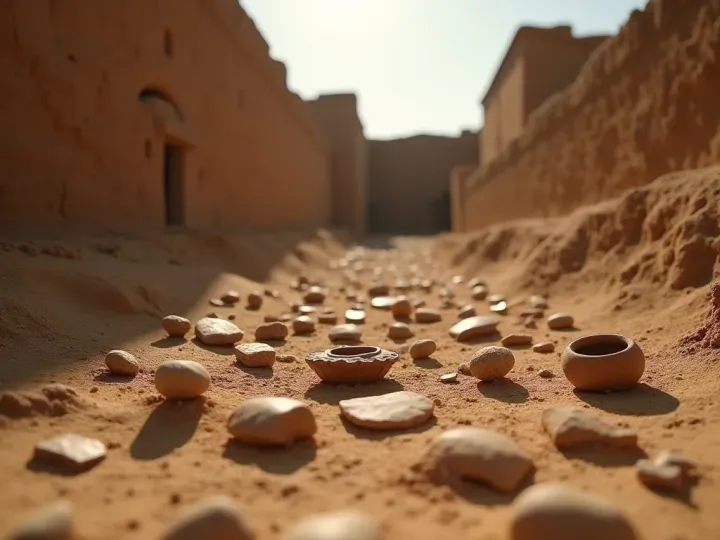
The 12,000 Year Old Secret Hiding In Plain Sight At The World's Oldest Gathering
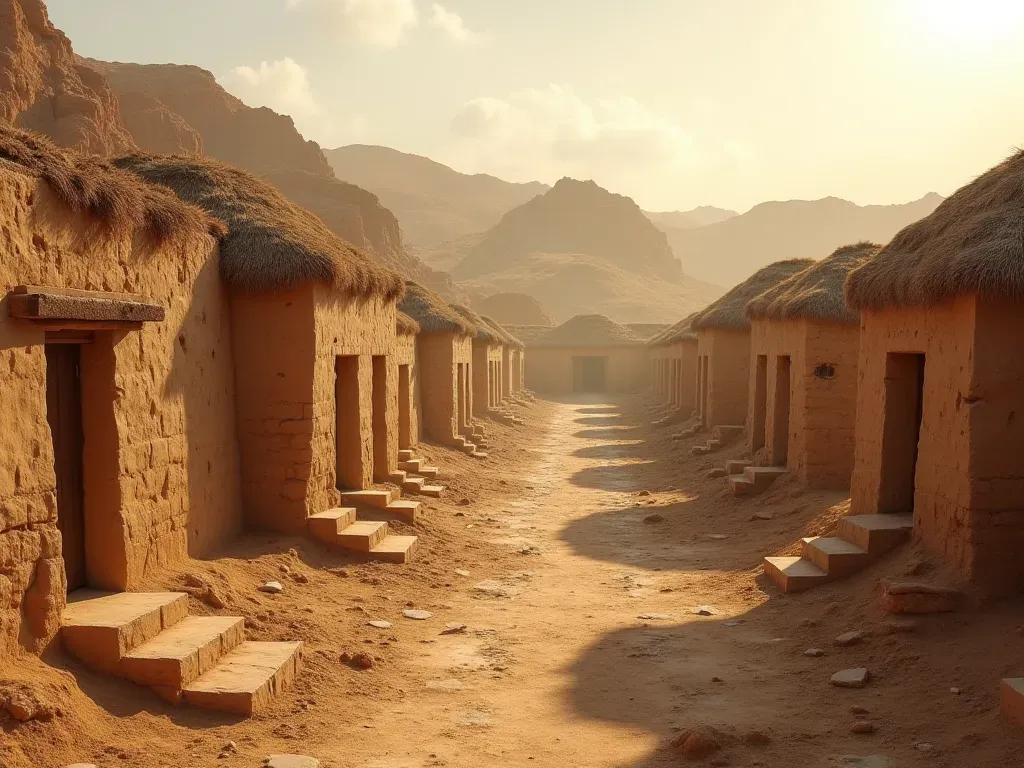
A Gathering That Rewrites The Rulebook
Here's something worth sitting with for a second. We tend to picture history as a straight line — simple stuff at the back, complexity up front. The ground beneath Şanlıurfa doesn't cooperate with that picture. Not even a little.
From November to , close to a thousand academics from sixty-four countries are descending on this region. And no, they're not coming to stare at old rocks.
They're coming because the data has backed us into a corner. Our whole story about human ingenuity needs rewriting. That's a heavy thing to carry into a conference hall.
The Unspoken Shift In Academic Power
Honestly, the scale caught me off guard. Forty-eight institutions are sending representatives — forty-eight, before you even count the individual scholars. This isn't a local seminar.
Istanbul University and Harran University organized it, with support from the Ministry of Culture and Tourism. That lineup is a statement. It says this region holds the answers to some very fundamental questions.
For decades, Western institutions had a near monopoly on interpreting these sites. That's shifting now. The center of gravity is drifting back toward the actual dirt.
Subtle change, but a profound one. Different people get to ask the questions. Different people decide which answers count.
Why The Location Changes Everything
And you can't separate the science from the soil here. These sites don't live behind museum glass.
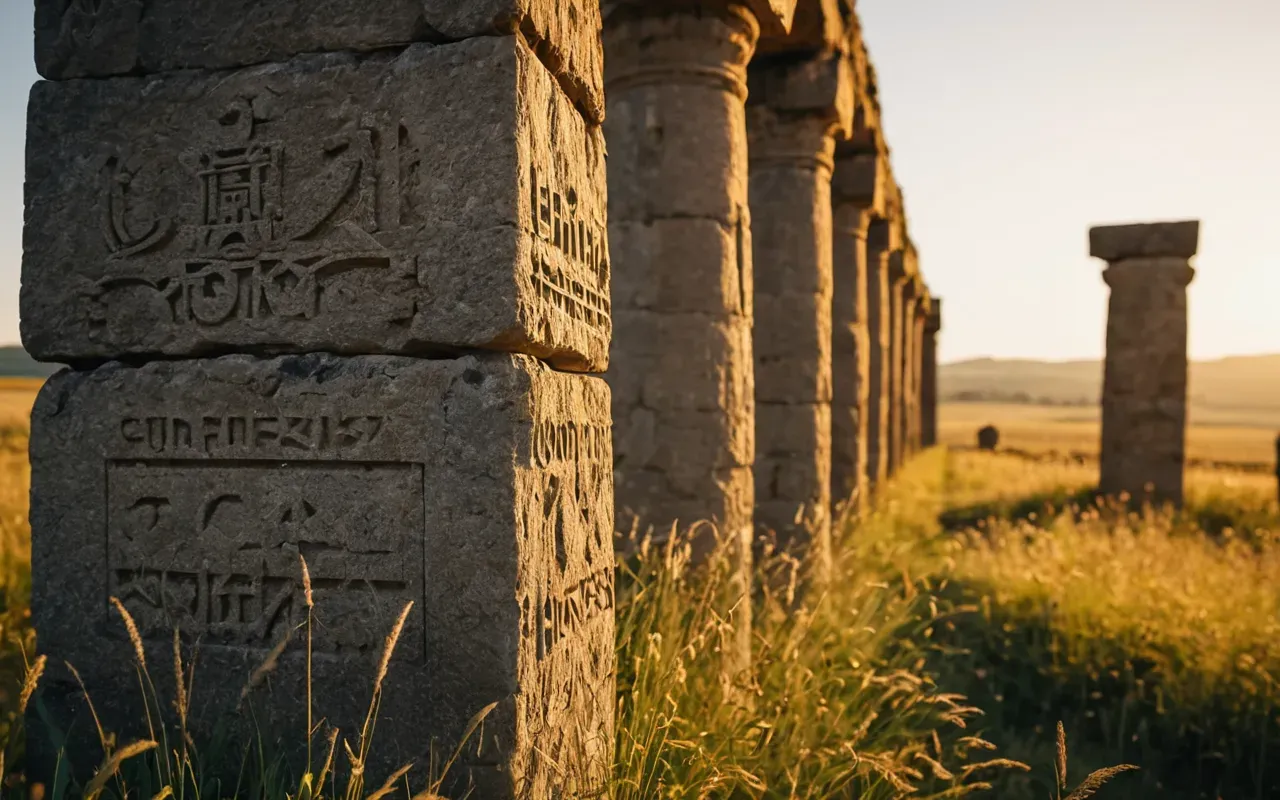
Delegates will walk Göbeklitepe and Karahantepe directly. Same paths early humans walked, twelve thousand years back.
That physical presence does something lab analysis simply can't. The environment becomes part of the experiment.
If you're interested in how location shapes narrative, the current debate around Turkey's archaeology boom offers a fascinating counterpoint to this optimism.
The Topics Nobody Expected To See
Most people assume gatherings like this are all carbon samples and dating methods. Half the picture, at best.
Keynote speakers are digging into belief systems and social hierarchies. How did these early groups organize themselves with no writing and no metal tools? That's the question on the table.
And that's where the real controversy lives. It pokes at our modern assumption that complex societies need complex technology. They didn't. Or at least, the evidence is getting harder to wave away.
If you think ancient tech was primitive, the evidence for Neolithic technology might surprise you quite a bit.
Honoring The Pioneers Who Changed It All
There will be memorial sessions for Klaus Schmidt and Harald Hauptmann. Those names probably don't ring a bell for most people.
But they're the reason this congress can happen at all. They cleared the path for this global conversation.
Their work pulled the field away from hunting bones and toward understanding minds. That's not a small philosophical leap.
The Environmental Angle We Keep Ignoring
Climate data keeps creeping toward the center of these discussions too. It reframes the whole migration story.
We used to think people moved because they wanted to. Now the weather looks like the one giving orders.
Ancient climate, modern resilience — the link is real, and we've barely started telling that story.
What This Means For Cultural Heritage Today
The Taş Tepeler project is turning this research into accessible culture. Professors in lecture halls aren't the only audience anymore.
We're seeing toys and novels drawn from these themes. Suddenly the ancient past feels immediate. Relevant, even.
Twelve thousand years, bridged in a way that feels surprisingly natural.
The Real Winner In This Global Contest
So who actually benefits from this surge of international attention? Not just the local government, I'd argue.
The real winners are the ones who control the narrative. The data is raw. The interpretation is power.
If you're curious about how this narrative shapes our view of equality in ancient times, the story of a village with no kings provides deep context.
This congress isn't just a meeting. It's the moment we decide how we define ourselves.

Why You Should Care About Twelve Thousand Years Ago
Sounds distant, I know. But the problems these early societies faced are identical to ours.
How do you organize a large group without a central authority? How do you share resources fairly?
We're still fumbling with this. They started the conversation long before anyone had a smartphone.
Looking back isn't nostalgia. It's a blueprint for the social friction we're living through right now.
The Quiet Revolution In How We Teach History
Schools are starting to use these findings to make history less abstract for students.
When a child learns humans built massive structures before they could read, something shifts in their confidence.
Passive observer becomes active participant. That's a mindset change worth more than any test score.
The Role Of Digital Tools In Ancient Studies
Researchers are using high resolution scans to analyze stone surfaces in ways that were impossible a decade ago.
Micro scratches. Wear patterns. These tools tell us how the stones were actually carved, stroke by stroke.
Old mystery meets new precision. That combination is what keeps this field exciting.
The Economic Ripple Effect Of This Event
Beyond the academic prestige, there's a real economic shift happening in this region.
Hotels are booking up. Local guides are training for a new wave of educated tourists.
This isn't about selling tickets. It's about selling knowledge and understanding.
The Final Verdict On This Historic Meeting
So what's the bottom line after all this analysis?
The world is waking up to something uncomfortable: our past was far more sophisticated than we gave it credit for.
This congress in Şanlıurfa is the stage where that realization becomes official global consensus.
Scholar or just someone curious about your own origins — this event matters to you deeply.
We're not looking at rocks anymore. We're looking into a mirror that's twelve thousand years old.