Discovering Humanity's Roots Through Museums and the Neolithic Era in Turkey
The Significance of Museums in Preserving Turkey’s Neolithic Heritage
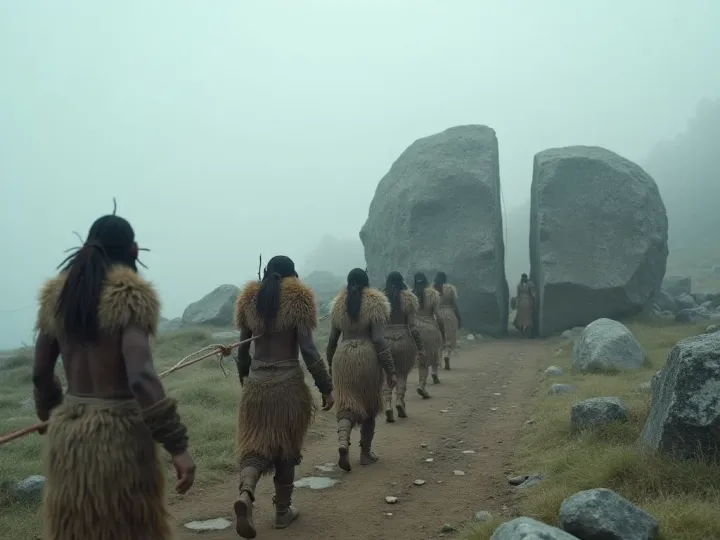
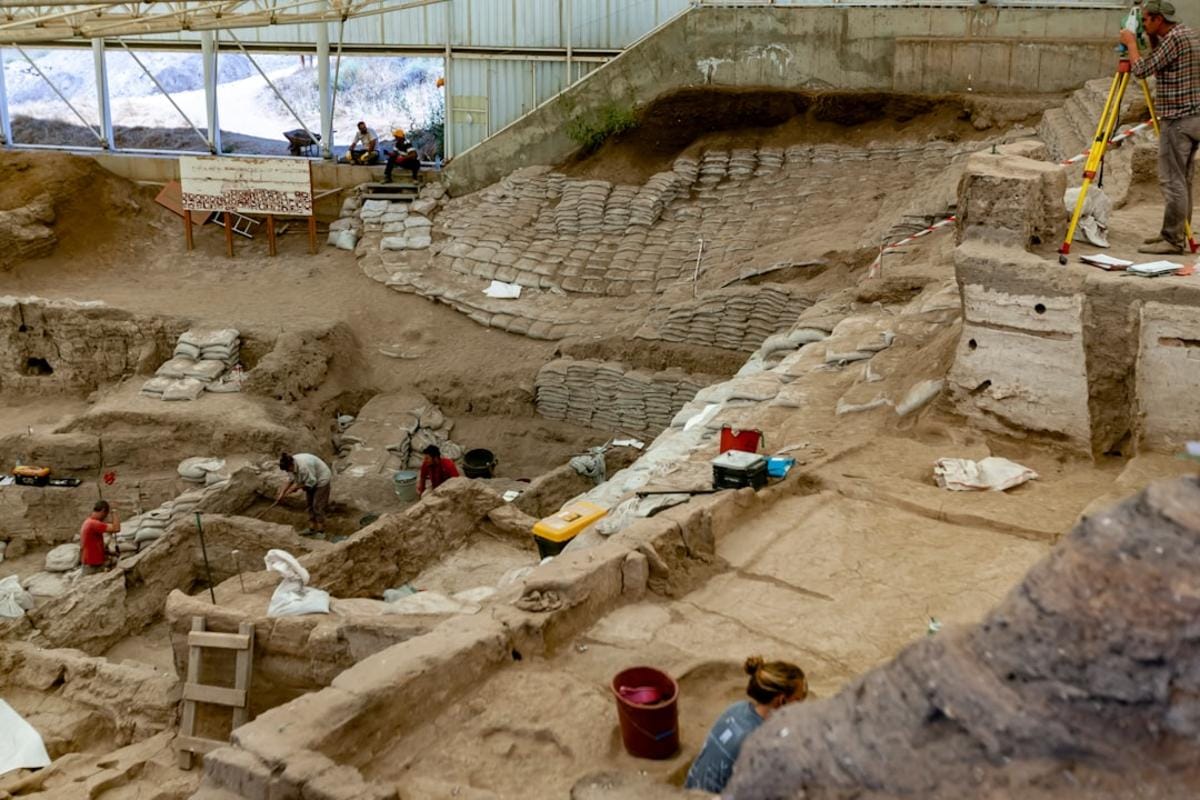
Museums serve as vital gateways to understanding humanity’s earliest societal developments, especially through the lens of Turkey’s rich Neolithic past. These institutions not only showcase ancient tools and artifacts but also offer immersive narratives that connect visitors with the first steps humans took towards establishing settled communities. Turkey’s archaeological sites, like Çatalhöyük and Göbekli Tepe, have transformed into world-renowned museums and archaeological parks, providing an unparalleled opportunity for tourists and scholars to witness firsthand the ingenuity of Neolithic societies. Exhibitions typically include reconstructed dwellings, interactive displays, and detailed reconstructions of tool-making techniques, thus making these ancient worlds accessible and engaging for diverse audiences. Additionally, museums dedicated to this period often organize educational programs, workshops, and lectures that deepen our understanding of early societal principles and technological innovations. These initiatives ensure that the Neolithic legacy continues to inspire new generations of cultural enthusiasts, students, and researchers, thereby fostering a collective appreciation for Turkey’s pivotal role in prehistoric human history.
The Taş Tepeler Project and Its Contribution to Cultural Tourism
Among the many initiatives aiming to revive and promote Turkey’s Neolithic heritage, the Taş Tepeler project stands out as a comprehensive cultural attraction that combines archaeological research with innovative tourism concepts. Situated in the heart of Anatolia, this project offers visitors a chance to explore a reconstructed Neolithic settlement, complete with replicas of early homes, tools, and ritual spaces. What makes Taş Tepeler unique is its dedication to merging scientific findings with engaging educational experiences, ensuring that visitors not only observe artifacts but also participate in simulated archaeological digs and hands-on craft workshops. This project is especially significant in its use of digital technology, providing augmented reality (AR) tours and interactive displays that animate the past, making the ancient period both tangible and exciting for all ages. Furthermore, the project's focus on sustainable tourism helps preserve the archaeological environment while fostering local economic development through visitor engagement, educational programs, and cultural merchandise. For enthusiasts interested in archaeology, history, and cultural heritage, Taş Tepeler offers a distinctive portal into the Neolithic world that harmoniously blends education, entertainment, and preservation.
Educational Resources and Cultural Exhibits Designed to Engage All Ages
Museums and cultural projects like Taş Tepeler have embraced modern educational methods to ensure that knowledge of the Neolithic era reaches a broad audience, from school children to seasoned historians. These institutions often feature comprehensive educational resources such as multimedia presentations, interactive exhibits, and virtual reality applications that bring ancient life into the present. For instance, specialized workshops teach traditional craft techniques like pottery and flintknapping, allowing participants to connect practically with Neolithic technologies. Additionally, museums often collaborate with local artisans to create authentic replicas of artifacts, exhibiting craftsmanship passed down through generations. The extensive collections include early tools, jewelry, and pottery, offering insight into daily life, spiritual practices, and societal organization of early humans. To make these experiences even more accessible, some projects host literary works, novels, and creative toys inspired by Neolithic themes, capturing the imagination of younger visitors. This approach not only educates but also fosters curiosity and appreciation for Turkey’s continuous cultural legacy, ensuring that the ancient past remains a lively and relevant part of contemporary life.