Discovering the Neolithic through Museum Tourism and the Taş Tepeler Project
Unlocking Humanity's Ancient Secrets through Museum Experiences
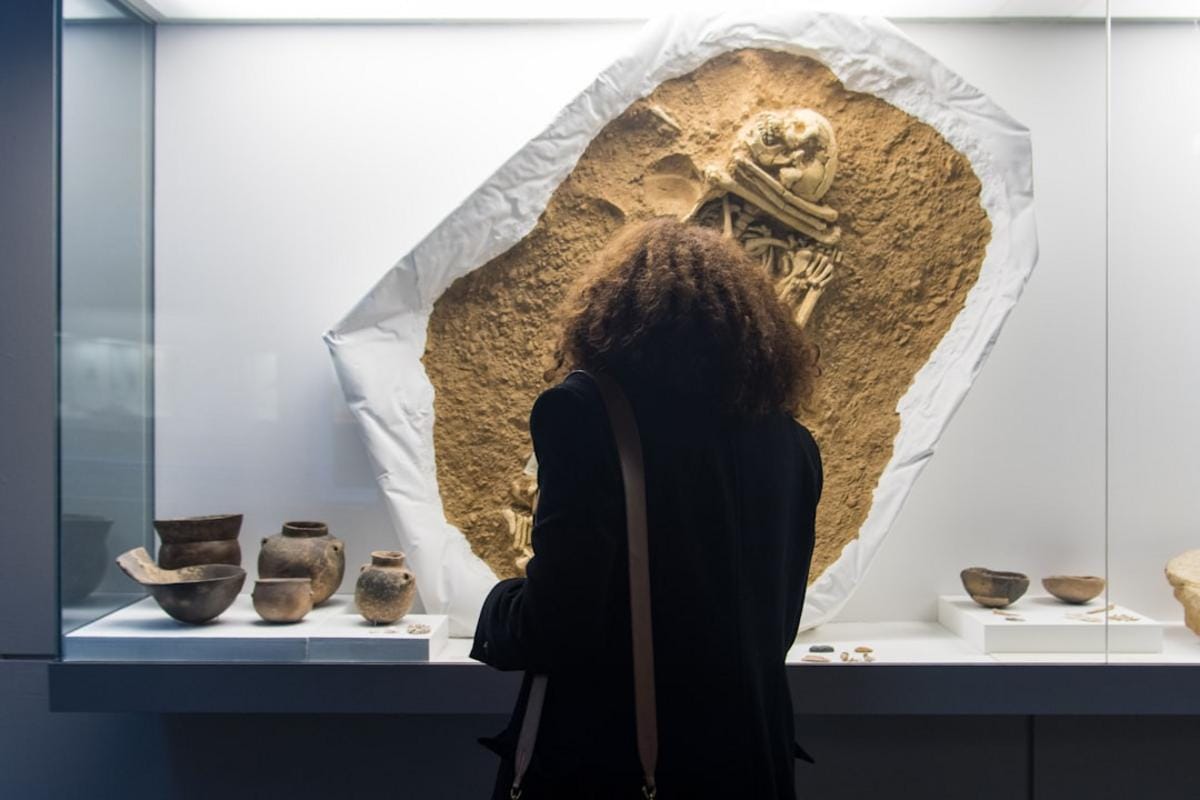
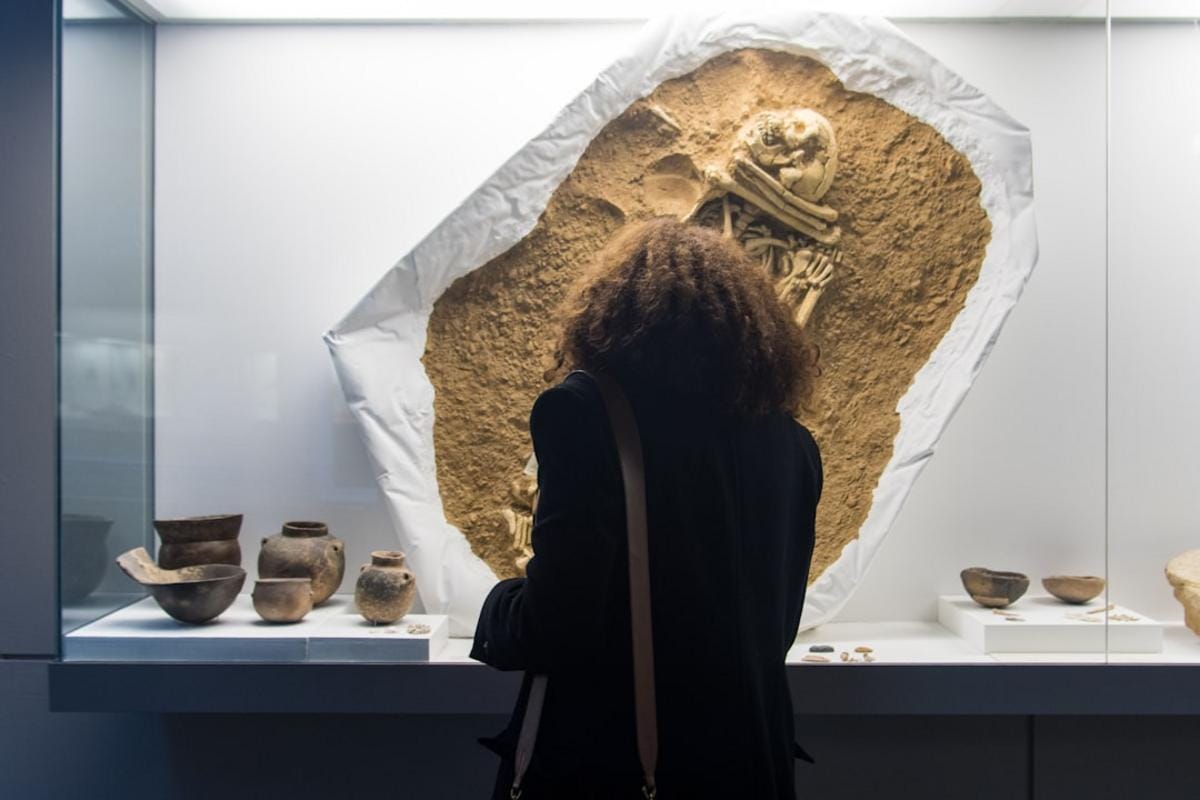
Museums dedicated to the Neolithic era serve a vital role in bridging our modern understanding with the distant past of early human societies. These institutions are more than repositories of artifacts; they are immersive portals that allow visitors to step back in time and gain firsthand insights into how our ancestors transitioned from nomadic hunter-gatherers to settled farmers. Through carefully curated exhibits, interactive displays, and educational programs, these museums connect people with the roots of agriculture, early domestic animals, and pioneering tools that shaped human civilization. In Turkey, a country rich with Neolithic sites, museums often include collections of stone tools, pottery fragments, and remains of ancient dwellings, providing a tangible connection to past innovations. Visiting these museums offers a profound appreciation for human ingenuity and offers context for understanding our shared heritage, inspiring new generations to value cultural preservation and archaeological research. Modern museum tourism has thus become a dynamic avenue for fostering cultural exchange and historical education, drawing both curious travelers and scholarly researchers motivated by curiosity about ancient societies.
The Taş Tepeler Project Promoting Education and Cultural Heritage
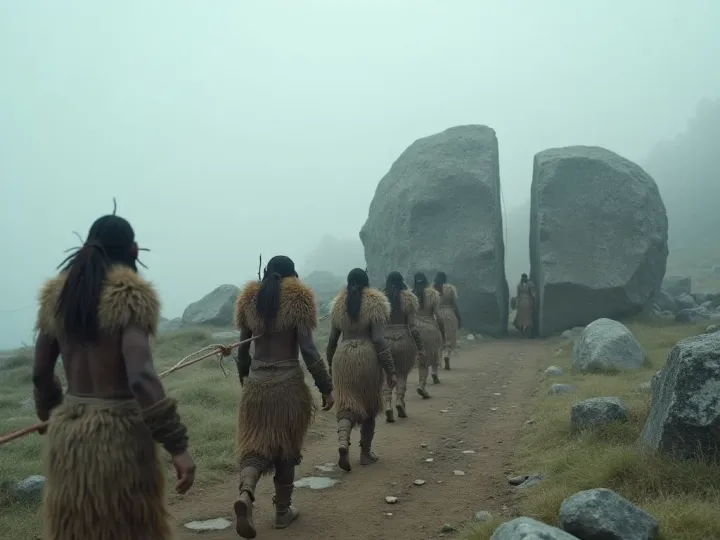
Among the most exciting initiatives in Turkey today is the Taş Tepeler project, an innovative endeavor that celebrates and explores the Neolithic period through a holistic approach to education and cultural promotion. Named after the famous mound settlements in the region, the project encompasses archaeological excavations, virtual exhibits, and community engagement programs aimed at demystifying the early stages of human societal development. The project not only preserves important archaeological findings but also transforms them into accessible educational resources, making Neolithic history intriguing for both students and tourists. One of the highlights of the Taş Tepeler initiative includes interactive models and digital reconstructions that vividly illustrate early settlement life, tools, and rituals, turning ancient history into a captivating experience. Visitors can participate in workshops, watch digs in action, and explore the significance of innovations like early agriculture and tool crafting—showcasing how these breakthroughs laid the foundation for future civilizations. As a result, the project successfully merges archaeological research with contemporary tourism, helping to elevate regional cultural tourism and foster a deeper understanding of Turkey’s prehistoric past.
Innovative Cultural Displays and Practical Engagements in Neolithic Tourism
The appeal of Neolithic museums and projects like Taş Tepeler extends beyond mere observation; they actively involve visitors in experiential learning. Some museums in Turkey have introduced innovative ways to engage audiences, such as crafting ancient tools during workshops, participating in simulated Neolithic farming activities, and playing educational games based on early human life. These creative approaches make the era accessible and exciting, especially for younger audiences who thrive on hands-on experiences. Additionally, the incorporation of themed novels, educational toys, and replicas of artifacts allows enthusiasts to take a piece of history home, fostering a deeper personal connection with ancient civilizations. Whether through a well-curated exhibit or an interactive game, every effort aims to evoke curiosity and appreciation for the ingenuity of early societies. Notably, the availability of souvenir shelves featuring replicas of ancient tools and artwork creates opportunities for cultural promotion and keeps the spirit of Neolithic innovation alive in everyday life. This integrated approach to museum tourism ensures that visitor engagement is meaningful, educational, and, above all, enjoyable, helping cultivate long-term interest in Turkey's remarkable prehistoric heritage.