Discovering Humanity's Roots Through the Neolithic Era at Tourism Museums
Understanding the Significance of Neolithic Culture in Modern Tourism
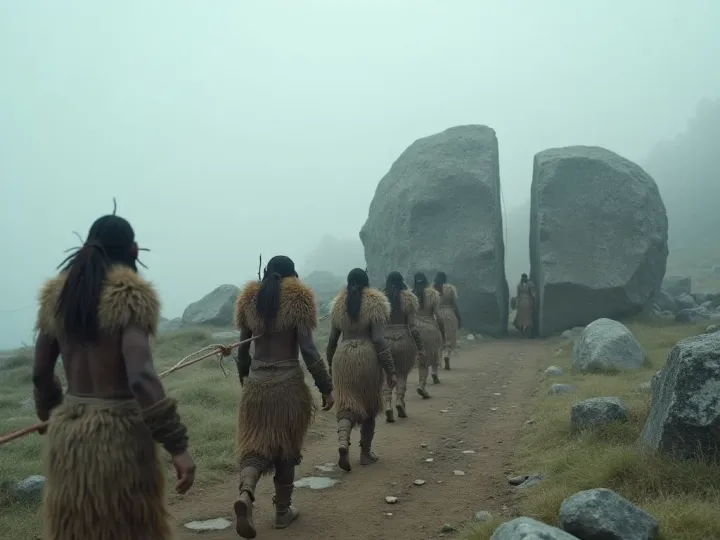
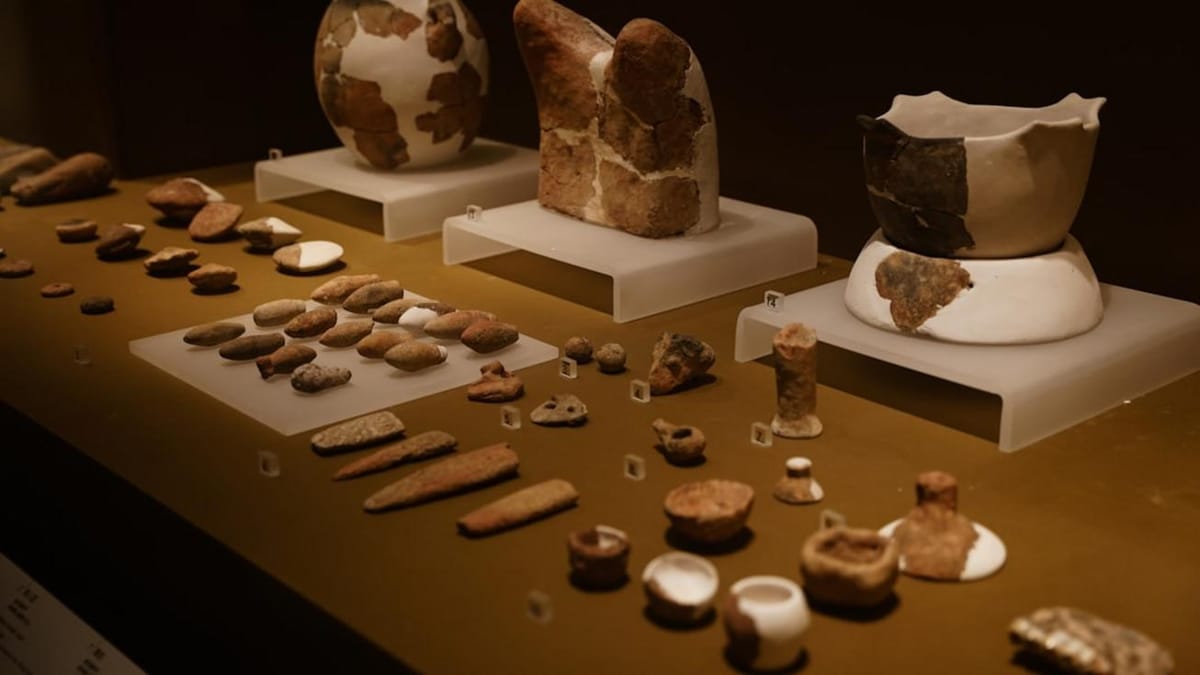
The Neolithic era marks a monumental period in human history characterized by the advent of agriculture and the establishment of early settlements. As one of the earliest chapters of human civilization, this period offers rich insights into the developmental stages that shaped societies, economies, and cultural practices. Museums dedicated to this era serve an essential role in preserving and showcasing artifacts that reveal the ingenuity of our ancestors. These institutions act as portals for visitors to connect with the distant past, providing educational and immersive experiences that deepen our understanding of early human ingenuity. From ancient tools to pottery and early domesticated animals, the exhibits encapsulate a transformative time that laid the foundation for modern societies. This historical narrative also underscores the importance of conservation and scholarly research, ensuring that these priceless relics continue to educate future generations. For tourists interested in archaeology and history, museums featuring Neolithic collections are invaluable, offering a captivating journey into humanity's earliest innovations and societal developments.
The Taş Tepeler Project and Its Role in Cultural Preservation
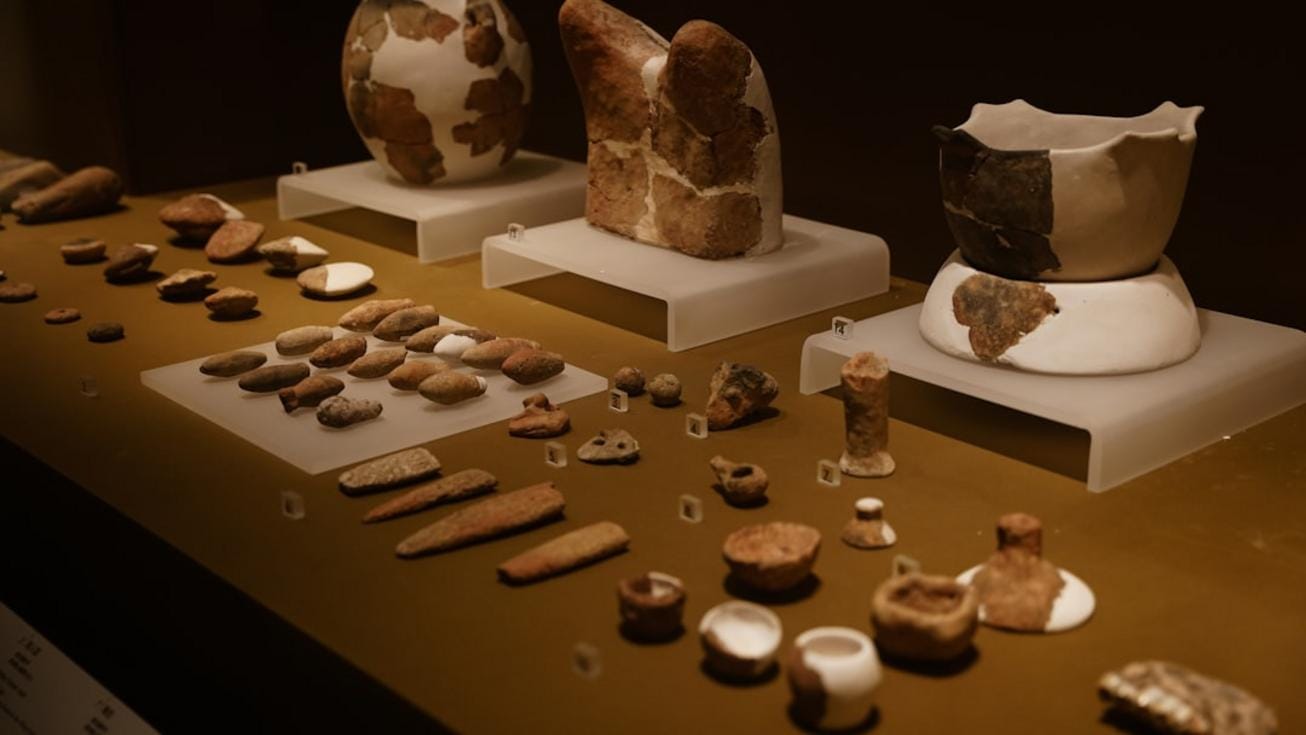
Among the leading initiatives that highlight Neolithic culture in Turkey is the innovative **Taş Tepeler project**, which has garnered attention for its comprehensive approach to archaeological exploration and public engagement. Situated in a region rich with prehistoric sites, the project has uncovered a wealth of artifacts, including tools, ornaments, and remnants of early settlements. Its multifaceted approach combines excavation, research, and public outreach, creating a space where history comes alive for visitors. The project not only emphasizes the scientific importance of these findings but also promotes cultural tourism, drawing enthusiasts, scholars, and curious tourists from around the world. Visitors to the Taş Tepeler site can explore reconstructed Neolithic dwellings, view archaeological displays, and participate in educational programs that delve into the daily lives of ancient people. Such efforts foster a greater appreciation for our shared human heritage and underscore Turkey's pivotal role in ancient history. The project exemplifies how cultural preservation can be intertwined with tourism, making history accessible and engaging for people of all ages.
Engaging Education and Innovative Cultural Displays for All Ages
One of the most exciting aspects of modern tourism museums showcasing Neolithic culture is their dedication to making ancient history accessible and interactive. The **Taş Tepeler project** enhances visitor engagement through innovative educational tools such as replica tools, interactive touchscreens, and detailed reconstructions of daily life activities. Children's educational programs include specially designed toys and games inspired by Neolithic themes, allowing young visitors to experience ancient crafts like pottery-making or tool assembly firsthand. Additionally, museums now often incorporate thematic novels and multimedia presentations that narrate stories from early human communities, fostering a deeper emotional connection. Gift shops featuring authentic reproductions of Neolithic artifacts, educational books, and themed souvenirs further enhance this experience. These inclusive activities not only excite younger audiences but also appeal to adult learners and scholars eager to explore early innovations and societal transformations. Such immersive and interactive displays ensure that the ancient period resonates beyond academia, sparking curiosity and appreciation among diverse audiences worldwide.