Discovering Turkey's Neolithic Heritage Through Tourism and Museums
Immersing in Turkey’s Rich Neolithic Culture Through Innovative Tourism
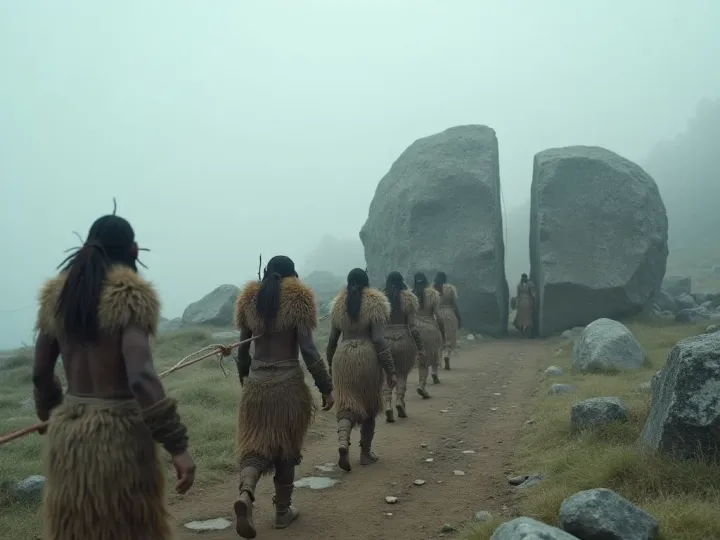
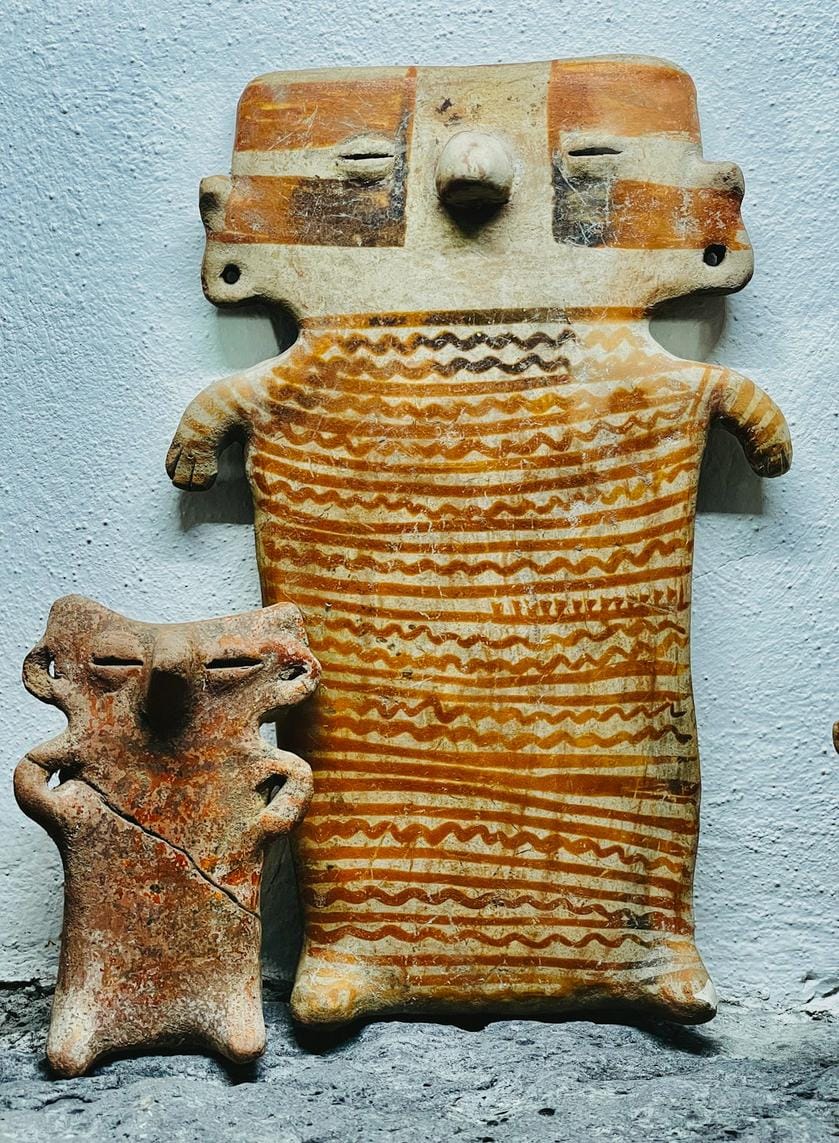
Turkey’s unique position at the crossroads of ancient civilizations makes it a fascinating destination for those interested in history and archaeology. Among its most captivating periods is the Neolithic era, which marks the advent of agriculture and early settlements approximately 10,000 years ago. Tourism-museums dedicated to this era serve as vital gateways that connect modern visitors with the earliest chapters of human civilization. The Taş Tepeler project exemplifies this approach by offering a comprehensive look into Neolithic culture through a variety of educational displays, archaeological findings, and interactive experiences. For enthusiasts planning their itinerary, visiting such museums not only enhances understanding but also brings to life the ingenuity of early humans who laid the foundations for subsequent societal developments. These institutions are a testament to Turkey’s commitment to preserving and showcasing its deep-rooted cultural history, making them essential stops for any traveler interested in archaeology, anthropology, or cultural heritage. Moreover, they serve as vibrant community hubs that foster appreciation for ancient innovations and foster ongoing research efforts. The blend of tourism, education, and preservation cement the importance of such sites in promoting sustainable cultural tourism while offering meaningful engagement for visitors. By exploring these museums, travelers gain insights into how early agriculture, settlement patterns, and tool-making played crucial roles in shaping human progress, making each visit a journey back in time filled with discovery and inspiration.
The Taş Tepeler Project and Its Role in Preserving Neolithic Heritage
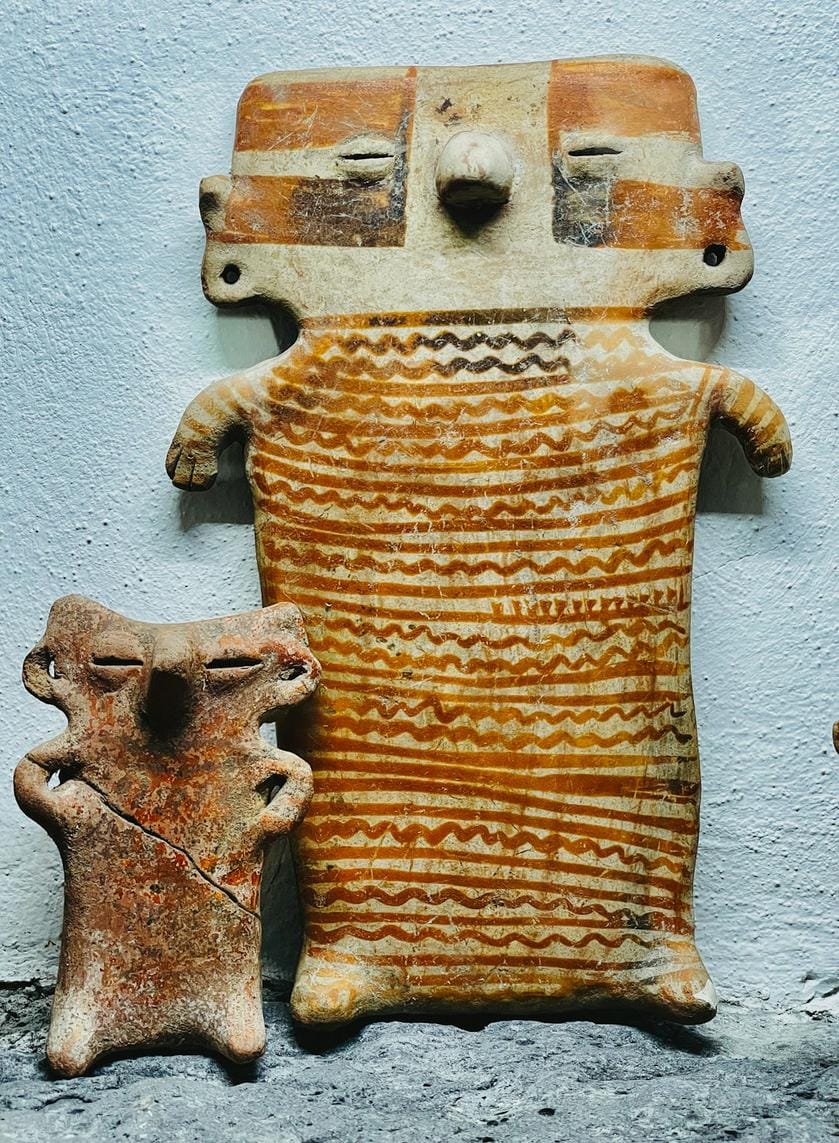
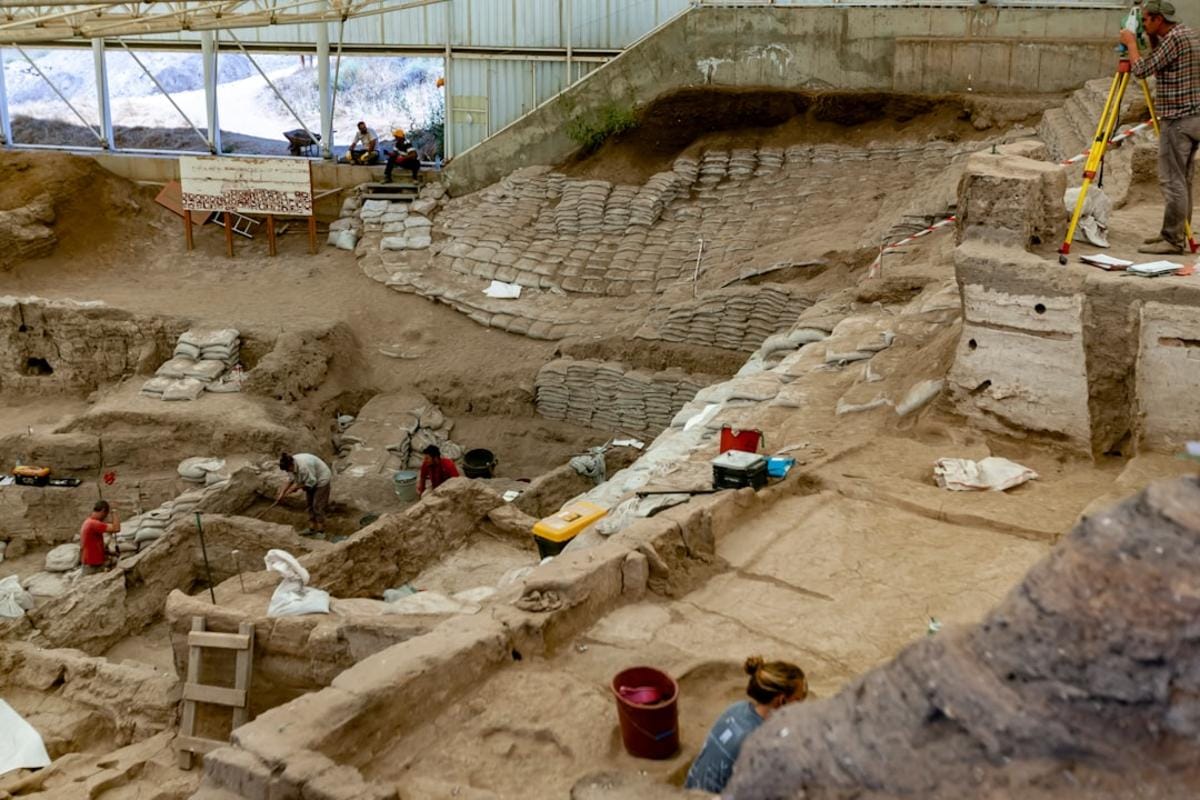
One of the most innovative initiatives highlighting Turkey’s Neolithic past is the Taş Tepeler project, which translates to 'Stone Hills' in English. This comprehensive effort combines archaeological research, museum exhibitions, and educational outreach to create an engaging experience for a diverse audience. It emphasizes the significance of early tools, pottery, and settlements uncovered during excavations, providing clear insights into how Neolithic societies adapted to their environments. The project is not just a static display; it incorporates advanced multimedia resources, virtual reality experiences, and interactive workshops that enable visitors of all ages to explore the ancient world actively. For scholars and students, Taş Tepeler offers valuable research materials, including detailed reconstructions and digital archives, supporting ongoing academic pursuits. Meanwhile, for general visitors, the project’s focus on storytelling through exhibits makes the ancient era accessible and exciting. Special educational programs, toy sets inspired by Neolithic themes, and even novels depict the daily lives, innovations, and challenges faced by early humans, fostering a deeper connection to our shared history. With such initiatives, the Taş Tepeler project elevates the importance of preserving Turkey’s archaeological treasures while making Neolithic culture an integral part of cultural tourism.
Educational and Cultural Impact of Neolithic Exhibits and Interactive Experiences
The integration of educational toys, digital games, and engaging literature within Neolithic-themed museums enhances the accessibility of this ancient period. For children and young learners, specially designed toys and games inspired by early tools, settlement layouts, and farming practices make history tangible and fun. These resources foster curiosity and encourage the next generation to appreciate their roots while developing critical thinking skills through hands-on learning. In addition to physical toys, innovative virtual games simulate early Neolithic life, allowing users to build their settlements, gather resources, and understand the societal functions of prehistoric communities. Furthermore, curated novels and storytelling books based on archaeological findings bring to life the challenges and triumphs of early Neolithic humans, broadening their cultural understanding. Such educational tools are available in museums, online stores, and as part of interactive exhibits, reflecting a holistic approach to cultural preservation and education. These efforts support the role of museums not just as repositories of artifacts but as dynamic spaces where history becomes alive and relevant for modern audiences. The immersive experience appeals to diverse learning styles and ages, ensuring that the legacy of Turkey’s Neolithic ancestors endures through generations.