The Hidden Power of Neolithic Museums That Reshape Our Understanding of Human Creativity
Uncovering the Unexpected Secrets Hidden Within Neolithic Museums
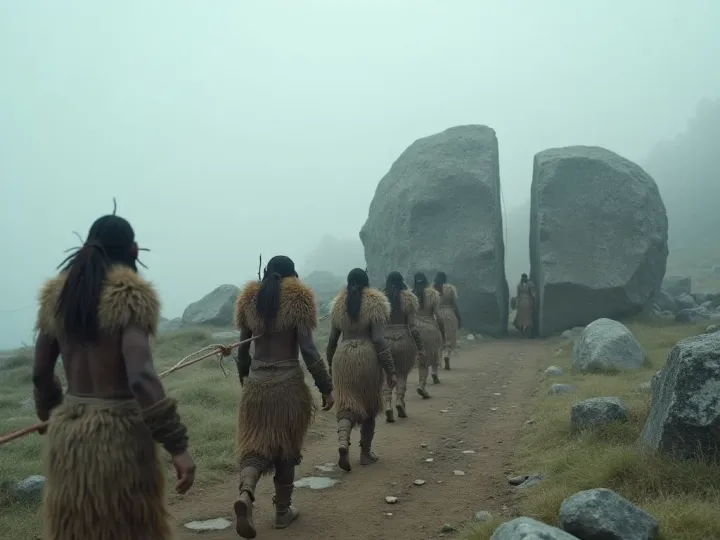
Most visitors to museums wander through exhibits, admiring ancient tools and artifacts without realizing the profound story these objects encode—one that challenges the common narrative of primitive societies as merely survivalists. Particularly in Turkey, the fascinating Neolithic sites and the dedicated Taş Tepeler project have started shedding light on a rarely appreciated truth: these early innovations were far from primitive and fundamentally shaped modern human ingenuity. Museums dedicated to this era often overlook the surprising depth of their collections, which include not just artifacts but intricate remnants of early social organization, environmental management, and technological experimentation. These contain overlooked clues about how early humans devised solutions for sustainable land use, developed complex community identities, and fashioned tools that went beyond mere necessity to exhibit creative problem-solving. This reinterpretation shifts the perception from primitive survival to early human resourcefulness, suggesting that the Neolithic era was a creative revolution that deserves more recognition. When visitors engage with these exhibits, they unexpectedly confront the idea that innovation predates what we often consider as ‘civilized’ advancements, revealing that early societies were labors of ingenuity. By exploring these lesser-known aspects, museums transform from static display spaces into dynamic classrooms of human innovation, as seen in some of Turkey’s most esteemed Neolithic collections.
The Myth of Primitive Humanity Debunked by Excavation Insights
A persistent misconception persists that Neolithic societies were merely primitive groups living in ignorance of progress. However, recent discoveries housed in Turkey’s museums tell a different story—one where early humans exhibited advanced cognitive skills and intentional craftsmanship. The meticulous excavation of sites like Taş Tepeler and others reveals artifacts that display planning, aesthetic sensibility, and problem-solving ability that rival later metal-working cultures. These artifacts are not accidental debris; they are the result of deliberate invention, reflecting a sophisticated understanding of materials and environment. For example, finely chipped stone tools demonstrate precision and skill that cannot be dismissed as mere survival improvisation. This myth-busting perspective repositions Neolithic eras as periods of innovation, where early humans were actively shaping their worlds with a creator’s mindset, contradicting the outdated idea of primitive impersistence. Museums play a vital role in this correction, displaying not just tools but also highlighting how innovations like early agriculture and settlement planning laid the groundwork for complex civilizations. In doing so, they challenge visitors to see the Neolithic era as a crucible of human creativity rather than a backward chapter of history.
Why Many Cultural Narratives Fail to Recognize Neolithic Inventiveness
Mainstream history often simplifies the Neolithic period as a time of slow, incremental progress, underplaying the bursts of creativity that significantly influenced societal development. Museums dedicated to early human history sometimes reinforce this narrative by emphasizing only the functional aspects of artifacts—tools for hunting or farming—while neglecting the innovative processes behind their creation. This oversight stems from a bias toward technological advancements over creative thinking, causing many to overlook how early humans experimented with shapes, materials, and forms to produce objects that served both practical and symbolic purposes. These experiments reveal a form of proto-innovation where trial, error, aesthetic sensibility, and social expression intertwined. Exhibits that explore these aspects challenge visitors to reconsider the Neolithic era as a vibrant period of cultural experimentation, not merely survival. National and regional museums, especially in Turkey, are increasingly emphasizing these stories through interactive displays and curated narratives, encouraging visitors to see early societies as inventive and culturally rich—pioneers of human imagination that continue to influence our modern cultural heritage.
The Surprising Role of Museums in Reframing Our Human Heritage
Museums are often seen as passive repositories, but in the case of Neolithic collections, they serve as catalysts for new narratives about human progress. By integrating advanced technologies such as augmented reality, 3D scanning, and tactile interactive exhibits, Turkey’s museums are transforming the way the public perceives early human innovation. These digital and physical experiences allow visitors to experience the act of making a stone tool or planting the first crops firsthand, deepening understanding and appreciation of the complexity of Neolithic life. Furthermore, these museums are increasingly collaborative, working with archaeologists, historians, and local communities to develop narratives that reflect the inventive spirit of early societies. As a result, they actively shape a more nuanced, accurate story of human history—one that celebrates ingenuity, resilience, and creativity rooted in ancient roots. Such initiatives demonstrate that museums can be powerful tools for correcting misconceptions and highlighting overlooked facets of our shared heritage, inspiring a new generation to view the Neolithic as the birthplace of human inventiveness.
FAQs About Neolithic Museums and Their Role in Rewriting History
Neolithic museums showcase innovative artifacts that reveal early human problem-solving, artistic expression, and social organization, offering insights into the roots of modern creativity.
By presenting detailed artifacts and interactive exhibits, museums demonstrate that early humans were innovative and complex, actively shaping their environments with deliberate, creative efforts.
Modern museum technologies like VR and 3D scans help visitors experience Neolithic craftsmanship and societal practices firsthand, bridging the gap between past and present in immersive ways.
Many Turkish museums began integrating advanced storytelling and digital displays about Neolithic periods in the last decade, reflecting a growing recognition of their importance in human history.