A month of labor for one shirt and why history is about to be rewritten
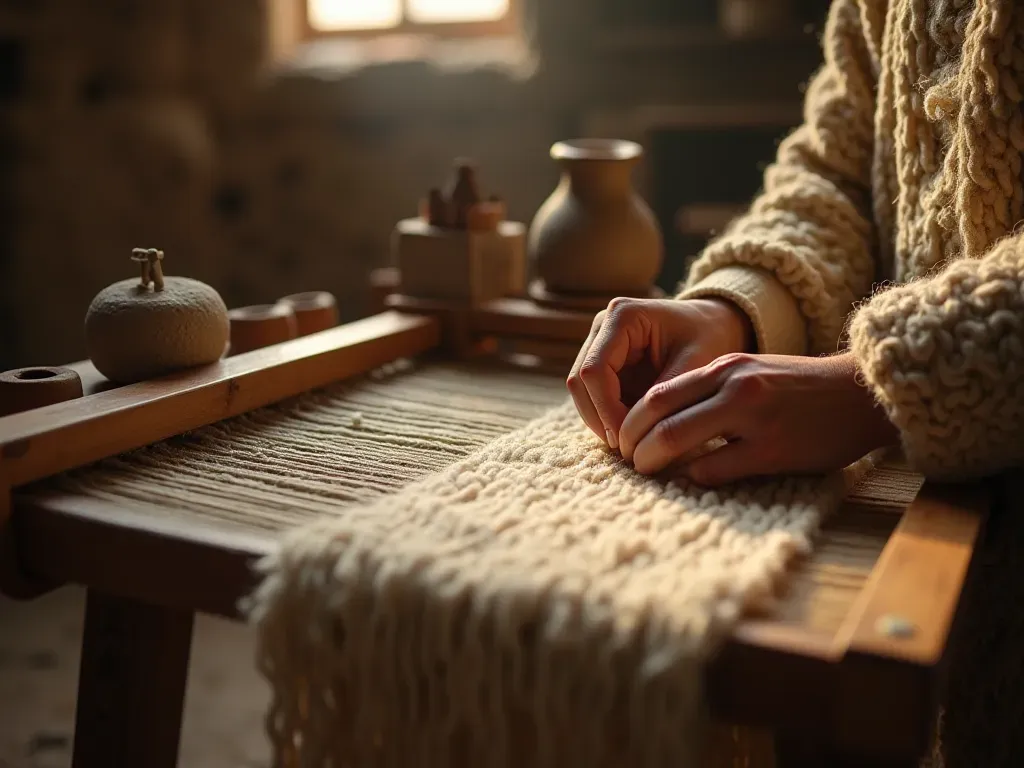
The shirt that cost a month to make
Imagine spending thirty days on a single garment. You wouldn't just wear it — you'd revere it. That was daily life in the Neolithic, and historians are only now catching up to it.
We tend to wave off ancient clothing as primitive. But a new wave of experimental archaeology suggests we've had it wrong all along about how our ancestors valued their own bodies.
The shift is happening in the rain of Northern Germany. A group of craftspeople are getting soaked while they twist plant fibers into cordage.

Why weather is part of the experiment
Vasi Birchwood leads these gatherings. She doesn't see rain as an inconvenience. To her, it's a participant in the process of understanding history.
The goal is to inhabit a different relationship with the material world. It's about feeling the weight of ancient decisions in your own muscles.
The splicing technique that broke the rules
For decades scholars assumed spinning was the dominant method for making string. New evidence suggests splicing was actually far more common.
Sally Pointer notes that researchers must now rewrite history books, because the technique was previously misunderstood in textile remains.

How hands reveal what books hide
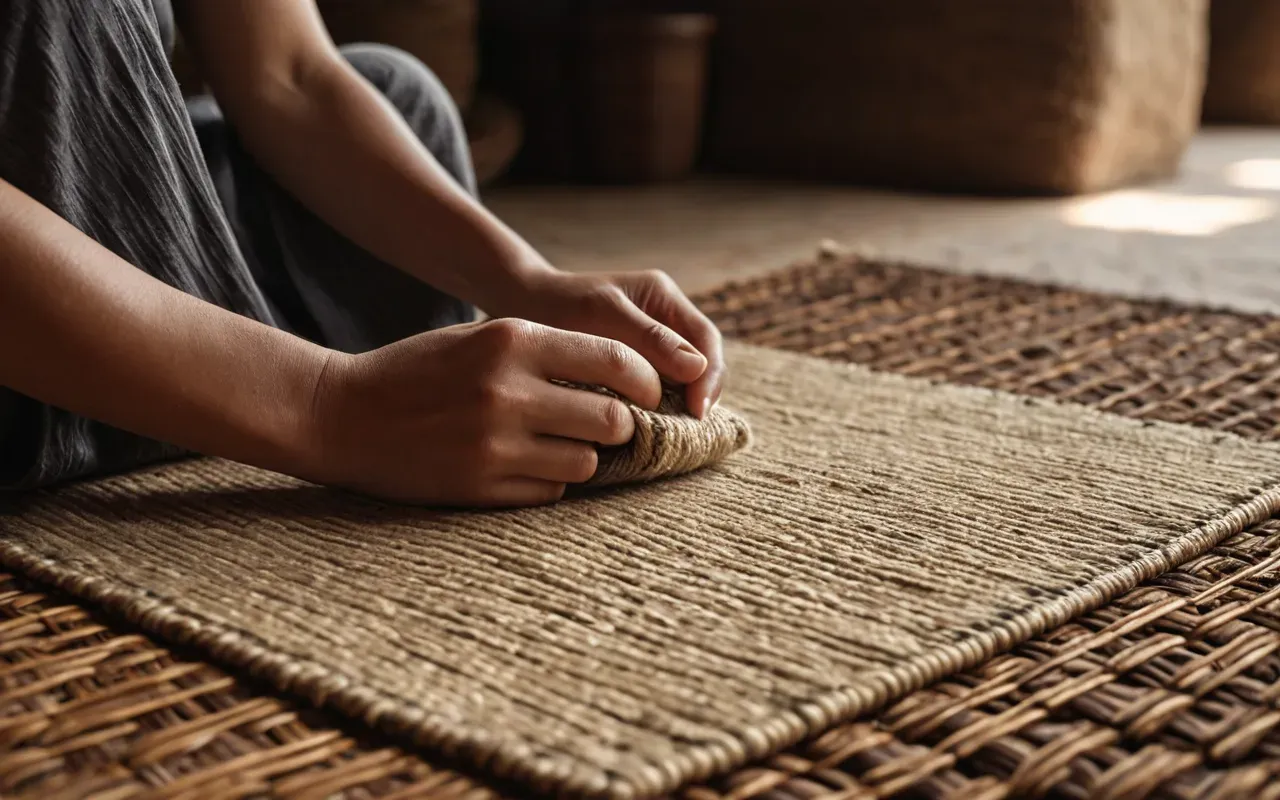
Academic papers often miss the physical reality of materials. Only by working with them can we see if the archaeology actually makes sense.
This hands-on approach is changing how we view the ingenuity of early humans. They weren't just surviving; they were engineering complex systems.
The teenage girl who traveled for work
In a burial mound near Egtved, scientists found the remains of a teenage girl. Her journey from Germany to Denmark challenges old assumptions.
Louise Felding explains that her movement reveals a world where women were highly mobile and socially significant. That changes our view of gender roles.
Weaving as a record of cooperation
Small inconsistencies in her wool blanket suggest multiple people worked on it. Which points to a complex social interaction during production.
A piece of fabric becomes evidence of cooperation. It shows how communities organized labor to create high-status items for specific individuals.
Clothing as the first form of wealth
Sophie Bergerbrant argues that the Bronze Age should be called the Wool Age. Fabric production transformed culture and economies across Europe.
Textiles were traded for copper and silver. That reflects their high value as a store of wealth people could carry on their bodies.
Why sheep were bred for longer fibers
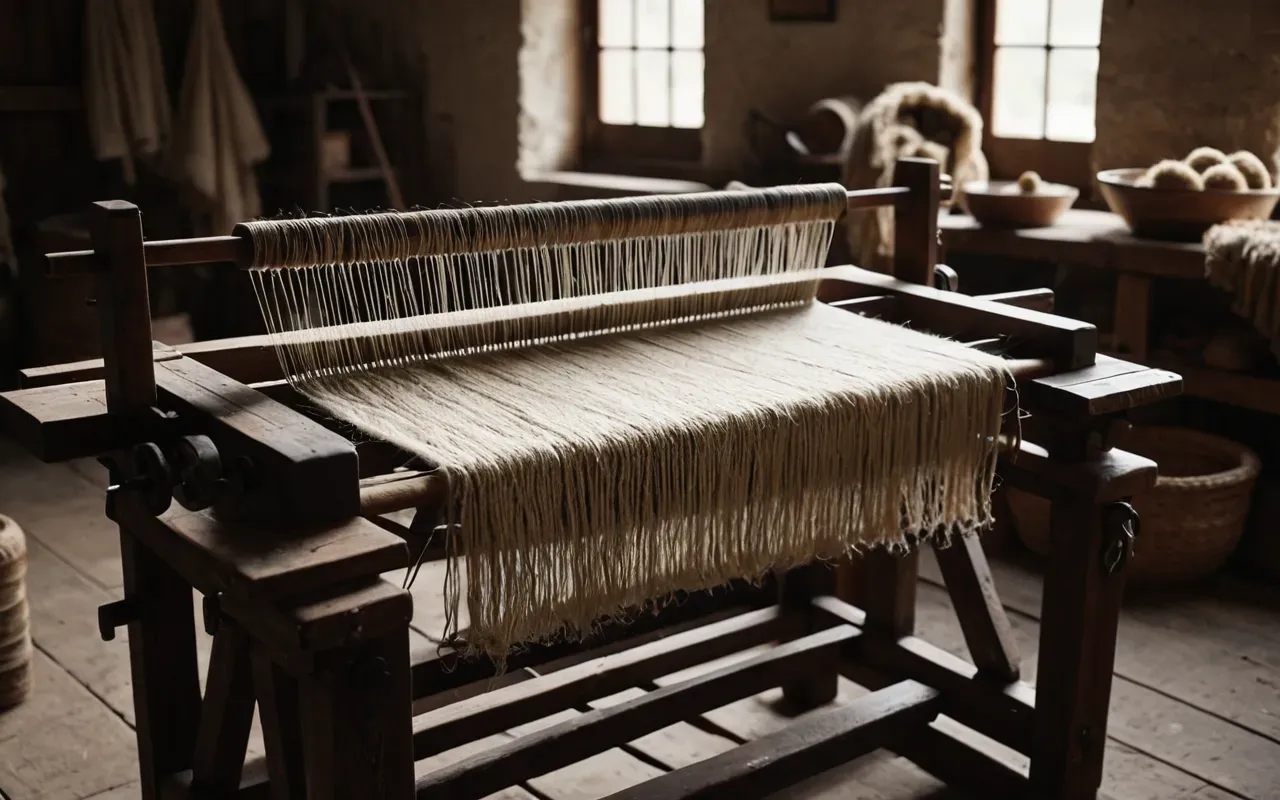
Short wool took too long to spin. So humans bred sheep for longer fibers, specifically to cut the labor required for weaving cloth.
This domestication was a direct response to the need for efficient textile production. It shows how clothing drove biological change in animals.
Flax might have started agriculture
Some archaeologists speculate flax was one of the first cultivated plants. Meaning clothing may have inspired agriculture rather than being a byproduct of it.
If true, that flips the entire narrative of human history. We didn't just grow food to survive; we grew plants to dress ourselves.
Stitching back together ancestral identity
For Vasi Birchwood, this work is personal. She seeks to recreate clothing from her Tatar and Irish ancestors to understand their heritage.
Neolithic skills offer a connection that transcends modern divisions. They take us back to a time when we all share the same Stone Age roots.
It's a way of reconstructing what our ancestral identity was before colonization fractured those cultural connections. Deeply emotional work, honestly.
The invisible technology of daily life
Today clothing is bought and discarded with little thought. For our ancestors it was among humanity's greatest technological achievements.
Every finished garment represented thousands of years of ingenuity. A library of human knowledge, worn on the body.
Why this changes how we see history
We tend to make women invisible in ancient records. But when we look for them, we see they were fifty percent of the population.
They were important. Economically vital and socially central to the development of complex human societies across the globe.
The real lesson from ancient hands
Experimental archaeology isn't just about making old things. It's about understanding the weight of human effort and skill.
When we hold a spliced string or wear a woven shirt, we're touching the accumulated ingenuity of our ancestors. It changes everything.
The history books are being rewritten by people who get their hands dirty. And the story they tell is far more impressive than we ever imagined.