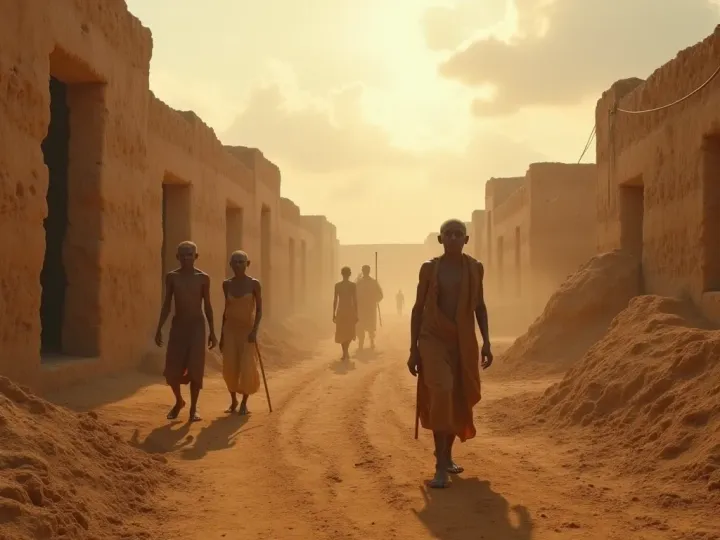
The accidental fire that gave us pottery and changed everything
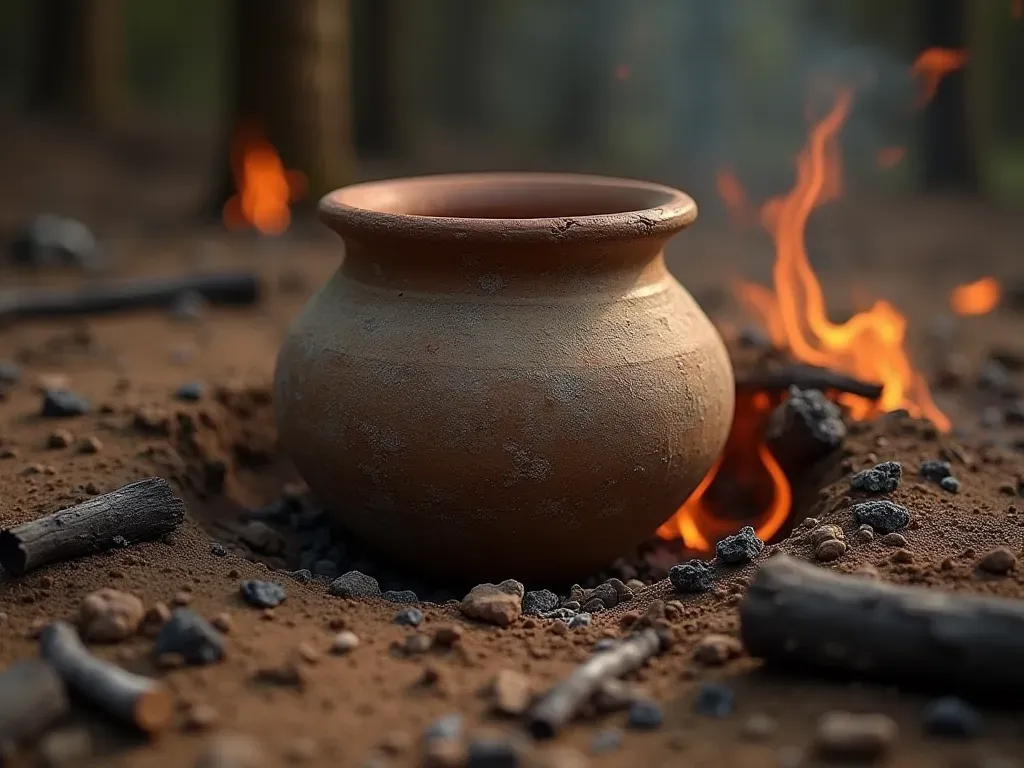
The fire that built our world
We tend to picture Neolithic potters as careful artisans. They mixed clay, shaped vessels, tended controlled fires. But what if the first pot was never made on purpose at all? A new study from the Hebrew University of Jerusalem argues for something stranger. The first pots, it suggests, may have been accidental byproducts of chaotic wildfires.
The idea has a name: the "natural kiln hypothesis." Lead researcher Prof. Amos Frumkin argues that intense fires burned away vegetation, exposing clay-rich soil to rain and runoff. The clay settled in valleys, already baked hard by the heat. People noticed the hard material — and started using it.
It's a humbling thought. One of humanity's most important technologies may have begun with a disaster. A wildfire. A catastrophe that stripped the land bare and left hardened clay behind. We didn't invent the kiln. We just picked up the result of nature's own fire.
A , year old control experiment
And here's the twist: the strongest evidence for this theory is a lack of evidence. The study compared two very different time periods. The first was the last interglacial period, roughly , to , years ago. The second was the early Holocene, between , and , years ago. Both saw massive wildfires and soil erosion.
In the older period, the environment was perfect for pottery. Fires burned. Clay settled. But no pottery appeared. Why? Frumkin calls this a natural control experiment. The people living then simply didn't have the same cognitive abilities or social structures as later Neolithic groups. They lacked the intent to reproduce what they saw.
In the Holocene, the recipe was identical. Fire, erosion, clay. But this time, pottery emerged. The difference was human capability. Neolithic communities had the social organization — and the curiosity — to look at a hardened lump of earth and think, "I can make more of that." Not just a material discovery. A cognitive leap.
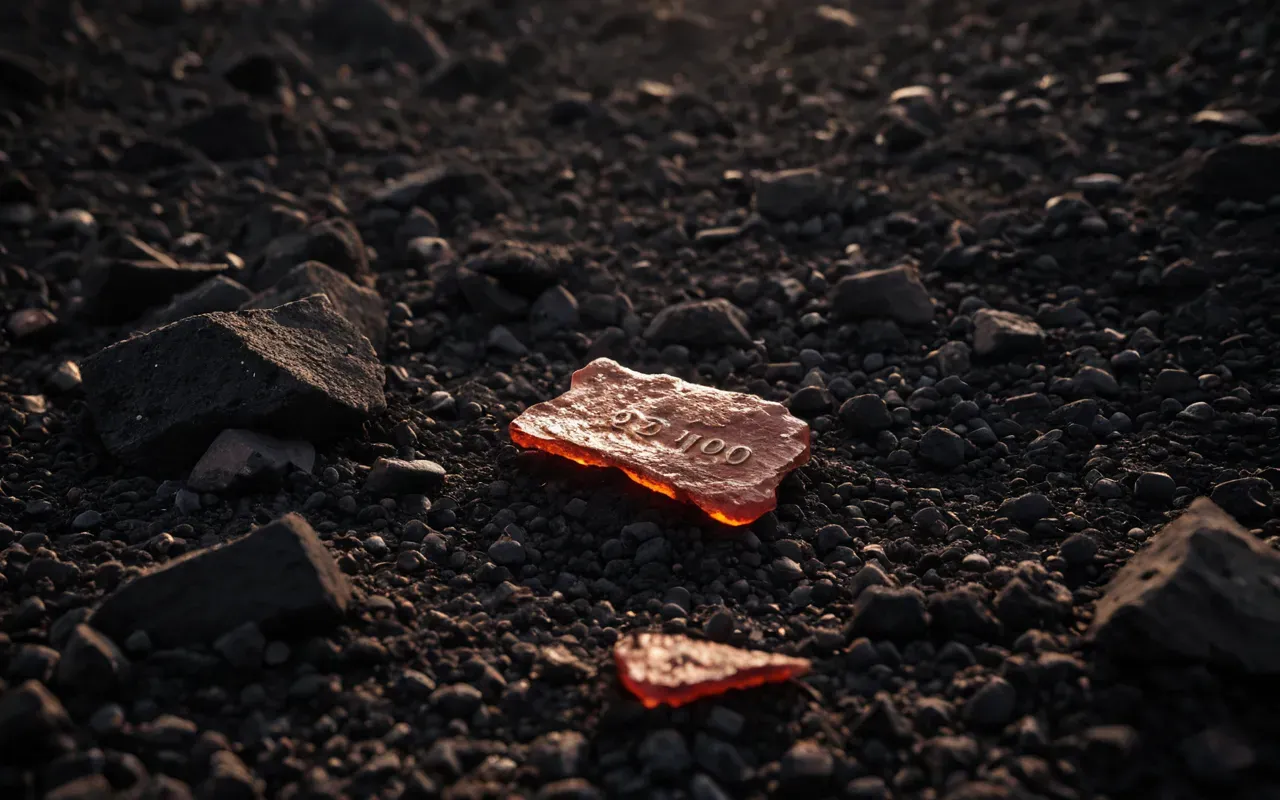
Why the timing matters so much
The study notes that the most intense episode of fire and erosion occurred around , to , years ago. That is exactly when farming communities were becoming established across the region. Not a coincidence. The fertile regions created by clay deposition allowed people to settle. And once they settled, they needed storage. Pottery provided it.
Think about the chain reaction. A wildfire strips the hills. Rain washes the clay into the valley. The valley turns fertile. People move in to farm. They need to store grain. They find the baked clay. They make a pot. This isn't a single invention — it's a cascade of events, triggered by climate and human adaptation working together.
The Yarmukian connection
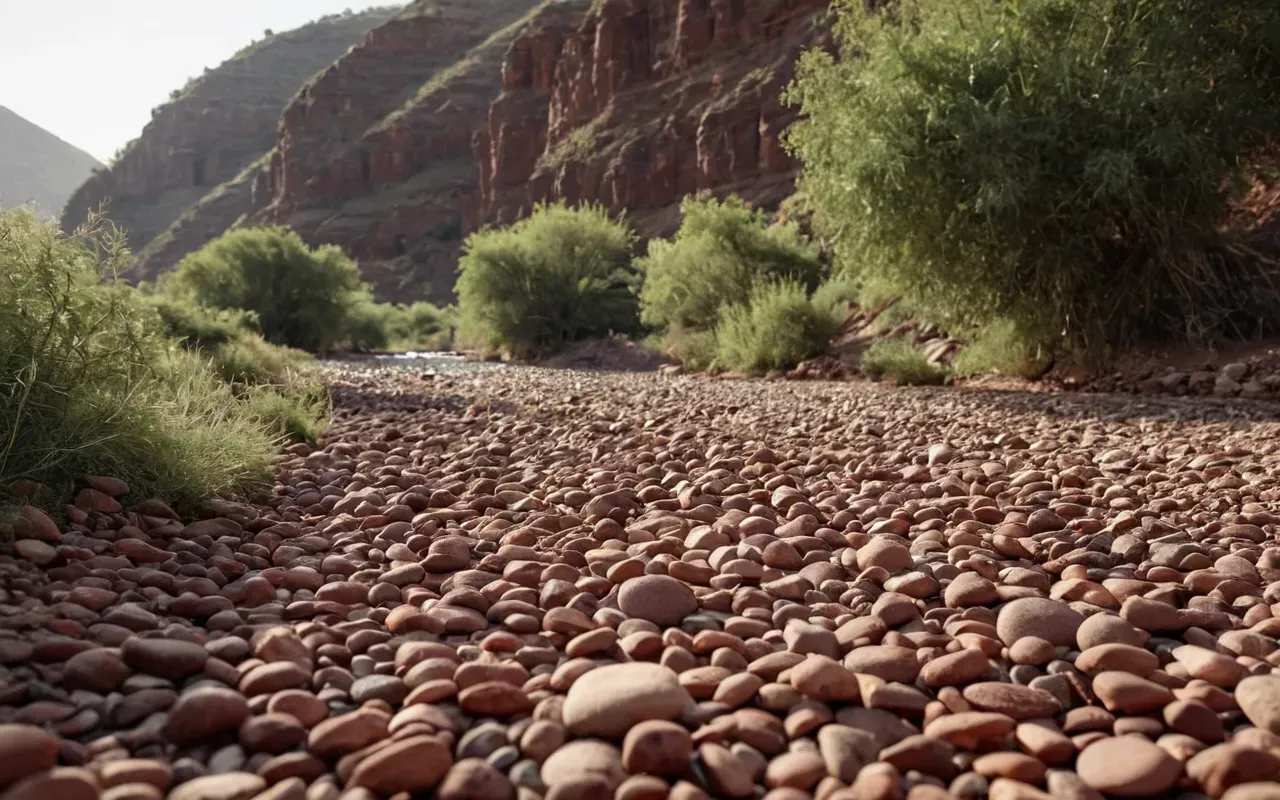
Petrographic research backs this up. Yarmukian pottery from the Jordan Valley was made from local redeposited terra rossa clay. The same material that would have accumulated around settlements following erosion. The link between the environmental event and the material culture is direct and physical. The clay was right there, waiting to be used.
A perspective shift for modern culture
So this finding changes how we view the Neolithic era. It wasn't just a time of great inventions. It was a time of adaptation. Humans weren't always the masters of their technology. Sometimes we were the students of nature. We watched, we learned, and we replicated. That humility is a powerful part of our cultural heritage.
For enthusiasts and scholars alike, it adds a new layer to the story. When we look at ancient tools and artifacts, we're not just seeing the result of human ingenuity. We're seeing a complex interaction between climate, geology, and human curiosity. History more dynamic and interconnected than we often imagine.
What this means for how we teach history
We usually teach history as a series of deliberate breakthroughs. Someone invented the wheel. Someone discovered fire. But the natural kiln hypothesis suggests a different model — that many of our key technologies were discovered, not invented. Found in the aftermath of natural events. It's a more accurate, more nuanced view of human progress.
It also highlights the role of environment in shaping society. The fires that created the conditions for pottery also created the fertile land for farming. The same event that provided the material also provided the need. That interdependence is a key theme in understanding how early societies developed. Not just human action — human response to environmental change.
The role of observation
Maybe the most important lesson here is the power of observation. Neolithic people weren't just strong or clever. They were attentive. They noticed that fire changed clay. They noticed that clay could be shaped. They noticed that the result was useful. That kind of attentive observation is a core part of human intelligence.
In a modern world where we are often distracted, that's a valuable reminder. Innovation often comes from looking closely at what is already there — from understanding the natural processes that surround us. A call to be more present and more observant in our own lives.
The lasting impact of accidental discovery
Pottery is more than just a container. It's a symbol of human creativity and adaptation. It allowed for the storage of food, the cooking of new dishes, the development of new social structures. The fact that it may have started as an accident doesn't diminish its importance. If anything, it makes it more remarkable. We took a chaotic event and turned it into a foundation for civilization.
This story also reminds us that progress is rarely linear. It's messy, accidental, and often driven by forces we don't fully understand. We're not always in control. We're part of a larger system that includes nature, climate, and chance. Embracing that complexity is a key part of understanding our own history.
For those interested in the Taş Tepeler project, this new perspective adds depth to the existing resources. It offers a new way to think about the Neolithic era. Not just about the tools they made — but about the world they lived in and how they responded to it. A story of adaptation, observation, and creativity.
A call for further research
Frumkin stresses that the natural kiln hypothesis is speculative and testable. It is not a proven account. But it is a compelling one. It fits the available evidence and offers a new way to interpret the data. Further research is needed to confirm the exact sequence of events. But the direction is clear. We need to look more closely at the relationship between environment and innovation.
It's an exciting time for archaeology. We're moving beyond simple stories of invention and discovery. We're starting to see the complex web of factors that shaped our past. A more accurate and engaging way to understand human history. A story that is still being written — and we are all part of it.
If you want to explore more about how ancient innovations shaped modern life, you might find this perspective on the Neolithic chip that still runs your kitchen fascinating. It offers a similar view of how ancient ideas continue to influence our daily lives in surprising ways.