The 10-ton stone man that proves we were mixing concrete before Rome
The Stone That Should Not Exist Yet
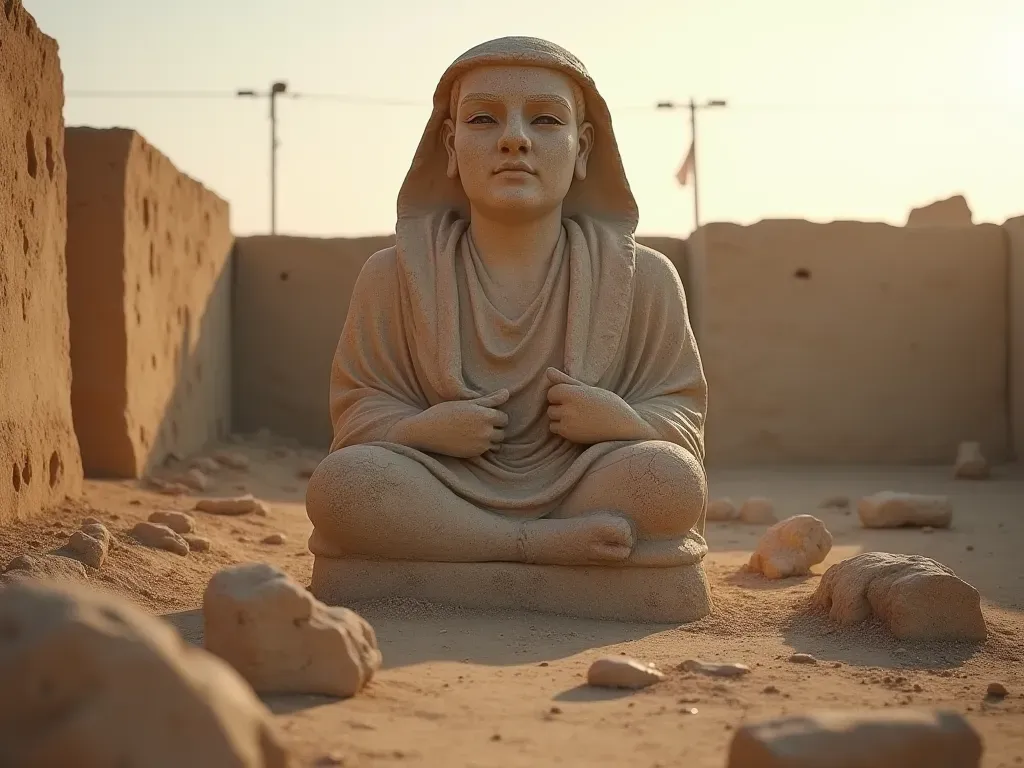
I keep coming back to the sheer weight of this find. Concrete feels like a modern invention to most of us. Yet here is a stone weighing nearly ten tonnes.
It sits in the dirt of a suburb. Carved by hands with no wheels and no iron tools. The implication is huge.
Why This Challenges Our Timeline
Most people assume complex engineering came late. We picture the Romans building arches and aqueducts first. But this site dates to between and BCE.
That is thousands of years before the pyramids. And the builders were not just piling rocks together. They were mixing materials deliberately.
To be fair, the stone itself is simple in shape. But its placement was no accident. It took precise leveling and heavy lifting.
The Cement Surprise Nobody Saw Coming
Here is the thing. The stone was not just dropped in a hole. Archaeologists found hardened material around its base.
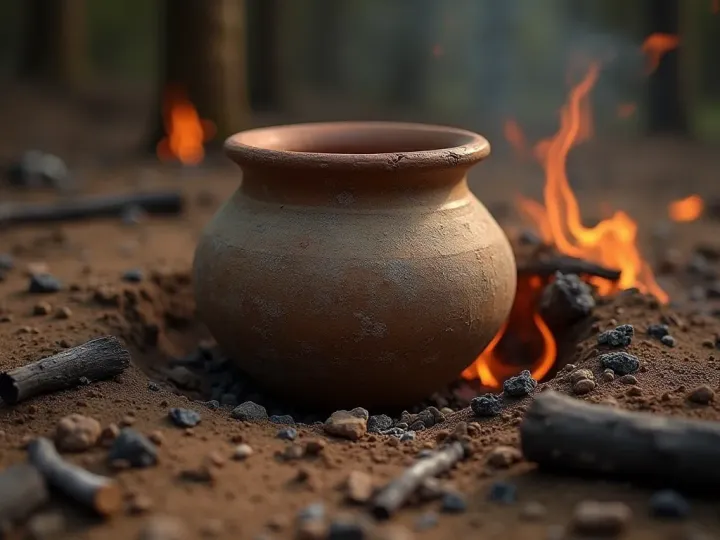
They mixed carbonate-rich sand with gravel and water. Once dry, it acted like a binding agent. Essentially primitive concrete.
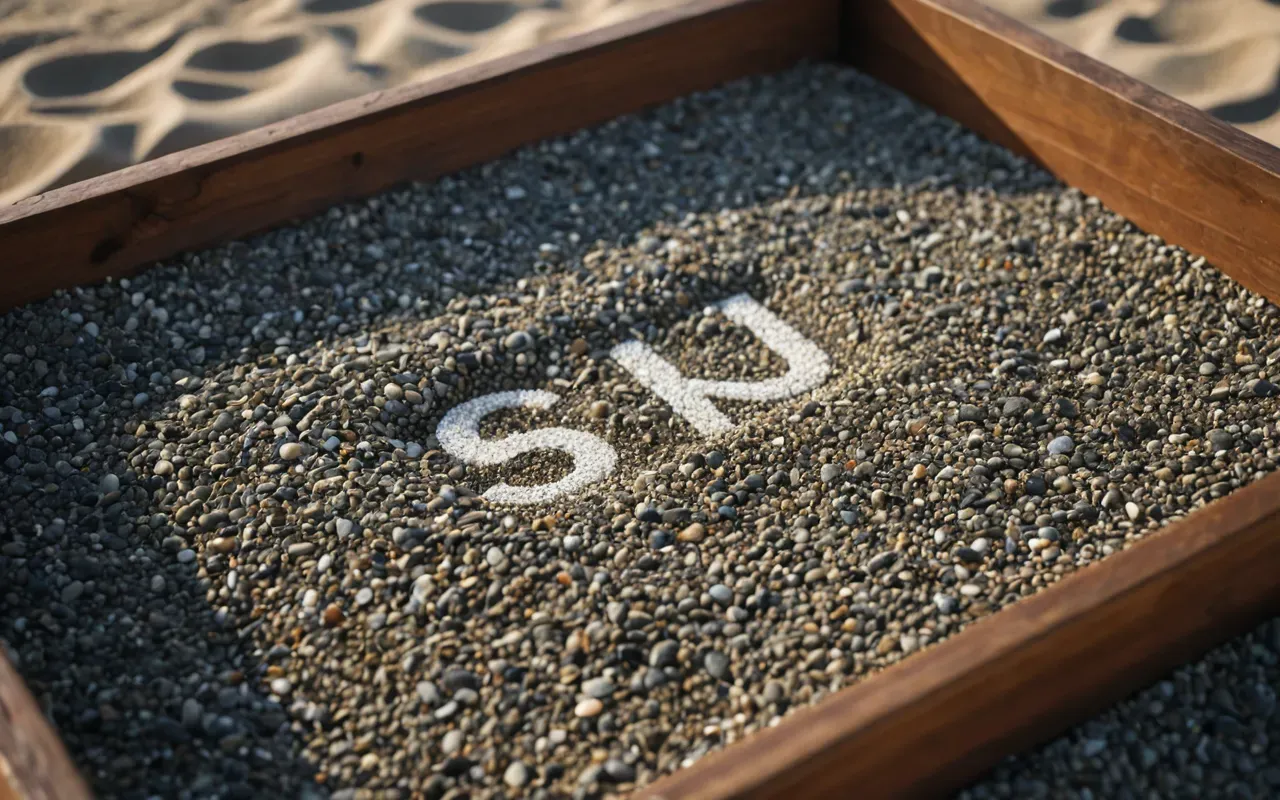
We keep seeing this pattern in recent finds. Ancient people knew how to bind things together. They did not need modern chemistry.
If you are interested in how early humans solved structural problems, check out Neolithic Technology Was Better Than You Think. It covers similar innovations.
Who Actually Built This Place?
The cemetery held eleven graves. Most bodies lay on their backs aligned east to west. But one individual was buried seated.
That person had their legs encased in calcite. Strange detail. Why treat one body differently from the rest?
DNA analysis is planned for these remains. We may soon know their diets and origins. This could reveal if they were locals or travelers.
The Mystery Of The Empty Mound
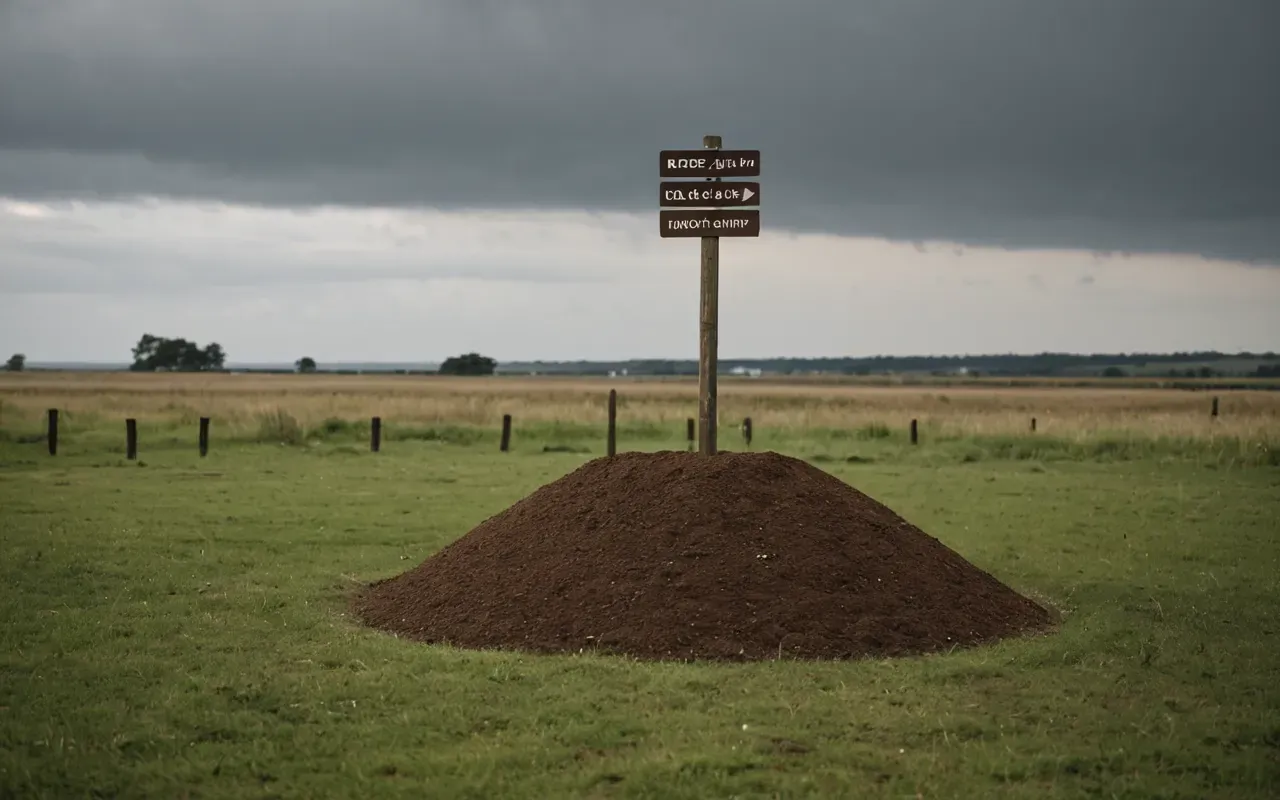
There is also a dome-like pile of earth. It covers thirty square metres and has no grave inside it. Highly unusual.
It might have been a landmark in the landscape. Or perhaps it marked a boundary for the community. The purpose remains uncertain.
What This Means For Modern History Books
We often view the Neolithic era as a time of simple survival. But these people were engineering complex spaces. They understood material properties.
This changes how we see their social organization. Building such a site required coordinated labor and shared resources.
It is not just about stone. It is about the knowledge required to place it correctly and bind it securely for generations.
The Bigger Picture Of Prehistoric Innovation
When we look at how Neolithic inventions still beat modern software architecture, we see a pattern of smart, efficient design.
They did not have computers. They had observation and trial and error. And they solved problems that take us years to fix today.
This site near Paris is a reminder that history did not start with kings and cities. It started with people working together to make sense of the world.
Why We Keep Getting It Wrong
I think we underestimate prehistoric minds because they lack written records. We equate complexity with text and tools.
But stone speaks loudly if you know how to listen. The weight of that statue is a statement about their capabilities and priorities.
For those interested in how ancient beliefs shaped architecture, read about Why 9,000 Year Old Hunters Built Shrines To Their Traps. It offers a similar perspective on ritual and function.
The Future Of This Excavation Site
Development threatens the site. That is why these digs happen before construction starts. Time is short for archaeologists here.
Every day matters now. The data they collect will define our understanding of this region for decades to come.
It is a race against time and modern progress. But the findings are already rewriting the local history books.
What Readers Should Take Away From This Story
Do not assume the past was simple. The Neolithic era was a time of intense innovation and social structuring.
These people built monuments that lasted millennia. They used materials we are only now fully appreciating in their complexity.
The next time you drive past a suburban development site, remember that the ground beneath your feet might hold ten-ton secrets.