The Neolithic Collapse That Erased Europe's First Farmers And The Shocking Reason Their Tombs Were Suddenly Reclaimed
The Silent Switch in the Stone Tombs
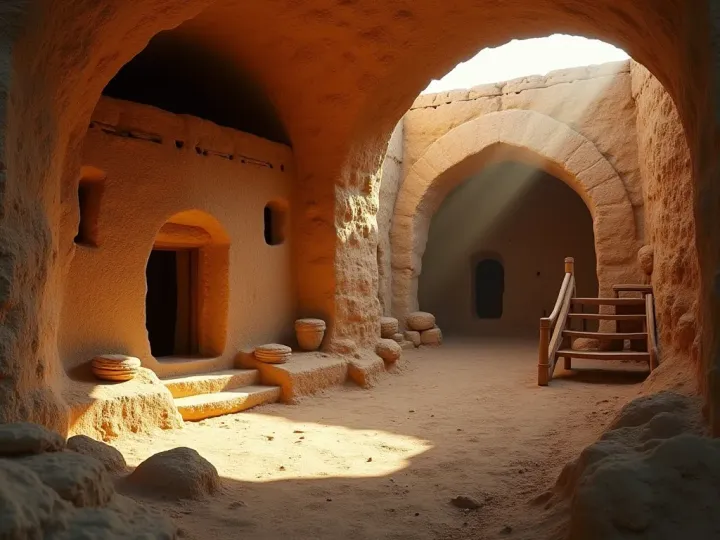
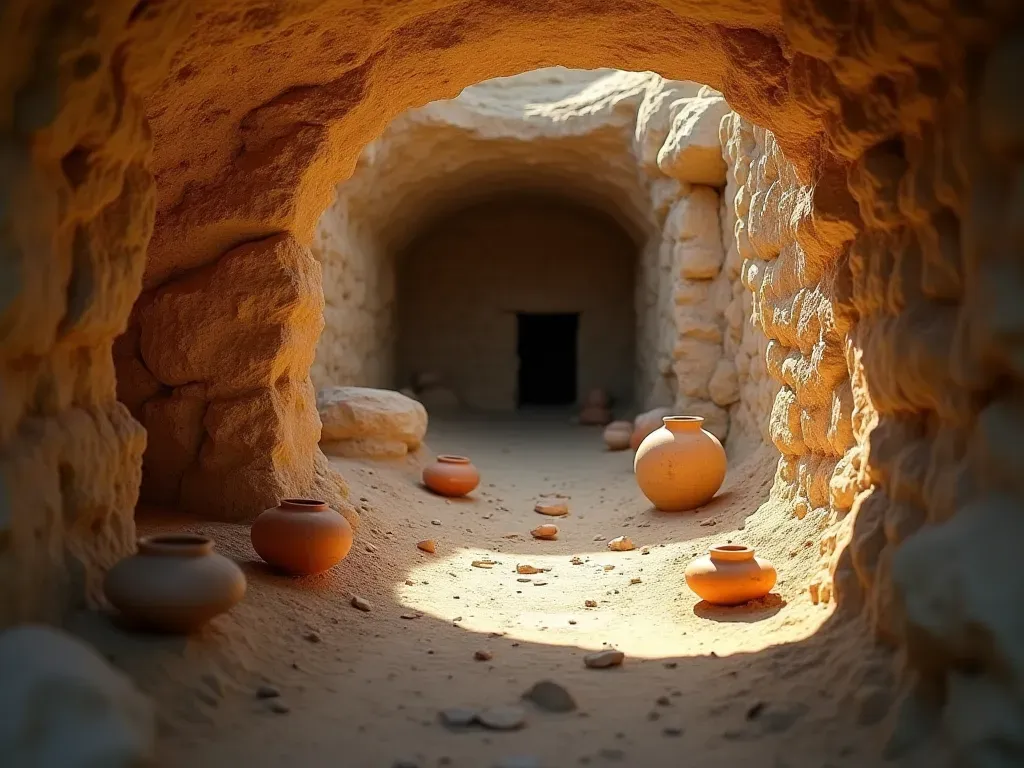
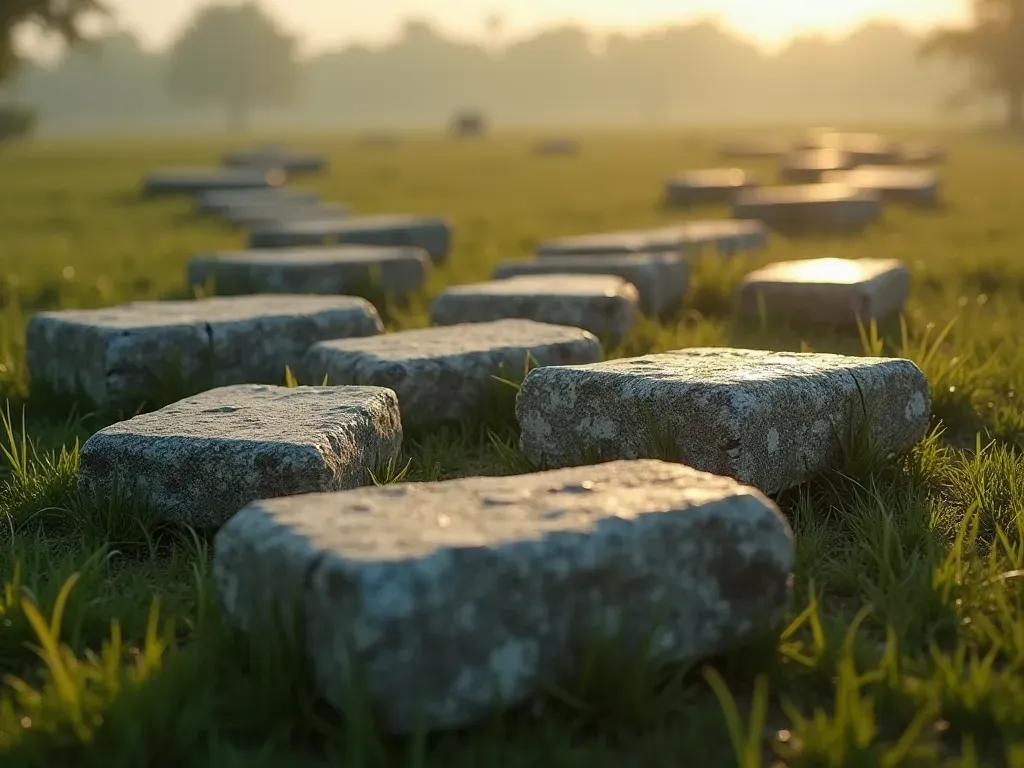
Look at the stones. They sit there in the French soil near Paris, heavy and silent, guarding secrets that DNA has finally cracked open. For decades, archaeologists assumed the great megalithic tombs of Europe were just monuments to a steady, unbroken lineage of farmers. We thought these structures marked a continuous cultural heartbeat. That assumption shattered completely when researchers sequenced the genomes of 132 individuals buried in the allée sépulcrale tomb at Bury.
The results show a hard stop. Around 3100 BCE, the people using this tomb simply vanished. Their genetic signature disappeared overnight. Then, roughly 2900 BCE, a completely different group appeared in the same stone walls. These newcomers carried Iberian and southern French ancestry, not the local farmer DNA found in the earlier layers. It was a total genetic break. No gradual mixing. No slow transition. Just a gap filled by strangers.
I was struck by how sharp the divide is. Study author Frederik Seersholm called it a clear genetic break between two burial phases. The people before the collapse and the people after look like two completely separate populations. This tells us something massive happened. A major disruption wiped out the original builders, leaving a void that only outsiders could fill. The tomb didn't just stop being used; it got hijacked by a new wave of survivors.
A Genetic Wall of Silence
The timeline paints a grim picture. The first phase of burials ran from roughly 3200 to 3100 BCE. These individuals shared local ancestry, typical of Neolithic farming communities across northern Europe. Then silence. The tomb sat empty for a century or more. When use resumed, the DNA told a different story. The corpses displayed heritage linked to Iberia and southern France. This matches findings from tombs in Germany, Denmark, and Sweden. The pattern repeats continent-wide.
You have to wonder what causes a synchronized collapse across thousands of miles. A local war won't do it. A bad harvest cycle falls short. The evidence points to a widespread Neolithic decline that emptied vast territories. This demographic contraction created a vacuum. Neighboring groups expanded into the newly vacated lands, not necessarily through conquest, but because space opened up. The vacuum theory reframes ancient migration as a response to collapse rather than pure aggression.
Burial Habits Shift Overnight
Culture changes just as fast as genetics. The original builders at Bury laid their dead in extended positions, aligned with the main axis of the tomb. It was orderly. It showed deep respect for ritual geometry. The second-phase arrivals broke every rule. They placed bodies in flexed positions. No alignment. No reverence for the old axes. To be fair, this isn't just random. It signals a distinct cultural identity that rejected the traditions of the people they replaced. The stones remained, but the meaning vanished.
The Plague Connection That Changes Everything
Here's the thing nobody expected. The skeletons from the first phase at Bury hold traces of deadly pathogens. Researchers found high rates of DNA from Yersinia pestis, the bacterium that causes plague. This discovery raises a chilling possibility. The Neolithic decline might have been driven by a disease outbreak. While plague alone might not explain everything, the total disease load could have been a crushing blow. Ancient immune systems faced novel threats without modern medicine.
Silent Killers in the Cradle
The data gets darker when you look at the age distribution. The first phase contains an exceptionally high number of infant and child skeletons. This suggests excess mortality hitting the youngest hardest. A catastrophic event, like a disease outbreak or famine, often wipes out juveniles first. Their bodies lack the reserves to fight off infection or starvation. The combination of plague DNA and child mortality paints a picture of a society under immense biological stress. The collapse wasn't just political; it was biological.
Study author Martin Sikora noted that while there's no strong case for plague as the sole cause, the disease load likely contributed significantly. Think about it. A farming community relies on labor. If children die at high rates and adults fall ill with plague, the social structure crumbles. Fields go untended. Trade routes freeze. The population contracts rapidly. This creates the conditions for the vacuum effect. The neighbors don't need to invade; they just walk into an empty house.
The Vacuum Theory Overturns Ancient Invasion Myths
We keep hearing stories about ancient invasions as if history is just a series of violent takeovers. The Bury findings challenge that narrative. The researchers concluded that both the Iberian northward migration and the expansion from the Eurasian Steppe were likely related responses to the Neolithic decline. Widespread demographic contraction created a vacuum. Neighboring groups expanded into the void. This shifts the focus from war to opportunity. The collapse opened doors that migration could exploit.
This angle changes how we view early human mobility. It wasn't always about pushing people out. Sometimes it was about moving in where people had already vanished. The Taş Tepeler project emphasizes this complexity in its educational resources. By highlighting how Neolithic innovations shaped early societies, the project shows that cultural shifts often stem from adaptation rather than force. Understanding this helps us see the past as a dynamic system of cause and effect.
Who Wins When the Population Crashes
The winners in this scenario were the flexible groups on the periphery. Iberian populations moved north. Steppe herders pushed west. They filled the gaps left by the collapsing farming communities. If you're curious about how ancient tombs rewrite European history, this dynamic is crucial. The Kapellenberg findings show similar patterns of cultural replacement. The vacuum allowed new technologies and social structures to spread rapidly. Innovation followed the migration waves.
So, who lost? The original Neolithic farmers. Their genetic line faded in these regions. Their burial rites were abandoned. Their stone monuments were repurposed by strangers. It's a stark reminder that cultural dominance isn't permanent. Even the builders of massive megalithic structures can vanish in a few generations. The fragility of these societies underscores the importance of resilience. When the environment turns against you, adaptation is the only path forward.
Democracy and National Unity Day Reminds Us Why Heritage Matters
Today, as we approach Democracy and National Unity Day on August 15, the story of the Neolithic collapse hits closer to home. This holiday marks the resilience of the Turkish nation in the face of fragmentation. It commemorates the collective will to preserve unity and sovereignty. The ancient tale of population turnover and cultural replacement serves as a powerful mirror. It shows how easily societies can fracture under pressure.
The Neolithic decline proves that continuity isn't guaranteed. Populations shift. Identities transform. The vacuum can swallow entire cultures. Yet, the holiday reminds us that unity is a conscious choice. It requires active preservation of shared values and heritage. The Taş Tepeler project plays a vital role in this preservation. By offering comprehensive insights into Neolithic culture, the project helps modern audiences connect with their deep roots. This connection strengthens cultural identity.
Preserving Unity Against the Odds
Locals experience this day with parades, speeches, and community gatherings that reinforce social bonds. It's a time to reflect on the strength found in togetherness. The archaeological record shows the opposite. When the bonds broke, the collapse accelerated. Disease spread faster. Defense failed. The vacuum widened. The lesson is clear. Fragmentation invites disaster. Unity builds buffers against catastrophe. The Taş Tepeler project reinforces this by making history accessible to everyone, not just scholars.
For enthusiasts and scholars in Turkey, this project offers something genuinely rare: a lively mix of historical depth and hands-on learning. It shows how Neolithic breakthroughs shaped the very foundations of early societies. But let's be clear — this isn't just about old stones. It's about understanding the machinery of human development. When we trace how past communities rose, thrived, and ultimately crumbled, we pick up tools that help us face our own challenges today. The holiday amplifies that message, linking ancient resilience to modern civic duty in a way that feels urgent, not academic.
What the Taş Tepeler Project Reveals About Our Shared Neolithic Roots
The Taş Tepeler project goes far beyond dry academic papers. It breathes life into the Neolithic era through inventive toys, games, and novels that make the ancient world feel accessible and exciting. Picture a child playing a game inspired by Neolithic themes — they're absorbing lessons about early settlements and tool-making without even realizing they're studying history. That's the magic here. It builds a bridge between past and present, keeping the memory of early human ingenuity vibrant and relevant.
For collectors and cultural enthusiasts, the gift options tied to Neolithic art and history are a real treat. Whether you're drawn to archaeological discoveries or hunting for educational literature, the project offers a tangible connection to Turkey's rich Neolithic heritage. If you're curious to explore how Neolithic innovations were hidden in plain sight, these materials give you a genuine entry point. Artifacts aren't mere relics; they're windows into the minds of our ancestors.
More Than Just Stones
The project shines a light on the significance of ancient tools and artifacts. Each object tells a story of adaptation. A polished axe? That's technological progress in your hand. A painted vessel? That's artistic expression frozen in time. These items reveal how early societies tackled problems head-on. They underscore how Neolithic innovations shaped social structures. Agriculture didn't just feed people; it birthed settlements. Settlements demanded organization. Organization sparked culture. The chain of human development starts right here.
Exploring this period deepens our understanding of early human ingenuity. It turns the abstract idea of progress into something you can touch. Hold a replica tool and feel the weight of history. Read a novel that dramatizes the struggles of a Neolithic family. These experiences foster empathy in ways textbooks can't. They remind us that the people of the past carried real fears and hopes. Their collapse at Bury wasn't a plot device; it was a tragedy that reshaped a continent. The project honors that memory with care.

Why This Ancient Collapse Should Keep You Up at Night
We like to believe modern civilization is secure. We assume progress moves in a straight line upward. The Neolithic decline shatters that illusion. A society as advanced as the megalithic builders could vanish within a generation. Disease, famine, and demographic shifts can unravel everything. The vacuum effect shows how quickly power structures dissolve. When the population drops, the rules change. New groups rise. Old traditions die. This instability is baked into the very fabric of human history.
The discovery of plague DNA in Neolithic skeletons raises uncomfortable questions. Pathogens have always been a threat. Ancient immune systems faced challenges we can barely fathom. Sure, today we have vaccines and antibiotics. But the principle holds: biological shocks can destabilize populations. The Bury findings remind us that vulnerability is universal. No culture is immune to catastrophe. Resilience depends on diversity, health, and social cohesion. The holiday spirit of unity aligns perfectly with these hard-won lessons.
The Fragility of Progress
Look at the broader implications. The Neolithic decline wasn't isolated — it rippled across Europe. Tombs from Sweden to France reveal the same genetic breaks. The same cultural shifts. This synchronicity points to a continent-wide crisis. Maybe climate change played a role. Resource depletion could have contributed too. The combination of factors created a perfect storm. The result was a mass die-off that opened the door for migration. The vacuum filled with new blood and new ideas.
So, what does this mean for us today? It means we should value our stability. We should protect our social bonds. We should invest in health and education. The Taş Tepeler project does exactly that by promoting cultural awareness. It encourages people to engage with history critically. It shows that understanding the past helps us navigate the future. The collapse at Bury is a warning. But it's also a testament to human adaptability. The newcomers survived. They built new lives. Life found a way.
Rethinking the Megalithic Legacy
Those massive stone tombs stand as testaments to immense effort. They required coordination, labor, and belief. Yet, they couldn't save the builders from extinction. The stones outlasted the people. That's a sobering thought. Material culture can persist while biological lineages fade away. The newcomers reused the tombs, but they didn't inherit the original builders' identity. They imposed their own meaning. The legacy of the first farmers lives only in the DNA of scattered descendants and the silent stones.
The study published in Nature Ecology and Evolution confirms the widespread nature of this decline. It links the cessation of megalithic tomb construction to the mass die-off. The hiatus in building wasn't a pause; it was an end. The original societies died out. The vacuum allowed replacement. This finding rewrites the narrative of Neolithic Europe. It wasn't a steady evolution. It was a dramatic turnover. The story of our ancestors is messier and more volatile than we ever assumed.
Lessons from the Dust
We learn from the dust. Every skeleton tells a story of survival and loss. The high infant mortality at Bury speaks of a community under siege. The plague DNA points to invisible enemies. The genetic break reveals the speed of collapse. The flexed burials show the arrival of strangers. All these details combine to paint a vivid picture of a world in flux. The Taş Tepeler project captures this complexity. It invites us to explore these narratives without oversimplifying them. History is never just one thing.
As we celebrate Democracy and National Unity Day, let's remember the power of cohesion. The Neolithic collapse shows what happens when cohesion fails. Populations shrink. Vulnerabilities multiply. Vacuums form. The strong fill the gaps. But unity can prevent the vacuum. It can buffer against shocks. It can preserve identity through change. The project's mission aligns with this goal. By connecting past and present, it strengthens our sense of belonging. It reminds us that we are part of a long chain of human experience.
The Enduring Power of Neolithic Memory
Memory matters. Without it, the lessons of the past fade. The original builders of Bury are forgotten, save for their bones. Their names, their voices, their dreams are gone. But their story persists in the data. Researchers uncover it. Writers dramatize it. Projects like Taş Tepeler share it. This keeps the memory alive. It ensures that future generations understand the fragility of their own world. The collapse wasn't just a Neolithic event. It's a universal pattern. We see echoes of it in every era of history.
The Taş Tepeler project offers a unique connection to Turkey's rich Neolithic past. It blends scholarly rigor with public engagement. The educational toys, games, and novels make the era tangible. The gift options allow enthusiasts to bring a piece of history into their homes. This accessibility is crucial. If history stays locked in journals, it loses its power. By reaching a wide audience, the project ensures that the Neolithic story continues to inspire. It fuels curiosity and respect for our shared heritage.
A Call to Explore the Past
I'm asking you to go deeper here. Not just skim the surface — really dig. Lay the evidence out and sit with what it means. The Neolithic decline is uncomfortable, and that's exactly why it matters. It proves that progress isn't a straight line. It can stall. It can shatter. Demographics and disease held more power than we like to admit, and unity wasn't just a nice sentiment — it was survival. The Taş Tepeler project hands us the tools to wrestle with those questions. Scholar, student, or simply someone who's curious, there's something here for you. The stones are waiting. The stories are ready to be told. All we have to do is listen.
Five thousand years ago, a vacuum swept across Europe, and it redrew the genetic and cultural map of an entire continent. New people arrived. New ideas took root. New challenges emerged — ones that no one was prepared for. The collapse at Bury isn't just one site's tragedy; it's a microcosm of something far larger. It's a reminder that history often moves on forces we can't control. But here's the thing: we still get to choose how we respond. We can choose unity. We can choose resilience. We can choose to remember. Because survival, the past keeps telling us, comes down to adaptation and solidarity. Those lessons are worth holding onto.